Visa
A capital best explored in chapters
Berlin rewards a visit built around several distinct neighbourhoods. Spend a morning with the museums beside the Spree, an afternoon reading the remains of a divided city, and an evening around a square where people actually live. Germany’s capital brings these experiences together, but the distances between them make a little planning valuable. A hotel’s nearest station often matters more than its description as central.
Come for major collections, political history, independent shops and an unusually broad choice of cultural evenings. Give the city three full days for an introduction; add another for Potsdam or a slower neighbourhood day. Trying to combine every famous monument with every nightlife district produces long journeys and shallow visits. Choose your priorities before buying attraction passes.
For a possible move, Berlin deserves a second, more practical inspection. Test the commute, investigate housing and arrange the right immigration route. An enjoyable long weekend reveals relatively little about securing an apartment or maintaining an affordable household here.
Make two lists before booking: experiences requiring a particular date or entry slot, and walks that can move with the weather. Build each day around one fixed commitment. Berlin becomes easier to enjoy when an unexpected queue or a longer museum visit does not force you to abandon three subsequent reservations.
Reading the city’s layered history
Berlin began as merchant settlements on opposite banks of the Spree. The city’s medieval history page distinguishes Cölln’s first documented mention in 1237 from Berlin’s in 1244. Later royal development, industrial growth and successive political systems changed the city’s scale. The creation of Greater Berlin in 1920 incorporated neighbouring towns; today’s administrative boroughs also contain smaller neighbourhoods, or Kieze, that remain useful everyday reference points.
The twentieth century requires thoughtful attention. Nazi rule and the Holocaust, wartime destruction, Allied occupation and the division of the city are different subjects, with different places explaining them. Berlin’s official borough history describes the four occupation sectors after 1945. The Wall was built in 1961; its opening on 9 November 1989 preceded German reunification in 1990.
Look for these layers rather than expecting a uniformly preserved old town. Restored buildings, postwar blocks, broad avenues and new government architecture stand near one another. Memorials are places for learning and remembrance. Give their exhibitions time, and avoid treating the city’s painful history as a succession of photographic backdrops.
Neighbourhoods that change the trip
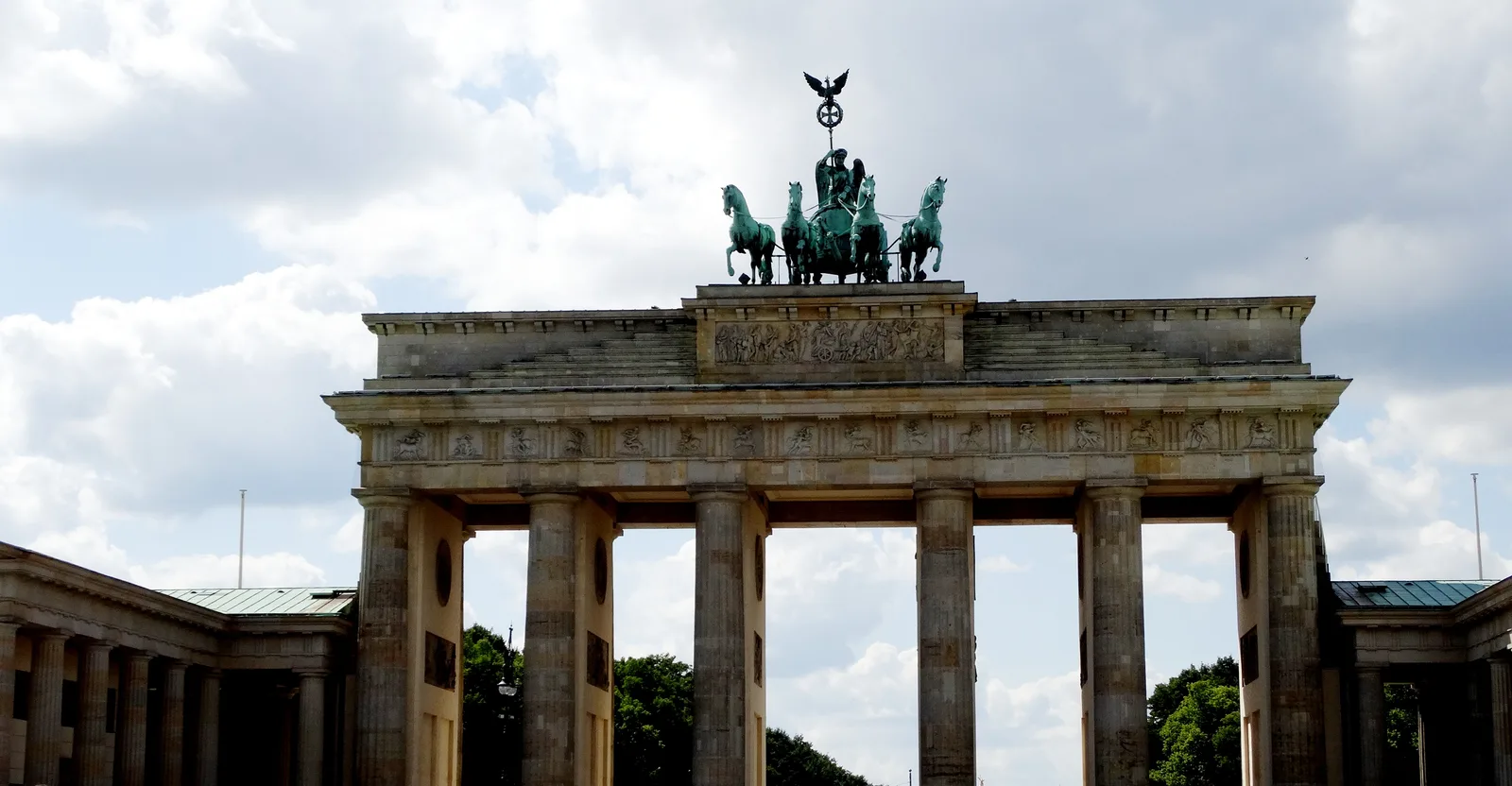
Mitte makes sense for a first visit focused on the Brandenburg Gate, Museum Island and government buildings. Its large administrative area includes places with very different surroundings, so check the precise address. A room near one landmark can still require a train journey to another. The official district directory helps distinguish borough names from individual neighbourhoods.
Charlottenburg offers a western base around established shopping streets and rail connections. Consider it if your plans include Kurfürstendamm and the western side of the city. Compare the actual route to Museum Island rather than assuming a western address is inconvenient. Conversely, accommodation near Hauptbahnhof can be practical for arrivals while requiring a separate walk or journey for evening restaurants.
Kreuzberg’s municipal portrait points to Bergmannstraße, Graefekiez, Viktoriapark and the Landwehrkanal. These provide a useful alternative to monument sightseeing: choose a café, walk a canal stretch and leave room for browsing. Prenzlauer Berg’s Kollwitzplatz and Helmholtzplatz areas offer restored older buildings, cafés and neighbourhood squares. Neither name guarantees quiet rooms or modest rent; examine the street and the building.
Choosing accommodation with useful connections
Hotels, hostels and serviced accommodation suit different trips. A hostel can reduce the room bill, but confirm whether the quoted price is for a dormitory bed, whether lockers are included and when reception operates. For a family or longer visit, compare the cost of a kitchen and laundry facilities with the convenience of hotel breakfast and baggage storage.
Use the transport planner before booking. Check the arrival journey with luggage, the evening return and the walk from the station. Ask about lift access, step-free entry, room orientation and cooling if those affect your stay. A courtyard room and a street-facing room in the same property can serve very different needs.
Berlin’s official accommodation-tax information gives a rate of 7.5% of the net overnight charge, excluding extras such as breakfast. Business stays are also subject to the tax. Check whether the booking total includes it and request a complete price breakdown. A visitor apartment should never be assumed suitable for residence registration merely because it accepts a long booking.
Compare cancellation terms alongside the nightly rate, particularly when visa timing or work arrangements remain uncertain. For a short stay, a slightly higher room price can be worthwhile if it removes daily transfers. For several weeks, storage, cooking space and reliable internet may carry more weight than proximity to a single attraction.
Arriving at BER or by rail
Berlin Brandenburg Airport, BER, is outside the central fare area. The airport’s current transport page places its railway station beneath Terminal 1 on level U2; passengers using Terminal 2 walk via Terminal 1. For a journey into central Berlin, buy a ticket covering zones ABC. An AB city ticket alone is insufficient.
The airport currently lists the FEX route through Südkreuz and Potsdamer Platz to Hauptbahnhof. Its indicative airport-to-station times are about 14, 19 and 23 minutes respectively, excluding waiting and onward travel. Until December 2026, FEX and RE20 jointly provide four connections an hour. S9 and S85 offer further rail options. Use the live journey planner because engineering work can change the most useful connection.
For a rail arrival, check the station on your ticket rather than assuming every service uses Hauptbahnhof. Allow time to transfer between platforms and reach local transport. Driving adds parking decisions without helping most central sightseeing; obtain the property’s parking arrangements before committing to a car-based stay.
Tickets, walking and everyday journeys
BVG’s single-ticket page currently lists adult fares of €4 for AB and €5 for ABC. A single ticket permits a journey in one direction for 120 minutes, with changes, but excludes return and round trips. Plan the fare around the journey you actually need, rather than interpreting two hours as unlimited travel.
The operator’s 24-hour ticket costs €11.20 for AB or €12.90 for ABC and allows unlimited journeys in the selected area during its validity. One adult can take up to three children aged six to fourteen; younger children travel free. Three separate adult AB singles cost €12, so a 24-hour ticket is already cheaper for that pattern. Eligibility and additional passengers still matter.
The airport instructs passengers to validate paper tickets bought at machines before departure. Follow the activation instructions for the exact product you buy. Keep the ticket available throughout the journey. Walking works well within sightseeing clusters, but use trains between distant areas. If stairs are difficult, check accessible routes and current lift availability before choosing a connection.
Brandenburg Gate and the Reichstag
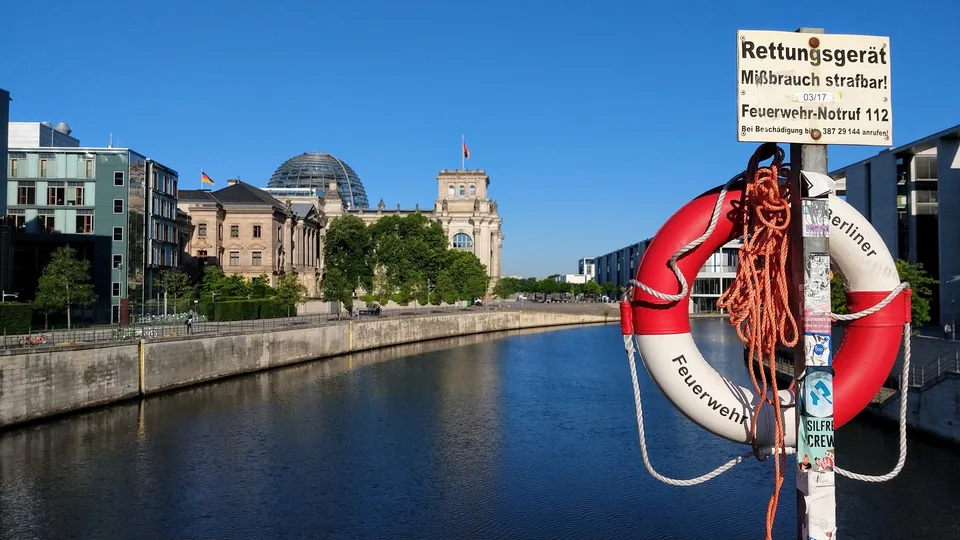
Start with the Brandenburg Gate and the surrounding government area to understand Berlin’s public face. The gate can be included in a walking route rather than reserved as a separate half-day. Continue towards the Reichstag, leaving a margin around any booked visit instead of attaching another timed attraction immediately afterward.
The Bundestag’s visitor-registration page confirms that the dome and roof terrace are free to visit, with advance registration required. Applicants provide participant details, including dates of birth. Check the confirmation’s identity requirements and arrival instructions. A reservation request does not itself guarantee admission, and the availability of last-minute places should not underpin an itinerary.
For autumn 2026, note a specific restriction: the dome is closed for maintenance from 19 to 30 October, while the roof terrace can still be visited. These are distinct experiences. Check the official notice again for your date, especially if the dome is the reason for booking. The surrounding outdoor route remains a worthwhile introduction to the area.
Museum Island without a closure surprise
Choose one museum that matches your interests rather than attempting the entire island in a morning. The Neues Museum’s collection highlights include the bust of Nefertiti and the Berlin Gold Hat. Its building and displays make a focused visit rewarding even when you arrive with one famous object in mind. Leave time for the rest of the collection.
The museum’s current visitor page gives opening hours of Tuesday to Sunday, 10am–6pm, with Monday closed. The visitor entrance is through the James-Simon-Galerie on Bodestraße and is wheelchair accessible. Standard admission is €14, reduced admission €7. Children under eighteen need a free ticket. Verify concession eligibility and book through the official ticket page.
The Pergamonmuseum is completely closed for renovation. Its official notice schedules a large part to reopen on 4 June 2027; that does not make it available for a 2026 itinerary. Pergamonmuseum. Das Panorama is a separate nearby venue. If considering a museum pass, list the open collections you will actually visit and examine exclusions before comparing its cost with individual admission.
The Wall: context before the photograph
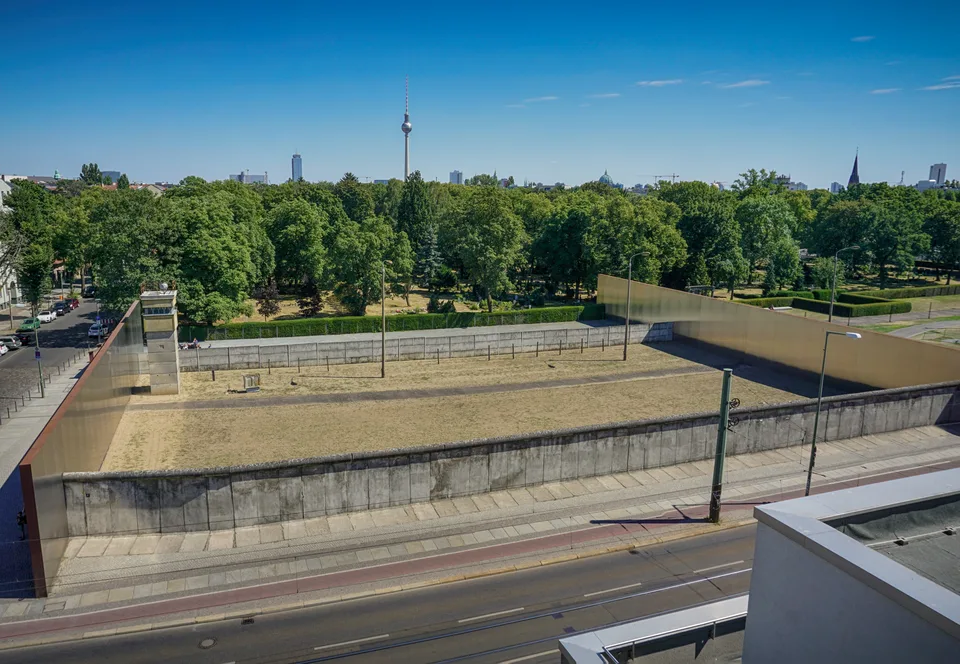
The Berlin Wall Memorial on Bernauer Straße explains division through the former border strip, preserved remains and exhibitions. The foundation describes the Window of Remembrance, Chapel of Reconciliation and excavated apartment foundations, alongside the documentation centre across the street. These details connect the border to people’s homes and lives, rather than presenting it simply as an isolated concrete wall.
Allow an unhurried visit to read the outdoor interpretation and use the documentation centre. The foundation’s visitor information gives free admission, with charges for some educational activities. Check the separate hours for indoor spaces and outdoor areas; a Monday walk does not imply the documentation centre will be open.
The East Side Gallery on Mühlenstraße is another experience: an open-air gallery associated with paintings created in 1990. Treat it as a separate stop, rather than a substitute for the historical explanation at Bernauer Straße. A river-side walk can fit around it, but keep clear of cycle routes and respect barriers protecting the artworks.
Remembrance and a quieter green interval
The Memorial to the Murdered Jews of Europe combines an outdoor field of stelae with an underground Information Centre. The foundation confirms free admission and continuous access to the field. Its visitor notice gives Tuesday–Sunday opening for the exhibition, with a security check. Plan time for that interpretation instead of assuming the outdoor architecture conveys the entire history.
Follow the memorial’s rules: no jumping between stelae, noise or alcohol. For visitors needing the exhibition lift, contact staff at the entrance. Families should consider the subject matter and the foundation’s guidance before bringing young children into the exhibition.
Topography of Terror documents the Gestapo, SS and Reich Security Main Office at their former headquarters site. Its production website lists free admission and daily opening from 10am to 8pm; outdoor areas close at nightfall, no later than 8pm. Pairing either major exhibition with a quieter walk in Tiergarten can give the day breathing space. Resist scheduling multiple demanding historical exhibitions solely because admission is free.
Food, shopping and a budget that adds up
Currywurst is a familiar Berlin snack: sausage served with a spiced tomato sauce. The visitor board’s food information also points to a broad range of street food and vegetarian options. Choose from current menus near the day’s route rather than crossing the city for an unverified claim about its best stall. Ask about ingredients and allergens when needed.
For shopping, decide whether you want department stores, independent boutiques or everyday supplies. The western shopping streets and smaller neighbourhood streets offer different experiences. Most shops close on Sundays, with exceptions including some airport and railway-station shops and designated shopping Sundays. Buy essential groceries beforehand rather than assuming a nearby late-opening shop can meet every household need.
Build your daily budget from the room’s full price, transport, one chosen paid attraction and meals from actual menus. Free memorials and neighbourhood walks can keep an interesting day affordable. Add a separate allowance for theatre tickets, nightlife or taxis if those are priorities. Berlin’s variety supports different budgets; it does not justify a single invented daily cost that ignores accommodation and season.
For a concrete comparison, a standard Neues Museum ticket plus an adult AB 24-hour transport ticket totals €25.20. That is a planning subtotal for those two purchases, excluding food and accommodation. If the same day includes an airport journey, use the ABC product instead and recalculate. Compare passes against your own list of admissions, not the number of advertised discounts.
Seasons and choosing your dates
The visitor board highlights May to September for outdoor exploration, with longer days and warmer conditions. That suits neighbourhood walks, parks and a Potsdam excursion. Hot spells can make a room’s cooling arrangements relevant, while rain can interrupt plans in any season. Keep one indoor option available without buying unnecessary tickets as insurance against every forecast.
Spring and autumn work well for a mixed trip with museums and shorter walks. In winter, account for cold, possible frost and reduced daylight when arranging outdoor stops. Christmas-market dates belong to their individual organisers; an early winter booking does not guarantee every market will already be operating.
Choose dates around the experience you want, then compare accommodation totals. Check event calendars and exhibition schedules before paying a non-refundable rate. For a scouting trip before moving, visit on ordinary working days as well as a weekend: the commute, administrative opening hours and neighbourhood routines are part of the evidence you need.
Three days with room to absorb the city
Day one: begin at Brandenburg Gate, use a confirmed Reichstag slot if available, and visit the Memorial to the Murdered Jews of Europe. Pause for lunch before deciding whether to enter another exhibition. Finish with a Tiergarten walk or dinner near your accommodation. During the October dome closure, adapt the plan to the terrace confirmation rather than promising dome access.
Day two: reserve a focused Neues Museum visit, then explore the nearby Spree surroundings and choose a neighbourhood for the afternoon. Prenzlauer Berg makes a different setting from the monumental centre. If this day falls on Monday, switch it with another day or choose an attraction whose current schedule supports your plan.
Day three: give Bernauer Straße time in the morning, then travel to Kreuzberg for lunch and a canal walk. Choose the East Side Gallery afterward only if you still want another cross-city journey. A fourth day can be devoted to Potsdam. This is a suggested pace, not a promise that every stop, ticket and opening hour will fit every date.
Moving: secure housing before refining the address
Berlin’s Welcome Centre housing-search page warns that available apartments are scarce and applications can take weeks or months. Budget for a temporary base while searching, and compare neighbourhoods using the commute to the actual workplace or campus. An attractive square during a holiday is only one part of choosing a workable home.
The centre’s rental-contract guidance distinguishes net cold rent, gross cold rent and warm rent. Base rent excludes service charges; warm rent includes specified cold and warm charges, such as heating and hot water. The contract determines the inclusions. Ask separately about electricity, internet, furnishings and annual service-charge adjustments. Compare complete household costs rather than headline rent alone.
A rental deposit cannot exceed three months’ rent excluding service charges and can be paid in three instalments. Document the apartment’s condition at handover. Read subletting arrangements and termination terms carefully, and seek advice before accepting clauses you do not understand. Obtain evidence of who can legally let the property; urgency is a poor reason to transfer money without a credible offer.
At a viewing, consider the household you will run: where a desk fits, whether storage is sufficient, and how groceries reach the apartment. Test the commute at the hour you will actually travel. Repeated changes and a long final walk can outweigh a saving on rent, especially when household members have different destinations.
Registration, healthcare and household setup
Berlin’s residence-registration procedure generally requires Anmeldung within fourteen days of moving into a dwelling. The official page lists identity documents and the accommodation provider’s signed confirmation among the requirements. There are exceptions for certain temporary stays, including people registered abroad staying no longer than three months. A holiday stay and an actual relocation must therefore be assessed differently.
Check your circumstances and appointment options on the official procedure. Do not assume online registration is available to every first arrival: the service has eligibility conditions. Ask about the provider confirmation before choosing temporary accommodation for a move. Registration records an address; it does not grant a residence permit or permission to work.
Germany’s official health-insurance guidance explains statutory and private coverage and the need to avoid gaps between arrival and employment. Confirm the arrangement appropriate to your circumstances. Identify healthcare providers, arrange banking and communication services, and inspect the building’s practical needs. BSR’s English waste guide explains separation; use the correct household bins and collection arrangements rather than leaving unwanted furniture beside them.
Tourism, work, study and the next destination
Germany’s Foreign Office visa guidance separates short visits from longer stays and directs applicants to the responsible German mission. Nationality, purpose and duration determine requirements. Where the short-stay exemption applies, the limit is generally ninety days in a 180-day period. Check the applicable Schengen conditions and your previous travel; entry as a visitor should never be treated as permission to start work or settle permanently.
For employment, study, vocational training or joining family, use the federal visa-types portal to identify the appropriate route and its evidence requirements. EU citizens follow a different residence framework. Permanent residence has its own conditions. VisaWand’s Germany country guide, Germany location directory and destination information provide further planning context; browse consultant listings if you need help with your circumstances.
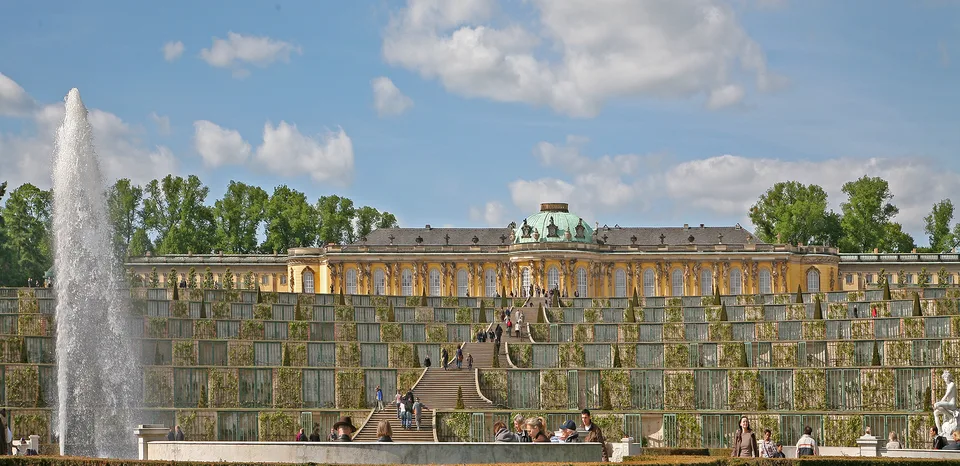
Potsdam is a practical additional day for a different view of the region. SPSG’s Sanssouci visitor page lists fixed admission slots, Monday closure and a €14 single ticket subject to same-day availability; the €22 sanssouci+ combination can be bought online. Leave time for the terraces and park surroundings. Check ABC transport coverage for Potsdam and the actual return connection, keeping this excursion separate from an already full Berlin museum day.
For a wider European trip, compare VisaWand’s completed Prague and Vienna city guides, then check current connections and entry requirements before extending your route across borders.
Official planning resources
Reviewed 14 October 2026. Use the official resources linked throughout this guide for admission, transport, housing and immigration decisions. Prices, services and rules can change; confirm the details relevant to your dates. Photography illustrates the locations and is not a live view.
View all official resources
- Official Berlin medieval history: Berlin and Cölln
- Official borough history and city boundaries
- Official Berlin modern history timeline
- Official Berlin district and neighbourhood directory
- Official Kreuzberg neighbourhood information
- Official Prenzlauer Berg neighbourhood information
- Official Berlin accommodation tax and net-price basis
- BER airport current routes, station and ticket requirements
- BVG current single-ticket fares and validity
- BVG 24-hour ticket fares and family conditions
- BVG journey planning and current connections
- Official Reichstag dome and roof-terrace registration and closures
- Official Neues Museum collection highlights
- Neues Museum hours, entrance and accessibility
- Neues Museum tickets, concessions and passes
- Official Pergamonmuseum closure and planned partial reopening
- Berlin Wall Foundation: Bernauer Straße memorial and remains
- Berlin Wall Foundation visit information for its sites
- Official East Side Gallery exhibitions and history
- Memorial to the Murdered Jews of Europe: access and rules
- Holocaust memorial Information Centre hours and visitor notice
- Topography of Terror: exhibitions, admission and opening hours
- visitBerlin practical food, shopping and visitor information
- visitBerlin seasons and weather planning
- Berlin Welcome Centre housing search and applications
- Berlin Welcome Centre rent components and deposits
- Berlin Anmeldung official procedure, exceptions and documents (German)
- Federal health-insurance guidance for moving to Germany
- BSR official English household waste separation
- German Foreign Office visas and responsible missions
- Official German work, study, vocational and family visa routes
- Your Europe official EU residence rights and conditions
- Official Sanssouci Palace admission, slots and opening hours
Plan the next part of your journey
Explore the Germany guide, browse other cities or compare consultants for your travel and relocation questions.