Visa
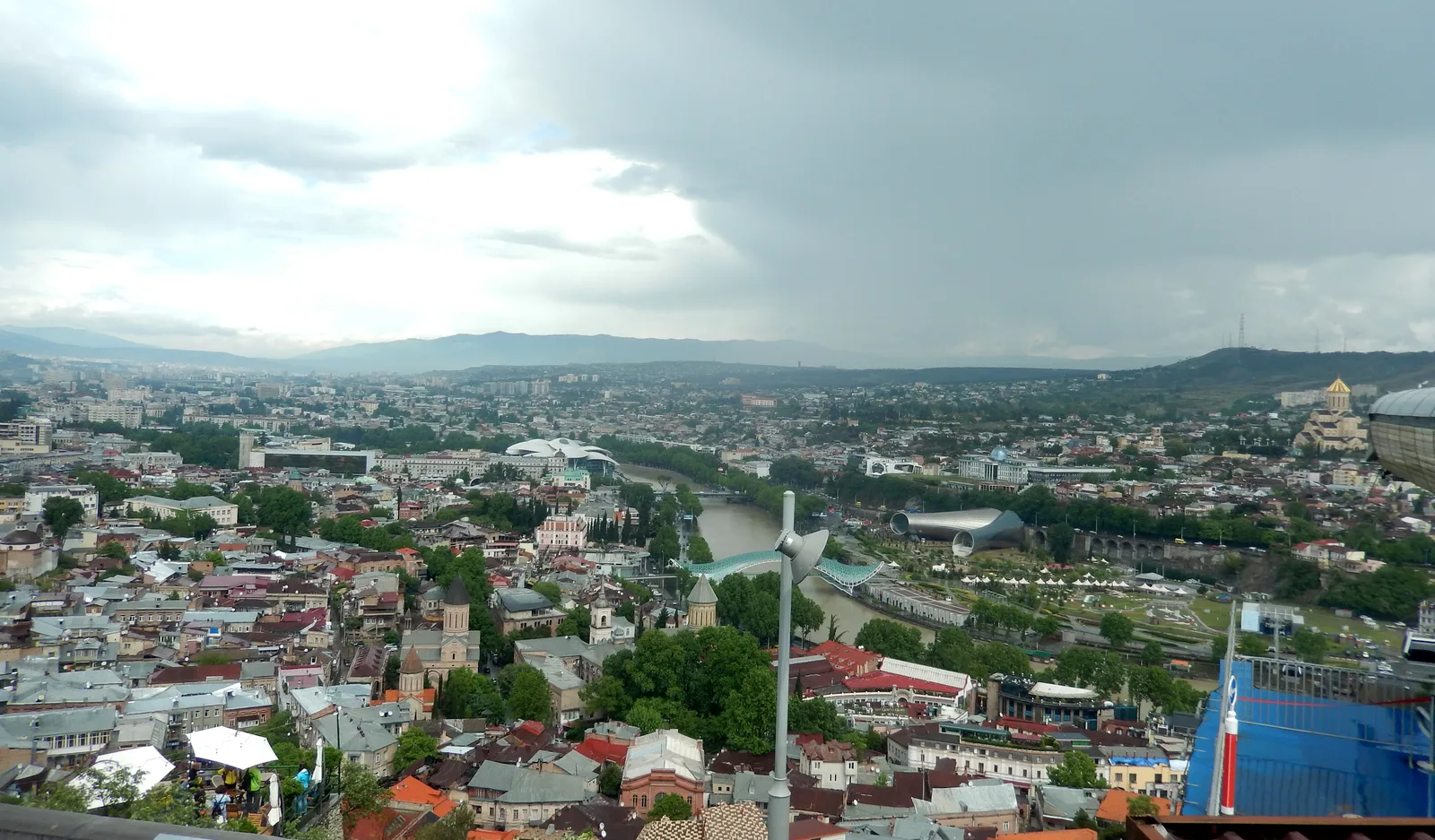
A capital best explored at neighbourhood speed
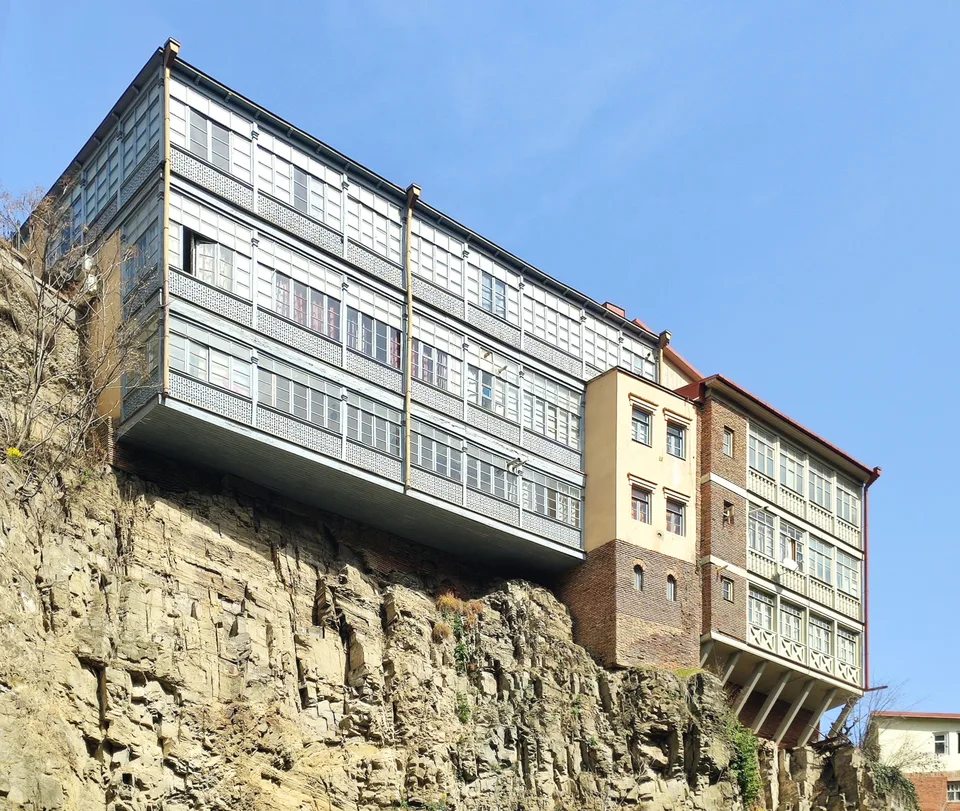
Tbilisi’s appeal lies in the changes between one street and the next: enclosed balconies above a steep lane, bathhouse domes beside a busy road, a grand cultural avenue and a river crossed by striking modern structures. Georgia’s capital spreads along the Mtkvari, with hills that give the centre its memorable views and make apparently short walks more demanding than a map suggests.
For a first visit, allow three full days if possible. That leaves room for the old city, a museum, a bath and an afternoon above the rooftops without turning every meal into a deadline. Four or five days make sense if you also want a regional excursion. These are itinerary suggestions, not prescribed lengths of stay. The Georgian National Tourism Administration’s Tbilisi introduction provides a useful overview; this guide focuses on choosing a base, connecting the sights and understanding the practical conditions of visiting or settling here.
Understand the hot springs and the layered city
Tbilisi’s familiar founding story associates King Vakhtang Gorgasali with the discovery of its hot springs in the fifth century. Treat the hunting story as a legend rather than a documented eyewitness account. The tourism administration’s Abanotubani history sets the baths within a much longer story of settlement, rebuilding and changing communities.
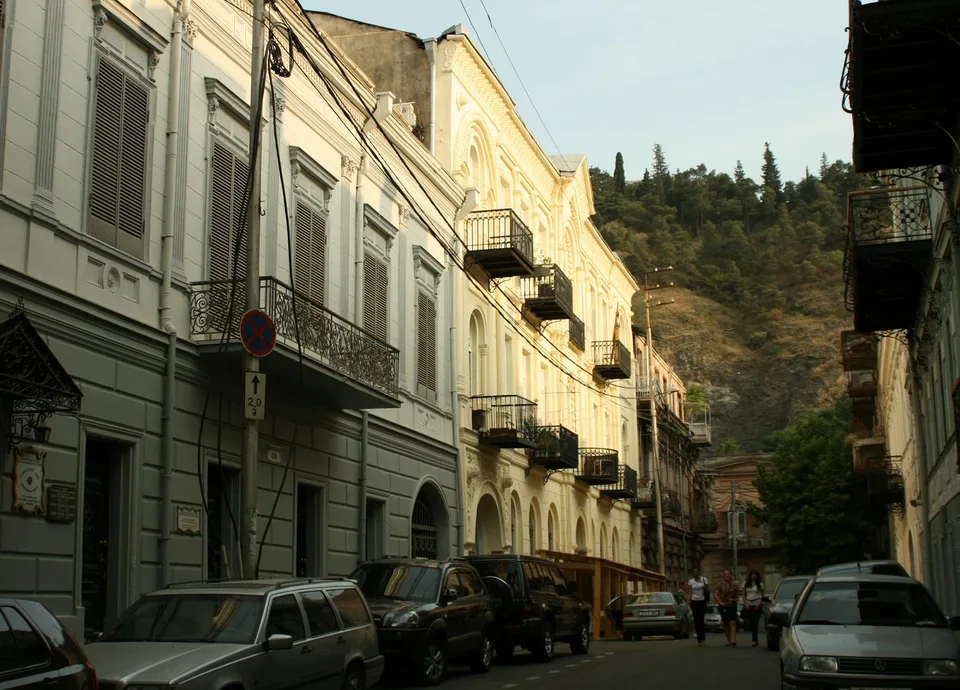
The city’s architecture reflects several periods, rather than one preserved medieval moment. In Sololaki, nineteenth-century residential development produced elaborate facades, balconies and decorated entrances. Elsewhere, religious buildings and modern interventions sit close together. Looking at those relationships is more rewarding than expecting every photographed street to be pristine. Many handsome houses remain homes, with the ordinary demands of maintenance, deliveries and residents’ privacy. Appreciate an entrance from the public street unless you have clear permission to go inside.
Choose your base around slopes and connections
For a first stay, compare the old-city area around Abanotubani with Sololaki and the streets around Freedom Square. Abanotubani puts the bath district close at hand; Sololaki offers an architectural neighbourhood walk; Freedom Square provides a practical reference point for central journeys. Check the final approach to the property, especially when carrying bags.
Avlabari is another area to investigate across the river, while Vera or a more residential address may suit travellers staying longer. For a move, add the particular parts of Saburtalo relevant to your workplace or university to the comparison. These are starting points for research, not a ranking of the safest or cheapest districts. Ask the host for the exact location, floor, lift access and vehicle drop-off point. A panoramic balcony can come with a climb that becomes tiresome twice a day.
Walk Sololaki as an architectural district
Use Georgia Travel’s Sololaki district account to give your walk a focus. Streets such as Lado Asatiani, Ivane Machabeli and Galaktion Tabidze offer opportunities to compare residential scale, decorative details and the relationship between the hillside and the street. Choose a manageable loop rather than attempting to see every named house.
Look for the contrast between a building’s exterior and the glimpses of its entrance visible from outside. Painted halls and ornamental staircases are part of the district’s heritage, but an attractive photograph online does not establish public visiting hours. A locally arranged architecture walk can help with interpretation and appropriate access. For an independent visit, daylight makes it easier to read details and negotiate uneven surfaces. Build in a seated stop and leave the steeper extensions optional, particularly in hot weather.
Make Abanotubani more than a photo stop
The bath district is one of the clearest ways to understand the city’s relationship with warm water. Walk among the low brick domes and look at how the baths, houses and hillside fit together. The colourful exterior of Chreli Abano is a distinct landmark, but the neighbourhood also rewards looking beyond one facade.
For a bath, compare the actual room and service package rather than assuming there is a single district-wide admission price. Chreli Abano’s own booking website distinguishes private rooms and spa services, lists ordinary opening hours of 09:00–23:00 and says same-day online reservations are unavailable. Confirm duration, party size, towels, washing treatments and the final charge directly. A bath is an optional leisure experience; claims that mineral water will treat a medical condition should not determine your visit. Seek individual medical advice if heat exposure concerns you.
For example, the operator’s room descriptions distinguish a small room for one or two guests from larger spaces with different pool and sauna facilities. A couple wanting a quiet soak and a family needing somewhere to change therefore have different requirements. Ask whether every guest can use the booked facilities comfortably and whether assistance or treatments must be arranged in advance. Request the full reservation terms before paying, particularly if a flight delay could affect your appointment.
Separate a cable-car ride from fortress access
The Rike–Narikala ropeway offers a way to gain height above the river. TTC’s published fare is 2.5 GEL one way, separate from the ordinary municipal transport fare. Decide whether you want to return by the same route before setting out; walking downhill still requires suitable footwear and a route you are comfortable following.
Narikala’s setting and the surrounding viewpoints are often presented together in visitor material, but a ticket for transport does not guarantee admission to fortress walls or every path. A reliable current confirmation of full fortress access was unavailable during this review. Ask the official visitor information centre about the day’s permitted routes, and respect any barriers or works. Keep an alternative lower-level walk around the river and old city ready. The area’s value does not depend on entering a tower or walking an exposed wall.
Give Rustaveli a museum and a pause
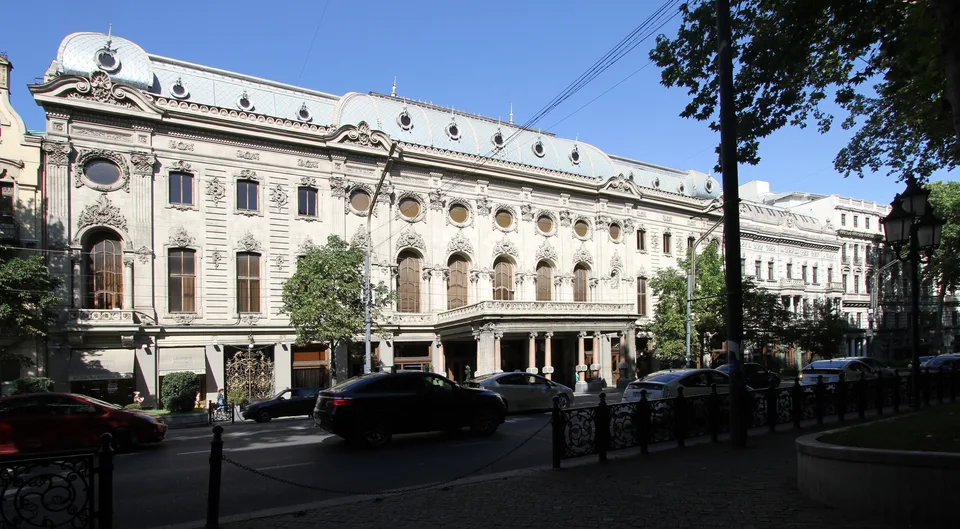
Rustaveli Avenue brings together major cultural buildings and civic institutions. The Rustaveli Theatre’s exterior is worth noticing even if a performance does not fit your dates. Select one substantial indoor visit rather than treating museums as quick stops between buildings. Allow time for reading labels and for whatever exhibitions are actually available.
The tourism administration’s Museum of Georgia page describes the Simon Janashia museum on Rustaveli and its archaeological, natural and cultural collections. Confirm opening arrangements and the current ticket before going; a dependable current admission price was not established for this guide. The broader Georgian National Museum name covers multiple institutions, so check which building an exhibition belongs to. At the same time, keep this walk flexible: current official travel advice notes central construction and demonstrations around Parliament. A cultural itinerary should adapt to conditions on the avenue.
Choose Mtatsminda for a slower afternoon
Mtatsminda Park combines elevated views with cafes, restaurants and amusement attractions. It can suit families wanting a break from historic streets, or adults who simply want somewhere to sit above the city. The tourism administration identifies the funicular’s lower station at 22 Daniel Chonkadze Street; check the operator’s current arrangements before planning your return.
The funicular and the Rike–Narikala cable car are different services. Do not apply one attraction’s ticket price or payment arrangements to the other, or assume amusement rides are included in a transport ticket. For a family outing, compare the complete cost of reaching the park, chosen rides and food. Choose the visit according to visibility and weather, and keep enough time for the descent. A hilltop stop works better as an afternoon with options than as a tightly timed photo appointment.
Book a room for the stay you will actually have
Tbilisi offers hotels, guesthouses, hostels and furnished apartments, but the right format depends on your arrival and daily routine. For a short late-night arrival, reliable reception and an agreed transfer can outweigh a marginally lower room rate. For a longer stay, a working kitchen, laundry facilities and a comfortable desk deserve close attention.
In an older property, ask about heating, hot water, window seals and stairs. For summer, establish whether air conditioning serves the bedroom itself. Street noise and nearby works can matter more than the room’s appearance. Obtain recent photographs of the booked category and confirm whether the advertised balcony is private or shared. Travellers with mobility needs should describe their requirements from pavement to bathroom. A central address does not by itself guarantee a straightforward entrance, lift or accessible walking route.
Get from the airport without guessing
The airport’s official bus information identifies municipal route 337, with its stop outside the arrivals hall. The published route connects the airport with central streets and Station Square. It lists the municipal fare at 1 GEL for a 90-minute travel period using an eligible payment method. The bus provides a useful option when its operating hours suit your flight and you can manage the final connection.
The airport page displays 06:59–22:59 as its timetable window. Recheck the actual stop and direction before relying on a last departure; do not interpret this as round-the-clock service. Late-night passengers should arrange another transfer. For a taxi, confirm the car, pickup location, luggage needs and total price before leaving arrivals. Allow for traffic, baggage collection and immigration rather than planning a city appointment around an optimistic driving estimate.
Save your accommodation’s address in Georgian as well as the name used on your reservation. For an apartment, agree who will meet you and how to contact them if your arrival moves beyond the expected check-in time.
Learn the ordinary transport fare first
Tbilisi Transport Company’s tariff page lists 1 GEL for 90 minutes of travel on the covered municipal network, with Metromoney and eligible bank-card payment. A Metromoney card costs 2 GEL; keep the purchase receipt. Validate as required on each service, and check your particular bank card’s acceptance rather than assuming every foreign card works identically.
The operator also lists subscription products: 3 GEL for a day, 20 GEL for a week and 40 GEL for a month, purchased with a subscription card. Compare these with your actual pattern of journeys. Several transfers inside one 90-minute period are a different calculation from separate outings across an entire day. Use TTC’s journey planner for the stop, direction and route. Your transport budget should also allow for a taxi when luggage, late hours or access needs make it useful.
Keep daily routes flexible around current conditions
The FCDO’s Georgia safety advice currently identifies demonstrations around Parliament on Rustaveli Avenue, with potential disruption extending beyond that location. It advises avoiding demonstrations and large gatherings and following local guidance. Check conditions before leaving, particularly if your hotel, restaurant or museum plan involves the avenue in the evening.
The same advice notes uneven pavements and recommends pre-booking taxis, including through an app, and checking seatbelts. Plan crossings and pickup points with the same care as attractions. Take particular care where a steep lane meets a larger road. For evening outings, retain a clear route back and a charged phone. These are practical planning considerations, not a reason to assume that every central street is inaccessible. A flexible neighbourhood plan leaves more room to enjoy the city as conditions change.
Order Georgian food with curiosity and clarity
Khinkali are a good starting point for exploring Georgian cooking. The tourism administration’s khinkali introduction explains the dumplings and their traditional association with broth-filled meat versions. Ask about the filling when ordering: mushroom, cheese or other alternatives should be confirmed rather than inferred. Take care with the hot liquid inside.
Balance a larger meal with simpler food between walks. Ask how portions are sold, whether there is a minimum order and whether service is included before comparing menu totals. For allergies, request a clear ingredient check, particularly for nuts and dairy, rather than relying on a translated dish name alone. If you choose to drink wine, allow time to understand the producer and style, and arrange transport accordingly. There is no need to turn every evening into a tasting programme to enjoy the city’s food culture.
Browse Dry Bridge with realistic expectations
The Dry Bridge flea market brings together second-hand objects, art, coins and memorabilia. Browse for an object you actually want to own, rather than expecting every display to contain a valuable antique. Condition, provenance and price deserve separate questions. Ask permission before photographing a stall or its seller.
Set a spending limit, inspect purchases and agree the final price before paying. For an item described as old or culturally important, establish export requirements before buying; a seller’s assurance is not a customs decision. Leave room in your luggage for anything fragile. For everyday shopping during a longer stay, test the supermarket and pharmacy route from your proposed home instead of judging convenience from a central shopping excursion. The best holiday purchase and the most useful place to buy household supplies may be very different choices.
Budget with clear units and separate extras
Prices in this guide use Georgian lari, abbreviated GEL. Start with accommodation quotes for your exact dates, then add meals, transport and the experiences you actually want. A pair of 90-minute municipal travel periods costs 2 GEL at the listed standard fare; a new Metromoney card adds 2 GEL. Two one-way Rike–Narikala ropeway rides add 5 GEL. Those components total 9 GEL before food, lodging or other admissions.
That illustration is not a complete daily budget or a promise that all sightseeing is inexpensive. Private bath rooms, taxis and museum visits require separate allowances. Compare the total for your party, since a room price and a per-person ticket are not interchangeable. For housing, collect like-for-like offers with the same term, furnishing and utility arrangements. An unverified citywide rent average would be less useful than a clearly documented comparison of suitable homes.
Plan the season around walking and excursions
Spring and autumn are sensible seasons to investigate for a trip focused on walking, while summer requires a plan for heat, shade and indoor breaks. The tourism administration’s seasonal guidance provides country-level context, but check Tbilisi’s forecast for the days you will be here. Winter calls for dependable heating and suitable layers rather than an assumption that every day will be snowy.
If you add the mountains, research those conditions separately. A comfortable afternoon in Tbilisi does not establish that a high road is clear or a hiking route is appropriate. Weather can also change the appeal of elevated viewpoints and the ease of walking polished or uneven surfaces. Keep one substantial indoor option and leave the most weather-dependent outing movable. This approach is more useful than choosing dates around a claim that one month always guarantees perfect conditions.
A three-day introduction with time to stop
On day one, explore the old city and Abanotubani, reserving a bath if that interests you. Add the river and a viewpoint only when access and conditions suit. Keep the evening close enough to your base that a late arrival or a longer lunch does not derail the entire day.
On day two, walk part of Sololaki and choose a museum on Rustaveli after checking opening and street conditions. Leave time for a proper meal. On day three, browse Dry Bridge and make Mtatsminda your flexible afternoon, or substitute another neighbourhood walk. A fourth day can accommodate Mtskheta without sacrificing Tbilisi’s own visits. This is a suggested sequence: bath bookings, museum availability and the forecast should shape its final order. Avoid combining a hilltop outing with a tightly timed flight departure.
Test a move with an ordinary working week
Use temporary accommodation before committing to a long lease. Travel from candidate homes to your actual office, university or regular appointments at the times you will use. Compare the whole journey, including the climb from the stop and the evening return. A pleasant holiday walk cannot establish whether a daily commute is sustainable.
View housing carefully, checking damp, daylight, heating, cooling, hot water and noise with the windows both open and shut. Clarify who pays building charges, which utility accounts are active and how repairs are handled. Record the inventory, deposit conditions, notice period and meter readings in a written agreement you understand. Obtain qualified local help where needed. Do not transfer a large deposit simply because an agent describes an offer as exceptional or says another tenant is about to take it.
Establish household services and healthcare early
For remote work, test internet performance inside the proposed apartment and ask the provider about installation rather than relying on a neighbourhood-wide speed claim. Check mobile reception as well. Families should establish school availability, language, fees and the school journey before choosing housing. Locate practical groceries, a pharmacy and suitable clinical services from the actual address.
The official UK health advice for Georgia lists 112 for an ambulance and recommends insurance for treatment and possible evacuation. Check medicine import restrictions before travel and keep prescriptions available. Ask healthcare providers about appointment languages and payment arrangements directly. Include utilities, connectivity, healthcare and periodic travel in the household budget. These details determine whether an attractive apartment supports daily life, especially when a temporary visitor stay becomes a serious relocation decision.
Check insurance, entry and the right to work separately
Use the Georgian foreign ministry’s entry guidance for your nationality and circumstances, and the official e-Visa portal when applicable. Since 1 January 2026, the published tourist rules require qualifying health and accident insurance, with at least 30,000 GEL cover for the full visit, including arrival and departure dates. Carry the policy electronically or physically in Georgian or English and check the listed exemptions and policy requirements.
The ministry’s 2026 labour-migration notice describes new rules affecting employment and self-employment, including remote activity, with exemptions and transitional provisions. Check your case before starting paid work. The State Services Development Agency’s residence information distinguishes work, study and other permits. Visitor admission, work authorisation, tax registration and permanent residence are separate matters; neither a lease nor a business registration settles all of them. VisaWand’s consultant listings offer a route to professional advice tailored to your plans.
Choose the next destination deliberately
Mtskheta is a logical excursion for its former-capital history and religious monuments, including Svetitskhoveli and nearby Jvari. Check the practical route between the town and the hilltop monastery, rather than assuming one drop-off covers everything. VisaWand’s Mtskheta location page identifies the destination; it is a directory entry rather than a completed travel guide.
For a wider Georgian journey, compare the Kutaisi and Batumi location pages, then check Georgian Railway’s ticket search for the date and station you need. Do not rely on an old seasonal train announcement. VisaWand’s Georgia country guide adds national planning context, while the Georgia location directory and Georgia destination page help you explore alternatives. Give each move a purpose: more nights in Tbilisi may serve an architecture or food-focused trip better than adding another city simply to lengthen the list.
Official planning resources
Reviewed 15 October 2026. Use the official resources linked throughout this guide for admission, transport, housing and immigration decisions. Prices, services and rules can change; confirm the details relevant to your dates. Photography illustrates the locations and is not a live view.
View all official resources
- Georgian National Tourism Administration: Tbilisi
- Georgia Travel: Sololaki district
- Georgia Travel: Abanotubani
- Chreli Abano: official bath booking
- Georgia Travel: Simon Janashia Museum of Georgia
- Georgia Travel: Mtatsminda Park
- Tbilisi Airport: bus 337
- Tbilisi Transport Company: current published fares
- Tbilisi Transport Company: journey planner
- Georgia Travel: Dry Bridge flea market
- Georgia Travel: khinkali
- Georgia Travel: seasons
- Georgia Travel: visitor information centres
- FCDO: Georgia safety and local conditions
- FCDO: Georgia health
- Georgia Ministry of Foreign Affairs: entry and insurance
- Georgia Ministry of Foreign Affairs: e-Visa portal
- Georgia Ministry of Foreign Affairs: 2026 labour migration changes
- State Services Development Agency: residence permits
- Georgia Travel: Mtskheta
- Georgian Railway: ticket search
Plan the next part of your journey
Explore the Georgia guide, browse other cities or compare consultants for your travel and relocation questions.