Visa
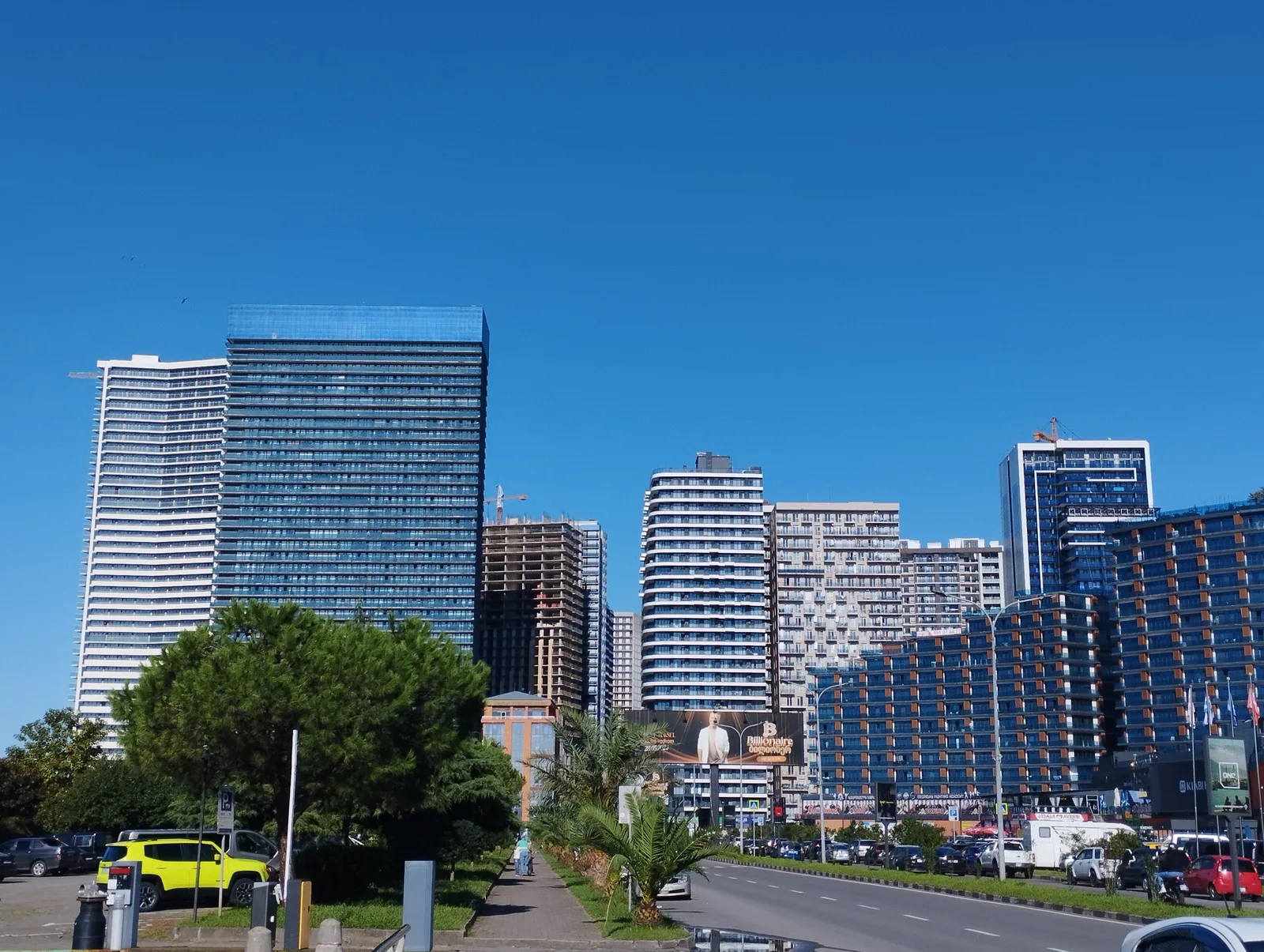
A Black Sea city with several different rhythms
Batumi combines a working port, an old urban centre and a waterfront lined with conspicuous modern towers. You can spend a morning among ornamental façades, walk through a planted seaside park and finish the day looking back at the city from a hillside. The appeal is that variety, rather than an uninterrupted beach holiday. Weather, the location of your room and the amount of time you want outdoors will shape the experience.
The official Ajara tourism page for Batumi is a useful introduction to its seaside setting. Allow three nights if you want the centre, a substantial garden visit and some unhurried waterfront time. For someone considering living here, those same days should also include groceries, a realistic commute and an inspection of housing beyond the view. VisaWand’s Georgia guide supplies national context for both kinds of decision.
Understand the port and the park together
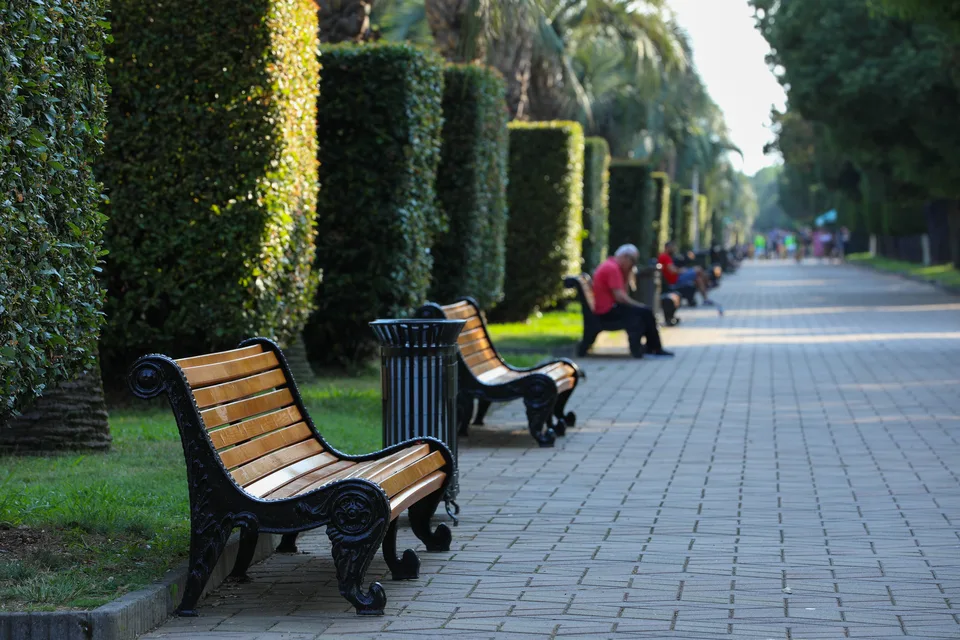
Batumi’s waterfront is more than a backdrop to its hotels. The long-established port and later visitor economy help explain why the city contains both practical transport infrastructure and showy public spaces. For historical context, begin with the Boulevard’s own account of its development. It traces the seaside park’s origins to the 1880s, with successive gardeners shaping its planting and layout.
That history makes a slow walk worthwhile. Notice the planted alleys and places to sit as well as the towers visible above them. The older streets and newer waterfront districts provide contrasting settings for a stay, and neither can be judged from one skyline photograph. If architecture interests you, separate surviving older fabric from later decorative projects. An attractive façade may be interesting on its own terms without being evidence of a much older building or an untouched historic neighbourhood.
Choose between the Old Town and the newer waterfront
An Old Town base works well when your priorities are squares, cafés and short walks between central sights. Compare the streets around Europe Square and Piazza, checking the actual entrance and nearby activity. A lively restaurant setting can be enjoyable at dinner and less welcome outside your bedroom late at night. Ask about room orientation, sound insulation and whether windows open onto a busy shared area.
The newer waterfront offers another style of accommodation, often in larger buildings. Evaluate it against the journeys you intend to make rather than the phrase “sea view”. Check the crossing to the promenade, the nearest grocery shop and where a taxi can stop. If your visit is short, a central address may save repeated transfers. For a longer stay, the apartment’s ventilation, heating and usable living space deserve as much attention as its balcony photograph.
Use the Boulevard as part of the day
The Boulevard is a good place to begin without committing to a full sightseeing schedule. Choose a manageable stretch, take a break and turn back when you want to. The waterfront route and the planted park offer different experiences: one opens towards the sea, while the other gives you benches and vegetation. You do not have to walk the entire seafront to appreciate it.
Keep cycling space distinct from a leisurely walking route, particularly when travelling with children. If hiring a bicycle, check the equipment, deposit, return point and permitted use before paying. A sunset walk can fit naturally after dinner, but carry a layer and leave room to change plans if wind or rain arrives. For prospective residents, try this area on an ordinary weekday as well as at a busy evening hour; its role in your routine may differ from its holiday atmosphere.
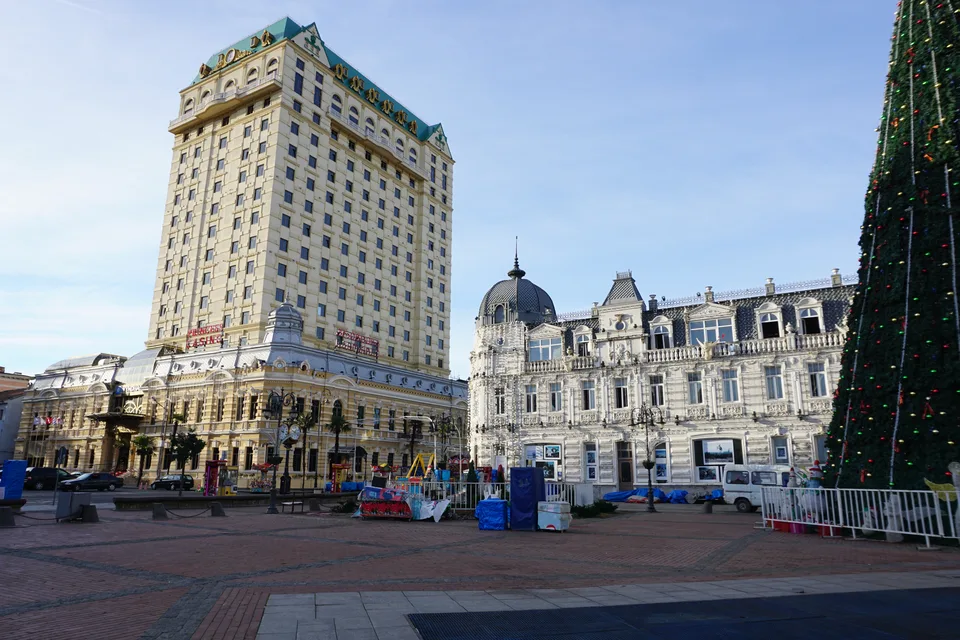
Link Europe Square, the clock and Piazza
Europe Square offers a useful first stop among the central streets. Its architectural setting combines older buildings and newer façades, while the statue of Medea holding the Golden Fleece refers to Greek mythology. Treat that symbolism as mythology, rather than a documented account of ancient visitors standing in this particular square. Look around the surrounding streets before moving straight to the next landmark.
The Astronomical Clock is at the intersection of Memed Abashidze and Konstantine Gamsakhurdia streets. Nearby central walks can also include Batumi Piazza, whose elaborate mosaic dates from 2010. It is a modern public-space project within the old city setting, surrounded by places to eat and drink. Compare menus before sitting down and ask about service charges. You can enjoy the square’s design without making a restaurant purchase or building the entire evening around an advertised performance.
See Ali and Nino without planning around a guaranteed show
The Ali and Nino sculpture is a prominent waterfront work by Tamar Kvesitadze, created with Paata Sanaia in 2010. Its moving figures and title draw on the literary story of Ali and Nino. It is worth seeing as a piece of public art, with the surrounding waterfront giving you room to approach it as part of a wider walk.
Do not make an exact movement cycle or lighting display the foundation of your itinerary. Public installations may be affected by maintenance or operating arrangements. If seeing it move matters to you, ask the tourist information centre about the current situation. Otherwise, combine it with time around the waterfront and a meal elsewhere. Travellers who dislike crowded photographs can step back and consider the work’s setting instead of waiting for an empty foreground that may never arrive.
Give the Botanical Garden its own half-day
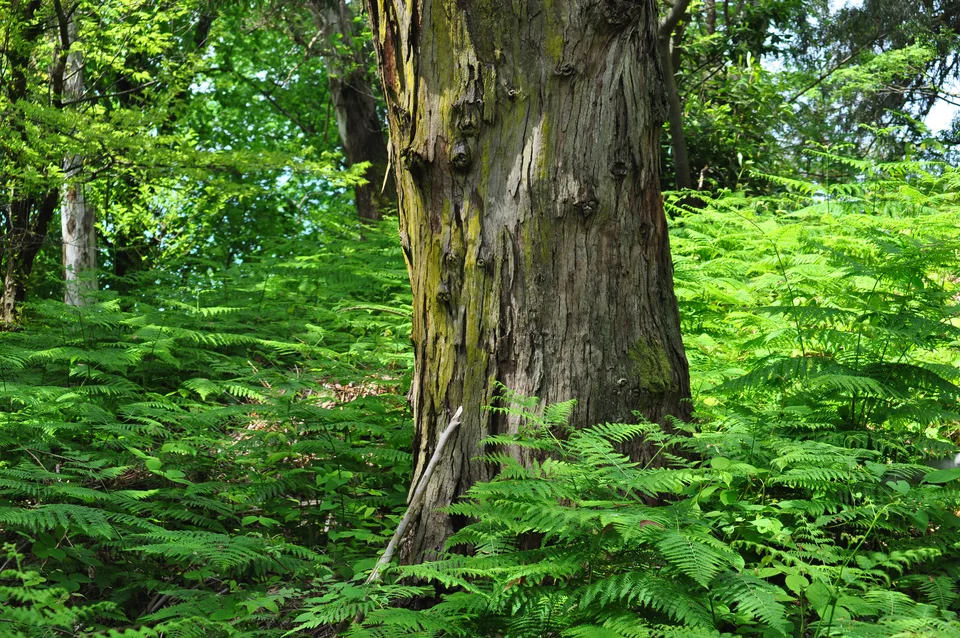
The official tourism account of Ajara’s botanical gardens distinguishes Batumi’s coastal garden from the alpine garden at Goderdzi. They are different destinations, and a booking or photograph labelled simply “botanical garden” should be checked carefully. Batumi Botanical Garden is the relevant choice for a substantial plant-focused outing from the city.
Confirm the entrance you will use, the current admission charge, opening arrangements and how you will return. The garden’s own price page was unavailable during this review, so no admission amount is presented here as verified. Ask about paths, slopes and any internal transport if mobility is a concern. Bring suitable footwear and enough time to stop, rather than treating the garden as a quick addition before a departing train. If plants are a major interest, tell a guide what you want to see so the route can reflect that interest.
Decide whether ARGO suits the weather and your budget
The ARGO cable-car operator’s FAQ lists a standard return ticket for ages 12+ at GEL 39 and operating hours of 10:00–22:00. The lower station is at 1 Bako Street. Check the current ticket category for children and any optional extras before paying. A cable-car outing is most useful when the visibility and your interest in a panorama justify the cost.
The operator says strong winds can suspend service, and its FAQ describes confirmed transactions as non-refundable and non-amendable. Read the purchase conditions before choosing an inflexible ticket. It also states that the cable car is wheelchair accessible, with lifts at the stations; confirm your particular access needs directly. Do not assume an electric scooter can travel with you, since the prohibited-items guidance includes such devices. Allow time at the top rather than treating the journey as only a quick photograph through a cabin window.
Use a museum to understand the city behind the resort
The Nobel Brothers Technological Museum is a useful choice for visitors interested in how Batumi developed beyond its holiday image. The tourism authority describes displays involving the oil industry, tea cultivation, wine, printing and other aspects of local technological history. That gives it a different purpose from another viewpoint or decorative square.
The published visitor listing gives 3A Leselidze Street, hours of 10:00–18:00 and a standard admission of GEL 6. Confirm opening days, current prices and any temporary exhibition before travelling specifically for it. Choose a museum because its subject appeals to you, and allow time to read or arrange interpretation in a language you understand. It can also provide a useful change of pace when the weather interrupts waterfront plans, although an indoor alternative still needs its own opening arrangements checked.
Consider Gonio as a separate coastal excursion
Gonio-Apsaros Fortress introduces another historical setting south of Batumi. Georgia’s national tourism authority connects it with Roman, Byzantine and Ottoman periods. The fortified site makes a worthwhile alternative for someone who wants archaeology and regional history rather than another city attraction. Religious and mythological associations should be distinguished from established archaeological evidence.
Plan the return transport as carefully as the outward journey. Confirm the specific entrance, current admission and what interpretation is available. If you also want time by the coast, leave sufficient space for it instead of promising yourself a fortress visit, a lengthy meal and several beach stops before an evening commitment. A driver’s quotation should state the waiting time and included stops. Crossing an international border is a separate journey with separate requirements; proximity to Turkey does not make it a casual extension for every traveller.
Match accommodation facilities to the season
Hotels, guesthouses and apartments serve different needs. A staffed hotel can be convenient for late arrival and luggage storage, while an apartment may offer more usable space and cooking facilities. Establish what is actually provided: reception hours, cleaning, towels, laundry, heating, cooling and the procedure for a problem outside normal hours. A building name alone does not identify the service offered by an independently managed unit.
Ask whether the quoted total includes all charges and whether access to a pool, gym or other advertised facility is included. For a wet-weather stay, space to dry clothes and comfortable indoor seating can matter. For a family, check the sleeping arrangement and balcony safety directly. Before booking a longer period, clarify cancellation and early-departure terms. A short initial stay can be a practical way to evaluate the building, neighbourhood and daily journeys before committing further.
Arrange the airport connection before departure
Batumi Airport’s bus information lists municipal bus 10 between the airport and the city centre, with a stop in front of the terminal. It publishes an indicative journey of twenty minutes and a fare of GEL 0.30. Treat the journey time as an estimate, and check the current payment method and operating period for your arrival rather than assuming a cash fare or all-night service.
The final journey to your accommodation may involve another walk or transfer. Save the address and entrance instructions offline, especially for an apartment whose reception differs from the main building lobby. For a taxi or prearranged collection, confirm the total charge, meeting point, luggage and arrangements for a delayed flight. A cheap flight is less useful if its arrival hour leaves you with an expensive or uncertain onward journey. Include the return airport trip when comparing accommodation locations.
Compare rail connections using your actual date
The Georgian Railway passenger timetable lists services between Tbilisi and Batumi. Use the official railway booking service to check your travel date, available seats, class and full fare before making an inflexible onward arrangement. Batumi Central requires its own transfer to your accommodation; do not assume that arriving by train puts you in the Old Town.
Check the passenger name and identification details carefully, and retain an offline copy of the confirmed ticket. Leave time for reaching the station and finding the correct departure. For intercity buses or a journey from another airport, compare the whole itinerary, including waiting time, luggage and the final drop-off. Some tourism pages contain old international routes and airline lists. An operator’s current booking or timetable is stronger evidence for a journey you intend to make than an undated description of how the region can be reached.
Plan local journeys from the address you will use
Walking works well for a group of central sights, but a waterfront address does not mean every destination is nearby. Put the Botanical Garden, railway station and any workplace or campus on your map before choosing accommodation. Ask the official tourist information centres for current route advice when you need a local bus connection, and establish how payment works before boarding.
With taxis, confirm the destination and pickup point rather than relying only on a building’s marketing name. If you drive, check parking access and the terms of any rental before assuming a central apartment includes a space. Prospective residents should test a likely commute in both directions at realistic times. That trial also shows whether the route still works when you have shopping, a child’s school bag or the need to get home quickly in poor weather.
Try Adjarian food without turning every meal into a checklist
Adjarian khachapuri is the boat-shaped bread filled with cheese and finished with egg and butter that many visitors associate with Batumi. It is a substantial dish, so ask about portion size before ordering several other courses. Stories explaining its shape are part of its cultural presentation; they need not be treated as a proven account of its invention.
The regional gastronomy guide also makes clear that Adjara’s coastal and highland traditions vary. Use that as a reason to ask what is particular to a menu, rather than assuming every Georgian restaurant offers the same experience. Explain allergies and dietary needs precisely, especially concerning dairy, eggs and nuts. Compare prices, service charges and payment options before ordering. For everyday budgeting, balance occasional destination meals with the practical choices near your accommodation, including a place where breakfast fits your departure time.
Budget in lari and compare the full cost
Separate accommodation, intercity travel, local transport, food and paid attractions in your budget. Prices in this guide are published amounts checked during research, not promises that a future ticket or menu will cost the same. A waterfront holiday apartment and a longer residential rental also need different comparisons: cleaning, utilities, deposits and the duration of the contract can change the apparent bargain.
Keep some accessible money for transport and small purchases while confirming card acceptance where you intend to spend. When shopping for wine, food or craft items, check the quantity, origin and packaging rather than buying only because a display looks traditional. If taking purchases abroad, verify the destination’s import and airline baggage rules. You can enjoy Batumi’s public spaces without buying every attraction ticket; prioritising a garden, museum or cable-car visit that genuinely interests you usually produces a better day than an indiscriminate pass through them all.
Choose a season with indoor and outdoor plans
The regional tourism authority describes a humid subtropical coast, distinct from the mountain climate inland. Warm-season waterfront plans therefore still need room for rain and changing conditions. If swimming is central to the trip, assess the weather and local safety advice on the day, use supervised areas where available and follow any restrictions. A calm view from a balcony does not establish safe conditions in the water.
For a city break focused on walking and food, consider dates outside the busiest summer period, while checking the opening arrangements of specific businesses. In cooler months, confirm effective heating rather than relying on a description of generally mild weather. For a longer stay, inspect the apartment after rain if possible and ask about ventilation and moisture. The city’s attractive greenery and a comfortable indoor home are related planning questions in a humid coastal setting.
A three-day visit with room to change direction
Use the first day for the Old Town: Europe Square, the clock and Piazza, followed by a manageable Boulevard walk. Leave time for a meal and for learning the route back to your accommodation. The waterfront sculpture can be included if you still want to continue, without promising a particular operating cycle or display.
Give the second day to the Botanical Garden, adjusting the route to weather, access and your interest in plants. Keep the evening simple. On the third day, choose Gonio if history appeals, or combine the technological museum with ARGO if conditions suit a viewpoint. You do not need to include both alternatives. This is a suggested allocation, not a claim that each site opens every day or that every connection is direct. Protect departure day with enough margin for luggage collection and the trip to the airport or station.
Investigate a home beyond the holiday photographs
Before renting for several months, inspect the actual unit and establish who is authorised to let it. The National Agency of Public Registry’s real estate services provide a starting point for checking property records; independent advice may be appropriate before a substantial payment. Put the agreed rent, deposit, included bills, repair responsibilities, notice and refund conditions in writing.
Ask whether the agreement covers the whole period you need, including summer, and whether the price or occupancy terms change. Check internet performance in the apartment, heating, hot water, ventilation, lifts and practical storage. Record the condition and meter readings at handover. Test the walk to groceries, pharmacy and transport, not just the sea. For households, establish school availability, teaching language and childcare before treating a promising apartment as a complete relocation plan. An inexpensive room cannot compensate for an unworkable daily routine.
Treat entry, insurance and work permission as separate questions
Use Georgia’s official consular guidance to check entry conditions for your nationality and passport. Eligible travellers who need a short-stay visa can use the official e-visa portal. Since January 2026, tourists generally need health and accident insurance of at least GEL 30,000, covering the whole stay including arrival and departure dates. The consular guidance specifies English or Georgian documentation, available physically or electronically, and lists limited exemptions.
Permission to visit does not settle employment or self-employment. The current labour migration law contains right-to-work and related immigration requirements, with exceptions and transitional provisions that should be checked for the individual situation. Do not assume that remote work, a business registration or a long visa-free stay removes those questions. Consult the relevant authorities before starting activity, and compare appropriate profiles in VisaWand’s consultant directory if you need help assessing the process.
Prepare services and compare the alternatives
For residence, start with the Public Service Development Agency’s permit information. For study, ask Batumi Shota Rustaveli State University’s international relations service about the current course, teaching language and admission requirements. Confirm schooling and health arrangements before signing a long lease. The official health advice for Georgia lists 112 for an ambulance and recommends checking access to needed treatment and suitable insurance. Medicine import rules also deserve attention before travelling with a long supply.
Compare the Kobuleti city page for another coastal location, and the Tbilisi and Kutaisi city pages for different urban bases. VisaWand’s Georgia destination page and city directory help organise that comparison. Check current safety and local-law advice before travelling. Choose Batumi for the daily life or visit you actually want, with workable transport, suitable accommodation and the right permissions supporting it.
Official planning resources
Reviewed 17 October 2026. Use the official resources linked throughout this guide for admission, transport, housing and immigration decisions. Prices, services and rules can change; confirm the details relevant to your dates. Photography illustrates the locations and is not a live view.
View all official resources
- Visit Ajara: Batumi
- Batumi Boulevard: official history
- Visit Ajara: Europe Square
- Visit Ajara: Astronomical Clock
- Visit Ajara: Piazza
- Visit Ajara: Ali and Nino sculpture
- Visit Batumi: botanical gardens of Ajara
- ARGO: official prices, access and weather conditions
- Visit Ajara: Nobel Brothers Technological Museum
- Georgia Travel: Gonio-Apsaros Fortress
- Batumi Airport: airport bus
- Georgian Railway: passenger timetable
- Georgian Railway: official ticket booking
- Visit Ajara: tourist information centres
- Georgia Travel: regional khachapuri
- Visit Ajara: regional gastronomy
- Visit Ajara: weather and practical information
- National Agency of Public Registry: real estate registry
- Georgia MFA: entry, insurance and visa information
- Georgia MFA: official short-stay e-visa portal
- Legislative Herald of Georgia: current labour migration law
- Public Service Development Agency: residence permits
- Batumi Shota Rustaveli State University: international relations contacts
- UK FCDO: healthcare and medicines in Georgia
- UK FCDO: safety, local laws and transport
Plan the next part of your journey
Explore the Georgia guide, browse other cities or compare consultants for your travel and relocation questions.