Visa
A capital best explored in separate chapters
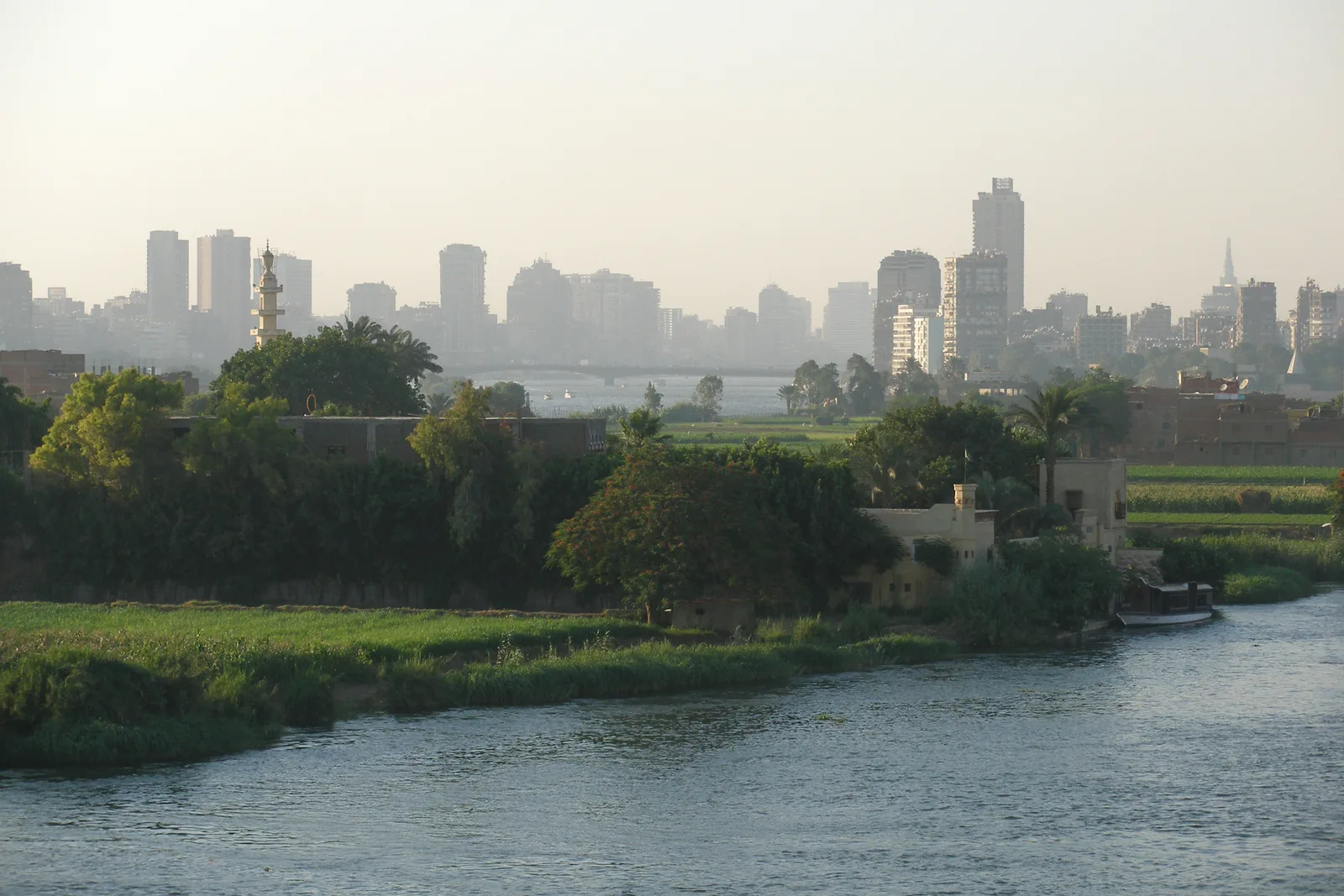
Cairo rewards curiosity, but it also rewards a workable plan. A morning among medieval courtyards, an afternoon looking at ancient sculpture and an evening beside the Nile reveal different cities sharing the same address. Trying to compress them into a single sightseeing circuit usually makes the journey more memorable than the places themselves.
Start with the geography. Cairo is Egypt’s capital, on the Nile; Greater Cairo extends across a much wider metropolitan area. The Giza pyramids and Grand Egyptian Museum are in Giza, across the river from central Cairo. A hotel advertised for “Cairo and the pyramids” therefore needs an actual map check, rather than an assumption that everything is nearby.
Come for the archaeological collections, historic streets and living urban culture. Consider a longer stay for a specific job, university or family connection, with commuting and accommodation assessed separately. VisaWand’s Egypt country guide covers the national context; its Egypt location directory helps identify other destinations without implying that every listed place already has a completed guide.
History visible in the street
The city’s story did not begin with the pyramids. UNESCO’s Historic Cairo account traces successive settlements including Fustat and Al-Qatai before the Fatimid foundation of Cairo in 969. Later rulers added mosques, schools, markets and fortifications to a city whose religious heritage includes Islamic, Christian and Jewish sites. Historic Cairo entered the World Heritage List in 1979.
That history is not confined to isolated monuments. An ordinary walk can move between monumental stone gateways, workshops and residential streets. Give the surroundings attention as well as the building named on your ticket, while remembering that people work and live here.
Downtown offers another chapter: nineteenth-century urban expansion and the early twentieth-century Egyptian Museum. The contrast with older quarters makes a useful two-day introduction. It also explains why a visitor seeking archaeological galleries, someone interested in architecture and a resident choosing a school commute might prefer quite different bases.
Choose a neighbourhood around your priorities
The official Cairo and Giza overview introduces the wider metropolis. Downtown suits travellers who want the Egyptian Museum and central streets within their daily plans. Garden City is worth comparing for a Nile-side hotel base near the centre; check the precise property entrance and access rather than choosing by neighbourhood name alone.
Zamalek occupies an island in the Nile. It is an appealing alternative if your itinerary includes time beside the river, although crossing a bridge still matters when calculating journeys. A river view and a convenient route to your next appointment are separate advantages.
Maadi is a residential option to investigate for a longer stay, particularly around an identified workplace or school. Heliopolis makes sense to compare when your appointments are in the northeastern part of the metropolis. Neither should automatically become the base for every pyramid and old-city outing.
Make a shortlist using three addresses: where you sleep, where you must go most often and the transport connection between them. For a short visit, give sightseeing the greatest weight. For relocation, let the ordinary weekday win.
Three museums with different purposes
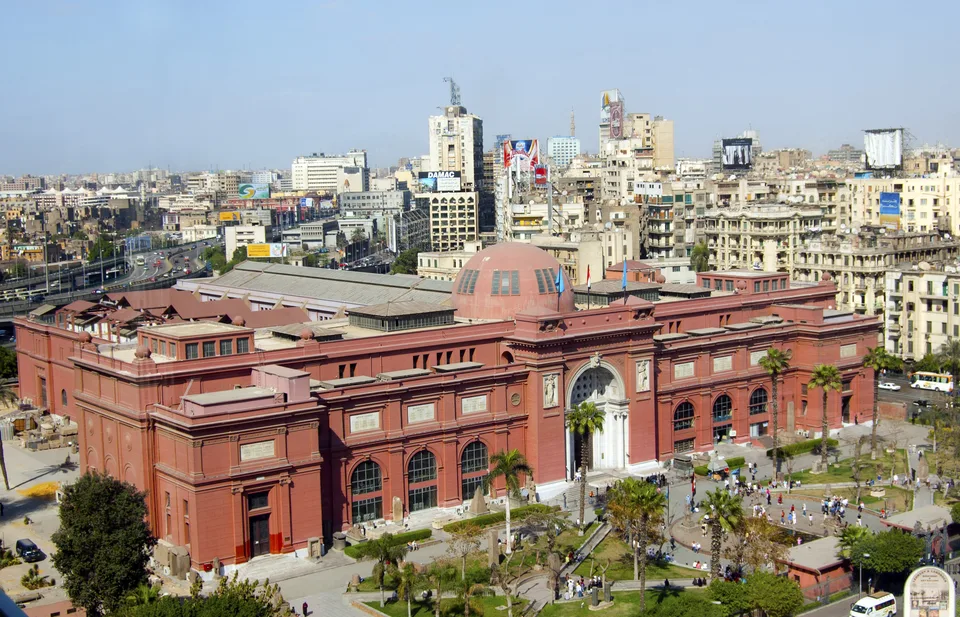
Avoid booking a generic “Egyptian museum” excursion without checking which institution it means. The Egyptian Museum at Tahrir, the National Museum of Egyptian Civilization in Fustat and the Grand Egyptian Museum in Giza are distinct museums, requiring separate journeys and admission arrangements.
The Ministry’s Egyptian Museum visitor page lists normal daily opening from 9am to 5pm, with the ticket window closing at 4pm. Its listed foreign admission is EGP550 for adults and EGP275 for students. The shorter Ramadan timetable is separate; it should not be mistaken for the normal year-round schedule.
The 1902 building is itself part of the visit. The Ministry describes collections including the Narmer Palette, royal statues and material from different periods of ancient Egypt. Allow time to follow a theme instead of expecting to absorb every display. Check current collection information before promising yourself a particular object: museum transfers make older guidebooks unreliable, especially concerning Tutankhamun and the royal mummies.
Plan the Grand Egyptian Museum deliberately
Use the official Grand Egyptian Museum ticket portal for its current admission products and conditions. The museum’s visitor planning page places it at El Remayah Square on the Cairo–Alexandria Desert Road. Its metro information still says details are forthcoming; a planned railway connection is not evidence of an operating museum service.
The current ticket information includes the Tutankhamun Galleries, Main Galleries, Grand Hall, Grand Stairs and Khufu Boats Museum. Ordinary gallery hours are 9am–6pm; Wednesday and Saturday extend to 9pm. The complex opens earlier, and final entry is one hour before gallery closing. Read the date and time selected on your booking.
Tickets have single-entry and refund conditions, so arrange the outing before paying. Photography rules also matter: personal photography has designated exceptions in Tutankhamun areas, while flash, tripods, selfie sticks and drones are restricted. Follow the displayed instructions for the gallery you enter. Give this visit a generous block of time, rather than treating it as a brief stop between the pyramids and a flight.
Fustat, the royal mummies and Coptic Cairo
NMEC’s visit planner gives its address on El-Fustat Road at Ain El-Sira and identifies Mar Gerges as the closest metro station. Closest does not mean a station entrance inside the museum: establish the final connection before setting off, especially in heat or with limited mobility.
The museum combines a wider account of Egyptian civilization with its Royal Mummies Gallery. The operator lists 9am–5pm daily, with last admission at 4pm, plus a Friday evening session from 6pm to 9pm with last admission at 8pm. Verify the selected session and ticket category when booking.
Coptic Cairo is a different experience nearby in the southern historic area, with the Hanging Church, the Coptic Museum and the remains of Babylon’s fortress among its notable places. Pairing it with NMEC makes geographical sense, but leave enough time for each. Churches remain religious places: respect services, access instructions and requests concerning photography rather than treating every interior as an unrestricted attraction.
Medieval streets, markets and Ibn Tulun
Explore Historic Cairo along Al-Muizz Street between Bab al-Futuh and Bab Zuweila, with Khan al-Khalili close to the historic shopping circuit. Start with a defined stretch, then explore at walking pace. Monument interiors may have their own tickets and opening arrangements; an accessible street does not guarantee every building is open.
Khan al-Khalili is useful for comparing crafts and souvenirs, not just taking photographs. Ask what an item is made from, whether a quoted price is for one piece or a set, and how anything fragile will be packed. A purchase deserves the same scrutiny here as elsewhere.
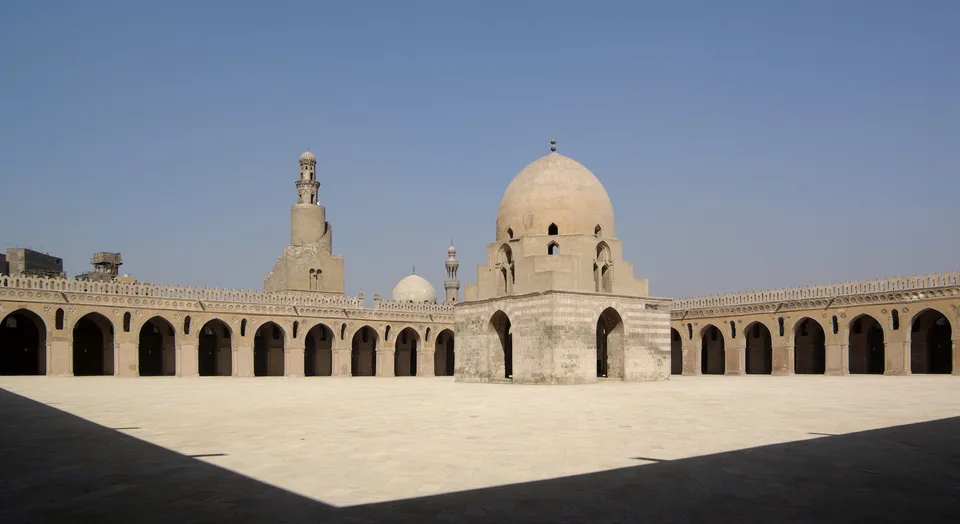
Ibn Tulun Mosque offers a contrasting architectural stop, with its courtyard and distinctive minaret. Choose it because you want to spend time with the building, rather than to add another name to a checklist. Comfortable footwear helps on a walking day, while appropriate clothing and attention to worshippers make visiting religious buildings more considerate.
Give the Giza plateau its own outing
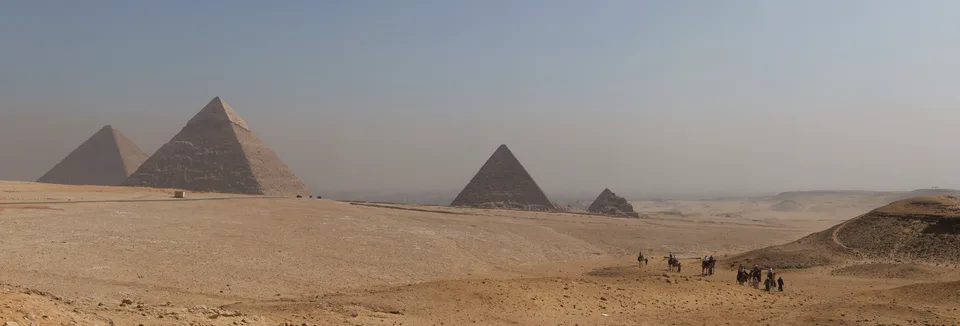
The Ministry’s Giza plateau information distinguishes the main archaeological site from extra admission to individual pyramid interiors and other tombs. A plateau ticket should not be interpreted as access to every interior. Check which monuments are operating and what the chosen product includes before buying.
The pyramids of Khufu, Khafre and Menkaure, together with the Sphinx, warrant a dedicated excursion. Plan around outdoor exposure, transport and your own interest in entering enclosed spaces. A visitor who wants the overall landscape may need a different booking from someone determined to enter a specific pyramid.
Arrange the return journey as carefully as the outward one. If combining Giza with the Grand Egyptian Museum, accept that it becomes a substantial day and choose a manageable scope at each. Families, photographers and travellers who enjoy reading every label may find two separate outings more satisfying. A pyramid-view room can be an accommodation priority, but it does not remove the need to verify road access and official entrances.
Accommodation: location before the room photograph
Cairo offers large international hotels as well as smaller properties and apartment accommodation. Compare the full booking conditions: taxes, breakfast, cancellation, airport collection and the number of people permitted in the room. An inexpensive headline rate becomes less useful when every necessary service is an extra charge.
For a named central luxury example, Four Seasons Cairo at Nile Plaza lists its address at 1089 Corniche El Nil in Garden City. That is a precise location to compare against your plans, not an endorsement or evidence that its rooms fit every budget. Request a live quotation for your dates.
For an apartment, ask about the kitchen, washing facilities, lift, reception arrangements and who handles repairs. Check whether the advertised view belongs to your actual unit. If arriving late, obtain written access instructions and a contact who can resolve a problem. For an extended stay, a short initial booking provides time to inspect the area before committing to a lengthy contract.
Arriving and getting away from the airport
Cairo International Airport’s ground-transport information lists taxis and limousine services, car rental and public buses. It places the bus station in the Terminal 1 parking area. Establish how that relates to your arrival terminal and luggage before choosing it; a bus listing alone does not establish a convenient direct route to your hotel.
For a prearranged transfer, confirm the terminal, meeting point, passenger count and baggage allowance. Request the total price and clarify how waiting time is handled if your flight is delayed. Save the hotel address in an easily shareable format.
Allow a flexible road-transfer window. A fixed journey time is a poor basis for a connecting flight or timed museum entry when the relevant addresses and traffic conditions are unknown. The airport’s official access page does not establish a direct passenger metro connection to the terminals. Use an actual available service rather than a route drawn from a future transport project.
Metro journeys and the final kilometre
Mobility Cairo’s ticket guide lists regular single-trip metro fares of EGP10 for up to nine stations, EGP12 for up to sixteen, EGP15 for up to twenty-three and EGP20 for up to thirty-nine. Cairo Governorate’s metro ticket information shows the same tiers. Select the correct fare for the whole journey, including an interchange where relevant.
For repeated commuting, the operator’s public monthly subscription starts at EGP390 for sixty trips. It is not an unlimited travel pass. Compare the permitted route and trips with your actual working pattern before choosing it. Capital Train products appear separately; do not assume a metro ticket automatically covers that service.
Walking connections matter as much as rail coverage. Check the station exit and the last stretch to your destination, particularly if travelling with a pushchair or mobility aid. Use a car journey where the final connection is impractical, and agree the destination and payment method clearly. For a holiday, budget for those occasional longer transfers alongside cheap metro trips.
Keep a written destination address available if your phone loses connectivity. When arranging a pickup, specify the actual entrance and a recognizable meeting point rather than the attraction’s broad name. This is particularly useful for a group: agree who holds the booking and how everyone will reconnect if separated during a busy visit.
Food, shopping and a useful budget
Egypt’s official gastronomy overview introduces everyday dishes such as ful medames, made with fava beans, and taameya, the Egyptian fava-bean version of falafel. Koshary combines rice, pasta, lentils and chickpeas with tomato sauce and onions. These are useful starting points for exploring local food without relying on an invented list of “hidden” restaurants.
Menus and preparation vary. Ask about ingredients if you have dietary restrictions, rather than assuming a dish name guarantees suitability. A café break can also give a walking day a practical pause without turning every meal into another cross-city journey.
Build a budget from accommodation, entry tickets, transport, meals and purchases separately. Four EGP20 metro trips cost EGP80; one foreign adult Egyptian Museum ticket is EGP550 at the published rate. Neither figure covers your airport car, other museums or shopping. Keep an allowance for those larger items, and check card acceptance before ordering or committing to a purchase. Recalculate in your own currency using a current exchange rate.
Seasons and the pace of a visit
The national tourism geography guide describes the Nile Valley as having milder winter conditions from November to April and hot, dry summers from May to October. These broad seasons help with planning, but they are not a forecast for the days you will be outside.
In warmer conditions, place substantial outdoor walking early in the day and leave indoor museums for another block. Carry what you need for the outing and allow breaks; attempting the same schedule at every temperature is rarely productive. A winter visit can make longer walks more comfortable, while accommodation prices still depend on your dates and the particular property.
Religious holidays and Ramadan can affect attraction hours and the rhythm of meals and appointments. Read the museum’s dated notice rather than applying a single timetable to every institution. For a working or family visit, confirm the availability of the specific office, school or service you need. Pleasant sightseeing weather does not guarantee that an administrative appointment will be available.
A realistic four-day introduction
Day one: settle into your accommodation, visit the Egyptian Museum at Tahrir and leave room for a short Downtown walk. Keep arrival-day ambitions modest if your flight lands late or you have not slept well.
Day two: devote the main outing to the Giza plateau. Choose any extra interior ticket deliberately, then return without another major museum deadline. This also leaves flexibility if the outdoor visit takes longer than expected.
Day three: visit the Grand Egyptian Museum. Reserve the appropriate date and time, organize the transfer and let the galleries provide the day’s focus. An evening meal near your accommodation avoids adding unnecessary travel afterwards.
Day four: choose either a historic Cairo walking circuit with Ibn Tulun or a southern itinerary combining Coptic Cairo and NMEC. Doing both is an option only if you reduce the depth of each visit. With a fifth day, separate them instead. The itinerary is a suggested allocation of time, not a promise that every site will operate normally on your chosen date.
Moving: test an ordinary working week
A relocation decision begins with the location of your employer, university or children’s school. Inspect the proposed commute at the time you would actually travel, including the return journey. Ask how often you must attend in person before paying more for proximity you rarely use, or accepting a long journey you must make every day.
Inspect housing in person where possible. Record the condition of air conditioning, water pressure, sockets, locks, appliances and furniture. Clarify who pays the building charges and bills, how the deposit is returned, what notice is required and who is authorized to sign the lease. Obtain help with language and contract interpretation when needed.
A resident’s budget should include rent, utilities, internet, transport, healthcare arrangements and any school costs. Establish how you will obtain routine medical care and whether an insurance policy covers the services you expect to use. A hotel room’s conveniences can conceal the maintenance and administrative work that becomes yours in a private apartment.
Utilities, connectivity and household arrangements
Before signing for a home, identify the electricity meter and establish how bills or prepaid credit are handled. Ask to see recent accounts and clarify any existing balance. The Egyptian Electricity Holding Company’s consumer information provides a starting point for official service and complaint channels; it does not establish the condition of a particular flat.
For internet, Telecom Egypt’s landline application information makes technical availability relevant. Confirm service at the exact address and ask what documents apply to your circumstances, rather than assuming an advertisement means immediate installation. Test connectivity in the room where you expect to work.
List the practical services within a reasonable journey: groceries, pharmacy, laundry if needed and any regular childcare or medical appointments. Check access when carrying shopping and using the lift. For a family, discuss sleeping arrangements, building entrances and daily transport together. A home that looks spacious in photographs may still be a poor fit if its ordinary routines demand constant car journeys.
Tourism, work and study require different planning
The official Egypt eVisa FAQ currently lists tourism fees of US$30 for single entry and US$65 for multiple entries. Eligibility depends on the nationality list and applicable rules. It requires a passport valid for at least six months from arrival, an eVisa printout, an itinerary and relevant supporting accommodation information. The portal advises applying at least seven days before departure; approval and admission are not guaranteed.
A tourism visa is not a substitute for work authorization, university admission or a residence arrangement. Egypt’s labour ministry employment services provide the employer-side starting point for recruiting foreign workers. The Interior Ministry’s passport and residence services cover immigration administration; confirm the category appropriate to your intended stay with the responsible authority.
For study, use the government’s Study in Egypt portal and the chosen institution’s requirements. Acceptance, funding and immigration steps need to be considered separately. VisaWand’s Egypt destination information and consultant listings can help organize questions, while official authorities determine eligibility. Do not interpret renting a home or making repeated tourist entries as permanent residence.
Nearby places and alternatives
Giza is already a major nearby destination within this itinerary, rather than a neighbourhood to squeeze into a spare hour. For an archaeological extension, investigate additional sites through the Ministry’s monument directory and confirm access and transport before adding them. Depth often makes a better visit than a longer list.
Use VisaWand’s Egypt location directory to compare onward places, checking the individual page’s actual content. Travellers combining Egypt with another regional stop can also compare the completed Riyadh city guide and Dubai city guide; their transport, entry rules and urban character should be assessed independently.
For Cairo itself, the strongest decision is often the simplest: choose a base that fits your main purpose, give each major area sufficient time and keep the ordinary journeys visible in your plan. That approach serves a first holiday well and gives a prospective resident a more useful impression than a rushed sequence of landmarks.
Official planning resources
Reviewed 14 October 2026. Use the official resources linked throughout this guide for admission, transport, housing and immigration decisions. Prices, services and rules can change; confirm the details relevant to your dates. Photography illustrates the locations and is not a live view.
View all official resources
- UNESCO Historic Cairo World Heritage account
- Egyptian Tourism Authority Cairo and Giza visitor overview
- Ministry Egyptian Museum normal hours, Ramadan hours, collections and admission
- Grand Egyptian Museum official tickets, gallery hours and visitor conditions
- Grand Egyptian Museum address, road access and metro status
- National Museum of Egyptian Civilization hours, address and closest metro station
- NMEC Royal Mummies Gallery information
- UNESCO Historic Cairo account
- Ministry Ahmad Ibn Tulun Mosque architecture and history
- Ministry Giza plateau and separate interior admission information
- Hotel operator Nile Plaza address in Garden City
- Airport operator taxis, limousines, car hire and Terminal1 bus station
- Line3 and Capital Train operator current ticket products, fares and trip limits
- Cairo Governorate metro fare tiers
- Egyptian Tourism Authority culture and Egyptian food information
- Egyptian Tourism Authority geography and broad climate seasons
- Electricity Holding Company consumer rights and service information
- Telecom Egypt new landline availability and document requirements
- Interior Ministry tourism eVisa nationality eligibility, current fees and arrival documents
- Official Egypt eVisa application timing and process
- Egypt labour ministry employer services including foreign worker recruitment authorization
- Interior Ministry passport, immigration and foreign residence services
- Government Study in Egypt university and admissions information
- Ministry of Tourism and Antiquities archaeological-site directory
Plan the next part of your journey
Explore the Egypt guide, browse other cities or compare consultants for your travel and relocation questions.