Visa
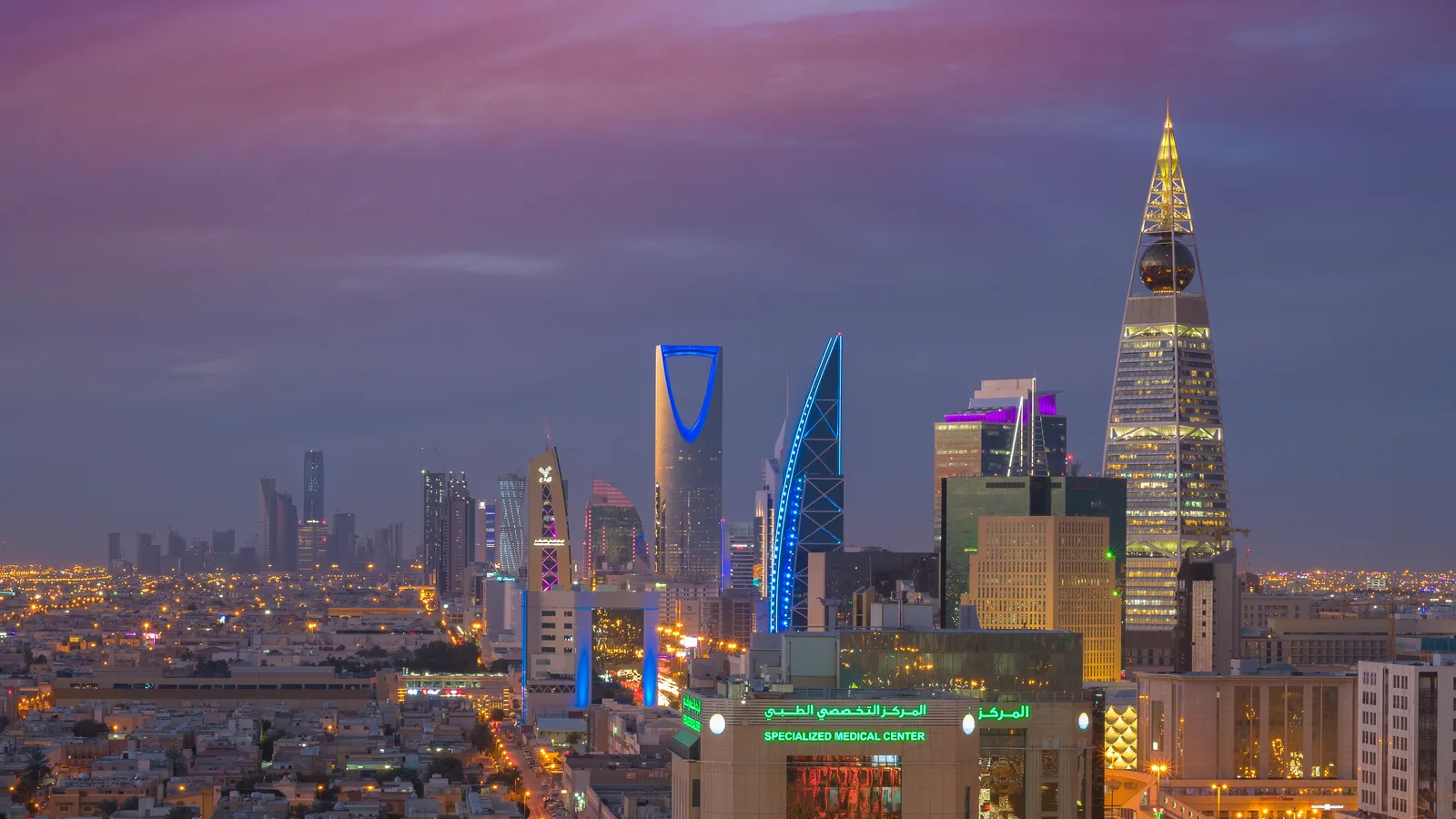
Riyadh at a glance
Riyadh rewards a visitor who chooses a few substantial experiences and gives each room to breathe. The National Museum explains a much larger story than the capital alone; Al Masmak brings the founding of modern Saudi Arabia into a particular building; the towers of Olaya and KAFD show a different scale of ambition. Nearby Diriyah adds an earlier chapter, with earthen architecture beside the oasis landscape.
This is Saudi Arabia’s inland capital, in the central Najd region. A three-day introduction works best when organised by area, with indoor visits providing a practical counterweight to the heat. Someone evaluating a move should also reserve ordinary weekdays for commuting, apartment viewings and service enquiries.
Use the Saudi Arabia country guide for national context and Saudi Arabia destination information for entry planning. The Saudi Arabia location directory identifies other destinations; consultant listings can help assess a specific application. The official Riyadh visitor overview provides another starting point for current experiences. A holiday itinerary and a decision to establish a household here require different preparations.
Reading the city’s history
Riyadh’s older landmarks make more sense when their dates are kept distinct. Al Masmak is associated with King Abdulaziz’s recapture of Riyadh in 1902, an early step in the process that led to the proclamation of the Kingdom of Saudi Arabia in 1932. The Saudi Press Agency’s historical account explains that connection. The fortress is a tangible starting point for understanding events that otherwise remain abstract.
Diriyah, north-west of Riyadh, belongs to an earlier political landscape. UNESCO’s At-Turaif account describes the palaces and urban ensemble of the first capital of the Saudi dynasty, built around the Diriyah oasis. Its World Heritage designation concerns that defined property, rather than the whole contemporary capital.
Put the National Museum early in your visit for context, while later skyline visits reveal how much the city’s form has changed.
Choosing areas for your visit
Olaya is a useful area to investigate for a first stay because it puts the Kingdom Centre and Al Faisaliah landmarks within the same general commercial corridor. Compare actual hotel entrances, nearby stations and your evening destinations. A hotel’s claim to be central does not establish an easy walk across every intervening road.
Al Murabba is the setting for the National Museum and King Abdulaziz Historical Center. The older Al Masmak and Souq Al Zal area forms another heritage cluster. Group these southern sightseeing priorities into a day rather than repeatedly crossing the city from a northern base.
KAFD, the King Abdullah Financial District, offers a contemporary district of workplaces, residences, restaurants and shops. It suits an architecture-and-dining visit or a stay aligned with a particular office. The district’s own visitor information helps you identify entrances and destinations.
The Diplomatic Quarter lies west of the city beside Wadi Hanifa. The commission’s neighbourhood account describes Al-Kindi Plaza, pedestrian routes and cafés alongside diplomatic and residential functions. Public leisure areas do not imply access to embassies. For a longer stay, compare these areas through your actual workplace and household needs, not their reputation alone.
Accommodation: choose the address before the room
An overnight stop, an event weekend and a month spent searching for housing should not produce the same accommodation shortlist.
For concrete options, Four Seasons at Kingdom Centre provides a luxury hotel address inside the landmark complex. Centro Olaya offers rooms and studios in the Olaya district. Its operator says airport pickup can be arranged for an additional charge and that it does not operate an airport shuttle. These are examples to compare through their own terms, rather than personal endorsements.
For families or a longer visit, the Marriott kitchen-accommodation directory identifies options with cooking facilities. Confirm the facilities of the room you book, housekeeping, laundry, occupancy and cancellation terms. A studio label alone does not guarantee a full kitchen.
Ask about facilities that affect your stay: step-free entry, bathroom access, connecting rooms and who may use a pool or gym. Centro Olaya’s published pool rules specify men-only use. Obtain the full room total for your dates, including taxes and breakfast, before comparing prices.
Arriving at King Khalid International Airport
King Khalid International Airport uses the code RUH. Keep your airline’s current terminal information alongside the airport’s flight details: the airport completed a major terminal transition in February 2026. Its announcement allocated Terminals 1 and 2 to national carriers’ international flights, Terminals 3 and 4 to their domestic flights, and Terminal 5 to foreign carriers’ international flights. Older descriptions can therefore send a traveller to the wrong building.
The airport’s metro information identifies Yellow Line 4 connections serving the terminal groups. Follow the signs for your terminal’s station and plan the onward connection to your hotel. An airport rail journey still needs a workable final leg, particularly with luggage or after a long flight.
The official taxi and ride-hailing directory provides terminal pickup instructions. Use the designated meeting point and confirm the destination pin and fare arrangement. For late arrivals, establish the current rail schedule before relying on it; keep a road-transfer option. There is no dependable single airport-to-hotel journey time for every address and traffic condition.
Moving around: passes, routes and the last kilometre
The airport operator’s current fare page lists regular metro-and-bus passes at SAR 4 for two hours, SAR 20 for three days, SAR 40 for seven days and SAR 140 for thirty days. First class is a separate product. Choose a pass around the journeys you will actually make rather than the number of calendar days you spend in Riyadh.
Tickets can be obtained through the darb app or a physical card, with contactless payment options also described by the airport. Follow the instructions for the chosen product, including activation and validity. Save your hotel location and the appropriate station entrance before leaving reliable internet access.
For each outing, compare the complete journey: station access, transfers, walking conditions and the return. A metro connection can be convenient while the final walk is unsuitable for the temperature or a traveller’s mobility. Combine rail with a short road transfer when that solves the actual problem.
For a relocation visit, test the commute at the hour you would use it. Record the journey to the building entrance, including parking or the final walk, rather than stopping the calculation at a station.
Give the National Museum enough time
The Saudi National Museum in Al Murabba provides a substantial introduction to the land, history and culture of Saudi Arabia. Its eight main exhibition halls make it a more useful opening visit than a hurried stop between appointments. Choose the themes that interest you and allow time to read the interpretation.
The museum’s visitor page lists free admission. Its normal schedule is Monday, Tuesday, Wednesday and Saturday, 9am–7pm; Thursday, 9am–10pm; Friday, 2pm–10pm. Sunday is closed, and new visitors are not admitted during the final hour. Ramadan, holidays and exceptional occasions can change these arrangements.
Food belongs in designated areas and nearby gardens rather than the galleries. Personal photography is permitted without flash under the published visitor rules. The operator describes elevators, seating and accessible toilets; contact the museum about a specific access need instead of assuming every exhibit will be equally comfortable.
This makes a strong morning anchor. Afterwards, leave space for lunch and another heritage visit.
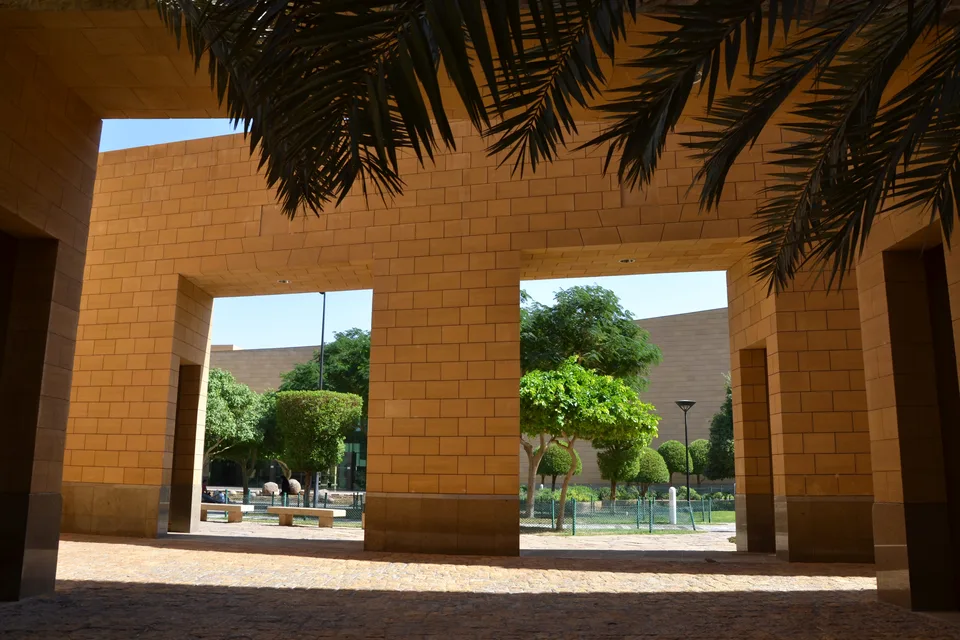
Al Masmak and the traditional market
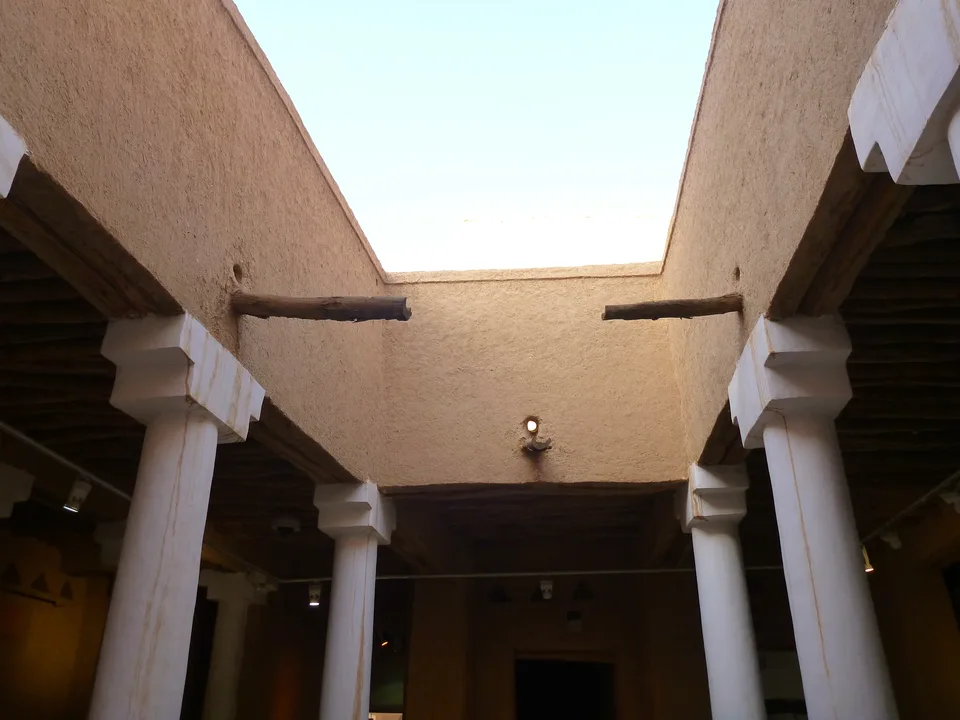
Al Masmak’s thick earthen walls and internal courtyards offer a close view of a fortified building rather than the distant view supplied by a skyline photograph. The official Saudi encyclopedia describes its relationship to the 1902 events and its later museum role. Look at the architecture as well as the historical interpretation: the material and enclosed spaces are part of the experience.
Confirm current interior visiting arrangements before placing it in a fixed schedule. Published historical summaries are useful for context but cannot establish today’s opening hours. If an interior visit is unavailable, adjust the day around the National Museum and the surrounding heritage area.
Souq Al Zal is identified by Visit Saudi as a traditional market. Browse with a clear idea of what you want to buy and ask about materials, provenance and the final price. A market setting does not certify an object as antique or handmade. Request permission before taking photographs that focus on people, and leave room in your luggage for purchases you can legally take home.
Skyline views and a contemporary district
Kingdom Centre’s Sky Bridge is a distinctive option for seeing the capital from above. The owner’s Sky Bridge information describes the elevated viewing structure and elevator access. Confirm current opening and ticket arrangements through the operator before travelling; differing online prices should not be treated as a reliable quotation.
Dust, haze and weather can affect the view. If an observation visit is unsuitable, the landmark’s exterior and associated shopping offer another way to include it in an Olaya outing.
KAFD supplies a different architectural experience at street level. Use its dining directory to select a venue and build a short district visit around it. This avoids arriving hungry without knowing which entrance or restaurant you need. A financial district contains working buildings as well as visitor spaces, so follow access signs. Combine this with a nearby priority rather than adding it as an obligatory extra after an already full heritage day.
Diriyah deserves its own outing
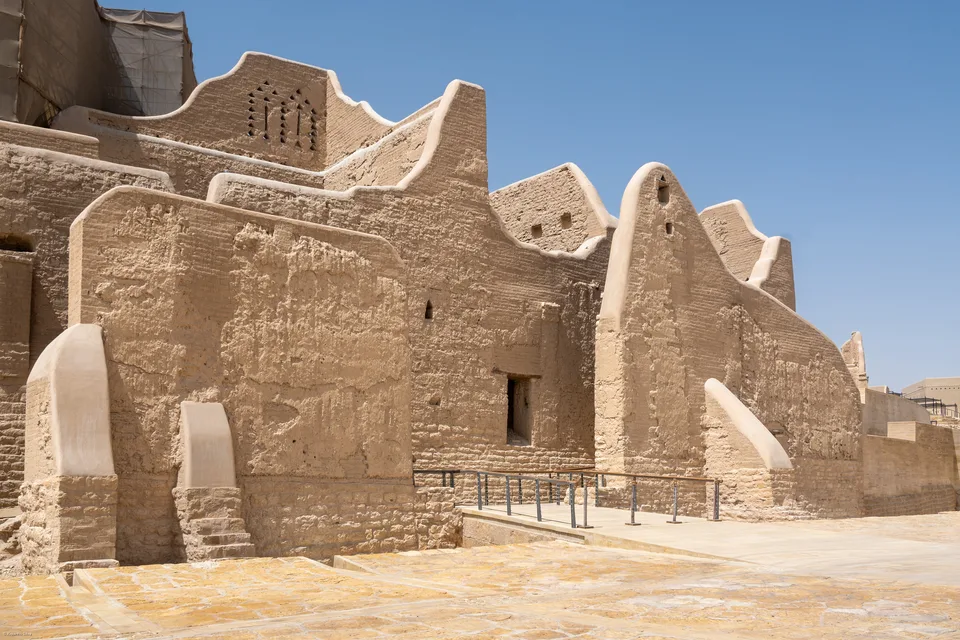
At-Turaif in Diriyah is worth a separate block of time for its Najdi architecture and the earlier Saudi history it represents. The earthen palaces, walls and geometric details create an experience quite different from Riyadh’s towers. Treat the heritage property and the dining precinct as related choices with their own access arrangements.
The current Diriyah planning page lists At-Turaif visits from 5pm to midnight, with last entry at 11pm. Confirm the date and slot offered through the operator when arranging your visit. Older ticket pages display different hours, so avoid building a morning itinerary around an unconfirmed opening.
The same planning page advertised complimentary Bujairi Terrace access from 1 May to 30 September 2026. That dated offer does not establish free entry for an October visit or a future trip. Use the official access channel for your dates and distinguish precinct admission from a restaurant booking or any dining credit.
Allow time for the return journey, especially if staying across Riyadh. The operator publishes road-diversion notices: follow the current route for the chosen entrance rather than an old saved approach. An evening heritage visit followed by dinner is realistic; combining it with multiple distant evening events is less forgiving.
Food, coffee and evening plans
Kabsa and Saudi coffee provide useful starting points for exploring Saudi flavours. Visit Saudi’s culinary account discusses spices including cardamom in qahwa. Ask a restaurant what accompanies a dish, how many people a portion serves and whether ingredients meet your dietary needs. An unfamiliar menu is easier to navigate with a specific question than an assumption based on a dish’s name.
Riyadh also offers international dining, including the restaurants listed in KAFD’s operator directory. Compare menus and reservations directly. For a longer stay, spend an ordinary evening near the accommodation you are considering: a favourite destination restaurant does not answer where you will buy groceries or eat after work.
For entertainment, the Riyadh Season programme and the Saudi tourism calendar are useful discovery tools. Match an event to its displayed date, venue and ticket conditions. Listings from an earlier season can remain online. Boulevard City and other entertainment destinations should be planned around the experience you want, with separate budgets for admission, activities, food and the journey home.
Building a practical budget
Separate the fixed choices from flexible spending. The National Museum’s listed free admission can anchor a lower-cost heritage day, while observation visits, organised excursions and destination restaurants need their own current quotations.
For scale, a regular three-day transport pass is SAR 20. Two separately required two-hour regular passes would add SAR 8, making SAR 28 in that particular transport example. It is not a complete trip budget and does not include taxis, accommodation, meals or attraction tickets. Compare it with the product that covers your actual dates and journeys.
Obtain hotel and apartment totals for the specific stay. Keep road transfers and event spending visible rather than burying them in a daily average. Retain receipts and check export or home-country import restrictions before buying anything whose age, material or origin raises questions.
Weather and choosing your dates
Riyadh’s inland setting brings hot summers, cooler winters and substantial differences between daytime and evening conditions. The national tourism season guide supports winter as a useful period for outdoor experiences, while Riyadh’s actual forecast should decide the day’s plans. A national seasonal description is not a precise temperature prediction for your visit.
Plan exposed walking for suitable conditions and use museums, meals or a hotel break when outdoor time becomes uncomfortable. Carry water, sun protection and a layer for cooler evenings or air-conditioned interiors. Match a desert outing to the group’s fitness and the day’s weather rather than its appearance in a photograph.
The National Center for Meteorology’s Riyadh page distinguishes city forecasts from warnings covering other parts of the province. Read the named place and warning period. Dust or rain may justify replacing a viewpoint or outdoor excursion with an indoor visit.
Ramadan, religious holidays and major events also affect planning. Confirm the particular attraction’s schedule and dining arrangements for those dates, and leave additional flexibility in the itinerary.
The public decorum charter requires modest clothing and respect for local customs.
A realistic three-day introduction
Day one: begin with the National Museum on an operating day. Have lunch, then continue to the Al Masmak area if interior access is confirmed, with time for Souq Al Zal. These visits introduce history and the older urban setting. Avoid scheduling this museum plan on Sunday, and account for Friday’s afternoon opening.
Day two: investigate Olaya and Kingdom Centre, including the Sky Bridge if its current arrangements and visibility suit you. Add shopping or a café break, then choose an evening experience from the current event listings. One reserved event is more manageable than an ambitious chain of timed bookings across the city.
Day three: use the earlier part of the day for KAFD or a quieter household-research session, then reserve the later block for Diriyah. Confirm heritage access and any restaurant reservation separately. Keep the return to your accommodation in the plan.
With another day, choose an organised desert excursion only after checking access, the vehicle, the guide’s arrangements and the weather. Alternatively, revisit a museum theme or spend time around the Diplomatic Quarter’s public spaces. For someone considering relocation, replace an attraction block with a real commute, apartment viewing and grocery trip; those observations answer different questions.
Renting for a longer stay
Start a housing search with the workplace address, school needs and daily journey. View the property before committing where possible. Inspect cooling, noise, water pressure, storage, internet options and the route from the entrance to parking or public transport. Establish whether advertised furniture and appliances are included in the contract.
The regulator’s Ejar overview confirms that increases in residential and commercial rents within Riyadh’s defined urban boundaries are suspended for five years from 25 September 2025. This is not a fresh five-year period beginning whenever someone moves in.
Ejar’s detailed rental guidance explains that the new provisions apply to contracts longer than three months. Previously rented vacant units generally use the last registered rental value; a never-rented property starts from the amount agreed by the parties. Specified objections and exceptions exist, so check the unit and contract rather than assuming every asking price is capped at the same level.
Use a documented agreement and understand registration, renewal, notice, additional charges and repair responsibilities. Keep a record of the condition at handover. A serviced apartment can provide breathing space while evaluating permanent housing, but its short-stay terms and price should be assessed separately from a residential lease.
Household services and settling in
Arrange the practical pieces of the household before making a long commitment. Clarify who manages electricity and water accounts, who pays existing balances and how repairs are reported. The electricity provider’s meter-account guidance describes registering the relationship between the beneficiary and the meter; ask how that applies to the unit you will occupy.
Compare mobile and home-internet plans using coverage at the actual address, installation conditions and contract duration. Establish identification requirements with the provider. For families, contact schools about places, fees, transport and curriculum before assuming that a suitable property guarantees a suitable school.
Healthcare planning should begin with the insurance policy and provider network. The Insurance Authority’s tourism-insurance enquiry can confirm a registered policy’s validity. That does not establish that routine care, every hospital or pre-existing conditions are covered. Residents should confirm their own arrangement through the employer or insurer and identify an appropriate clinic near home or work.
For household shipments, read the customs traveller guidance before packing. Alcohol is prohibited as an import, and some medicines or equipment require separate permissions. Get advice for the actual shipment rather than treating an ordinary passenger baggage allowance as a household-import entitlement.
Tourism entry, work, study and residence
Check the official Saudi tourist eVisa portal against your nationality and circumstances before buying a non-refundable trip. The portal describes an eligible tourist eVisa as valid for one year with multiple entries and a stay allowance of up to 90 days. Visa validity does not mean permission to remain for the full year; follow the issued document’s conditions.
The published eVisa terms require at least six months’ passport validity at entry and use of the passport used for the application. They prohibit paid employment, state that the visa cannot be extended and explain that payment or visa issuance does not guarantee approval or admission respectively. Review the displayed application cost and refund conditions before paying. Tourism does not authorise Hajj or ordinary study.
Employment requires the appropriate work and residence arrangements. The labour ministry’s non-Saudi employment rules are a starting point for evaluating an employer’s proposed process. Students should use the official educational-visa information and their institution’s instructions. For longer-term residence, the Premium Residency Center publishes separate products and eligibility conditions; neither a holiday nor a job offer automatically grants permanent status.
Beyond Riyadh
Diriyah is the nearest major heritage comparison in this itinerary. Wadi Hanifa’s rehabilitation and public park areas offer another perspective on the landscape, but choose a specific accessible destination and respect weather and access notices rather than attempting an undefined valley walk.
For a broader Saudi trip, the Jeddah location page can help explore a different destination on the Red Sea. It is a location directory page, not a completed travel guide. The Dubai city guide offers another regional city comparison. Arrange onward transport and entry permission separately for any international extension.
Official planning resources
Reviewed 14 October 2026. Use the official resources linked throughout this guide for admission, transport, housing and immigration decisions. Prices, services and rules can change; confirm the details relevant to your dates. Photography illustrates the locations and is not a live view.
View all official resources
- Saudi Tourism Authority Riyadh visitor information
- Saudi Press Agency account of Al Masmak and the 1902 recovery of Riyadh
- UNESCO At-Turaif World Heritage property in Diriyah
- Saudi National Museum operator galleries and location
- KAFD operator district information and visitor planning
- Royal Commission for Riyadh City Diplomatic Quarter and Al-Kindi Plaza information
- Saudi Tourism Authority Souq Al Zal traditional-market information
- Four Seasons Hotel Riyadh location and transport arrangements
- Centro Olaya operator room, facility and airport-transfer information
- Marriott operator directory of Riyadh hotels with kitchens and kitchenettes
- King Khalid International Airport February2026 terminal reallocation announcement
- Airport operator metro stations, ticket prices and payment choices
- King Khalid International Airport official taxi and ride-hailing pickup instructions
- National Museum operator free admission, hours, final entry and access guidance
- Saudipedia historical Al Masmak Palace account credited to Saudi public institutions
- Kingdom Centre operator Sky Bridge visitor information
- KAFD operator restaurant directory
- Diriyah operator current visitor times, access channel and dated road notices
- Saudi Tourism Authority culinary spices, kabsa and qahwa information
- Riyadh Season operator event listings; check the displayed season and date
- Saudi Tourism Authority event calendar
- Saudi Tourism Authority seasonal travel information
- National Center for Meteorology city forecasts and Riyadh-region warnings
- Real Estate General Authority Ejar and Riyadh rent-freeze effective date
- Ejar rental regulation FAQ: urban scope, duration, vacancies and contract protections
- Electricity provider meter declaration and tenant-beneficiary account service
- Insurance Authority current tourism-insurance status and validity enquiry
- ZATCA traveller guidance on prohibited and restricted goods
- Official Saudi tourism eVisa eligibility and visitor purposes
- Official tourist eVisa passport requirements, validity, work restrictions and payment terms
- Saudi labour ministry official non-Saudi work authorization rules
- Official Saudi national portal educational-visa service information
- Saudi Premium Residency Center product-specific eligibility FAQ
- Royal Commission Wadi Hanifa environmental rehabilitation and public park areas
- Official Saudi public decorum charter: modest clothing and local customs
Plan the next part of your journey
Explore the Saudi Arabia guide, browse other cities or compare consultants for your travel and relocation questions.