Visa
Paphos rewards a stay with two centres
Paphos is a coastal city in south-western Cyprus where a harbour walk, Roman mosaics and an afternoon at the beach can belong to the same holiday. The useful starting point is that its attractions do not all sit around one square. Kato Paphos is the lower waterfront area; the upper old town offers another set of streets, shops and everyday routines. Choosing between them changes how your stay works.
The official Pafos city introduction helps place the surrounding region in context. Three nights give a first visit time for archaeology, the old town and some coast without making each day a tour-bus checklist. A longer stay opens up the countryside, but moving here needs a different investigation: housing condition, summer electricity use and a repeatable commute deserve as much attention as a sea view.
Understand which ancient Paphos you are visiting
Ancient Palaipafos and the modern city's old town are different places. Palaipafos is at Kouklia, outside Paphos, associated with the sanctuary of Aphrodite. The coastal settlement of Nea Paphos developed later around the harbour. That distinction explains why a visit advertised simply as “Old Paphos” needs a map check before you arrange transport.
The archaeology is also a reminder to separate evidence from mythology. Aphrodite's associations belong to the region's religious history and legends; they are not proof that a particular sea rock was literally a birthplace. Plan the harbour-side ruins and Kouklia as separate visits. Trying to fold both into a quick stroll risks missing the geography that makes the history understandable.
Choose between the harbour, upper town and beach corridor
Kato Paphos is the practical first comparison for visitors who want the waterfront, harbour and archaeological park close together. A room near your intended evening walk can be more useful than a large resort with a lower headline price but several daily transfers. Check the walking route from the actual entrance, especially if the property occupies an extensive site.
The upper town suits a stay focused on shops, cafés and the streets around the civic buildings. Along the coastal accommodation corridor, compare beach access and bus stops as well as hotel facilities. Coral Bay, in Pegeia, is a separate resort choice rather than another name for the central harbour. A broad Paphos address can cover very different daily journeys; make the map pin part of the booking decision.
Give the mosaics a proper morning
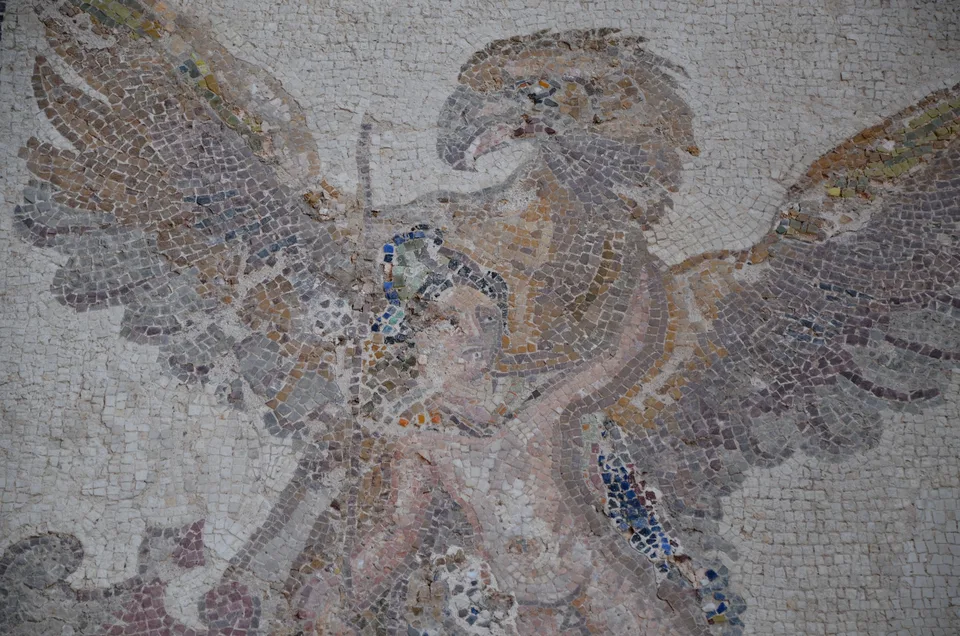
The Kato Pafos Archaeological Park is a substantial open-air visit, with the mosaic floors of the houses of Dionysos, Theseus, Aion and Orpheus among its principal features. Look at the scenes and how the decorated rooms fitted into domestic buildings, rather than racing to identify the most famous panel. An early start leaves more flexibility for heat, pauses and the rest of the day.
The official listed admission is €4.50. Opening is daily, 08:30–19:30 from 16 April to 15 September, and 08:30–17:00 otherwise. Christmas Day, New Year's Day and Orthodox Easter Sunday are closure days. Access is described as partial for wheelchair users, so ask about the areas you particularly want to reach. Carry water and suitable footwear, and treat the published closing time as a limit rather than a recommended arrival hour.
Make the Tombs of the Kings a separate stop
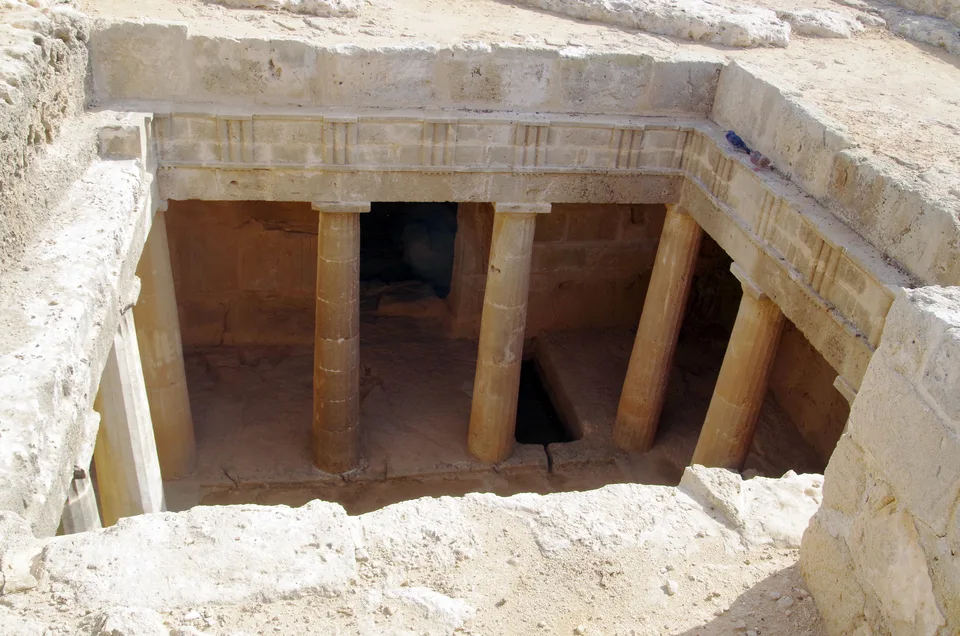
The tourism ministry's culture booklet describes monumental rock-cut tombs from the Hellenistic and Roman periods. Their name reflects their scale and architecture: the interpretation centres on high-ranking officials and aristocrats, rather than promising a cemetery of kings. The difference matters when deciding what you are coming to see.
The Tombs of the Kings are a separate visit from the harbour-side mosaics, with an additional listed admission of €2.50. Leave time for the exposed setting and changes of level. A photograph of a columned courtyard does not mean every chamber has an easy, step-free approach. If travelling with young children, choose the parts you can explore comfortably and keep clear of unprotected edges. There is no need to finish every chamber to appreciate the site.
Use the castle to read the harbour's changing role
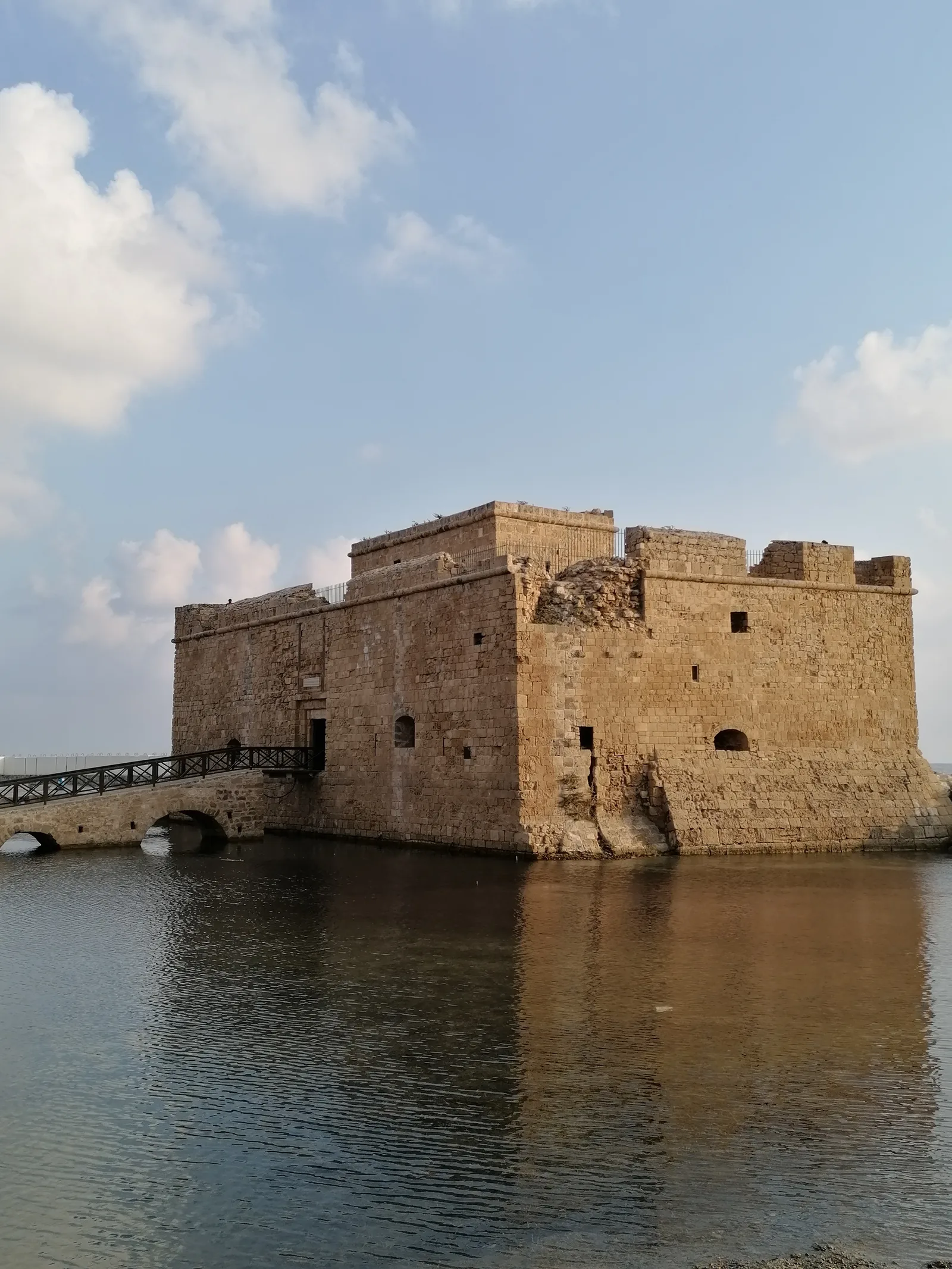
At the western end of the harbour, Paphos Castle gives the waterfront a compact historical focus. Its fabric reflects successive periods of control; the tourism ministry identifies the surviving structure with the Ottoman restoration of 1592, incorporating earlier elements. It later served as a salt store under British administration. Those changes are more revealing than treating it as an unchanged medieval fortress.
Listed admission is €2.50. Published seasonal hours match the park's 08:30 opening and 19:30 or 17:00 closing, but the castle closes on public holidays. Check its own calendar rather than assuming all antiquities share the same exceptions. You can still build a harbour walk around seeing the exterior when entry does not fit your day, without presenting that as equivalent to an interior visit.
Explore the upper old town beyond souvenir shopping
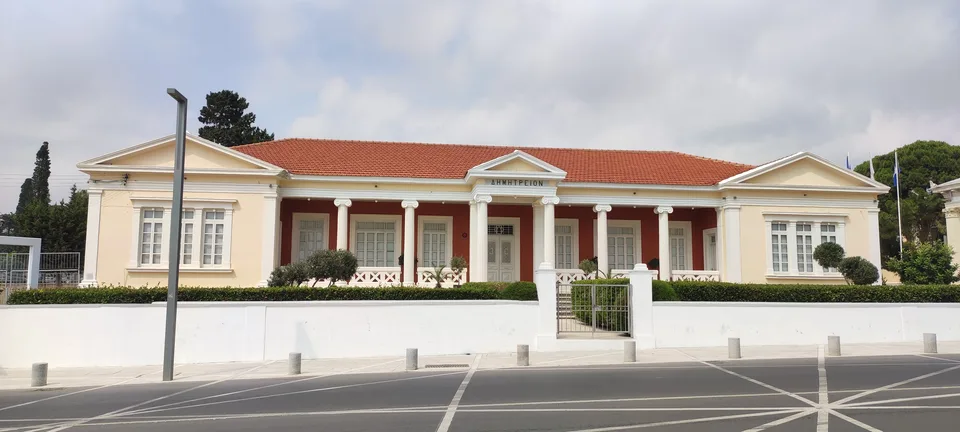
The regional tourism board's old-town guide points to the Municipal Fruit Market, crafts, the Town Hall and Public Library among the area's draws. Give this district a morning of its own. Browsing produce and workshops makes a different visit from arriving after the trading day solely for dinner; ask individual businesses about opening hours rather than applying a single timetable to the whole neighbourhood.
During October and November 2026, the regional board's current programme advertises a free Thursday old-town walk, meeting at the Market bus stop at 09:15 for a 09:30 start. It asks for reservations at least 24 hours ahead. Confirm availability directly and treat this as a dated programme, not a permanent weekly entitlement. A guided visit can add context without requiring you to plan every stop in advance.
Choose the coast for the activity you actually want
Paphos's coastal appeal does not mean every hotel frontage offers the same swimming experience. Inspect the description and photographs for the particular beach or access point, distinguishing a sandy bathing area from a rocky waterfront, a promenade and a hotel pool. “Seafront” answers where a building stands, not how you will enter the water.
Coral Bay's official visitor page describes a sandy beach about 500 metres long, with facilities including showers, changing rooms and sunbed hire. Lifeguard provision is seasonal, listed for April–October. Check flags and conditions on the day and do not read a general description of shallow water as a guarantee of safety. Families should compare the return bus or drive with an afternoon spent closer to their accommodation.
Eat locally while keeping the order understandable
Cypriot meze is a way to explore several dishes through a sequence of small plates. Dips, vegetables, pulses, cheeses, meat or fish can feature, but the contents depend on the establishment and the version ordered. Ask what is included, whether there is a minimum number of diners, and whether the displayed price is per person. Dietary requirements need a conversation about ingredients, not an assumption based on one familiar dish.
For a regional sweet, Geroskipou's loukoumi tradition offers something more specific than an anonymous souvenir box. Traditional flavours include rose, lemon, mastic and bergamot, with some varieties containing nuts. Check the maker, ingredients and packaging if buying gifts. A market browse, a simple lunch and a longer taverna meal can each have a place in the trip; no single dining format needs to fill every day.
Pair Geroskipou's sweets with Byzantine architecture
Geroskipou offers another reason to step away from the harbour. The church of Agia Paraskevi has five domes and wall paintings from different periods, making a visit about architecture and painted interiors rather than simply adding another exterior photograph. Admission is listed as free. The tourism page gives split morning and afternoon hours, with Sunday visits by arrangement; check directly before making it the sole purpose of a journey.
Combine the church with time to investigate the sweets associated with the area, allowing for worship and individual shop opening hours. This can be a modest outing rather than a full-day coach excursion. If continuing to Kouklia, check both visits independently: their proximity on a regional map does not make their opening days or public-transport arrangements identical.
Compare accommodation by the room and location
The main decision is often between a full-service hotel and an apartment or other self-catering stay. A pool, meal plan and staffed reception may simplify a family holiday; a kitchen and laundry facilities can help on a longer visit. Confirm that the facilities apply to your room category and dates, including any seasonal pool or restaurant arrangements.
Before paying, compare the complete price with cancellation terms, breakfast, parking, cleaning charges and late-arrival arrangements. Ask about air conditioning in every sleeping room and whether its use is included. For limited mobility, check entrance steps, lifts, bathroom layout and the route to the street. A nominal distance to the harbour cannot tell you whether the walk suits a wheelchair, pushchair or someone who needs frequent shaded stops.
Arrive at the correct bus station
Paphos Airport has two local bus routes with different useful endpoints. OSYPA route 612 runs between the airport and Tombs of the Kings Bus Station, serving the coastal corridor and Kings Avenue Mall. Older advice that simply calls it the harbour bus can send you to the wrong final stop. Match your accommodation with an intermediate stop or the onward connection you need.
Route 613 links the airport with Karavella via Geroskipou and other stops, making it a different option for the upper town. Read the current departures for your arrival date and allow time after landing for baggage and reaching the stop. Neither route turns a broad “Paphos” hotel address into a door-to-door transfer. For a late arrival, compare the actual last usable service with a prearranged transfer before booking.
Use district fares and regional tickets correctly
The Pafos Buses fare table lists a €2 single journey, a €3 night single after 21:00, and a €6.50 daily ticket. Single, night and daily paper tickets are sold on buses. Weekly and monthly products distinguish personalised and non-personalised cards, so compare the right product if staying beyond a few days. Do not assume a daily ticket means a rolling 24 hours without checking its conditions.
Operator notices are useful around public holidays, when Sunday arrangements generally apply, and for temporary diversions. For other cities, consult Intercity Buses separately: a district ticket and an intercity journey are different purchases. Confirm the named departure stop, not just the city, and allow for the local journey to reach it. A connection that looks short between two map pins may still require a wait or transfer.
The current city route list also makes useful distinctions for sightseeing: 610 connects the Municipal Market and harbour, 611 links Tombs of the Kings Station with the harbour and Geroskipou Beach, and 615 runs to Coral Bay from Tombs of the Kings Station. Use these as route choices to investigate, not a promise that one bus links every attraction. Check the direction and return departure while planning the outward journey, particularly after an evening meal away from your base.
Decide when a car adds enough value
A visit focused on the harbour, principal sites and selected bus-served areas does not automatically require a hire car. Compare the activities you have chosen with the actual routes before adding rental, parking and fuel. For a countryside itinerary, a car can make the route more flexible, but the benefit depends on where you are going and how comfortable you are with the roads.
Read the rental contract for insurance, excess, permitted roads and any restrictions before committing to a remote coastal track. A vehicle shown beside an attraction online is not evidence that your hire agreement permits the same approach. If you prefer a guided excursion, ask about the vehicle, stops, walking involved and return point. These details matter more than choosing the longest list of advertised destinations.
Build a budget around admissions, transport and meals
Cyprus uses the euro. The three listed admissions for the archaeological park, Tombs of the Kings and castle total €9.50 before any concessions. That makes cultural sightseeing a different budget question from accommodation, meals and transfers. Check the current multi-site card conditions if you plan additional antiquities; do not buy a pass solely because its name sounds comprehensive.
Price the holiday in layers: room, airport journey, routine meals, local transport and selected outings. Then leave room for an occasional change of plan. Avoid judging a property only by its nightly rate when its location adds taxis to every evening. For shopping, compare local produce and crafts in the old town with what you can realistically carry home. Check food import rules for your destination before buying edible gifts in quantity.
Match the season to how much walking you want
The tourism ministry's climate guidance describes hot, dry summers and milder, wetter winters. Spring and autumn are sensible starting points for a trip with substantial walking, while a summer programme benefits from early site visits and a quieter middle of the day. This is a planning preference, not a promise of comfortable weather on particular dates.
Avoid applying temperatures for Cyprus's central plain or Troodos mountains directly to Paphos. Use a forecast for the coast near departure and check conditions before a countryside trip. Winter can suit cultural visits, provided you account for shorter opening hours and possible rain. If a pool, boat trip or a particular beach service is essential, confirm its operation for your dates instead of assuming every tourism facility runs identically throughout the year.
For a first visit, begin by choosing the main activity rather than a universally “best” month. Someone spending most days among exposed ruins needs a different balance from someone prioritising a resort pool. Put the least flexible booking into the calendar first, then leave ordinary sightseeing movable. That approach also helps when travelling with children or older relatives who may need a slower afternoon after a warm morning outdoors.
A three-day itinerary with time to pause
On day one, begin with the harbour-side archaeological park, allowing an unhurried morning. Take a proper break before the castle, checking its holiday closures. Finish with a waterfront walk and dinner within a manageable journey of your accommodation. A late flight arrival is a reason to start this programme the following morning rather than rush it.
Devote day two to the upper old town and market area, joining the dated guided walk if it fits. Visit the Tombs of the Kings later only if the weather and your energy make another exposed site appealing. On day three, choose a beach day or an outing to Kouklia. Keep the alternative available if conditions change. With only two days, combine fewer attractions and retain the harbour and upper-town contrast.
Visit Kouklia as a distinct historical outing
The Palaipafos archaeological site at Kouklia brings the sanctuary of Aphrodite and a museum in a Lusignan manor into the wider story. This is a different setting from the mosaic villas near Paphos harbour. Give the journey and interpretation enough time rather than treating it as a quick stop while trying to cover several distant sights.
The listed admission is €4.50, with opening Tuesday–Sunday, 08:30–17:00, and Monday closure. Christmas Day, New Year's Day and Orthodox Easter Sunday are also listed exceptions. Check the current arrangements before departure, especially if relying on a limited transport connection. Further regional bases, including Polis and Latchi, suit a different coastal programme; decide whether one deserves a separate stay instead of repeatedly returning to Paphos after long outings.
Test a potential home outside holiday mode
For a move, choose a property around the journeys you will repeat: work, school, groceries, medical appointments and evening transport. Visit both the upper town and coastal areas at the times you would use them. A week beside a pool says little about how a household will manage ordinary errands or a workplace on another side of the city.
Inspect air conditioning, heating, ventilation, water pressure, storage and laundry provision. Ask for recent bills or a clear explanation of what the rent includes, without expecting one household's usage to predict yours. Confirm the deposit, inventory, repair responsibility, lease duration and early-departure terms in writing. Verify the landlord or agent's authority before transferring money. Buying a property, renting one and obtaining residence permission are separate decisions requiring their own checks.
For a family move, establish school admission arrangements and the daily pickup journey before committing to a lease. For someone working from home, test the actual connection and ask who controls the internet contract. Check whether the advertised furnishings include working appliances and enough storage for living there through different seasons. A terrace that improves a holiday photograph cannot compensate for an impractical indoor workspace or a long journey to an essential service.
Establish utilities and healthcare deliberately
Use the Electricity Authority of Cyprus customer services to check account and supply arrangements. Ask which documents and deposits apply to your circumstances and whether a transfer is required. Record opening meter readings with the landlord. For water accounts and current notices, start with the Pafos District Local Government Organisation, rather than relying on an old water-board contact copied into a rental advertisement.
GeSY enrolment guidance explains registration and choosing a personal doctor, but eligibility must be established first. Do not assume a rental contract or arrival alone brings immediate cover. For a temporary visit, an eligible European Health Insurance Card concerns necessary public healthcare under the applicable conditions; it does not replace insurance for private treatment or repatriation. Arrange continuity for essential medicines and keep the setup costs separate from an ordinary monthly household budget.
Separate a holiday from a right to live and work
The European Union's current Cyprus profile says the country is still in the process of joining Schengen. Check the Republic's official visa guidance for your nationality: short stays are generally framed as up to 90 days in 180. Some Schengen documents provide an exemption subject to conditions and nationality exceptions; do not assume every Schengen visa qualifies or that a Cyprus visa allows onward Schengen travel.
Visitor residence permits do not authorise economic activity. A job requires the appropriate employment entry and residence route, while student permission has specific work conditions and approval requirements. EU citizens have a separate registration process. Permanent relocation needs a qualifying basis, not repeated holiday entries. Use VisaWand's Cyprus guide, destination page and consultant directory for wider preparation, and compare the Limassol city page, Larnaca city page and Cyprus city directory when choosing your base.
The student guidance limits employment to approved activities, with a maximum of 20 hours weekly during studies and 38 during breaks. It requires contract approval by the District Labour Office. EU registration applications are due within four months of entry where applicable; check the documents for your residence purpose.
Official planning resources
Reviewed 17 October 2026. Use the official resources linked throughout this guide for admission, transport, housing and immigration decisions. Prices, services and rules can change; confirm the details relevant to your dates. Photography illustrates the locations and is not a live view.
View all official resources
- Deputy Ministry of Tourism: Pafos city
- Deputy Ministry of Tourism: Kato Pafos Archaeological Park
- Deputy Ministry of Tourism: 2026 culture booklet
- Deputy Ministry of Tourism: Pafos Castle
- Pafos Regional Board of Tourism: Old Town
- Pafos Regional Board of Tourism: current events
- Deputy Ministry of Tourism: Coral Bay beach
- Deputy Ministry of Tourism: Cypriot recipes
- Deputy Ministry of Tourism: loukoumi
- Deputy Ministry of Tourism: Agia Paraskevi, Geroskipou
- OSYPA: airport route 612
- OSYPA: airport route 613
- OSYPA: district bus tickets
- OSYPA: service notices
- Intercity Buses: current routes and notices
- OSYPA: current city and suburban routes
- Deputy Ministry of Tourism: climate and seasons
- Deputy Ministry of Tourism: Palaipafos at Kouklia
- Electricity Authority of Cyprus: customer services
- Pafos District Local Government Organisation
- Health Insurance Organisation: GeSY enrolment
- Your Europe: temporary-stay healthcare
- European Union: Cyprus profile
- Republic of Cyprus: visas
- Cyprus Migration Department: visitors and family
- Cyprus Migration Department: remunerated employment
- Cyprus Migration Department: students
- EURES Cyprus: EU citizen registration
Plan the next part of your journey
Explore the Cyprus guide, browse other cities or compare consultants for your travel and relocation questions.