Visa
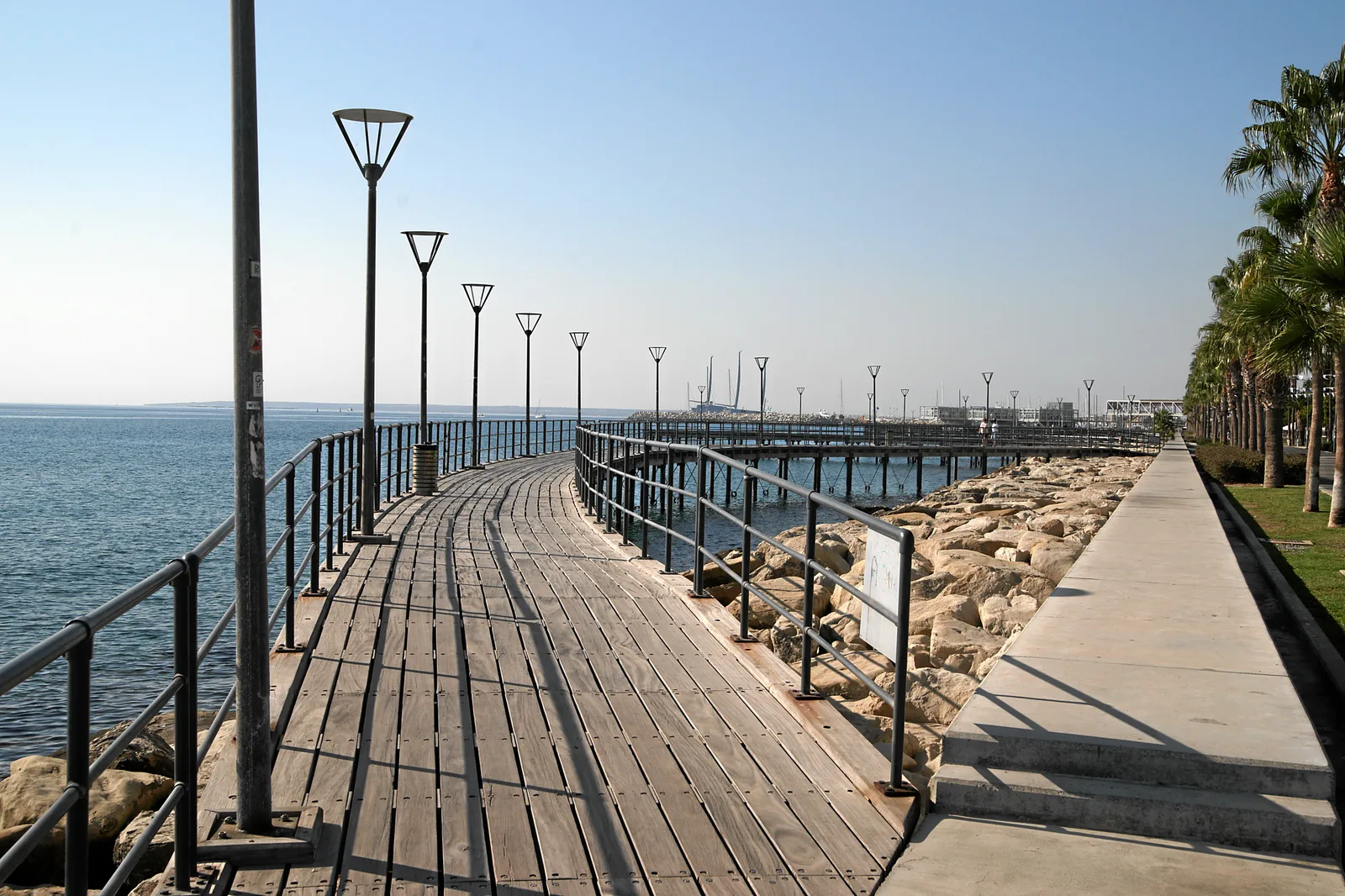
Limassol: decide which waterfront stay you want
Limassol can support several quite different trips: a short stay around the old town, a hotel holiday farther along the coast, or a base for archaeology and inland excursions. Those choices should come before the room booking. A sea-facing address does not necessarily put the castle, your favourite restaurant and the airport shuttle within walking distance of each other.
Start with the tourism board’s historic centre route. Its twenty stops cover a circuit of just over two kilometres, offering a manageable introduction to the streets around the Old Port, castle and commercial centre. Allow the suggested two and a half hours to stretch if you plan to enter museums or stop for a meal.
Visitors considering relocation should test the journey to an actual workplace or campus, investigate housing and ask what a monthly budget includes.
History in the old town, with legends kept in perspective
The castle provides a useful starting point for understanding the city’s layers of history. The municipality’s museum account explains that the present fort incorporates older remains into an Ottoman rebuilding around 1590. The site has housed the medieval collection since 1987.
The story linking Richard the Lionheart and Berengaria of Navarre’s wedding in 1191 to Limassol is part of the destination’s appeal. The national tourism account presents the castle connection as legend. Do not mistake that story for a claim that every wall you see belongs to the twelfth century.
Explore beyond the castle square. The old town’s route takes in religious buildings, civic architecture and reminders of trading life. Read a few of the stops carefully rather than treating twenty markers as a completion challenge. An unhurried circuit, a museum visit and a meal give the centre more meaning than a succession of exterior photographs.
Old town, Molos and the eastern hotel coast
Choose an old-town base if walking between the castle area, the Old Port and central streets is the main attraction. Compare the exact entrance and room description, especially if staying near evening venues. Ask about luggage access and noise arrangements instead of assuming that every historic property offers the same experience.
Molos is a useful reference point for a seafront walk close to the centre. Farther east, addresses around Dasoudi and the coastal hotels create a different pattern of days: more time near a chosen beach, with planned transport for old-town visits.
Keep the marina, Old Port and New Port distinct when checking directions. A waterfront photograph is not enough to identify your arrival point. For a longer stay, map the supermarket, nearest usable bus stop and workplace beside the accommodation. A property that looks convenient for a weekend can produce a cumbersome routine if the important weekday destinations are inland or on another part of the coast.
Inside Limassol Castle and the medieval museum
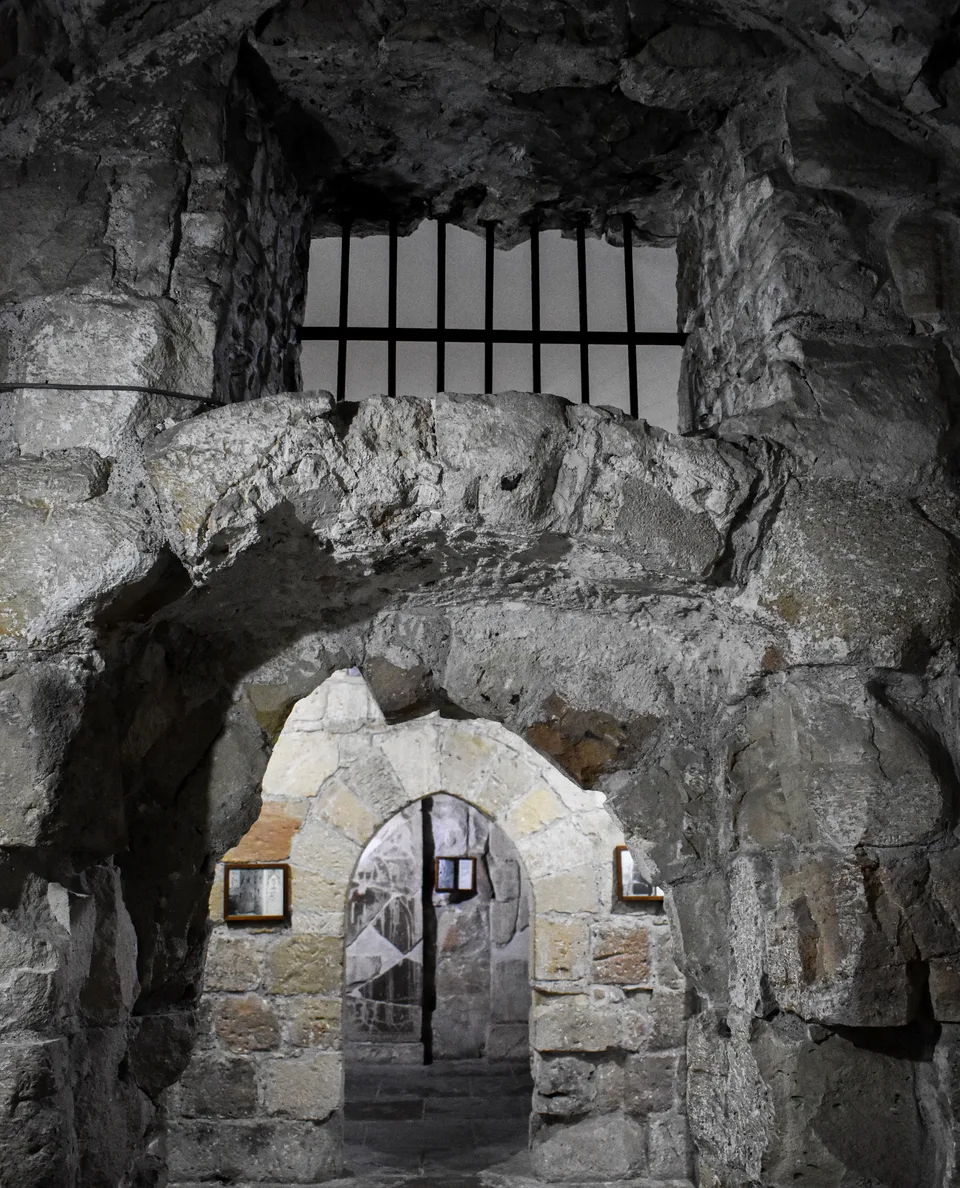
The Cyprus Medieval Museum is a visit for people interested in objects and historical context, rather than simply a tower view. Its displays include pottery, tombstones, weapons, coins and Byzantine silver. Choose enough time to look at the material instead of using the building only as a backdrop.
Published admission is €4.50. Check the official calendar before fixing your morning around it, particularly on a public holiday. The municipality lists the castle as unsuitable for wheelchair access, so discuss any specific needs directly before making the trip. An old-town walk can still be planned around accessible stops if the building itself will not work for your group.
Keep the museum beside a nearby lunch or walking circuit in your itinerary. If you prefer guided interpretation for the wider centre, investigate the official historic Limassol walk and confirm the date and starting time. The tourism board describes Thursday departures from the Old Port information office, with advance booking required.
Molos: art and open space beside the sea
The Molos Sculpture Park brings large outdoor works into the seafront promenade. It is a useful place to spend an unstructured part of the day, combining a walk with looking closely at individual sculptures rather than rushing directly to the next attraction.
Allow the weather to set the pace. In hot conditions, an early or later walk may be more enjoyable than a long exposed midday circuit. Build in water and a place to sit, and choose a turnaround point that suits the whole group.
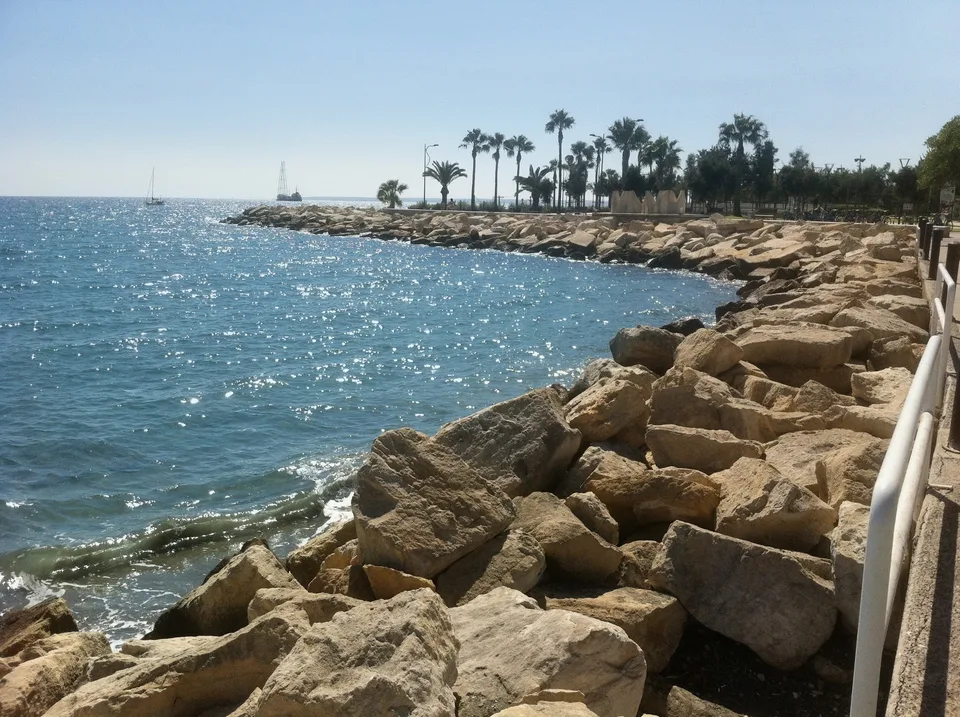
Treat the promenade and a swimming beach as separate experiences. A photograph of a waterfront path does not establish a safe place to enter the water. For a family visit, decide whether you want a stroll, a playground break, a meal or an actual beach session before setting out. The difference affects what you carry, how long you stay and which part of the coast you should choose.
Choosing a beach for the day you have
The tourism board’s beach directory helps distinguish central Akti Olympion, the eucalyptus-fringed Dasoudi area and beaches farther east around Agios Tychonas. Choose by facilities, transport and the kind of day you want, rather than treating the entire coastline as one interchangeable beach.
Check conditions and instructions at the beach itself. Lifeguard cover and equipment availability should be confirmed for your date; an attractive directory photograph cannot establish current swimming conditions. Families and less confident swimmers should make that assessment before committing to the water.
For a short city break, a nearby beach may make more sense than spending much of the day travelling. For a dedicated holiday, staying beside the beach you prefer can justify being farther from the old town. Compare the actual walk from the hotel, any road crossings and the return journey after dinner. Mobility needs also warrant a specific enquiry about the route to the shore and available assistance.
Amathous: an ancient city east of the centre
Amathous archaeological site lies about eleven kilometres east of central Limassol. The remains include the agora and baths, with the wider site associated with worship of Aphrodite-Astarte. It is a separate archaeological visit, not an old-town attraction to add between two nearby cafés.
The national tourism page lists admission at €2.50 and describes partial wheelchair access. Ask which parts are practical for your group; partial access does not mean every path or elevated area is suitable. Confirm seasonal opening hours before making a late-afternoon journey.
Give the exposed site an appropriate place in the day, with water, footwear for uneven surfaces and enough time to look without hurrying. If staying on the eastern coast, compare a dedicated visit with the journey from an old-town base. You do not need to combine Amathous and Kourion simply because both are ancient sites. Their different locations can make separate days more comfortable and leave room to absorb what you see.
Kourion: make the western excursion worthwhile
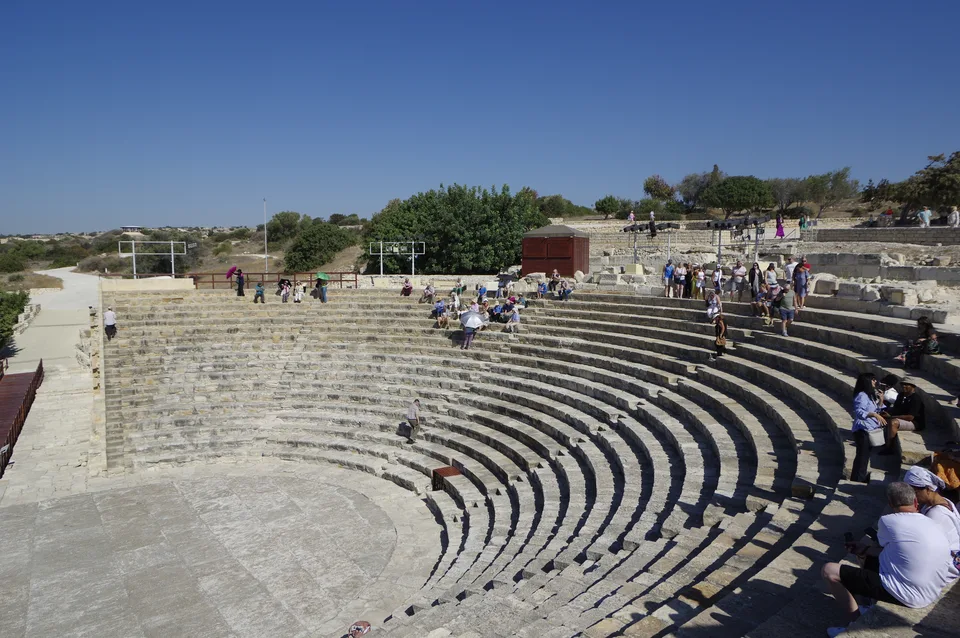
Kourion’s official visitor information places the site about nineteen kilometres west of Limassol. Its theatre and the mosaic remains of the House of Eustolios make it a substantial outing for travellers interested in archaeology. Read the site description before deciding how much of the wider complex you want to explore.
Published admission is €4.50, with partial accessibility. Check the current opening period and any conservation notices rather than relying on an old closure message. A notice dated December 2025 on the tourism page refers to a past maintenance period, not a continuing closure in October 2026.
Plan the return as carefully as the outward journey. If using public transport, establish the stop and final walk rather than assuming a bus to the surrounding area reaches the entrance. If driving, allow time for the site before adding a beach or another monument. In summer, concentrating the most exposed walking into the cooler part of the day is a practical way to improve the visit.
Where to stay: compare the room and the location
Use the official hotel directory to identify properties, then consult each hotel’s own current details. Decide whether you are buying convenience for old-town exploring, a beach-focused stay or facilities that make a longer visit easier. There is no useful single hotel price for all three.
Compare the total: breakfast, parking, transfers, cancellation conditions and the meals you expect to take outside the property. For an apartment, ask about cooking equipment, laundry, cleaning charges and the exact bed arrangement. A room description saying “near Limassol” needs an address before it becomes a meaningful transport plan.
For a scouting trip before relocation, consider staying close to the area where you might live or work for at least part of the visit. Use an ordinary weekday to test the commute. Families should investigate the practical walk to groceries and evening food, while visitors arriving late should confirm how check-in works after a delayed flight.
Getting there from Larnaca or Paphos Airport
Limassol Airport Express publishes separate Larnaca and Paphos timetables. Start with the airport on your booking confirmation, then check the applicable operating date. A shuttle to Limassol still leaves a local connection to your hotel.
The Larnaca schedule dated 1 July 2026 lists adult tickets at €10 and children aged three to twelve at €5. It identifies Agios Georgios Havouzas and a tourist-area stop opposite the St Raphael, Grand Resort and Kanika Elias Beach hotels. Check which stop serves your plans; the phrase “tourist area” does not mean every coastal property.
The Paphos schedule from the same date also lists €10 adult and €5 child fares, with Agios Georgios Havouza as the Limassol point. Departures vary by day. Leave time after landing for bags and the next suitable service, and budget separately for any taxi or local bus connection. Confirm holiday alterations directly before travel, especially when matching an early flight or late arrival.
Local buses and the November 2026 fare change
EMEL’s route 30 information is particularly useful for understanding the coastal corridor between Parklane and My Mall, including stops around Amathous, Dasoudi, Molos and the New Port. It is not a substitute for checking the route to an inland address or the service available at night.
As checked on 21 October 2026, ordinary ticket information lists a daytime paper single at €2, a night single at €3 and a day ticket at €6. A paper single does not allow transfers. The day ticket expires at 04:00 the following morning, rather than providing a rolling twenty-four hours.
A separate fare-change announcement takes effect on 5 November 2026: the ordinary single becomes €2.50, night fare €4 and day pass €7, while the listed eWallet single remains €2. Check the applicable date and card rules before budgeting. Keep airport services separate from these local fares, and confirm the fare for any journey that involves a different operator.
A budget you can adjust to your own trip
Build a budget in separate parts: accommodation, meals, airport transfers, local travel, admissions and a reserve for changed plans. Published attraction tickets provide a firmer starting point than an invented average daily spend.
For one adult, castle admission at €4.50 and Amathous at €2.50 total €7 before travel. Kourion adds another €4.50. That does not mean all three should be compressed into one day; the journey between them and the time you want at each site matter more than the ticket sum.
Two adult airport shuttle singles at the July 2026 tariff total €20, before connections to your accommodation. Compare that complete journey with an actual transfer quote if travelling as a group. For local travel after 5 November, three ordinary daytime paper singles would total €7.50 against a €7 day pass, subject to the ticket’s coverage and conditions. Recalculate for your movements rather than buying a pass automatically.
Weather, seasons and the shape of a comfortable day
Limassol’s official practical information describes a hot, dry summer and a milder, rainier winter. Use that broad seasonal pattern to organise activities; it should not be read as a weather forecast or a promise of swimming conditions for every month.
For a summer visit, put exposed archaeological walking earlier, take a proper midday break and return to the waterfront later if conditions suit. Pack water, sun protection and footwear appropriate to the surfaces you will encounter. An air-conditioned room can be an important accommodation detail rather than an incidental amenity.
Spring and autumn are worth comparing when you want a mix of city walking and regional visits. In winter, check opening hours and daylight before setting out, and keep a flexible indoor option. Anyone considering a move should also ask about heating, shading and ventilation in the actual home. A pleasant holiday week does not test how the property performs through the rest of the year.
A realistic three-day first visit
Day one: settle into your chosen part of Limassol and orient yourself around the old town. Visit the castle if its hours and access suit, then leave time for the surrounding streets, a meal and the Old Port. Finish with part of the Molos promenade rather than another distant booking.
Day two: choose the eastern coast, combining Amathous with a beach or a relaxed meal if conditions suit. Check both directions of your bus journey before leaving. If your main interest is a beach holiday, shorten the sightseeing rather than treating relaxation as something to fit into the remaining minutes.
Day three: make Kourion the substantial outing, with transport and the final approach confirmed. Return with enough time to enjoy the city instead of adding several more regional stops. With only two days, keep the old town and one archaeological excursion. Prospective residents should substitute a weekday housing viewing and commute test for one sightseeing block, while leaving enough room to evaluate the city beyond appointments.
Moving to Limassol: investigate the home and commute together
Start a housing search with the location of work or study and the journeys your household will make repeatedly. Compare the rent with transport, utilities, internet and any parking charge. Inspect the home and establish who is responsible for repairs before making financial commitments.
Students can use the Cyprus University of Technology’s housing FAQ to investigate eligibility and current arrangements. The university lists accommodation at Vareggaria in Kato Polemidia and Apollonia in Limassol, alongside separate provision in Paphos. Check the location of the offer against your course: being part of the same university’s housing system does not put every room in Limassol.
The FAQ lists social and standard rents of €350 and €550, but these are university accommodation categories, not a reliable benchmark for the private rental market. Eligibility and allocation matter. Ask about the contract length, initial payments and services included before accepting a room, and keep a realistic alternative if accommodation has not been confirmed.
Private rentals, bills and everyday household needs
CUT’s private apartment information explicitly says the university does not act as an intermediary or take responsibility for the listed apartments. Treat a listing as a lead to investigate, rather than an institutional guarantee about the owner, property or contract.
For a private home, get the rent, deposit, notice terms and responsibility for bills in writing. Ask whether electricity and water remain with the owner or require a new account, and establish what readings or documents are needed. Avoid carrying a university residence’s payment rules over to an unrelated private tenancy.
The university FAQ says its accommodation includes specified services but charges for excess electricity consumption. Check limits whenever utilities appear to be included. Investigate cooling, heating, laundry, internet and the walk to groceries, and test the commute at your expected travel times.
Healthcare and the practical side of settling in
Use GeSY’s eligibility guidance to establish the healthcare route for your circumstances. Ordinary residence, citizenship and legal status affect the assessment; a holiday booking or a new rental contract is not enough to assume automatic access. Confirm any insurance you need while arrangements are being established.
If moving with ongoing treatment needs, plan continuity before departure. Ask about accessing an appropriate doctor, prescriptions and the documents relevant to your situation. Budget for any care that your entitlement or policy does not cover, rather than assuming that every service is free.
Cyprus uses the euro and UK-style three-pin plugs, practical details for budgeting and packing. Families should investigate school or childcare arrangements directly with the relevant provider rather than inferring availability from a neighbourhood’s appearance.
Tourism, work, study and permanent residence
Read the Cyprus government’s visa guidance for your nationality and travel document. Cyprus’s national permission is not a general Schengen visa. The government lists recognition of certain valid double- or multiple-entry Schengen visas and other documents for short visits, with exceptions; check your own case with the competent mission.
For employment, follow the Migration Department’s applicable work route rather than assuming visitor entry authorises a job. Different categories have different conditions. EU citizens and their families should consult the department’s residence information for the relevant registration arrangements.
The official student rules separately cover entry and residence for third-country students. Employment is restricted by permitted activities, approved contract arrangements and hours: the published maximum is twenty weekly during study and thirty-eight during interruption of classes. This is not unrestricted access to every job. Permanent residence requires its own assessment. VisaWand’s Cyprus country guide and Cyprus consultant listings offer broader planning and professional-support options; authorities decide applications.
Other bases and nearby places to consider
Choose additional stops because they add something you want, rather than because a map makes the island look small. An archaeological outing, a village stay and a beach holiday create different transport and accommodation requirements. A mountain day also needs its own weather and route checks.
If comparing city bases, investigate Larnaca and Paphos for their location and the journeys each would make easier. Nicosia offers another geographical starting point for a broader Cyprus trip. Compare the actual places you intend to visit and the connections available on your dates before choosing where to sleep.
The Cyprus location directory identifies further cities and settlements. Individual pages vary in depth; use them as starting points for research.
Official planning resources
Reviewed 21 October 2026. Use the official resources linked throughout this guide for admission, transport, housing and immigration decisions. Prices, services and rules can change; confirm the details relevant to your dates. Photography illustrates the locations and is not a live view.
View all official resources
- Limassol Tourism: historic centre walking route
- Limassol Municipality: castle and medieval museum
- Visit Cyprus: medieval museum
- Limassol Tourism: guided historic walk
- Limassol Tourism: Molos sculpture park
- Limassol Tourism: beach areas
- Visit Cyprus: Amathous archaeological site
- Visit Cyprus: Kourion archaeological site
- Limassol Tourism: hotel directory
- Limassol Airport Express: current timetables
- Airport Express: Larnaca July 2026 timetable
- Airport Express: Paphos July 2026 timetable
- EMEL: route 30 Parklane to My Mall
- EMEL: ticket conditions
- EMEL: fares changing 5 November 2026
- Limassol Tourism: Cypriot food and drink
- Limassol Tourism: practical traveller information
- Cyprus University of Technology: housing FAQ
- CUT: private apartment listings and limitations
- GeSY: healthcare eligibility questions
- Cyprus government: visas and recognised permissions
- Migration Department: residence and employment
- Cyprus Migration Department: residence routes
- Migration Department: third-country students
Plan the next part of your journey
Explore the Cyprus guide, browse other cities or compare consultants for your travel and relocation questions.