Visa
Hangzhou: choose a lake holiday or a city stay
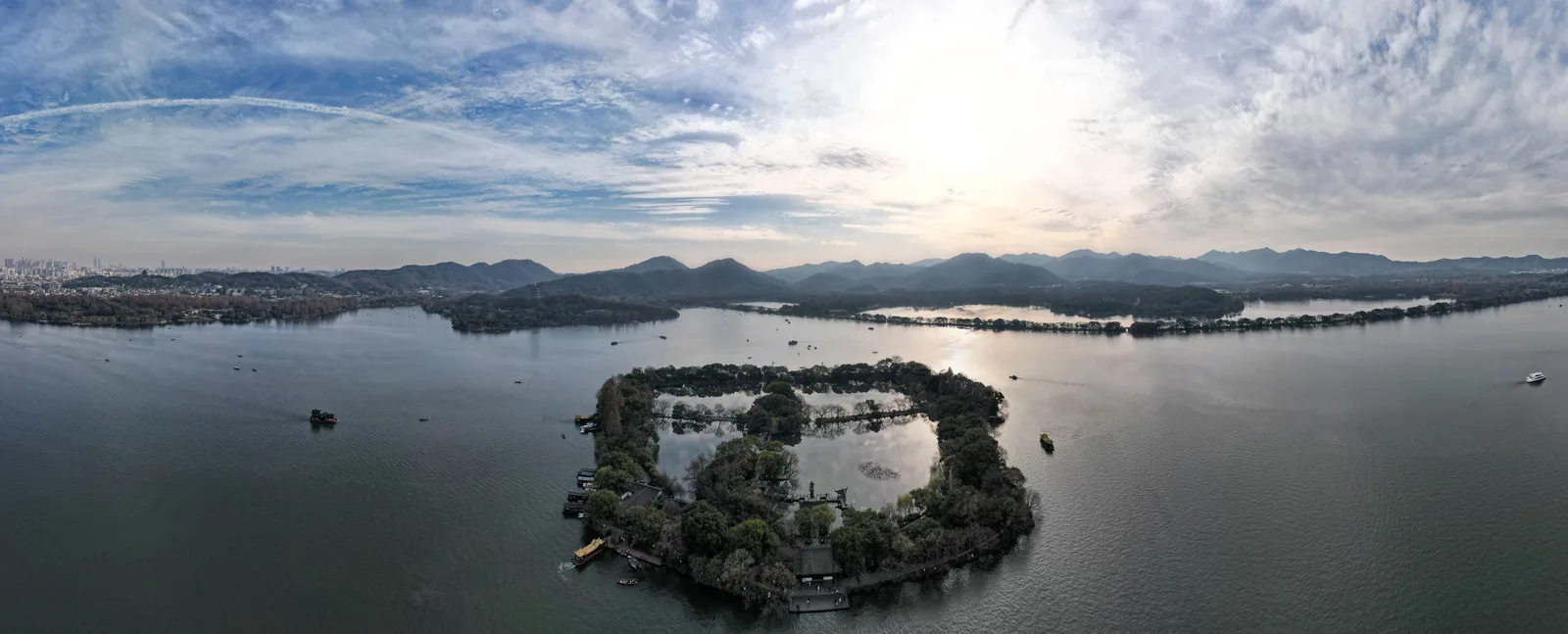
Hangzhou rewards travellers who give its different landscapes separate days. West Lake offers waterside paths, islands and wooded hills; Lingyin adds temples and rock carvings; the Grand Canal introduces another history of movement and trade. Between them sits a working provincial capital whose shopping streets, railway stations and business districts extend well beyond the familiar lake photograph.
For a first visit, plan three full days and choose accommodation by the journeys you will actually make. An eastern lakeside base suits sightseeing on foot. A room near your office or university may make much more sense for a longer stay. Hangzhou is in Zhejiang, eastern China; a hotel advertised with the city name can still be far from your intended destination. Start with VisaWand’s China country guide for national planning, then use this guide to narrow your local choices.
A landscape shaped by people
West Lake entered the World Heritage List in 2011 as a cultural landscape. Its appeal comes partly from deliberate composition: causeways, islands, gardens and pagodas frame water and hills. UNESCO’s account of West Lake explains how this landscape influenced garden design elsewhere in East Asia. Treat a walk as an encounter with a designed landscape rather than a hunt for one definitive viewpoint.
The city’s official historical overview connects its identity with West Lake, the Grand Canal and the Qiantang River, alongside traditions of tea, silk, religion and food. The West Lake Museum’s introduction offers useful context on the lake’s management and conservation. These histories help explain why dredging, planting and access matter as much as individual buildings. Modern Hangzhou adds another layer: its municipal work report documents a substantial technology and business economy. A prospective resident should investigate that working city as carefully as its scenery.
Where to stay: Hubin, Wulin or the western hills
For a short sightseeing visit, compare Hubin and the eastern lake edge first. Being able to walk to the water reduces the number of journeys in an already busy itinerary. Check the actual entrance location, however: a hotel’s lake reference does not establish a lake view, an accessible route or a quiet room.
Wulin offers an alternative urban base for shopping and city journeys. The municipality describes Wulin Road’s connection with Hubin and northern West Lake, useful when comparing addresses rather than relying on broad district labels. In the western hills and tea areas, prioritise the setting only if you are comfortable arranging the final stretch of each journey. For business across the Qiantang or a university placement elsewhere, put the workplace or campus on your map before selecting a neighbourhood. A beautiful weekend base can become an inconvenient weekday home.
Book accommodation around practical needs
Compare conventional hotels, guesthouses and serviced accommodation using the same questions: how you reach the property, what the quoted room contains, and what happens if your arrival changes. Ask a hillside guesthouse about steps and luggage access. Ask a serviced apartment about cleaning, cooking equipment, laundry, deposits and utilities; a photograph of a kitchen does not establish what is included.
Send the property your expected arrival time and confirm the documents it needs to check you in. For families, establish bed arrangements and breakfast charges in writing. For a working stay, request a desk photograph and confirm internet arrangements. Choose cancellation flexibility when train connections, visa decisions or a first apartment search remain unsettled. Compare the final payable total across identical dates and room conditions, rather than presenting a seasonal promotional rate as the normal cost of staying in Hangzhou.
West Lake: walk a manageable section
Start with an unhurried lakeside outing rather than attempting every shore in one circuit. Pick a meeting point, a section of waterfront and a place to stop for lunch; leave another shore for a different light or weather forecast. The lake’s hills, planted shores and constructed islands make changing viewpoints part of the experience.
Much of the lakeside park landscape is freely accessible, but that does not make every temple, boat trip, island landing or attraction free. Before buying a boat ticket, establish the departure pier, route, included landing and return arrangement. A picturesque name on a sales board is not enough to tell you where you will finish. Travellers with limited mobility should check the complete route, including the approach to any pier. Photographing the lake from shore is a worthwhile visit in its own right; there is no need to buy an excursion simply to complete a checklist.
Lingyin and Feilai Peak: free entry needs planning
The temple’s reservation notice, available in German, sets out the system introduced on 1 December 2025. Admission to the Lingyin–Feilai Peak scenic area, including Lingyin, Yongfu and Taoguang temples, is free. Real-name reservations use the “杭州灵隐飞来峰” mini-program in WeChat or Alipay, with passports among the accepted documents for overseas visitors.
Book at least a day ahead within the seven-day window; availability opens at 08:00 seven days before the visit. The published opening period is 07:30–17:30, with admission checks ending half an hour before closing. Same-day registration on site depends on spare capacity and requires original identification. It is a fallback, not a guaranteed alternative to booking. Carry the document used for the reservation. Give the temple outing room in your day, respect worshippers, and follow signs concerning photography inside halls.
Tea hills: understand what you are tasting
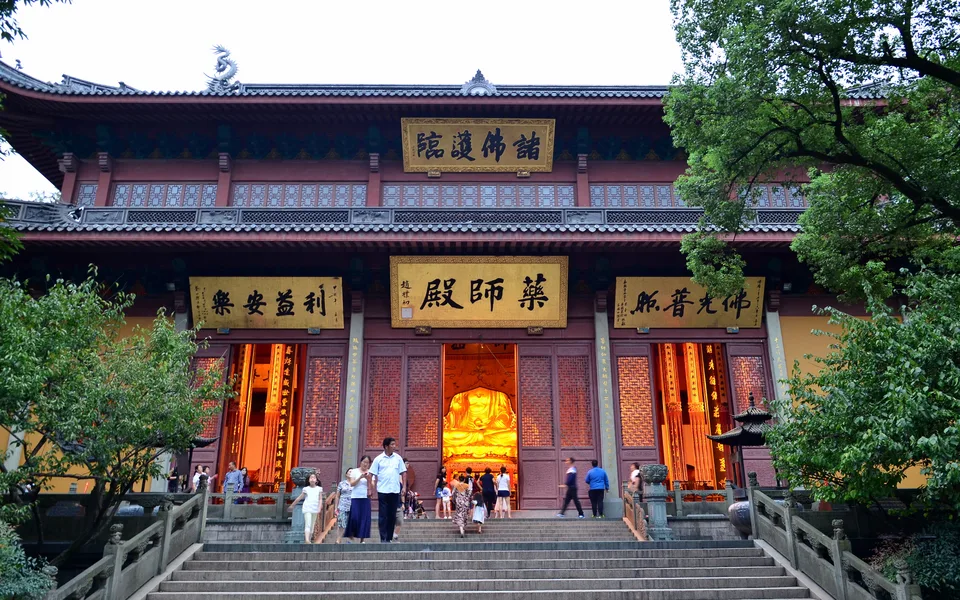
The China National Tea Museum visitor guide, in Chinese, distinguishes two campuses. Shuangfeng, at 88 Longjing Road, covers Chinese tea culture, West Lake Longjing and tea utensils. The Longjing campus, at 268 Wengjiashan, has hillside grounds and an exhibition on tea cultures around the world. The published hours are 09:00–16:30, with Tuesday closure except public holidays.
Choose a campus before booking transport; the two names do not describe interchangeable entrances. Combine one museum with a tea-area visit instead of rushing between both. At a tasting, agree whether there is a charge and what purchase, if any, is expected. If buying tea, ask for the harvest year, stated origin, weight and price of the actual packet. A village visit does not authenticate every product offered there. Stay on permitted paths through working fields and ask before entering cultivated land or photographing people at work.
Gongchen Bridge and the Grand Canal
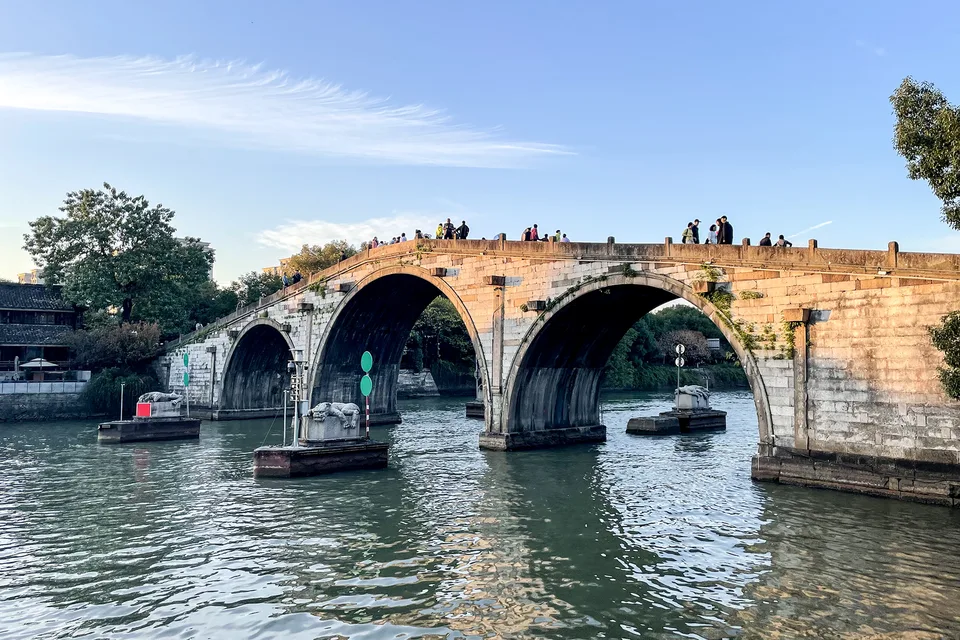
Give the canal its own outing. Hangzhou’s account of Gongchen Bridge identifies the historic stone arch bridge as a landmark at the Grand Canal’s southern end and explains its connection with Gongshu’s development. It introduces a different waterscape from West Lake: a channel associated with commerce and urban life rather than a composed garden panorama.
Walk the waterfront at a pace that leaves time to cross, look back and explore adjoining streets. If a museum is central to your plans, verify its own opening and reservation information separately. Similarly, confirm a passenger boat’s operating route and timetable before making it your return transport. An advertised sightseeing cruise and a practical point-to-point service may serve different purposes. Keep a land-based route available so that weather, a missed sailing or a change of pier does not determine the rest of your day.
Silk and Hefang Street: browse with a purpose
The China National Silk Museum is a useful choice for visitors interested in textiles rather than simply buying souvenirs. Check its latest visitor notice before travelling: an older English hours page still describes Monday opening, while a later museum announcement changed the schedule. Do not build a Monday itinerary around that older page without confirmation.
For a street-level shopping outing, Hefang Street lies at the foot of Wushan, in Shangcheng. Go to browse snacks, crafts and shops, allowing yourself to compare rather than treating every historic-looking storefront as evidence of an unchanged tradition. When buying silk, inspect fibre composition, care instructions, size and returns terms. Distinguish a decorative souvenir from an antique with documented provenance. If a purchase needs shipping, establish the full delivery cost and destination restrictions before paying; a bargain becomes less attractive when the practical details remain unresolved.
Arriving by air or rail
Hangzhou Xiaoshan International Airport publishes connections on Metro lines 1, 7 and 19. Choose by your destination and interchange, not simply by the first train you encounter. The airport’s overall station opening period is broader than the service hours of individual lines and directions. Check the specific last departure, and allow time between landing, immigration, baggage collection and the station entrance.
For rail travel, use China Railway’s official 12306 information and inspect the station name on both sides of the booking. Hangzhou East, Hangzhou West and Hangzhou station are different destinations. Enter passport details accurately and carry the same valid document for checks. An itinerary printout is not a substitute for identification. Build in time for station security and finding the departure gate, especially on your first journey. Compare the complete station-to-hotel trip when deciding between a flight and a train.
Getting around without overloading the day
Use the Metro for journeys that fit its stations, then assess the final walk. A station name associated with a scenic area does not establish a short, level route to your chosen entrance. Ask your accommodation to save its Chinese address and entrance details on your phone, particularly for taxi arrivals after dark.
Group sightseeing geographically: lake paths together, temples and tea hills on another day, and the canal separately. This reduces repeated transfers and leaves room for queues or rain. For any hired vehicle, confirm the quoted journey, waiting arrangements and return expectations before setting off. If you need step-free access, verify the relevant station exits and the attraction’s internal paths rather than assuming an accessible train resolves the whole journey. Use the Metro operator’s ticket and route tools, in Chinese, for your origin and destination; an old network map or generic starting fare is a poor estimate of an airport trip.
Food: order a few local dishes well
Hangzhou’s published cuisine standards identify Longjing shrimp, Dongpo pork and West Lake vinegar fish among signature Hangbang dishes. Hangbang cooking belongs within Zhejiang’s broader culinary tradition. Dongpo pork uses pork belly and seasonings including yellow wine, soy sauce and sugar; it is a substantial choice, worth considering when ordering several shared dishes.
Try one unfamiliar speciality alongside something you already know you enjoy. Ask how fish is served, whether bones remain, and whether a price is per portion or by weight. Tea-flavoured shrimp still requires a shellfish check; a vegetable dish may need a separate question about stock or cooking fat. Communicate allergies in clear written Chinese and confirm directly with the kitchen where possible. For a longer stay, compare a normal grocery shop and ordinary weekday meals near your proposed home. Holiday restaurant spending tells you little about a sustainable household food budget.
Budgeting and paying
Keep accommodation, food, local transport and optional experiences as separate budget lines. Free lake walks and Lingyin admission can keep sightseeing costs down, while paid excursions, tastings and taxis need individual quotes. For two people sharing a room, divide the accommodation total appropriately but retain each person’s transport, meals and tickets. Leave room for an arrival transfer if your flight misses the relevant train.
The government’s payment guidance for overseas visitors describes bank cards, cash and mobile payments, including linking supported international cards to Alipay or WeChat Pay. Set up and test your chosen method before relying on it. Carry a second payment route and some renminbi; look for matching card-network logos at ATMs and check your issuer’s charges. Read the app’s current fees and limits. A QR code, a bank-card logo and a cash price are different practical arrangements, so confirm acceptance before ordering or committing to a purchase.
Weather and choosing your dates
Spring and autumn are sensible starting points for a walking-focused trip, but choose dates with realistic expectations. China Weather’s regional climate account describes spring rain, a June–July plum-rain period, hot humid summers and colder winters, with tropical-storm rainfall also affecting the wider region later in the year. These are seasonal patterns, not a forecast for your visit.
Carry rain protection for outdoor days and keep a museum option in reserve. In summer, put demanding walks early and allow indoor breaks; in winter, check room heating rather than judging comfort from a sunny afternoon photograph. For a tea-focused visit, ask what activity is actually available on your dates instead of assuming harvesting happens year-round. Compare accommodation and transport availability around Chinese public holidays before fixing the itinerary. Check short-range warnings before a hillside walk or boat trip and accept changes when operators suspend services.
Match the outing to your mobility
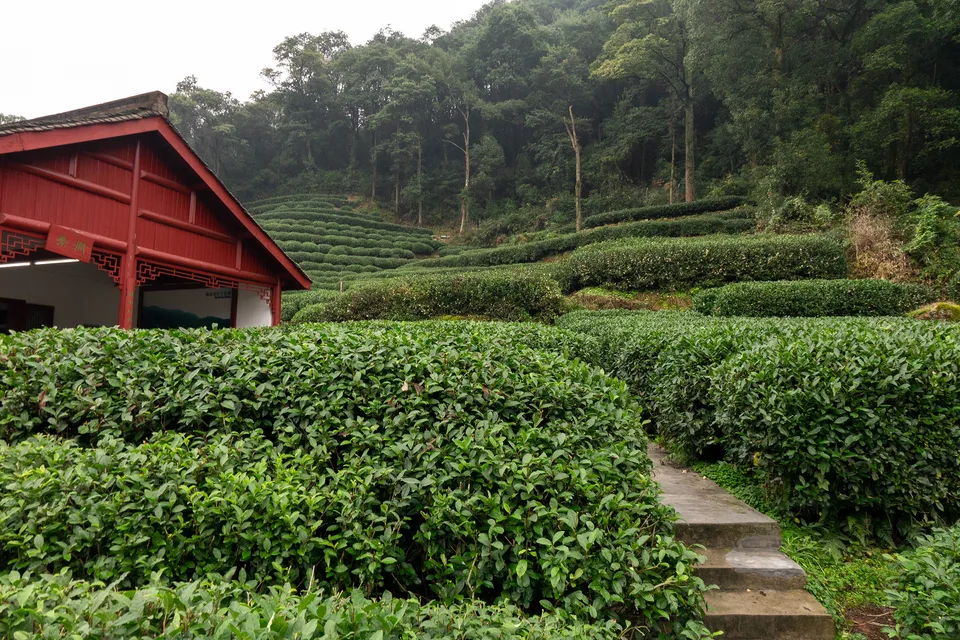
Before choosing between the lake, tea hills and temple grounds, establish how much walking and how many steps your group can comfortably manage. Ask for entrance-specific information: the path from a vehicle drop-off, toilets, resting places and any sections that cannot be avoided with a wheelchair or pushchair. A general claim of accessibility is less useful than an answer about the route you intend to take.
Keep the booking confirmation and Chinese destination name available offline. For a family or mixed-ability group, agree a meeting point before separating, and choose a return arrangement that does not require everyone to finish a long walk. Allowing one person to take a shorter outing can make a shared day work better than trying to keep the entire group on an ambitious circuit.
A realistic three-day itinerary
Day one: settle in, walk a selected eastern lakeside section and stop when the outing still feels enjoyable. Add background reading or the lake museum if its current visitor arrangements suit. Keep the evening for dinner and a short return to the waterfront rather than another distant attraction.
Day two: use a reserved Lingyin visit as the fixed point. Add one tea museum campus or a prearranged tasting if your transport and energy allow. These are suggestions, not a promise that every combination fits all reservation slots. Protect time for lunch and the return journey.
Day three: explore Gongchen Bridge and the canal. Choose either more time there or a separate silk-museum visit, then leave an uncomplicated route to your departure station. With only two days, drop the canal or tea outing according to your interests. With four, add Liangzhu without compressing everything else.
Moving to Hangzhou: test the weekday geography
Use an initial stay to test the actual commute at the times you will travel. An employer’s address, university campus, school run and preferred home may sit on different sides of a large urban area. Measure the door-to-door journey, including station access, interchanges and the final walk. Try it in rain before accepting a route that only looks manageable on a map.
Ask an employer or university for the exact reporting location and relocation support in writing. Discuss whether the offered package covers accommodation, insurance, school costs or permit administration, and for how long. Avoid making a home decision solely around a future office move or an advertised transport project. A comfortable longer stay requires dependable daily services nearby and a manageable routine; proximity to West Lake can be a bonus, but it cannot compensate for an unsuitable commute or an unresolved right to work.
Housing, utilities and address registration
View the apartment itself before making a substantial commitment. Check ventilation, damp, heating and cooling, lift access, street noise and the condition of appliances. Ask who pays electricity, water, gas, internet, management charges and repairs. Record the inventory and meter readings, and have someone competent explain unfamiliar lease terms, deposit deductions, termination rules and the landlord’s authority to rent the property.
Address registration is a separate obligation. Under the NIA’s September 2026 nationwide notice, hotels register guests; for accommodation outside hotels, the visitor or host must complete registration within 24 hours of arrival. Online registration is now available nationwide through the NIA’s designated channels, while local public-security offices retain the offline service. Arrange the process with your host before arriving. A lease signature, payment receipt or visa does not by itself demonstrate that accommodation registration has been completed.
Healthcare, schools and household essentials
Use the municipality’s healthcare information pages to identify services, then contact the relevant institution about its current location, appointments, language support, payment and insurance arrangements. Confirm coverage with your insurer, including any approval needed for planned treatment. Bring medication documentation and investigate import rules before travelling with a specialist prescription.
Families should begin with the city’s international education information and individual admissions offices. Eligibility, curriculum, places, fees and transport need confirmation for the particular child and school year. Before signing a lease, check the school journey as carefully as the work commute. During your initial stay, also establish a functioning phone connection, grocery options, laundry arrangements and access to essential household supplies. Test the services you depend on for work or study before treating the move as settled. Keep copies of important addresses and contacts available without an internet connection.
Tourism, work and study require different decisions
Check entry eligibility for your passport, purpose and travel dates with the Chinese embassy or consulate responsible for your application. Visa-free admission and an ordinary tourist visa do not establish a right to take employment. The 240-hour visa-free transit policy has its own nationality, port, route and permitted-area requirements, including confirmed onward travel to a third country or region. It is not a general ten-day return holiday exemption.
For a move, consult the NIA’s residence-permit service guide alongside your employer or institution. Work and study applications require purpose-specific supporting documents. Where the visa requires a residence permit after entry, the guide specifies applying within 30 days. Student off-campus employment or internships need the required approval and permit endorsement. Longer residence and permanent residence are distinct processes. VisaWand’s China consultant listings can help you locate advice; verify the adviser’s scope and fees before commissioning a case.
Add Liangzhu or compare another city
For an additional day, consider the Archaeological Ruins of Liangzhu City. UNESCO describes a late Neolithic centre, approximately 3300–2300 BCE, with earthworks, water management and differentiated burials. It offers a much earlier historical perspective than the lake outing. The archaeological site and Liangzhu Museum are different destinations: decide what you want to see, confirm current access and reserve transport time before combining them.
For onward planning, compare VisaWand’s Shanghai city guide or the Suzhou location page rather than assuming every eastern Chinese city provides the same experience. Check train options for your actual dates. VisaWand’s China location directory is useful for finding other destination pages; it includes places with different levels of editorial coverage. Choose extra stops by your interests and available nights, leaving Hangzhou enough time to feel like a place you visited rather than a station between appointments.
Official planning resources
Reviewed 16 October 2026. Use the official resources linked throughout this guide for admission, transport, housing and immigration decisions. Prices, services and rules can change; confirm the details relevant to your dates. Photography illustrates the locations and is not a live view.
View all official resources
- UNESCO: West Lake Cultural Landscape of Hangzhou
- Hangzhou government: history
- West Lake Museum: introduction
- Hangzhou government: 2025 work report
- Hangzhou government: Wulin Road and Hubin
- Lingyin Temple: free admission and reservations (German)
- China National Tea Museum: visitor guide (Chinese)
- Hangzhou government: Gongchen Bridge
- China National Silk Museum: official website
- Hangzhou government: Hefang Street
- Hangzhou Airport: Metro connections
- China Railway: ticketing and passport FAQ
- Hangzhou government: local cuisine standards
- State Council: payment services for overseas visitors
- China Weather: regional climate of the Taihu basin (Chinese)
- NIA: nationwide accommodation registration
- Hangzhou government: healthcare information
- Hangzhou government: international education information
- NIA: 240-hour visa-free transit
- NIA: residence permits for foreigners
- UNESCO: Archaeological Ruins of Liangzhu City
- Hangzhou Metro: official passenger services (Chinese)
Plan the next part of your journey
Explore the China guide, browse other cities or compare consultants for your travel and relocation questions.