Visa
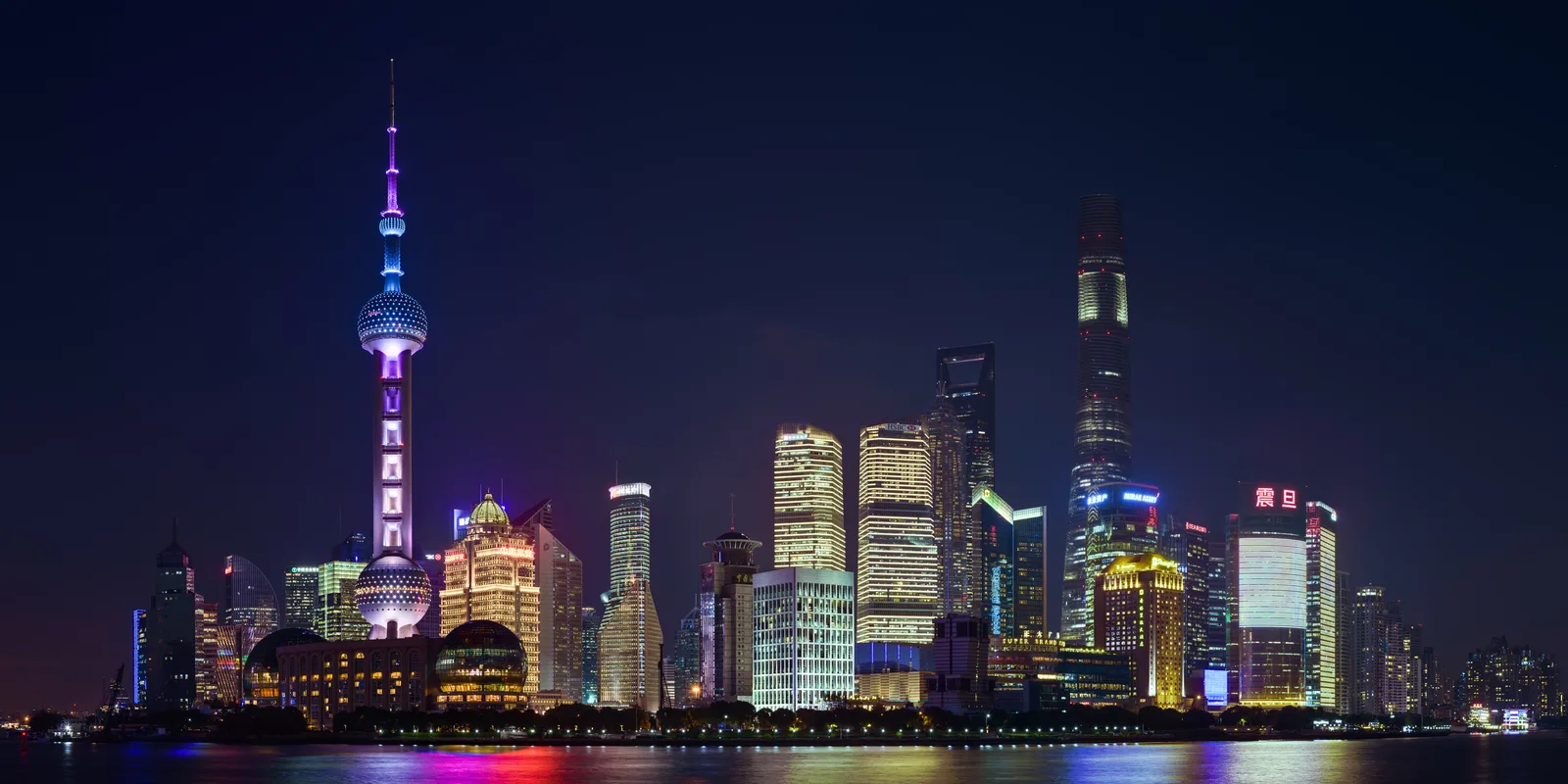
Shanghai at a glance: give its different districts time
Shanghai rewards a visit that moves between settings: the historic riverfront of the Bund, the museum collections, garden spaces and the streets of its heritage areas. The contrast is part of the interest. A waterfront photograph can introduce the city, but spending time in more than one district gives a fuller sense of the place and helps you decide where to stay.
Start with two or three priorities, then fit the accommodation and transport around them. Art and history suggest a different programme from shopping or an exploratory visit before a job posting. Shanghai Museum's two branches are a particularly useful reminder to plan by address: similar names do not mean interchangeable experiences.
For someone considering a move, use part of the visit to test ordinary routines. Walk the route between a potential home and its station, find the shops you would use and investigate the actual workplace journey. A successful holiday can make Shanghai appealing; the decision to live here also depends on housing terms, essential services and the permission required for your circumstances.
Airport arrival: Pudong and Hongqiao need different plans
Shanghai's official airport transport guidance distinguishes Pudong from Hongqiao and the terminals within each. At Pudong, Metro Line 2 provides a route to People's Square, while the maglev runs to Longyang Road, where a further metro connection may be needed. Choose between them using the complete journey to the accommodation rather than the speed of one segment.
Hongqiao Terminal 1 is served by Line 10; Terminal 2 by Lines 10 and 2. Check the airline's terminal before selecting a station. The airport, the nearby railway facilities and a hotel described as being in Hongqiao are not interchangeable destinations. Save the exact address and identify the final connection, especially if arriving with luggage or after a late flight.
The official page estimates about an hour between Pudong's Terminal 1 and 2 station and People's Square on Line 2, with an indicative fare around CNY7. Treat that as a planning reference and confirm the actual journey and current fare. Taxi estimates likewise depend on traffic and destination. Leave time for immigration and baggage before an onward reservation, rather than counting a train's running time as the whole arrival process.
Changing airports: the Airport Link Line has its own timetable
The Airport Link Line connects Hongqiao Airport Terminal 2 with Pudong Airport Terminals 1 and 2. The municipality's airport guidance describes an approximately 40-minute rail journey between the airports. This makes it a useful option for a connection, but walking between facilities, waiting and the next airline's check-in requirements still belong in the calculation.
Hongqiao's official April 2026 timetable update records an earlier first departure from Hongqiao T2 at 05:45 and a last departure from Pudong towards Hongqiao at 22:15, with trains at 15-minute intervals. These are direction-specific published times. Check the current schedule for your date, particularly if a delayed arrival could miss the last train.
If transferring to a flight at Hongqiao Terminal 1, include the additional terminal connection rather than assuming the Airport Link Line ends at its check-in desks. Leave a realistic margin between separate flight bookings. A fast rail link does not remove the need to collect luggage, reach the correct terminal and complete the next departure's formalities.
Shanghai Museum: choose the branch and the exhibition first
The Shanghai Museum's official visitor information separates its People's Square building in Huangpu from the East branch at 1952 Century Avenue in Pudong. Choose the branch for the collections or exhibition you want to see before arranging the journey.
The current homepage lists East opening from 10:00 to 18:00, with last entry at 17:00 and Tuesday closure except national holidays. It says individual visitors do not need a reservation there. The People's Square building follows a different schedule and may require advance reservations for major exhibitions. Check the current exhibition notice rather than assuming a walk-in policy applies during every visit.
The People's Square branch lists 09:00 to 17:00 opening, last entry at 15:00 and Monday closure except national holidays. Its current notice requires advance admission reservations during Ancient Civilizations of the Americas. Confirm the exhibition's ticket conditions before planning the day. The museum's official website moved to shanghaimuseum.cn in September 2026; use the linked visitor and reservation information for your chosen branch rather than an older notice about ordinary walk-in arrangements.
Yuyuan: distinguish a garden visit from a special evening event
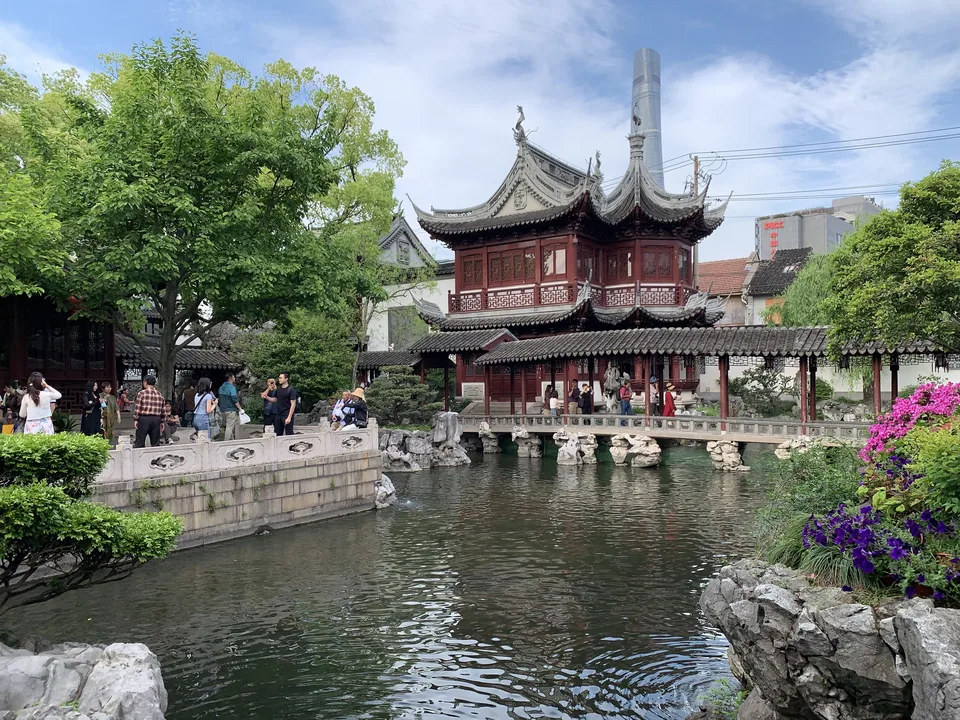
Yuyuan offers a different setting from the museum galleries and the riverfront skyline. When arranging a visit, establish whether you are booking ordinary garden admission, a night tour or another event. A ticket advertisement for one experience should not be treated as the admission price or opening schedule for every part of the area.
The municipality's Yuyuan night-tour information identifies the official Shanghai Yuyuan WeChat account and the South Gate ticket office at 279 Yuyuan Old Street as booking channels for that programme. Its published arrangements use time slots and require the reservation code at entry. Check the current dates and operating details before making the evening depend on this activity; the announcement describes a programme launched in 2025.
Allow time around the booking to reach the correct entrance and follow any identification requirements for concessions. Keep the garden experience separate from shopping or dining nearby, whose prices and arrangements depend on the individual business. An evening here can anchor a day, but it does not need to be squeezed between several distant timed attractions.
The Bund: use the riverfront to read the city's history
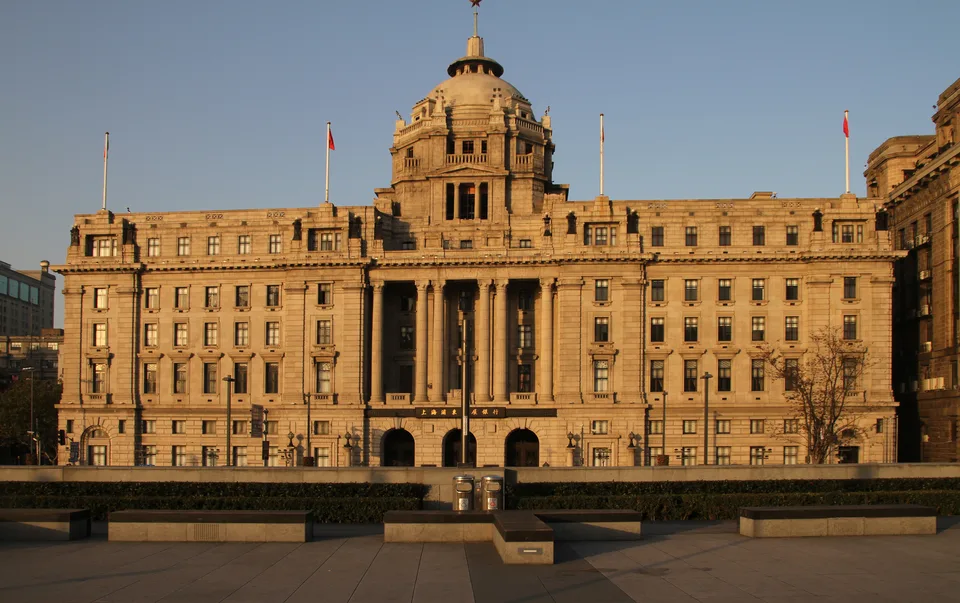
The municipality's Bund heritage information describes a historic district with buildings in several architectural styles and bridges across Suzhou Creek. Make the riverfront a place to look carefully rather than just a stop for one skyline photograph. The buildings, waterfront and crossings provide different perspectives on the city's development and the role of commerce in its urban character.
Choose a manageable stretch for a walk, leaving room to pause and look at the architecture. An evening view and a daytime examination of the buildings offer different experiences. If adding a cruise, identify its pier, sailing and ticket conditions separately; a riverfront walk does not establish that every vessel departs nearby or follows the same route.
Keep the visit flexible around weather and crowds. A long walk beside the water may be less comfortable than it appears on a map, especially with luggage or limited mobility. Pair the Bund with another activity whose address genuinely fits the day's route, and allow time for the final journey back to the accommodation.
Neighbourhoods: choose a base for the places you will use
Huangpu puts the People's Square museum address and the historic Bund within the same central district, but those are still separate destinations. Compare accommodation against both journeys. A room advertised as central is not necessarily a short walk from every place on an itinerary, and a view of a landmark does not identify the property's actual entrance.
Jing'an offers another downtown base. Xuhui and the Hengshan Road–Fuxing Road historical and cultural area provide a different focus for walking, shops and the street setting. Choose a property by the route to the station and the activities you want nearby rather than relying on a district's reputation to answer every practical question.
Across the river, a Pudong stay may fit Shanghai Museum East or a workplace there. Compare a hotel room with a furnished apartment using the actual length of stay: hotels can simplify short visits, while an apartment may provide the kitchen or laundry facilities a household needs. Confirm those facilities, check-in arrangements and total charges with the property. For a longer stay, compare the workplace, shops, schooling and healthcare journeys before committing to a base.
Metro tickets: compare the pass with the trips you expect
The official Shanghai metro guidance lists a CNY18 one-day pass valid for 24 hours after first entry and a CNY45 three-day pass valid for 72 hours. Both exclude the maglev. Compare their cost with the single journeys you actually expect to make; a day devoted mainly to one museum and a nearby walk may need less transport than a day crossing several districts.
The guidance also describes distance-based single tickets and several payment options, including station ticket purchase, transport cards and supported apps. A ticket bought using a bank card and a card used directly at a gate are different arrangements. Follow the instructions for your chosen method and ask staff if it is not recognised before attempting another transaction.
Check the coverage of any product that combines attractions and transport. A metro-only pass is not the same as a visitor package with booked attraction access, and an old promotional price may have expired. Keep the ticket or payment method available until the journey is complete, then confirm the final connection from the station exit to the address you need.
Food: begin with dishes you can identify
The municipality's Shanghai food information introduces Nanxiang xiaolongbao, a soup-dumpling speciality associated with Nanxiang in Jiading, alongside dishes such as scallion-oil noodles and yanduxian, a soup combining fresh and salted pork with bamboo shoots. Use these names to understand a menu and choose what interests you, rather than assuming every restaurant offers the same version or portion.
A small-dish meal and a multi-course restaurant booking involve different prices and amounts of food. Read the current menu, including the unit in which a dish is sold, before ordering. For allergies or dietary restrictions, ask about the filling, stock and cooking ingredients directly. A vegetable name or an English translation does not establish that a dish is free of meat, seafood or another ingredient you need to avoid.
Plan a meal close to the day's main activity when that makes the route easier, and leave one meal flexible if you want to explore further. If choosing accommodation with breakfast, compare its cost with the mornings when you will actually use it. Restaurant opening times, queues and reservation conditions deserve checking before a tightly scheduled museum or airport journey.
Build the visitor budget from a live accommodation quote, airport transfers, expected metro journeys, meals and the particular exhibitions or programmes you intend to book. Keep shopping separate from those essentials. Compare the final payable amount, including any stated charges and cancellation conditions, rather than using an advertised starting price as the cost of the whole stay.
Accommodation registration: arrange it with the host
Shanghai's September 2026 accommodation-registration guidance states that foreign nationals staying outside hotels must complete registration within 24 hours of arrival. It describes the NIA online service, available through its app and WeChat or Alipay mini-programmes, and says online registration has the same legal effect as registration on site. Visa-exempt visitors are also required to register.
For an initial non-hotel registration, the guidance says the host should assist because they know the accommodation details. Discuss this before confirming a private rental or staying with someone. Check that the address and identity information are recorded correctly and retain the confirmation relevant to the stay. Registering accommodation does not replace a visa or residence permission.
The page identifies circumstances in which a return to the same home does not require fresh registration, including specified residence-permit arrangements. Apply those exceptions only when your circumstances meet the stated conditions. If the host or booking agent is unsure, obtain the appropriate official guidance before relying on an assumption about a repeat visit.
Renting a home: read the lease before paying the deposit
Shanghai's official rental advice for international students distinguishes ordinary privately owned apartments from managed rental accommodation. The latter may be operated in one purpose-built property or spread across apartments leased by a company. This is a useful distinction when comparing who manages repairs, collects payments and deals with a problem after you move in. The advice is written for students; it is not a guarantee about an individual landlord or operator.
View the actual apartment and verify the identity and authority of the person offering it. Read the lease in a language you understand, with assistance if necessary. Resolve the rent, deposit, agency charge, utility responsibilities, repairs, early termination and renewal terms before transferring money. A furnished listing needs an inventory: photograph the condition of the appliances and furniture with the landlord's agreement and keep the handover record.
Test the proposed commute at the times you will travel. Include the walk to the station, transfers and the final walk, then compare that routine with the saving offered by a more distant home. For families, establish school admission requirements before letting proximity to a school determine a lease. A nearby building does not establish eligibility for a place.
Utilities and healthcare: establish household services
The municipal guide to utility payments describes online payment through WeChat or Alipay and offline options through service outlets and other payment channels. Online payment requires the correct provider and customer account number, obtainable from a bill, provider message or the provider itself. Check those details against the apartment's arrangements before paying an unfamiliar account.
At handover, agree which bills you pay directly and which the landlord or management collects. Record meter readings where relevant and ask about any outstanding balance. Include electricity, water, gas where installed, internet and management charges in the household budget rather than comparing properties only by the advertised monthly rent. Request receipts or payment records that identify what each charge covers.
The city's published service numbers are 95598 for electricity, 021-962740 for water and 021-962777 for gas. Keep these and the building management contact accessible.
Shanghai publishes an official directory of foreign-funded medical institutions, including hospitals and specialist clinics. Use it to identify relevant services and contact the institution about appointments, language support, charges and insurance acceptance. A directory listing is not a recommendation for a particular condition or a promise of cover. For a longer stay, establish where you would obtain routine care and how your insurance handles direct billing or reimbursement before you need an appointment.
Seasons: keep the city plan flexible around rain and heat
Shanghai's official living tips address plum-rain conditions, drying clothes during persistent wet weather and the summer heat. These issues matter to a visitor as well as a household. Build an indoor option into a day intended for long walks, and check the current forecast before committing to an evening river outing or a distant outdoor excursion.
Choose dates using the activities that matter most to you. A museum-focused visit is less dependent on fine weather than a programme of riverfront and heritage-area walks. During hot or humid conditions, give yourself breaks and carry drinking water for the journey. Rain can also affect the walk from a station to an entrance, even when most of the main route is indoors.
For a possible move, inspect ventilation, signs of damp and the condition of air conditioning rather than relying only on the property's photographs. Ask how laundry dries and what heating or cooling costs are included. A room that feels comfortable during a brief visit in one season may require different household arrangements later in the year.
Entry permission: separate a visit from employment or study
Check the entry route against your passport, itinerary, purpose and proposed length of stay before booking. Shanghai is a destination within China, so visiting the city does not create a separate city visa. A visa exemption applicable to one traveller should not be assumed to cover a travelling companion with a different passport or a different purpose.
The National Immigration Administration's August 2026 transit guidance lists 57 eligible nationalities for the 240-hour arrangement. It requires an ordinary passport and confirmed onward travel to a third country or region, with entry through a designated port and activity within the permitted areas. This is a transit route, so assess the complete journey rather than treating any short return trip as eligible. Check the authority's current port and area list before relying on it.
The same guidance explicitly distinguishes travel and permitted business visits from work, study and news reporting, which require appropriate visas and prior approvals. Shanghai's current work-permit guidance provides different application routes, including short assignments, qualifying graduates and specified talent categories. An employer should establish the applicable process before work begins. Securing a rental apartment, registering its address or receiving a job offer does not itself confer permission to work, study or settle permanently.
Three days: one main cultural visit each day
On the first full day, visit the People's Square museum if its exhibitions appeal and you have met the current booking conditions. Leave enough time to explore rather than fitting it between several distant appointments. Continue to the Bund later in the day for a riverfront walk. If the museum is closed or unavailable, swap the order of days instead of relying on an exception to the opening rules.
Use the second day for Yuyuan and its surrounding shopping area, separating the garden admission from time spent outside it. Read the current ticket details before deciding whether an evening programme is worth an additional booking. Leave the afternoon open for a longer walk or shopping; this makes the day easier to adjust if the garden takes more time than expected.
On day three, choose either Shanghai Museum East in Pudong or the Hengshan–Fuxing heritage area. The first suits a collection-focused day; the second gives more time to the street setting, shops and food. Resist treating both as brief stops simply to complete a list. For a relocation visit, replace part of this day with an appointment and a realistic commute test, while keeping the final airport journey separate from sightseeing.
Beyond the central districts: consider Zhujiajiao
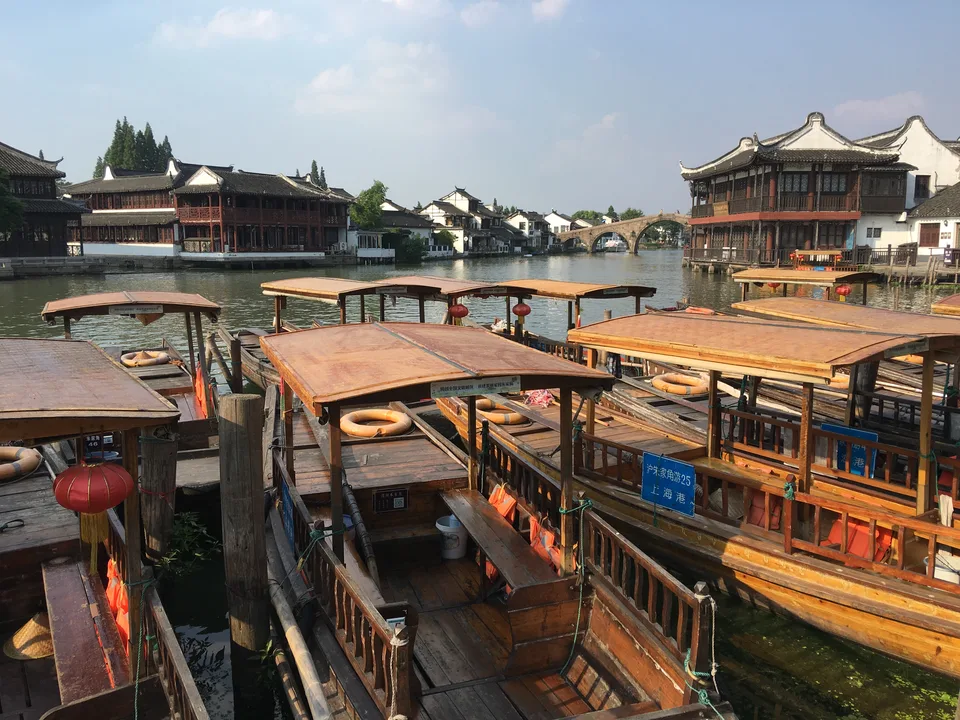
Shanghai's official heritage information for Zhujiajiao describes a water-town setting of preserved streets, buildings and structures such as Fangsheng Bridge beside the Caogang River. Its account traces the development of a village market into a commercial centre, with growth associated with textiles and later industry. This offers a different historical focus from the Bund's riverfront architecture.
Treat the excursion as a deliberate change of pace. Choose what you want to see, check the current route from your accommodation and allow time for the return. A map distance from central Shanghai does not tell you the complete journey from a particular hotel. Individual attractions, boat services and special events may have their own admission arrangements; establish those before assuming a single ticket covers the whole town.
If your stay is short, compare this outing with another day in the central districts. Leaving an excursion for a future visit can be more satisfying than rushing through it around an airport transfer. Travellers continuing elsewhere in China should make the same comparison between a day trip and an overnight stay, using the actual train or flight reservation and its departure station or terminal.
For wider planning, use VisaWand's China country guide, China location directory and China destination information. Compare the published Guangzhou city guide or explore the Suzhou location directory; consultant listings can help identify relevant professional support.
Official planning resources
Reviewed 14 October 2026. Use the official resources linked throughout this guide for admission, transport, housing and immigration decisions. Prices, services and rules can change; confirm the details relevant to your dates. Photography illustrates the locations and is not a live view.
View all official resources
- Official airport transport guidance
- Hongqiao's official April 2026 timetable update
- Shanghai Museum's official visitor information
- Municipality's Yuyuan night-tour information
- Municipality's Bund heritage information
- Hengshan Road–Fuxing Road historical and cultural area
- Official Shanghai metro guidance
- Municipality's Shanghai food information
- Shanghai's September 2026 accommodation-registration guidance
- Official rental advice for international students
- Municipal guide to utility payments
- Official living tips
- National Immigration Administration's August 2026 transit guidance
- Current work-permit guidance
- Shanghai's official heritage information for Zhujiajiao
- Official directory of foreign-funded medical institutions
Plan the next part of your journey
Explore the China guide, browse other cities or compare consultants for your travel and relocation questions.