Visa
Put Victoria on the right map
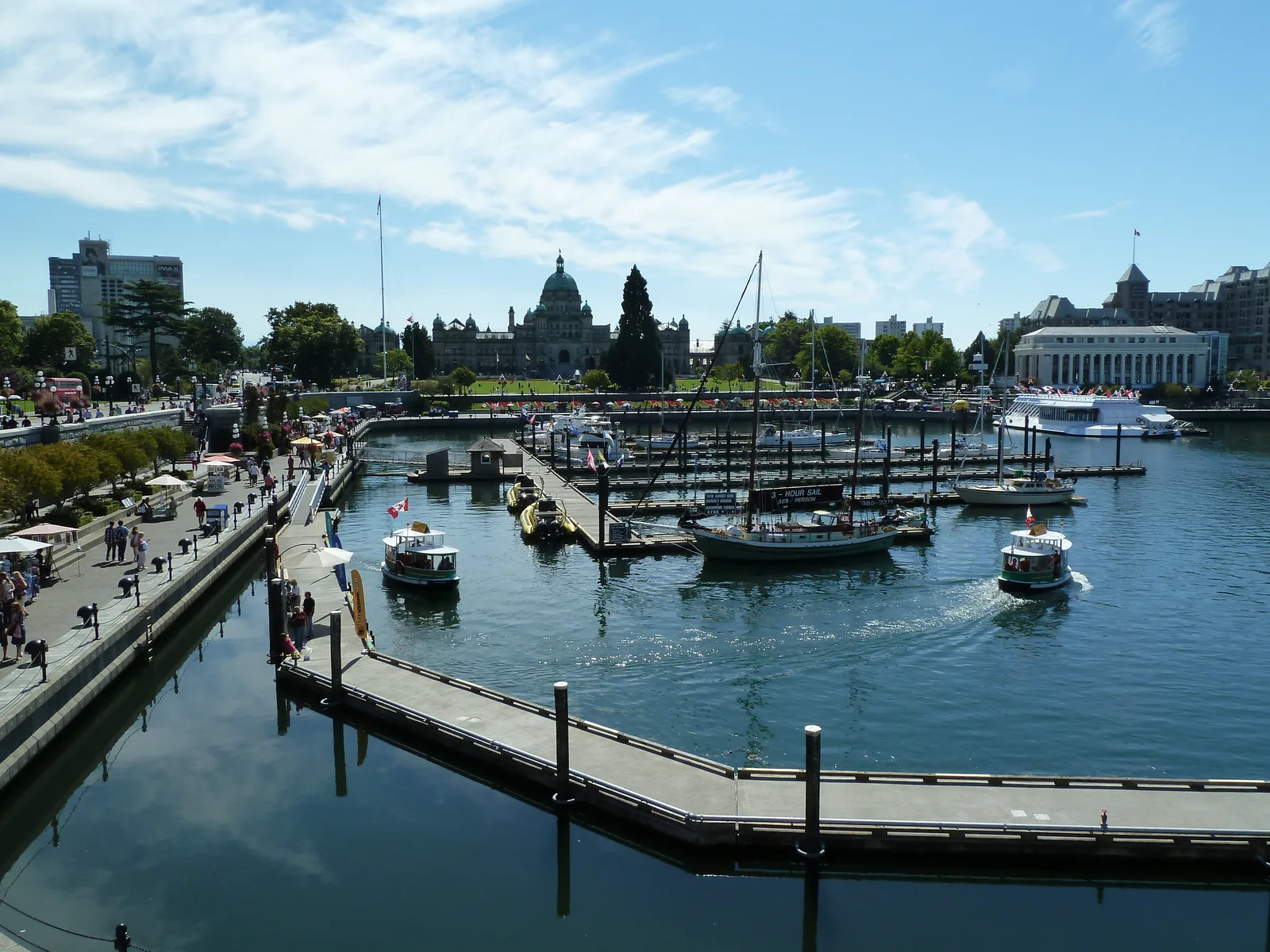
Victoria is British Columbia's capital, on Vancouver Island. It offers a harbour-centred city break, with neighbourhood walks and cultural visits that can be combined without making every outing a road trip. The wider visitor region also includes gardens, peninsula communities and other excursions outside the city. Decide which version of the trip you want before choosing accommodation or bringing a car.
Vancouver and Vancouver Island are different destinations. A booking labelled Victoria can also refer to a ferry terminal or an airport approach well beyond the downtown streets you intend to explore. Read the arrival point as carefully as the destination name. A short stay works best when the first and final transfers are part of the plan, rather than unexpected additions to it.
Choose a neighbourhood through the day's route
The visitor board's neighbourhood overview provides a useful starting point for comparing James Bay, the downtown and Old Town area, and Rockland and Gonzales. Pick the places you expect to visit repeatedly, then look at the actual address of a room. Being close to the harbour may suit a first sightseeing visit; a different address can make more sense for a longer stay centred on work, study or family.
Use the wider region deliberately. The visitor board's first-visit advice treats The Butchart Gardens on the Saanich Peninsula and the Malahat SkyWalk as regional excursions. They should not be added to a downtown walking day as though they were neighbouring streets. Choose one excursion for a short trip and leave enough time for getting there and back.
Make the airport connection explicit
Victoria Airport Authority's transport information identifies BC Transit connections through McTavish Transit Exchange, as well as taxis, ride-hailing and car rental. Check the current journey planner for the connection matching your flight. Do not assume that every airport bus runs straight into downtown without a change.
The operator places prebooked taxi and ride-hailing pickup along the Short Term Lot curb across from the arrivals exit doors. Check your provider's instructions before leaving the terminal, especially if your party needs an accessible vehicle. Arrange that requirement directly in advance. For a late arrival, confirm both the transfer and how your accommodation receives you after its normal reception hours.
Compare the fare with the whole outing
BC Transit's Victoria fare page lists an adult single ride at CAD3 and a DayPASS at CAD6. Children aged twelve and under ride free under the published scheme. Read the payment and fare rules before boarding, particularly when a journey involves more than one bus. A fare quoted for one boarding should not be mistaken for an unlimited transfer entitlement.
For a day with several stops, compare the appropriate pass with the actual trips you intend to take. Check the return service before travelling out to a regional attraction. A lower-cost outward journey is less useful if the final bus does not suit the attraction's closing time or your plans afterwards. Keep a separate allowance for a changed return arrangement when the schedule is tight.
Treat the ferry as one part of the journey
BC Ferries' Tsawwassen-Swartz Bay route information is the relevant starting point for this mainland connection. The operator's displayed crossing is about one hour 35 minutes, but that is time on the water. Add the journey to Tsawwassen, the required check-in and boarding time, and the onward transfer from Swartz Bay before comparing the trip with a flight.
Decide whether to travel with a vehicle or as a foot passenger before comparing quotations. Enter the actual passengers and vehicle details in the operator's fare calculator, and read the conditions for your chosen fare. A promotional car-and-driver price is not the total for every party. Check service notices before leaving and keep the reservation instructions available offline.
Visit The Butchart Gardens on its seasonal terms
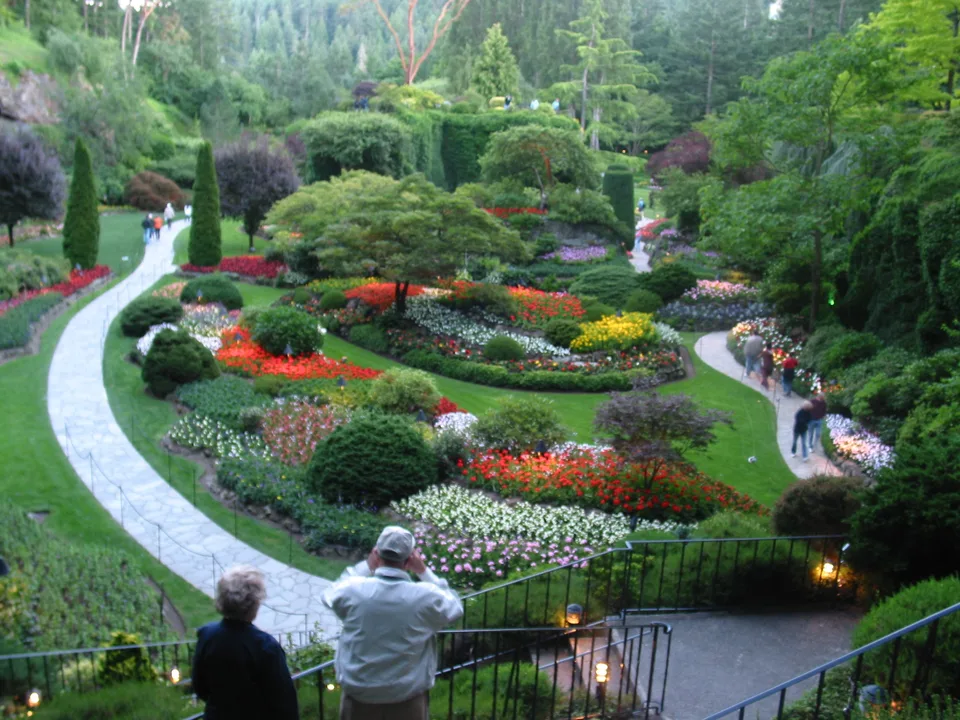
The Gardens' official hours and rates change through the year. For October 2026, the published adult admission is CAD36.75 including tax, with gates listed from 09:00 to 16:00. That is a dated example for budgeting, not a year-round admission price. Confirm the period covering your own visit before choosing a departure time.
Read the ticket conditions before paying. Ordinary daily tickets are not assigned a date and time and do not guarantee admission. Christmas uses a different timed-entry arrangement, with advance booking strongly recommended. Allow the booking type to shape the plan: buying an ordinary ticket should not be treated as holding a reserved Christmas slot.
Plan transport and the time inside together. Leave room to explore rather than making the visit a brief stop between two long journeys. Check seasonal closures and any special event notices; an attraction promoted for year-round enjoyment can still have particular closed dates. If your main interest is a particular planting display, consult the operator's current seasonal information instead of expecting every garden to look like a summer photograph.
Read the harbour through its older stories
Victoria's waterfront is more than a backdrop for provincial buildings and visitor boats. The municipality identifies the city as being on the homelands of the Songhees and Xwsepsum Nations, together known as the Lekwungen people. Its Lekwungen public-art information introduces works that make those continuing relationships with the land visible. The Signs of Lekwungen spindle-whorl markers offer a particularly useful thread for a walk, connecting individual places with cultural interpretation.
Read the accompanying explanations rather than treating the carvings simply as photo stops. Seven markers were created through the project, with artist Clarence “Butch” Dick commissioned to produce the original works. Their presence changes how you read a harbour otherwise frequently presented through its colonial architecture. Leave time to look at the artwork and understand the named places instead of rushing between building exteriors.
The legislature's account of Fort Victoria's establishment places the Hudson's Bay Company steamship Beaver in the Inner Harbour in March 1843. That is a chapter in the city's colonial development, not the beginning of local history. Looking at these accounts together makes a visit richer: trade, political power and displacement belong in the same conversation as the attractive waterfront setting.
Give the museum a substantial part of the day
The Royal BC Museum's visitor information currently lists adult museum admission at CAD32, with separate museum-and-IMAX combinations. Check which product you are buying; a museum ticket should not be assumed to include every film. The museum recommends two to four hours for its main galleries and exhibitions. That makes it a useful anchor for a day in town rather than a quick stop squeezed before departure.
Consult the current exhibition programme when deciding whether to book. Displays and access can change, and an older account of somebody else's visit may describe a different museum experience. The published address is 675 Belleville Street, convenient for combining the visit with the harbour area. The museum says it does not operate its own parking lot, so drivers should include nearby parking arrangements in their plans.
For mixed-interest groups, agree on the priority before entering: a substantial exhibition visit and a short look around have different time requirements. Build in a meal afterwards rather than expecting everybody to remain engaged indefinitely. A museum afternoon also gives the itinerary an indoor alternative when the weather makes a long waterfront outing less appealing.
Check the stairs before booking Craigdarroch
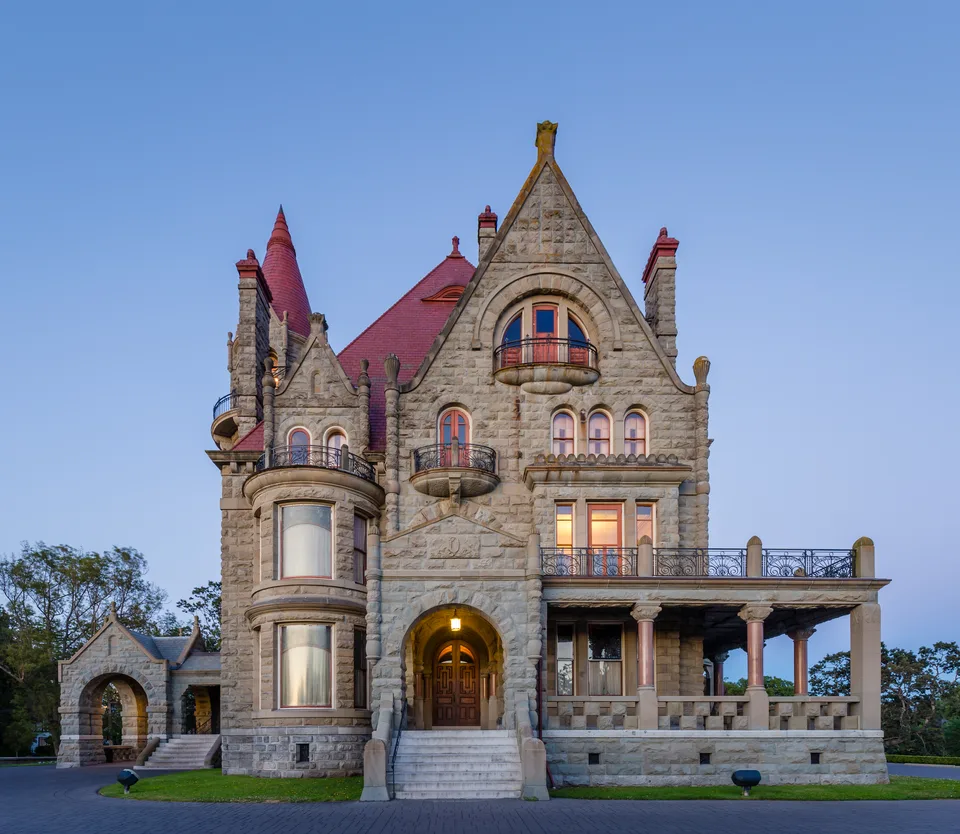
Craigdarroch Castle's official visiting page lists adult admission at CAD23.50 and regular opening Wednesday through Sunday, 10:00–16:30. Ticket sales stop 45 minutes before closing, and the self-guided visit takes at least 45 minutes. Check holiday exceptions before setting out. Its rooms, stained glass and furnishings reward an interest in the Dunsmuir family's late nineteenth-century domestic world.
Accessibility is a deciding factor here: the historic house has no ramps or elevators and is not wheelchair accessible. The operator describes the walk from downtown as roughly two kilometres with a steady incline along Fort Street. Choose the transport and the attraction with those conditions in mind. Being able to reach the entrance does not establish that someone can comfortably visit the interior.
A personalised guided tour is a separate arrangement with an additional guide charge. If interpretation is central to your visit, enquire before booking rather than expecting a guide to accompany an ordinary self-guided ticket. Pair this outing with time in the surrounding streets and a meal, instead of immediately adding another outlying attraction.
Walk Chinatown with time for a meal
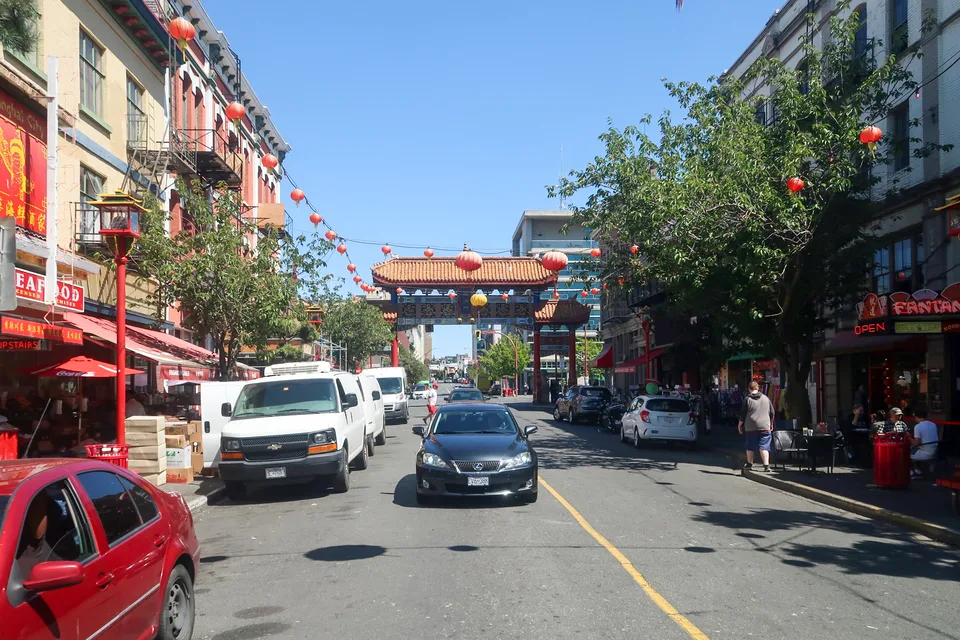
The visitor board's Chinatown neighbourhood guide locates this compact downtown district around Fisgard Street and the surrounding blocks. It dates the neighbourhood's establishment to the 1858 Fraser River Gold Rush. Fan Tan Alley and Dragon Alley provide routes between streets, but the area's appeal also lies in its businesses and the histories attached to the buildings.
Come when the shops and eateries you want to visit are open. An evening photograph and a daytime shopping visit are different experiences. Allow room for a bakery stop, tea or a sit-down meal according to your interests; the neighbourhood includes both Chinese and other cuisines. Read menus and current opening information before making a particular restaurant the fixed centre of your day.
Keep alley entrances clear while taking photographs and respect the businesses operating along them. A small historic district is easier to appreciate slowly than as a checklist. If your visit coincides with a cultural event, check its published programme and street arrangements rather than expecting performances on an ordinary day.
Choose a room for the trip you will actually make
A harbour-facing hotel, a smaller guesthouse and a self-catering unit can all serve quite different stays. Compare the full booking conditions: room configuration, cancellation deadline, taxes, breakfast, parking and any charge for additional guests. A low room-only headline can be a poor comparison with a rate that already includes services your household needs.
For a short visit, prioritise the walk or bus trip between the property and your main activities. For an early ferry or flight, also check the first departure of the relevant transport. Ask the accommodation directly about luggage storage and late check-in. Neither service should be inferred from the availability of a room on a booking site.
Families and longer-stay visitors should establish what “kitchen” means in the actual unit: a microwave and refrigerator do not provide the same options as a cooker. Check laundry access, stairs, lift dimensions and bed arrangements before paying. If noise or step-free access affects whether you can stay comfortably, request a specific written answer rather than relying on a broad property description.
Budget in Canadian dollars and separate the fixed costs
Build the budget around the booked room, arrival and departure transfers, selected admissions and food. Keep these in Canadian dollars so that exchange-rate assumptions do not blur the comparison. The transport and admission examples above are planning references checked in October 2026; they are not a promise that every date or visitor category has the same price.
Start with one paid attraction that matters to you, then add the cost of reaching it. A day spent walking and browsing can be balanced with a more expensive excursion. Avoid purchasing a bundle purely because its advertised saving looks attractive: count only the visits you would willingly make, within their actual opening hours.
For meals, compare a current menu with your expected order, including drinks and any applicable additions. Do the same for an afternoon tea or tasting experience before treating it as a casual refreshment stop. If you choose self-catering, establish where you will shop and how you will carry groceries back. That practical detail matters more than an unsupported claim about the city's average daily food bill.
Match the season to your main reason for coming
The visitor board's seasonal overview highlights spring blossoms, summer outdoor outings, autumn colour and winter cultural visits. Use that as a way to choose priorities, not as a guarantee of a particular day's conditions. A garden-led trip and a museum-led break need different flexibility. Check the forecast shortly before travel and bring layers suited to your planned time outside.
Leave a movable indoor visit in the schedule rather than booking every outdoor activity for consecutive fixed slots. On a short break, one disrupted ferry connection or unsuitable weather window can affect a large share of the trip. Keep the final day simple enough to protect your onward journey. Seasonal photographs show a moment in the year; they cannot establish what will be in bloom or how a waterfront walk will feel on your dates.
A realistic three-day first visit
Use day one for orientation around the Inner Harbour and the central streets. Follow part of the public-art route, pause for lunch and continue into Old Town and Chinatown as energy allows. Make the first evening easy if you have arrived after a long flight or ferry journey. There is little value in committing to a distant timed booking before you know how the arrival has gone.
On day two, choose a substantial cultural visit. Allow the museum the time it recommends, with lunch and a harbour walk around it. Alternatively, put Craigdarroch at the centre of the day if its architecture interests you and the stairs suit your party. Do not assume both interiors, lengthy shopping and a regional excursion fit comfortably into the same afternoon.
Reserve day three for The Butchart Gardens if gardens are a priority. Plan the outward and return journey first, then decide what time remains for the city. If you only have two days, choose between this excursion and the second day's main visit. This suggested sequence is editorial planning advice: reorder it around actual opening days, weather, transport and the interests of the people travelling.
Test an ordinary working day before moving
A successful holiday does not settle whether a particular address works as a home. If you are considering a move, spend part of your exploratory stay testing an ordinary commute at the time you would actually travel. Include the walk to the stop, a possible transfer and the return journey. Do the same for groceries, childcare or school needs and any regular appointments.
Compare housing with those daily trips rather than choosing solely by distance from the harbour. Ask what the rent includes, whether the unit is furnished and who pays for heating, electricity, internet, parking and laundry. Check mobile reception and the available internet service at the exact address if working from home. An attractive room does not answer these household questions.
Keep a reserve for the transition between temporary accommodation and a permanent tenancy. Do not schedule furniture deliveries against an assumed possession date. Establish the signed agreement, access arrangements and an inventory first. For newcomers with children, confirm the relevant school district and enrolment requirements for the actual address before treating a nearby school as an assured place.
Understand the tenancy before paying a deposit
British Columbia's official deposits guidance states that a security deposit can be no more than half the first month's rent. A separate pet damage deposit can also be up to half a month's rent. Check that the tenancy arrangement falls within the applicable rules, and use the Residential Tenancy Branch's information for your circumstances rather than assuming every room-share has identical protection.
Inspect the property, establish who is entitled to rent it and read the agreement before transferring money. Record the condition with the landlord at the beginning of the tenancy and keep copies of payments and correspondence. Ask for clarification of any fee that does not match what you understood from the advertisement. A published city guide cannot establish the legitimacy of an individual listing.
Arrange coverage and essential household services
Before relocating, read British Columbia's MSP enrolment instructions and establish your own eligibility and start date. The province advises newcomers to apply promptly and arrange private medical insurance while waiting for coverage. New residents can face a waiting period comprising the rest of the month in which residence is established, plus two months. Do not treat signing a lease as confirmation that public coverage has already begun.
Make a separate plan for routine care, prescriptions and any ongoing treatment before travelling. Keep insurance documents and the information needed to contact the insurer accessible. A visitor's travel policy and a resident's public coverage serve different circumstances, so check what applies to the actual stay you are arranging.
For a new household, review the city's emergency-preparedness guidance, including earthquake planning, securing movable items, emergency supplies and a way for household members to communicate. Identify the building's exits and ask the landlord how essential systems work. Establish utility account responsibilities and refuse arrangements as part of taking possession. These are ordinary settling-in tasks worth completing before deliveries, work commitments and sightseeing occupy the first week.
Keep entry permission separate from relocation
Begin with IRCC's visitor-visa explanation to identify the entry document required for your passport and travel circumstances. Most visitors may stay for up to six months, but the border officer can authorise a different period. The validity of a visa is not the same as the length of a particular authorised stay. Check the permission you actually receive and keep its expiry in your planning.
If employment is the purpose, use IRCC's work-permit information and establish the correct authorisation before arranging a start date. Employer-specific and open permits have different conditions; an open permit is not available simply because an applicant would prefer flexibility. A visitor trip to assess neighbourhoods is a different activity from taking a Canadian job.
Students should read IRCC's study-permit eligibility requirements, including enrolment at a designated learning institution and proof of funds for tuition, living expenses and return transport. Permission to work and any later post-graduation route require their own checks. For permanent relocation, use the official immigration programme explorer to examine relevant pathways. Buying a home, finding a room or enjoying a holiday does not itself establish permanent-residence eligibility.
Compare the next destination before adding it
Sidney and the Saanich Peninsula can be considered alongside the airport and garden excursion when planning a wider regional stay. Check the actual route rather than grouping everything outside downtown into one short outing. Keep accommodation in one place if that reduces repeated packing, but move bases when it meaningfully shortens the journeys central to your trip.
For a mainland city alternative, compare VisaWand's Vancouver destination page and its local consultant listings. A larger itinerary must still account for the water crossing and terminal transfers. Use VisaWand's Canada guide for country-level context and the Canada destination page for entry-planning context, the Canadian city directory to explore other locations, and the consultant directory when seeking individual advice. These directories help you find destinations and services; the depth of editorial guide content varies by page.
Official planning resources
Reviewed 17 October 2026. Use the official resources linked throughout this guide for admission, transport, housing and immigration decisions. Prices, services and rules can change; confirm the details relevant to your dates. Photography illustrates the locations and is not a live view.
View all official resources
- Neighbourhoods
- Firstvisit
- Airport
- Transit
- Ferry
- Gardensrates
- Gardenstickets
- Lekwungen public art
- Fort Victoria history
- Royal BC Museum visits
- Craigdarroch admission and access
- Chinatown visitor information
- Victoria through the seasons
- BC tenancy deposits
- BC medical coverage enrolment
- Victoria emergency preparedness
- Canadian visitor documents
- Work in Canada
- Study permit eligibility
- Official Canadian immigration programme explorer
Plan the next part of your journey
Explore the Canada guide, browse other cities or compare consultants for your travel and relocation questions.