Visa
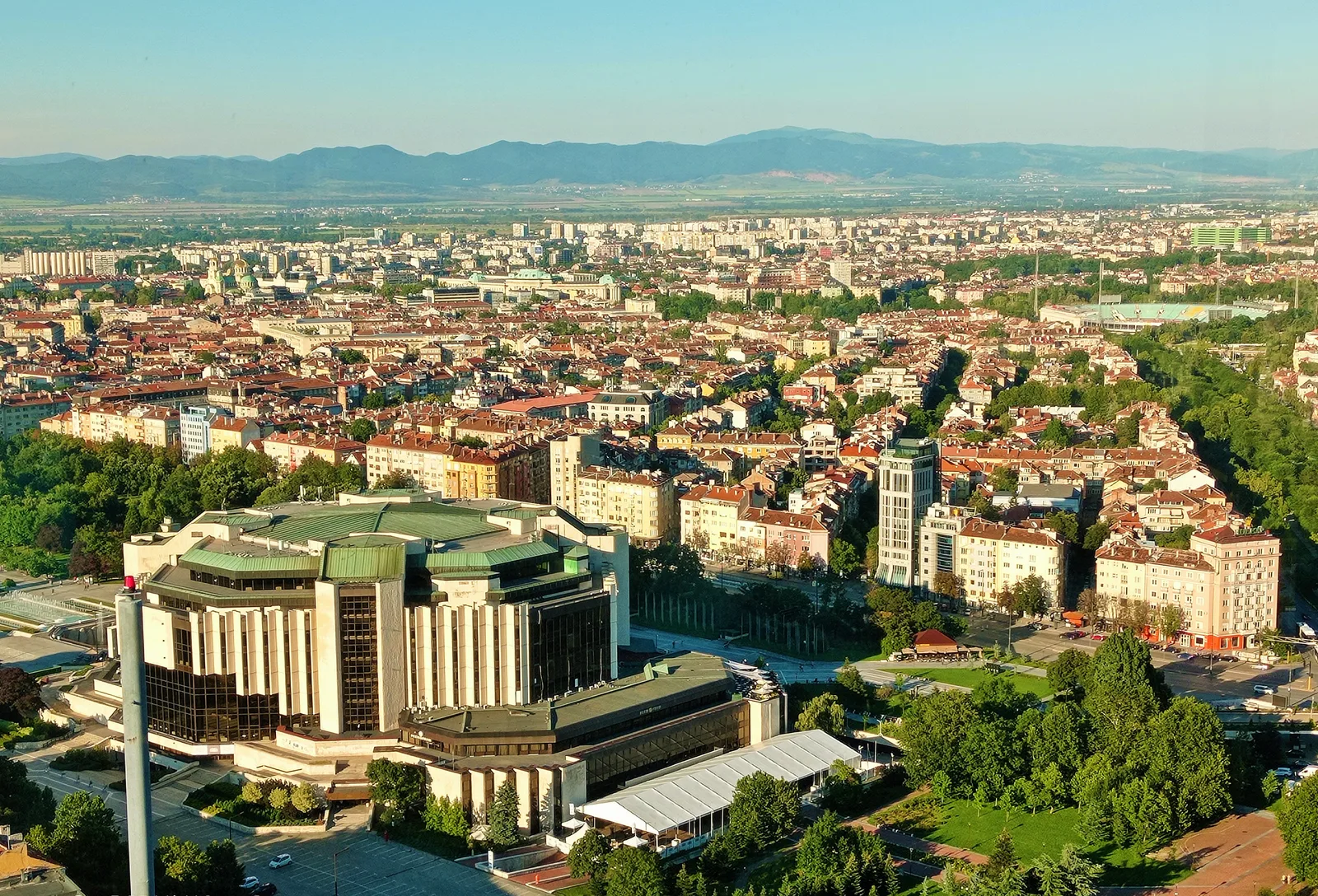
A city break with a mountain on the horizon
Sofia combines a compact sightseeing centre with the scale and daily demands of a national capital. Roman remains appear below modern streets, Orthodox domes rise above busy squares, and the mountain skyline invites you to extend a visit beyond museums.
Allow three days for the centre and a carefully planned visit to Boyana. Give Vitosha a separate weather-dependent day if walking in the mountains matters to you. A prospective resident needs additional weekdays for housing and commuting research. VisaWand's Bulgaria country guide provides national context, while the Bulgaria location directory helps identify other cities and settlements worth comparing.
Understand Sofia's setting and changing names
Sofia's geographical setting explains much of its character. The city lies at roughly 550 metres above sea level in a mountain-enclosed plain, below Vitosha's northern slopes. A view of the mountain does not mean that every residential address offers a quick or simple journey into it.
Serdica, Sredets and Sofia belong to different periods of the city's history. Roman urban remains survive within a place subsequently shaped by medieval, Ottoman and modern development. The official historical overview records the decision of 3 April 1879 to make Sofia the capital of the Bulgarian principality. That transition helps explain the civic architecture encountered on a central walk.
Begin where ancient Serdica meets the metro
Serdika is both a transport interchange and an introduction to the older city. The municipal museum's description of the Serdica complex distinguishes the Largo area beneath Nezavisimost Square from the separate archaeological exhibition under Knyaginya Maria Luiza Boulevard. The remains include streets, houses and evidence of commercial and religious life.
The Largo area is listed as freely accessible daily from 07:00 to 22:00. That does not make every nearby museum room free or continuously open. The Ancient Serdica exhibition has its own entrance and visitor arrangements; check its current ticket list rather than relying on old prices in leva still visible on some pages.
Move slowly between interpretation panels and street views above. Watch changes of level and use appropriate entrances if stairs are difficult.
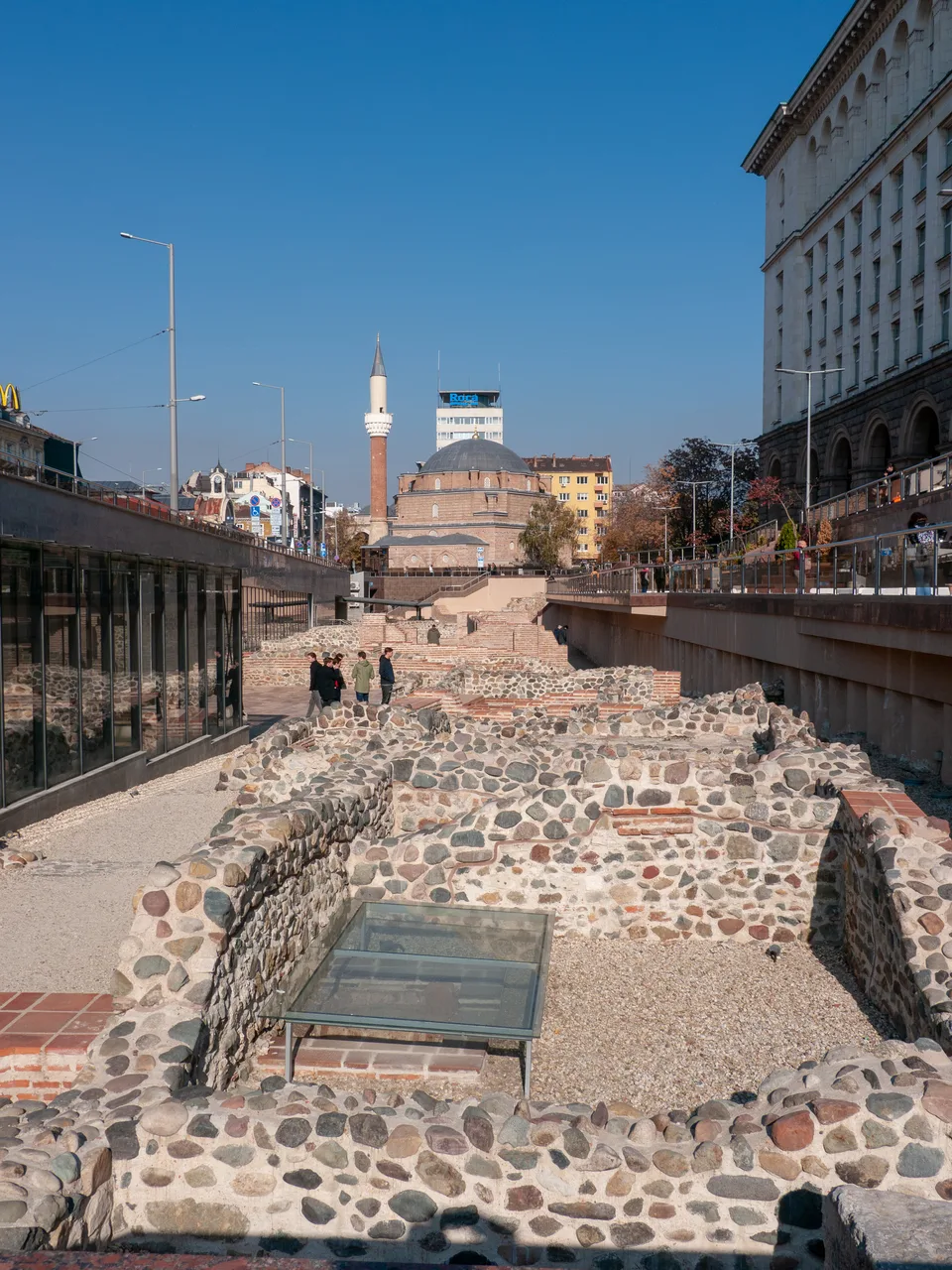
See the bath building as a museum
The former Central Mineral Bath on Banski Square is one of the most distinctive buildings in central Sofia. Its official building history describes the large bath's opening in 1913, later closure and conversion to the Sofia History Museum in 2015. Visitors should expect museum displays, rather than arriving with swimwear for an operating public thermal pool.
Use the collections to place the surrounding streets in context, and distinguish this city museum from the National History Museum farther south in Boyana. They are different institutions with different journeys and tickets.
The main building's published seasonal schedule lists daily opening from May through October and Tuesday-to-Sunday opening from November through April, normally 10:00–18:00 with last entry at 17:30. Check dated notices too: a temporary summer timetable may remain visible after its stated period has ended.
Give the cathedral quarter more than a photo stop
Alexander Nevsky Cathedral anchors a broad area of squares and cultural buildings. Appreciate its domes and changing silhouette from the surrounding streets before entering, and remember that it remains a place of Orthodox worship. Services, photography conditions and visitor access deserve attention rather than assumptions based on another traveller's account.
Nearby St Sofia offers a different experience below ground. The basilica's archaeological level presents earlier churches and burials from Serdica's eastern necropolis. Its entrance and museum arrangements are distinct from those of the functioning church above.
The archaeological level's published hours run to 17:30, with Monday opening in the May–October schedule and Monday closure in November–April. Pair it with the cathedral quarter if archaeology interests you, but keep the route manageable.
Choose an art collection and the right ticket
Kvadrat 500 is a practical choice for a substantial art visit near Alexander Nevsky Square. It presents Bulgarian and international works within the National Gallery's museum network. Regular opening is Tuesday to Sunday, 10:00–18:00; ticket sales finish at 17:30.
The National Gallery's prices effective from 10 August 2026 list standard individual admission at €10 for Kvadrat 500, €8 for the Palace and €10 for the Museum of Christian Art in the cathedral crypt. These are separate venues, not rooms automatically included in one basic ticket. A Kvadrat 500-and-Palace combination costs €15.
The same notice lists a €2 Thursday price across branches and concession categories. Check your eligibility and the exhibitions included before buying. In particular, a separately priced immersive exhibition should not be mistaken for admission to the entire museum.
Keep an evening for the City Garden area
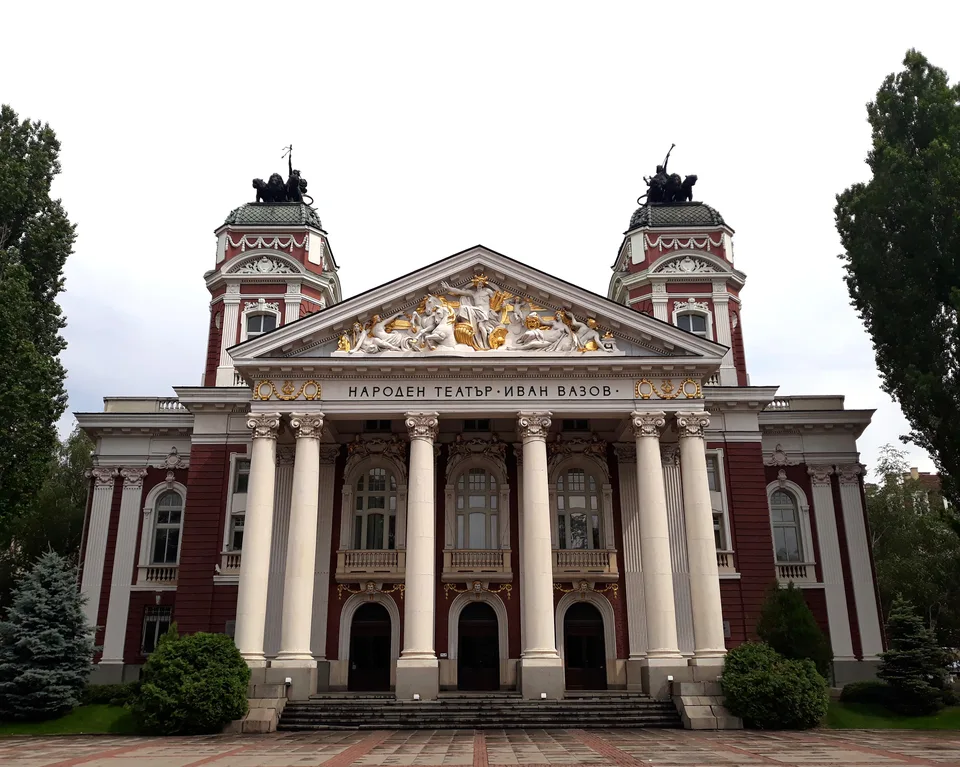
The City Garden and Ivan Vazov National Theatre provide a natural change of pace after museums. The theatre's façade rewards a look even when you do not attend a performance, while nearby streets let you combine a walk with dinner rather than adding another cross-city appointment.
For an actual evening inside, use the National Theatre's programme to check the production, date and stage. An English-language website does not establish that a performance is in English or has English surtitles. Confirm language arrangements, duration and the specific venue before paying.
If your accommodation is outside the centre, plan the return connection as part of the evening. A daytime transport route may not run on the same timetable after a show.
Plan Boyana Church around its conservation rules
Boyana Church is a small building with an unusually important interior. UNESCO's account explains the significance of its medieval painting and the development of the church through several construction periods.
The museum's current access rules limit entry to nine people at a time and ten minutes inside. Standard individual admission is €10. Organised groups require confirmed reservations, while individual visitors and small groups have allocated access periods. Check the arrangement appropriate to your party rather than assuming a general tour booking guarantees immediate entry.
Summer hours cover April through October; the winter schedule begins in November. Arrive with time for the next available slot. The operator also distinguishes courtyard access from interior access for guide dogs. Contact the museum directly about individual accessibility needs, and follow the conservation instructions on arrival.
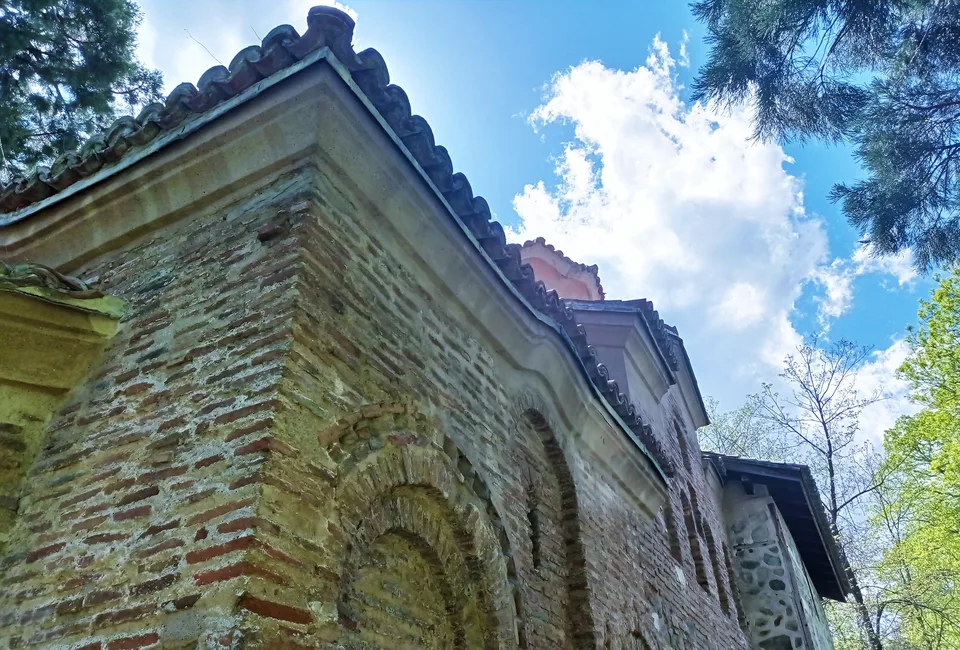
Decide whether to add the National History Museum
The National History Museum can complement Boyana Church, provided you allow for the journey between them and a proper museum visit. It is not the same attraction as the city museum in the former mineral bath. Choose it for a wider national historical perspective rather than expecting the small church visit to cover the same ground.
Current standard admission is €9. The museum normally opens daily from 09:30, closing at 18:00 from October through March and 19:00 from April through September. The ticket office closes forty-five minutes earlier. Listed holiday closures include 1 January, Easter Sunday and 24–25 December.
If you want a museum-led tour, the operator asks for advance arrangements, so do not depend on obtaining one spontaneously. On a short visit, choose the museum or a longer central afternoon according to your interests; adding both southern attractions makes the day substantially different from an easy central walk.
Choose a base for your actual journeys
For a first visit, compare central addresses around Serdika, the cathedral quarter and the streets leading toward Vitosha Boulevard and the National Palace of Culture. Their advantages differ: interchange access, proximity to museums, evening dining or a particular walking route. Check the property's entrance and nearest useful stop instead of relying on a broad label such as city centre.
Hotels can simplify late arrival and luggage storage; apartments may suit cooking, laundry or a longer stay. Ask whether the bedroom faces a busy road or an interior courtyard, whether there is a lift, and how late check-in works. Confirm heating and cooling arrangements for your travel season.
A foothill address may suit mountain-focused plans, but it adds another calculation for central sightseeing. Similarly, accommodation close to the railway station can help an early departure while offering less advantage for other days.
Arrive through the correct terminal
Vasil Levski Sofia Airport has two terminals. The metro station is beside Terminal 2, so a Terminal 1 arrival needs an additional connection. The airport's current transport page describes a free inter-terminal shuttle operating around the clock, with intervals varying between twenty and forty minutes during the day and night.
Line M4 connects Terminal 2 with the centre. The airport gives an approximate twenty-minute metro journey; allow separately for arrival procedures, waiting and the final walk. For the central railway and bus stations, change to M2 at Serdika. Check first and last trains for your actual day. For overnight arrivals, N4 serves both terminals hourly between midnight and 04:00; a night pass costs €1.
For a road journey, use the airport's published taxi arrangements and confirm the fare basis before departure. The airport identifies Yellow! as its contracted operator and directs travellers to the official desks or ranks. Keep your accommodation's full address ready, particularly when a building has more than one entrance or a restricted vehicle approach.
Use the fare that matches your travel pattern
The Urban Mobility Centre's 30 Plus ticket costs €0.80 and allows transfers within thirty minutes of the first validation. Validate again in each subsequent vehicle. The last validation must occur before the transfer window expires; you can then complete that validated journey. This is different from a promise of unlimited new boardings after thirty minutes.
Using the same bank card for more than two separate 30 Plus tickets in a day automatically produces a €2 day fare. Keep the same card or device throughout and follow the validation instructions even after reaching the cap.
The metro operator's 2026 ticket table also lists a €3 rolling twenty-four-hour pass and €7.60 seventy-two-hour pass, including night transport. A calendar-day product and a rolling pass serve different needs. Compare validity, transfers and night coverage rather than choosing solely by the lowest headline price. Separate railway tickets are needed for journeys outside the urban system.
Leave room for bread, salads and a proper meal
Sofia Tourism's food overview identifies banitsa, mekitsa, shopska salad, kavarma, kebapche and kyufte among the dishes visitors may encounter. Use those names as an invitation to read menus, rather than a checklist that every restaurant must serve in the same way. Bakeries, casual cafés and restaurants offer different ways to organise the day.
Check the ingredients of cheese pastries, salads, grilled dishes and stews if you have allergies or dietary restrictions. A vegetable-based dish can include dairy, while meat dishes may have accompaniments ordered separately. Ask about portion size before buying several plates on the assumption that each is small.
For self-catering, identify a usable grocery shop near your accommodation and verify the kitchen equipment before arrival. Shopping for yoghurt, bread and a few meals is practical only if you have refrigeration and time to use what you buy. Compare current menus instead of treating older leva prices as today's budget.
Calculate the trip in euros
Bulgaria introduced the euro on 1 January 2026, as confirmed by the European Central Bank. Older tourism pages and price photographs can still show leva. Use current euro tariffs and date-specific accommodation quotes when comparing the trip.
As one planning example, standard Kvadrat 500 admission at €10 plus a €2 urban day fare totals €12 before food and accommodation. A separate Boyana day with €10 church admission and €9 National History Museum admission begins at €19 before transport. These are chosen combinations, not an average daily cost or a claim that every visitor should buy them.
Ask accommodation providers to explain all taxes, cleaning charges and cancellation terms. Keep a reserve for a late transfer or a weather-driven change of plan. For shopping, compare materials, maker information and luggage space; a museum shop may help connect an object with something you have actually seen rather than an unspecified souvenir tradition.
Pick a season with an indoor alternative
Sofia's climate is temperate continental. Summer can make exposed sightseeing tiring, while winter changes the usefulness of shoes, outerwear and outdoor waiting time. Spring and autumn can suit a city-focused visit if you remain flexible about rain and temperature changes.
Plan the city and mountain separately. A comfortable afternoon in Sofia does not establish suitable conditions higher on Vitosha, and a seasonal tourism description is not a forecast. Check local warnings and the operating status of any transport you intend to use before leaving.
For a prospective move, include the less comfortable parts of the year in your housing questions. Ask for winter heating bills, summer cooling arrangements and an explanation of ventilation. Consider the walk to a stop in darkness or poor weather, not just the view from a sunny balcony. A short exploratory stay should test everyday routines as well as show you attractive streets.
Treat Vitosha as a separate outing
Vitosha gives Sofia a compelling outdoor dimension, but access should be planned around actual services and conditions. The Nature Park Directorate is the starting point for park information. Choose a route appropriate to your experience, equipment, daylight and the forecast, with a workable return journey.
Do not rely on an old itinerary that assumes every lift operates. The lift operator's current notice says the Simeonovo gondola is not working and that Vitoshko Lale 1 and 2 are under maintenance following the end of the summer season. Winter reopening depends on conditions rather than a guaranteed date. The operator identifies bus 66 as an access option; check its current departures and your final stop separately.
If mountain weather or transport makes the outing unsuitable, retain a city museum or park day.
Three days with enough time between visits
On day one, orient yourself around Serdika and the Largo remains, visit the Sofia History Museum if its schedule fits, and continue toward the City Garden. Keep the evening flexible for dinner or a performance you have checked in advance.
On day two, concentrate on the cathedral quarter. Choose the archaeological level of St Sofia, Kvadrat 500 or the Christian Art Museum according to your interests, rather than trying to absorb every collection. Leave time to walk between the squares and take a substantial break.
On day three, travel to Boyana Church around the available entry arrangements. Add the National History Museum if you want a longer southern outing; otherwise return for streets and neighbourhoods you have not explored. This is an editorial itinerary, not a booked tour. Adjust Monday plans for seasonal closures, and give Vitosha its own additional day when conditions and transport support it.
Find housing beyond the attractive listing
Start a move with temporary accommodation while inspecting longer-term homes. The municipal investment agency's housing resources identify established property-search platforms, including Imot and Homes. The same resource explains a useful listing convention: a two-room apartment commonly means one bedroom plus a living room. Confirm the floor plan rather than assuming the room count means bedrooms.
Request a written lease you understand, evidence of the landlord's authority, an inventory and a clear account of deposit deductions and notice. Ask which utility and building charges are additional, and obtain recent bills for the actual apartment. Avoid treating an advertised rent as the complete monthly household cost.
Inspect windows, ventilation, heating, lift access, internet installation and space for laundry or work. Record meter readings and existing damage at handover, and clarify responsibility for repairs before paying.
Test neighbourhoods against work and household needs
Lozenets, Mladost and neighbourhoods along other metro corridors offer different relationships with central Sofia, workplaces and the mountain edge. Choose between actual addresses rather than assuming that the same district works equally well for every household. A view or an attractive café cannot compensate for a commute that fails at your working hours.
Test the journey on a weekday, including the walk to the stop, transfers and the return after evening commitments. For two workplaces or a school journey, assess the combined routine. Compare access to groceries, pharmacies and the services you use weekly.
EURES' practical Bulgaria resources provide an administrative starting point for work and household planning. Confirm current requirements with the relevant institution, especially where older cost tables remain online. Families should contact schools or childcare providers directly about vacancies, language support, documents and fees. Do not sign a lease on the assumption that proximity to a school guarantees admission.
Set up healthcare for your own status
Visitors should arrange appropriate medical cover before departure and check how to obtain any regular medication. The European Commission's Bulgaria healthcare page explains care through providers contracted with the National Health Insurance Fund, including possible patient contributions. An eligible European Health Insurance Card does not make every service or private consultation free.
When moving, ask your employer, institution or the insurance authority how your status affects contributions and registration. Identify a suitable general practitioner, ask whether new patients are accepted, and clarify language and appointment arrangements. A travel policy and resident health coverage answer different needs.
Call 112 for an emergency. Keep your full address, entrance details, essential medication information and insurance documents accessible without depending entirely on one phone's mobile connection. For routine treatment, establish the provider's fee and insurance arrangements before attending, and request an invoice for payments you may need to document.
Keep tourism separate from work and residence
The Foreign Ministry's visa guidance places Bulgaria within the Schengen short-stay framework. The usual limit is ninety days in any 180-day period across the area, subject to nationality and the individual's permission. Travelling from another Schengen country to Bulgaria does not create a fresh ninety-day allowance.
Taking a Bulgarian job, enrolling for longer study, joining family or establishing a longer residence needs examination of the relevant route. A tourist visit and a long-stay visa are different permissions, and neither should be treated as automatic permanent residence. Confirm the process with the responsible consulate and Migration authorities before making commitments.
EU citizens use a different residence framework. The Interior Ministry's registration guidance explains the requirement for longer stays and supporting documents; confirm the category relevant to your work, studies or other circumstances. Remote work also deserves a route-specific check. Compare VisaWand's consultant listings for relevant help while retaining official sources as the authority on eligibility.
Extend the journey without crowding the first visit
Plovdiv offers another Bulgarian city to consider if you have more time. Check Bulgarian Railways' actual journey planner for your departure and return rather than relying on a universal travel-time claim. Include the connection between each station and the part of the city you want to explore, especially when travelling with luggage.
VisaWand's Plovdiv location page identifies the relevant city as a directory reference. For a wider regional itinerary, the completed Bucharest guide provides another capital to compare; allow for the full international journey and the permission appropriate to your itinerary.
The Bulgaria destination page connects broader plans with consultation options. Keep enough time in Sofia for the interests that brought you here. An extra museum, a carefully chosen performance or an ordinary neighbourhood afternoon can be more useful than adding a distant excursion simply because it appears possible on a map.
Official planning resources
Reviewed 15 October 2026. Use the official resources linked throughout this guide for admission, transport, housing and immigration decisions. Prices, services and rules can change; confirm the details relevant to your dates. Photography illustrates the locations and is not a live view.
View all official resources
- Urban Mobility Centre: current 30 plus ticket
- European Central Bank: Bulgaria introduces euro
- Metro operator: 2026 tickets
- Sofia Airport: current terminal and city connections
- National History Museum: current opening and admission
- Boyana Church: current access, history and admission
- Sofia History Museum: former mineral bath
- Sofia History Museum: Serdica complex
- St Sofia basilica: archaeological level
- National Gallery: prices effective 10 August 2026
- Kvadrat 500: collections and visit
- Municipal investment agency: settling in Sofia
- Bulgarian Ministry of Foreign Affairs: visa framework
- Sofia tourism: Alexander Nevsky Cathedral
- Vitosha Ski: current operating status
- Vitosha Nature Park Directorate
- Sofia Tourism: food and drink
- European Commission: healthcare in Bulgaria
- EURES: practical residence and household services
- Interior Ministry: EU citizens residence registration
- UNESCO: Boyana Church
- Sofia Tourism: city history
- Sofia Tourism: geographical setting
- Sofia Tourism: climate
- Ivan Vazov National Theatre: programme
- Bulgarian Railways: journey planner
Plan the next part of your journey
Explore the Bulgaria guide, browse other cities or compare consultants for your travel and relocation questions.