Visa
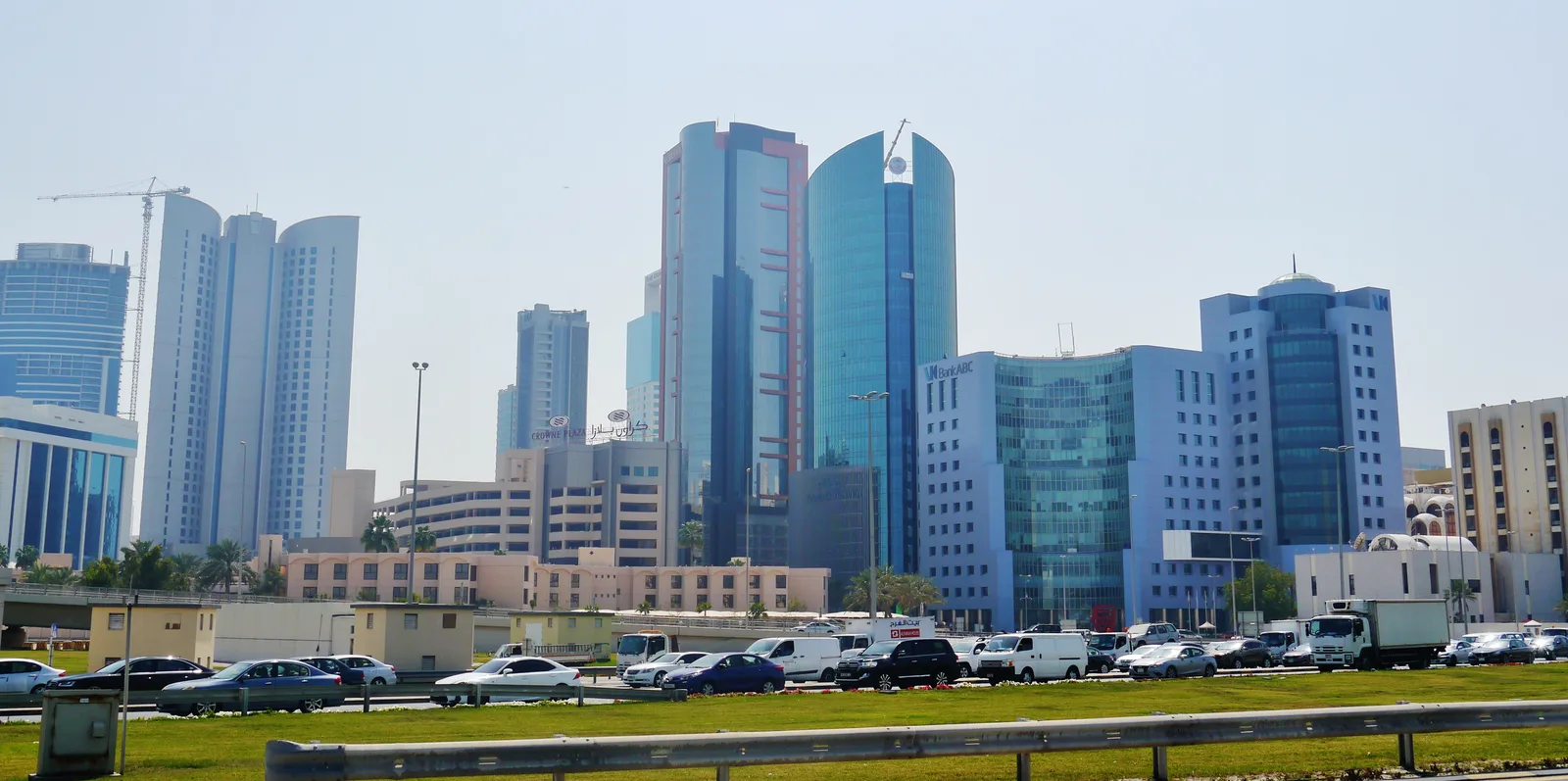
Manama is a city of trading streets and changing shorelines
Manama puts an old commercial centre beside a skyline of towers, hotels and reclaimed waterfronts. The rewarding contrast is between scales: a café table in the souq, a museum gallery explaining island life, and a broad view across the water. A short visit works best when it gives those experiences time rather than collecting Bahrain’s landmarks in a rush.
The capital is also a practical base for work or a longer stay, but convenience depends on your address. A hotel near a shopping centre, an apartment near a workplace and a room close to the souq solve different problems. Distances that look modest on a map can still involve busy roads, heat and a vehicle journey.
Start with VisaWand’s Bahrain country guide for national planning. Its Bahrain location directory helps distinguish Manama from nearby places, including Muharraq, whose heritage deserves a separate visit.
Check today’s conditions before committing to dates
As checked on 15 October 2026, the UK Foreign Office’s Bahrain advice describes continuing regional tensions and the possibility of further attacks, flight cancellations, airspace restrictions and other travel disruption. This is a dated planning consideration, not a prediction of what will happen during an individual stay.
Read your own government’s advice and your airline’s notices before paying for non-refundable arrangements. Check insurance cover for the actual circumstances and keep departure options under review. The King Fahd Causeway should not be assumed to provide a dependable alternative if flying becomes difficult; disruption can affect both routes.
For a prospective move, discuss business-continuity arrangements with the employer, including accommodation, communications and travel. For a holiday, preserve flexibility in the itinerary below. A functioning booking page or a published attraction schedule cannot establish that every service will operate normally on your dates.
Understand the history without moving its landmarks
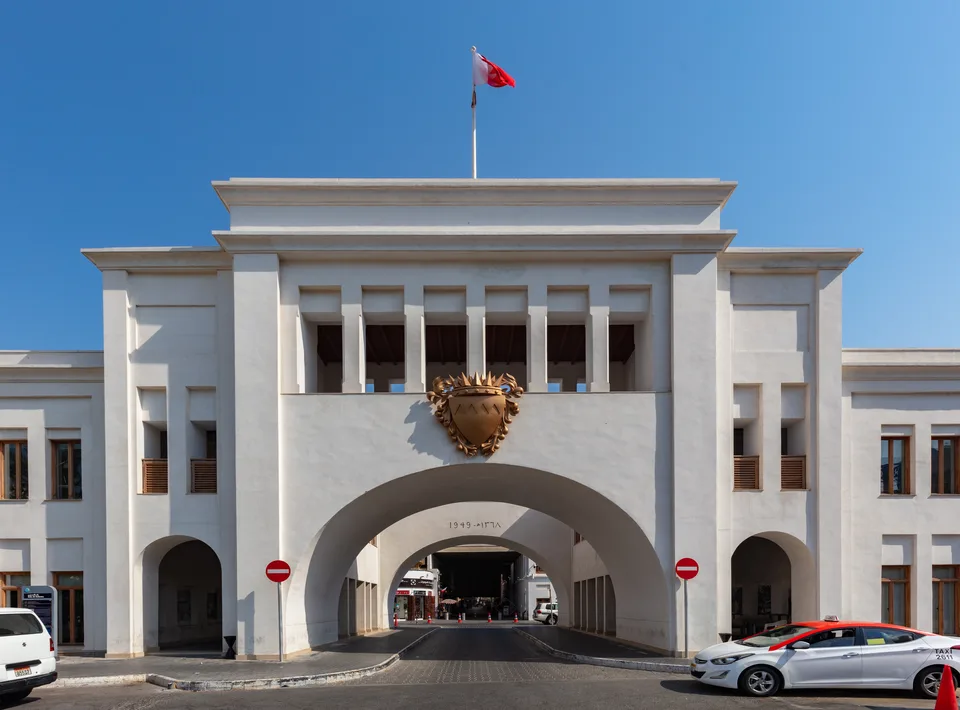
Manama’s souq grew around trade and the movement of goods through the waterfront. BACA’s account of Bab Al Bahrain explains that the gateway once housed government offices and overlooked the sea. Its position today helps show how much the surrounding shoreline has changed.
Bahrain’s older trading history is visible at Qal’at al-Bahrain, west of Manama. The archaeology there concerns the ancient port and Dilmun’s capital, rather than proving that every modern street in Manama has the same age. Similarly, the UNESCO-listed pearling heritage is centred on Muharraq and offshore oyster beds.
These distinctions make the visit more interesting. Manama is the contemporary capital and a base for exploring a wider island history; it is not a single open-air museum. The National Museum provides the context that connects archaeological sites, pearling, traditional crafts and the development of modern Bahrain.
Choose a neighbourhood around your daily journeys
For souq visits, compare central addresses around Bab Al Bahrain and the commercial streets behind it. Check the route from the actual hotel entrance: being “central” does not guarantee a quiet room, easy parking or an uninterrupted pedestrian route to every attraction.
Adliya is useful for travellers who value dining, especially around Block 338. Juffair is another area to compare for hotels and apartments, with Al-Fateh Mosque as a useful orientation point. For either, inspect the immediate surroundings rather than assuming an entire district has the same evening noise or street conditions.
Seef suits a different programme, particularly when shopping and serviced accommodation matter. Waterfront and diplomatic-area properties may appeal for meetings or views. For a working household, begin with the workplace and school journey; for a visitor, begin with the two or three places you will actually return to repeatedly.
Spend time in the souq, rather than simply passing through
Bab Al Bahrain makes a useful starting point for exploring the old commercial centre. The tourism board’s Manama Souq page describes shops selling spices, textiles, gold, perfumes and sweets, alongside traditional cafés. Give yourself time to follow a side street, stop for a drink and compare a few shops.
The gateway dates from the 1940s, with subsequent changes and restoration. Its former relationship with the port is more revealing than treating it only as a photograph stop. Look back towards the modern city after spending time among the smaller shops: the contrast explains something of Manama’s development.
Individual businesses keep their own hours, so avoid planning a tightly timed shopping mission around a single general souq listing. For expensive purchases, obtain an itemised description and receipt. Jewellery prices depend on the actual piece, weight and workmanship; a travel guide cannot promise that a market offers the best deal.
Let the National Museum explain the island
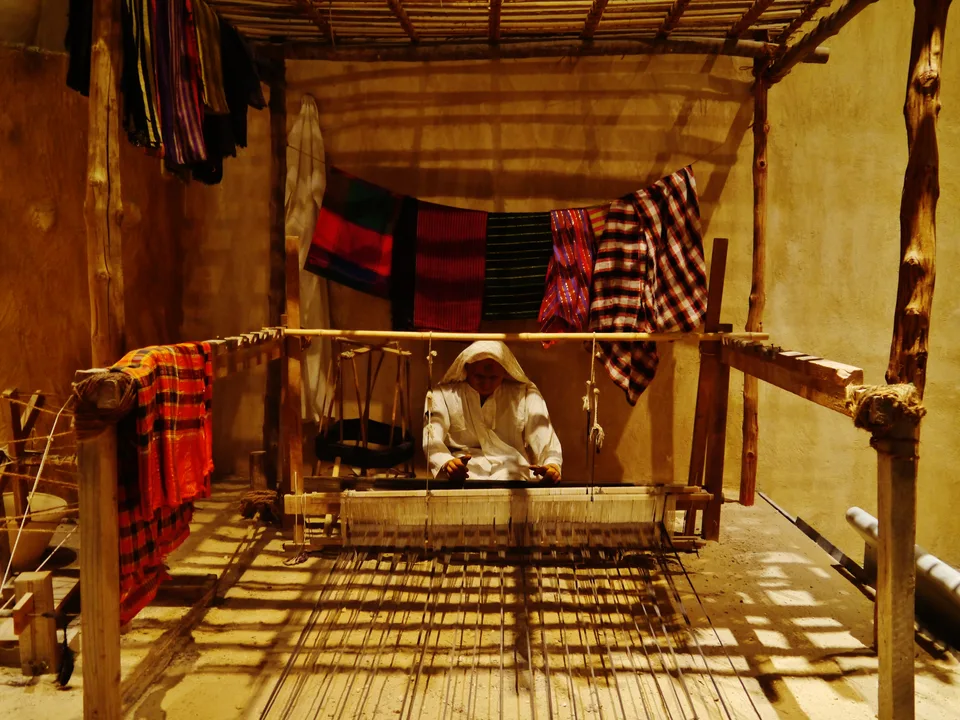
The Bahrain National Museum is a good early visit because its displays give later excursions a framework. Archaeology, burial traditions, documents, everyday customs and traditional trades help connect places that would otherwise feel like separate stops. Allow time for the craft and social-history displays as well as the ancient material.
The museum opened in 1988 and occupies a waterfront setting in Manama overlooking Muharraq. The museum’s dedicated opening-hours page lists 9am–8pm, closed Tuesdays. Check temporary exhibitions, holiday arrangements and any access changes before travelling.
The government admission schedule lists BHD1 for tourists and resident foreigners at the National Museum. Treat that as the published standard admission and confirm the current charge for your visit, especially for special exhibitions. The same schedule lists BHD2 for the Bahrain Fort Site Museum; that is a different venue, not a combined ticket covering every heritage attraction.
Visit Al-Fateh as a working place of worship
Al-Fateh Grand Mosque’s official visitor listing describes multilingual guided visits and lists Saturday–Thursday, 9am–4pm, with Friday closed to tourist visits. Build the appointment around the mosque’s arrangements, rather than arriving during a presumed gap between other activities.
The scale of the prayer hall, dome and calligraphy rewards attention to the building itself. Ask the guide about the spaces you are seeing and follow instructions on where visitors may stand, sit or take photographs. A quieter, attentive visit is more useful than trying to finish it as quickly as possible.
Wear modest clothing and check any additional visitor requirements before departure. Religious occasions and operational needs can alter access. If the visit is important to your trip, confirm directly instead of treating published weekly hours as a guarantee that every space will be open.
Use Adliya for an evening built around dinner
BACA describes Block 338 as a pedestrian quarter in Adliya with restaurants, galleries and boutiques. It works well as an evening destination when you want a choice of cuisines and time to walk between places, rather than a meal fitted into a long sightseeing transfer.
Choose a restaurant around the experience you want: a quick dinner, a longer shared meal or an occasion requiring a reservation. Check the menu and current opening hours directly. Older cultural descriptions can retain gallery locations or programmes that have changed, so confirm any exhibition separately.
Do not interpret a walkable dining enclave as proof that the entire journey from your hotel will be comfortable on foot. Arrange the outward and return transport around the weather and the actual route. For accommodation nearby, ask which rooms face evening activity and whether sound carries into bedrooms.
Bahrain Fort is an excursion west of the centre
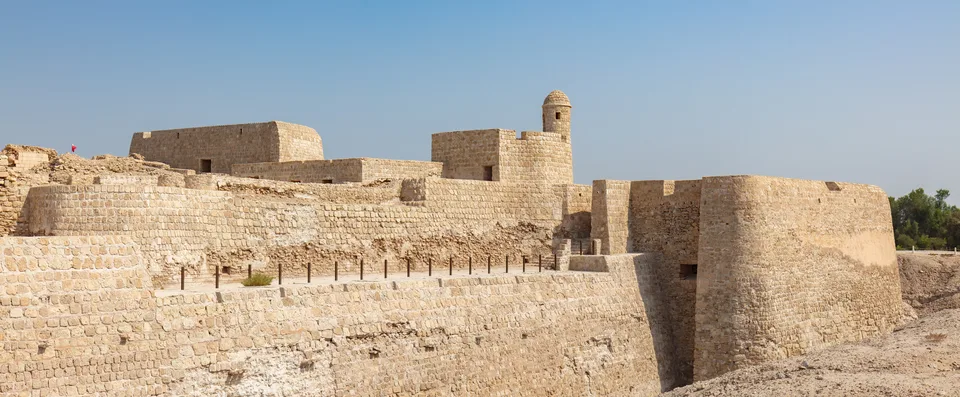
UNESCO’s Qal’at al-Bahrain description explains the site as an archaeological mound formed by successive occupation, with the fort above it. The layers of settlement and the former harbour matter as much as the defensive walls. Visit with enough time to understand the landscape rather than seeing only the silhouette.
The property is west of Manama in the Northern Governorate. Plan transport deliberately and combine the site with its museum when both are available. Check each component’s hours and admission separately; access to the grounds does not automatically mean an exhibition is open.
The exposed setting also changes how the outing feels. In hot weather, move the outdoor portion to a more comfortable hour and keep water and sun protection available. If conditions are unsuitable, shorten the visit rather than making the museum and fort compete with several other distant stops.
Give Muharraq’s Pearling Path its own half-day
The UNESCO-listed pearling property comprises buildings in Muharraq, oyster beds and coastal elements, including Bu Mahir Fort. The story concerns the social and commercial world created by natural pearls; it is not simply an opportunity to shop for jewellery.
The Pearling Path’s visitor information suggests starting at a visitor centre or Siyadi Majlis and following the distinctive pearl-shaped streetlights. Its published visiting hours are 10am–6pm, closed Tuesdays. Ask which buildings are open that day, because a street route and access to individual interiors are different things.
The operator also describes a boat connection from the National Museum area to Bu Mahir, but confirm current departures and return arrangements before depending on it. Travelling by road remains a separate option to investigate. Avoid combining a full heritage walk, a museum visit and several distant attractions into one crowded afternoon.
Choose accommodation for the stay you will actually have
A short city break often needs a reliable room, good sleep and straightforward transport more than an extensive list of facilities. Check the total rate, cancellation conditions and whether breakfast, parking or transfers are included. A waterfront photograph does not establish beach access.
For longer stays, serviced accommodation can provide a useful bridge before signing a residential lease. As a location example, Fraser Suites Seef Bahrain is directly connected to Seef Mall and offers several apartment sizes. Check the chosen unit’s facilities and ask about any works: the operator’s website carries a property-enhancement notice that should be clarified before booking.
Compare a hotel and an apartment using the same dates and household size. Add cleaning, laundry, meals, deposits and transport to the calculation. A cheaper room across a busy road from your daily destination can become inconvenient, while a more expensive address may save repeated journeys.
Families should verify the permitted occupancy, bedding and whether a separate bedroom has a closing door. Ask which cooking and laundry facilities belong to the particular unit. Travellers needing accessible accommodation should request details of the entrance, lift, shower and route to breakfast, rather than accepting a general statement that a building is accessible. Confirm assistance for airport transfers separately, including the space needed for mobility equipment.
Airport connections: compare the complete journey
Use Bahrain International Airport’s flight information alongside your airline’s notices, particularly while regional conditions remain changeable. Recheck the flight before leaving for the airport and allow for the actual check-in requirements attached to your booking.
The airport’s bus information identifies A1 and A2 among the routes serving the terminal. A1 connects through Muharraq and Manama; A2 serves Manama and Seef along its longer route. The airport page directs arriving passengers to the bus area near exit 4. Follow current signs if arrangements change.
For taxis, the airport’s official guidance gives a BHD2 initial meter charge plus BHD2 for airport pickup. Those charges are only the beginning of the fare, not a BHD4 fixed journey to every hotel. App-based pickup has a designated meeting point; check your booking instructions and the current airport signage.
Red buses can make a meaningful budget difference
The bus operator’s fare page lists a single paper ticket at 300 fils, or BHD0.300. With a GO Card, a trip costs 275 fils and daily fares are capped at 700 fils. The airport information lists a one-time card purchase charge of 500 fils; credit for travel is a separate consideration.
For example, three paper-ticket journeys cost 900 fils. With sufficient GO Card credit, the daily cap would limit eligible travel charges to 700 fils, excluding the initial card purchase. A BHD3 package covers seven days, while the BHD12 package covers 28 days rather than a calendar month.
Use the current route maps and timetables to check both directions and your final walking section. A low fare is valuable only if the route and operating hours suit the outing. Do not assume a proposed rail project provides an operating metro alternative.
Eat breakfast in the souq and compare dinner districts
The tourism board’s souq information highlights breakfast choices such as balaleet, eggs, fresh tanoor bread and karak tea. Haji’s Café is one named example in that official listing. Treat it as a place to investigate, not a claim of personal experience or a guarantee about a particular day’s menu.
Leave room for Bahraini sweets if they interest you. Halwa, rahash and other desserts appear in the souq’s shops, making an edible souvenir an alternative to buying something simply because it is labelled traditional. Ask about ingredients, allergens, storage and packaging before taking sweets home.
For evening meals, compare the souq with Adliya rather than expecting the same setting or price structure. Read the actual menu, clarify service charges and order around your appetite. Dietary restrictions deserve a specific conversation with the restaurant; a familiar-looking dish name does not establish its ingredients or preparation.
Build a budget from verifiable components
The museum and bus figures provide a useful starting point, but they do not define a complete daily budget. Accommodation for your dates, taxis, meals and optional activities can outweigh those small admission and transport charges. Calculate a realistic total using the bookings you intend to make.
Compare two versions of the visit: a central stay with selected taxi journeys, and a more distant hotel using buses where practical. Include the time and comfort of the final walk, particularly in summer. For a family, compare transport for the whole party rather than multiplying a solo-traveller assumption.
Keep cancellation conditions visible alongside prices. A refundable room or changeable flight may be worth more than a small headline saving when departure arrangements are uncertain. Avoid converting an old hotel offer into a citywide price claim; current quotes are more useful than an invented “typical” meal or rent figure.
Seasons and local customs shape the timetable
The cultural authority describes November to April as the cooler season for visiting. Those seasons generally make an outdoor programme more appealing than summer’s heat. In warmer weather, alternate indoor visits with short outdoor sections and judge comfort by the current forecast, not a promotional temperature figure.
Ramadan requires a different rhythm. The UK government’s local-law guidance advises against eating, drinking or smoking in public during daylight fasting hours. Ask accommodation staff about appropriate daytime dining arrangements and check revised attraction and restaurant hours. Avoid assuming that an evening programme runs on its ordinary schedule.
Dress modestly in public and follow stricter requirements at religious sites. The same guidance warns against photographing security and military sites or incidents. Keep cameras and phones away from sensitive situations; a skyline visit does not require filming security activity or sharing unverified material online.
A realistic three-night introduction
Arrival day: settle in and keep the evening for a short orientation and dinner. If you are staying centrally and conditions suit, make a first visit to Bab Al Bahrain. Leave detailed shopping until you are rested and can compare choices.
First full day: visit the National Museum, then choose Al-Fateh Mosque if visitor access fits your day. Spend the evening in Adliya. On a Tuesday, move the museum visit to another day; on a Friday, adjust the mosque plan rather than assuming visitor access.
Second full day: choose the Pearling Path or Bahrain Fort as the main excursion, then return for a relaxed meal. Both deserve more than a hurried photograph stop. Departure day: protect the airport connection. With a fourth full day, add the heritage excursion you omitted, subject to current access, weather and travel advice.
Moving starts with lawful status and a tested commute
Tourism admission, permission to work and longer-term residence are separate matters. LMRA’s employment guidance states that an expatriate worker following the employer-sponsored route needs the appropriate work permit and cannot legally work on a visit visa. Establish the employment arrangements before relocating around a verbal job promise.
For study, ask the admitting institution about the correct residence route and supporting documents. Do not assume that a visitor permission can simply be used for a full course. For longer-term plans, consult the Golden Residency eligibility criteria rather than treating a rental or property purchase as automatic approval.
The programme’s work-permission FAQ also makes an important distinction: Golden Residency holders still need an LMRA work permit to work. VisaWand’s consultant listings can help identify relevant assistance, but verify the scope, fees and advice against the official rules.
Housing requires more than a furnished-room photograph
Stay temporarily in the area before committing to a lease. Test the commute at the times you expect to travel, including the return journey. Inspect the actual apartment for air-conditioning performance, noise, ventilation, mobile reception and internet service rather than relying on the building’s marketing photographs.
Ask who pays electricity, water, maintenance and any building charges. The Electricity and Water Authority’s account-opening service sets out tenant documentation and deposit arrangements. Its tariff information distinguishes subsidised eligibility from other accounts; an expatriate household should not budget using a subsidised citizen rate.
Clarify deposit refunds, repairs, parking, visitors and the procedure for leaving. Photograph the inventory and meter readings at handover. Families should confirm school admission and the real journey to school before choosing housing around an assumed place. An attractive apartment is useful only if the household’s ordinary week works from that address.
If a furnished rental includes utilities, ask whether the allowance is capped and how excess consumption is calculated. Request a written explanation of who holds the account and receives the bill. Compare a recent bill for the actual property with the proposed arrangement, while remembering that another household’s usage may differ. Before departure, establish how the account is closed or transferred and how any final balance will be settled. Keep that process separate from the landlord’s refund of a residential security deposit.
Essential services and entry paperwork
For a move, review the government identity-card services and keep the residential address consistent with the relevant records. The health-centre directory helps identify local contacts, but confirm registration, eligibility, insurance and charges for your circumstances. A nearby medical facility does not guarantee free treatment or coverage for every service.
For a visit, begin with the official visa eligibility information and the NPRA eVisa portal. GCC citizenship and residence in a GCC country are different categories. Check your passport, residence status, travel purpose and permitted stay; do not apply a single nationality’s rules to everyone. Approval of a visa does not guarantee admission at the border.
Use the Bahrain destination page for consultation planning. If comparing another Gulf city, read VisaWand’s Doha or Abu Dhabi guides, allowing for separate entry rules and connections rather than treating a regional stop as an automatic extension of the same trip.
Official planning resources
Reviewed 15 October 2026. Use the official resources linked throughout this guide for admission, transport, housing and immigration decisions. Prices, services and rules can change; confirm the details relevant to your dates. Photography illustrates the locations and is not a live view.
View all official resources
- UK Foreign Office: Bahrain travel advice
- Bahrain Authority for Culture and Antiquities: Bab Al Bahrain
- Bahrain Tourism: Bahrain National Museum
- BACA: Bahrain National Museum opening hours
- Bahrain government: museum and heritage admission fees
- Bahrain Tourism: Al-Fateh Grand Mosque
- BACA: Adliya’s Block 338
- UNESCO: Qal’at al-Bahrain
- UNESCO: Pearling, Testimony of an Island Economy
- Pearling Path: visitor information
- Bahrain International Airport: public bus connections
- Bahrain Public Transport Company: fares
- Bahrain Public Transport Company: maps and timetables
- Bahrain International Airport: metered and pre-booked taxis
- Bahrain Tourism: Manama Souq, cafés and traditional sweets
- BACA: visiting seasons and practical information
- Bahrain Tourism: visa eligibility
- Nationality, Passports and Residence Affairs: official eVisa portal
- LMRA: visit visas and employment permission
- Bahrain Golden Residency: eligibility
- Golden Residency: separate work permit requirement
- Electricity and Water Authority: opening a utility account
- Electricity and Water Authority: current tariffs
- Information and eGovernment Authority: identity card services
- Bahrain Ministry of Health: health-centre contacts
- Fraser Suites Seef Bahrain: official accommodation information
- UK Foreign Office: local laws and safety
- Bahrain International Airport: flight status
Plan the next part of your journey
Explore the Bahrain guide, browse other cities or compare consultants for your travel and relocation questions.