Visa
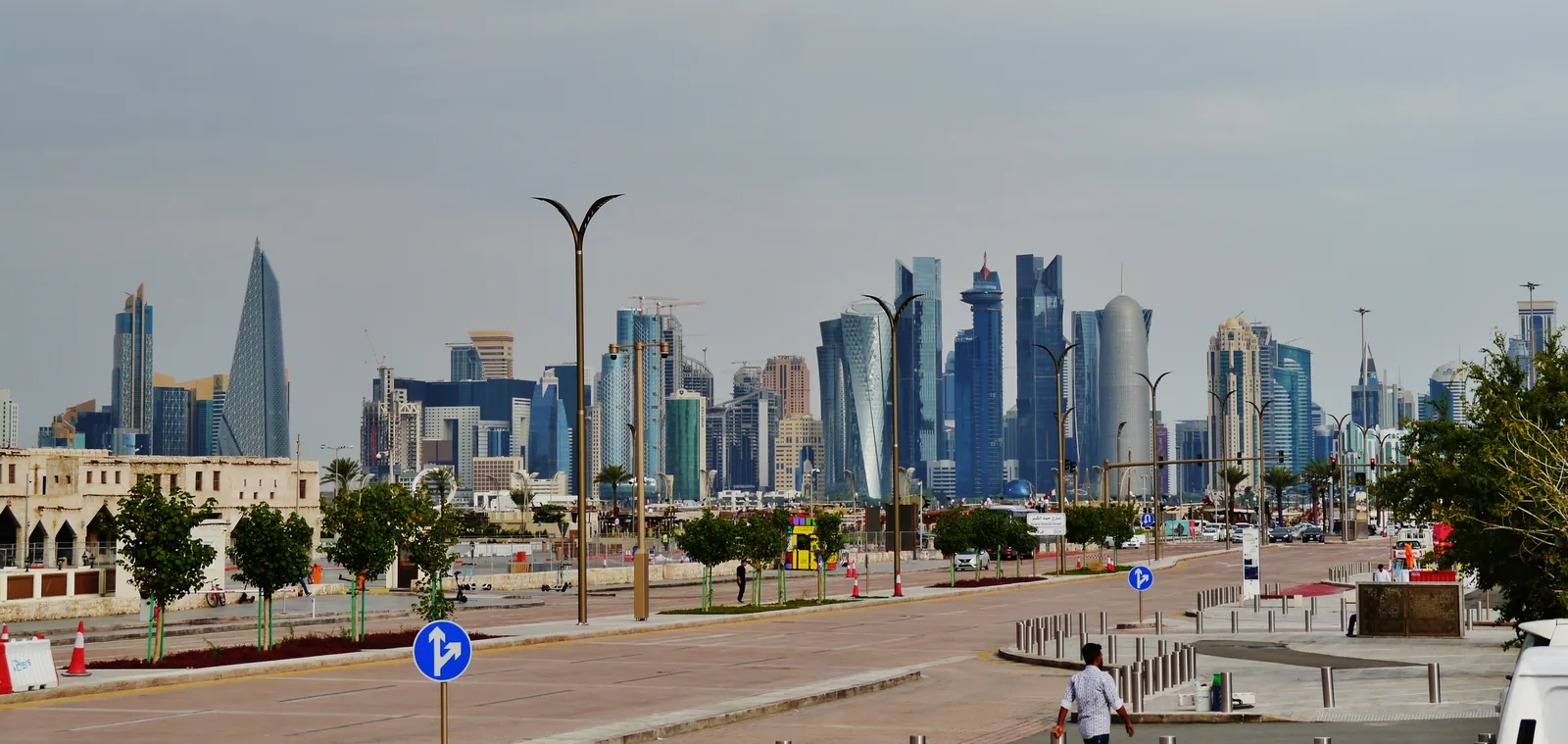
Build a Doha trip around the water and the clock
A museum morning, a break during the hottest hours and dinner around Souq Waqif make a convincing first day in Doha. The skyline is the city’s calling card, but the more useful decisions concern where you sleep, which museum is open and how far you will actually walk between an air-conditioned station and your destination.
Qatar’s capital suits a short cultural break, a carefully planned stopover or a longer reconnaissance visit before relocation. Give it three full days for an introduction that includes museums, the waterfront and a northern outing. A single transit afternoon requires a much narrower plan. Keep VisaWand’s Qatar country guide alongside this article when checking national requirements; airport transit, a tourist visit and permission to live here are different arrangements.
Read the city as several connected areas
Central Doha’s older visitor circuit combines Souq Waqif, Msheireb and the southern waterfront. The Corniche curves around Doha Bay towards West Bay, whose towers contain hotels, offices and apartments. Farther north, Katara and The Pearl create separate outing areas. The useful question is which cluster you want outside your door, not whether a hotel advertises a Doha address.
The national tourism board’s transport overview shows how the metro connects these areas with the airport and destinations farther afield. Lusail and Al Wakrah belong to the wider regional picture and should not be confused with central neighbourhoods. A map can make distances look modest while concealing a difficult final walk, a road crossing or a substantial transfer. Check the actual entrance to each property and attraction.
Look beyond the recent skyline
Doha’s modern appearance makes more sense against the region’s maritime and trading history. Pearling helped shape Qatar before declining during the twentieth century. The official historical overview records oil discovery in 1939 and the growing economic effect of exports in the early 1950s. Qatar became independent in 1971; later development transformed the scale and functions of its capital.
Avoid treating every traditional-looking building as untouched evidence of an earlier age. Souq Waqif has been reconstructed and restored, while Msheireb is a contemporary regeneration district. Museums provide the context that façades alone cannot. A visit is more rewarding when it considers the people, work and trade behind the transformation as well as the architecture that now represents it.
Stay near Souq Waqif or Msheireb for a first cultural visit
Choose this central cluster if evenings on foot, museums and access to several metro lines matter most. Souq Waqif offers a market setting; adjacent Msheireb has a more deliberately planned streetscape, contemporary hotels and cultural venues. The Msheireb destination page identifies the district’s connections with the Red, Green and Gold lines at Msheireb station.
The Souq Waqif Boutique Hotels by Tivoli illustrate the appeal of sleeping within the market area, but the name covers multiple buildings. Confirm the exact hotel, vehicle drop-off point and luggage assistance before arrival. Nearby streets can have very different noise levels. Ask about the room’s orientation if a quiet night matters more than a lively view, and verify the route back after an evening meal.
Compare West Bay and northern bases on their own merits
West Bay suits travellers whose plans involve business meetings, larger hotels or waterfront leisure. Hilton Doha’s location information places that property in the Al Dafnah diplomatic and business area. It is one example of this setting, rather than a claim that every West Bay hotel offers the same access or facilities.
For Katara or The Pearl, weigh the appeal of restaurants and waterfront surroundings against repeated journeys to central museums. A beach photograph does not establish private beach access, and a hotel pool may have hours or conditions that affect families. Compare the complete room price, breakfast, cancellation policy and facilities included for your dates. For a serviced apartment, check housekeeping, laundry equipment, cooking facilities and who resolves problems outside reception hours.
Spend an evening in Souq Waqif
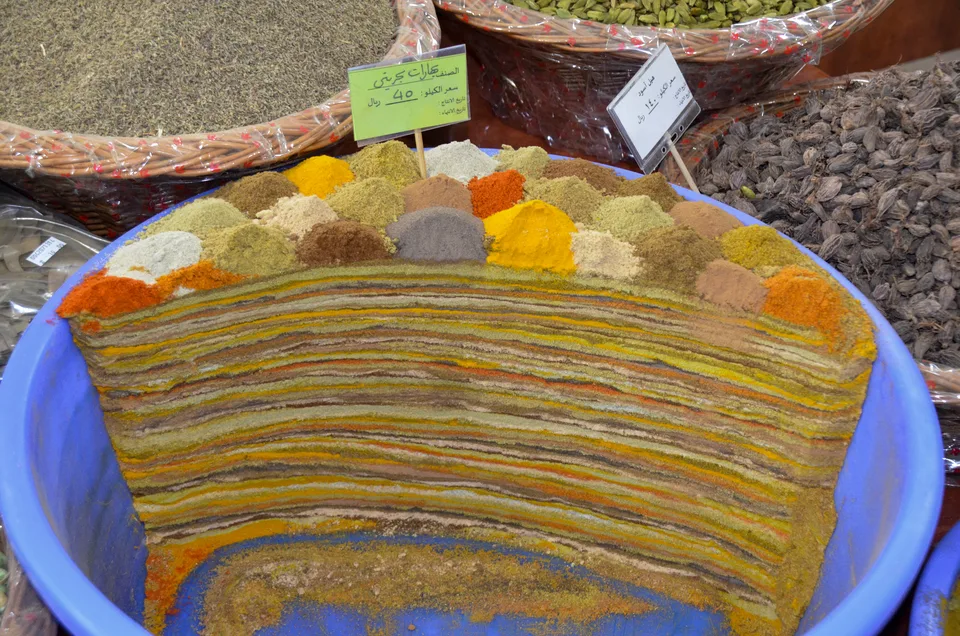
Souq Waqif’s visitor information describes a marketplace built on the site of an older trading centre, with spices, textiles, jewellery, crafts and restaurants. Go with a little time and a clear meeting point for your group. Browse the smaller lanes before settling on dinner, and compare goods rather than assuming everything has been made locally.
The market’s character changes between quieter shopping hours and the evening dining period. Check current festival programmes if a performance is part of your reason for going; entertainment is not guaranteed every night. The Falcon Souq introduces another regional tradition, but it remains an active setting involving live animals. Ask before taking close photographs or handling anything. Souq Waqif station on the Gold Line is a useful starting point for planning access.
Give the Museum of Islamic Art an unhurried visit
The Museum of Islamic Art’s visitor page sets out the current schedule: it closes on Wednesdays, opens later on Fridays and has extended Thursday hours. Check the page again for your date rather than applying another museum’s timetable. Its collections offer a much broader geographical and historical perspective than a quick architectural stop suggests.
Use Qatar Museums’ ticket selection to check the admission category and date available to you. The museum ticket covers its own exhibitions; do not assume it is a pass for every Qatar Museums venue. Follow the current visitor instructions about bags, dress and photography. Leave time for the waterfront setting afterwards, but distinguish the museum from MIA Park: the park’s published opening arrangements do not mean the galleries are accessible around the clock.
Check the National Museum’s gallery notice before booking
The National Museum of Qatar focuses on the country and its people. It currently closes on Tuesdays, unlike the Museum of Islamic Art. Its operator also warns that some galleries may be closed for enhancement. Read that notice and the current exhibition programme before deciding how this visit fits your interests.
The museum lists last admission 45 minutes before closing and says staff begin clearing galleries at that time. Arriving just before the final entry deadline is therefore a poor substitute for reserving a proper visit. Its visitor guidelines ask visitors to cover shoulders and knees and explain security, bag storage and photography conditions. Families should plan the pace around their children rather than expect to absorb every display in one continuous circuit.
Use Msheireb Museums to deepen the historical picture
Msheireb Museums occupy four heritage houses in the downtown district. Admission is free, but they close on Sundays and have a later Friday opening. Last admission is 30 minutes before closing, with changes possible during official holidays and special occasions. This makes them a useful addition to a central day, provided the calendar fits.
Choose houses by subject instead of treating them as interchangeable rooms. Bin Jelmood House examines enslavement, the contributions of formerly enslaved people and continuing forms of human exploitation. That is a significant part of the historical picture, not simply another decorative interior. Allow time to reflect. Visitors with specific access needs should ask about their intended route, because the operator’s accessibility descriptions vary between the individual houses and broader facilities.
Walk a section of the Corniche, not necessarily its full length
The Corniche’s official visitor page describes a seven-kilometre waterfront crescent. That length is useful context, not a challenge every visitor needs to complete. Choose a manageable section according to the light, weather, shade and the transport you will use afterwards. A short walk can provide the bay and skyline views without consuming the whole afternoon.
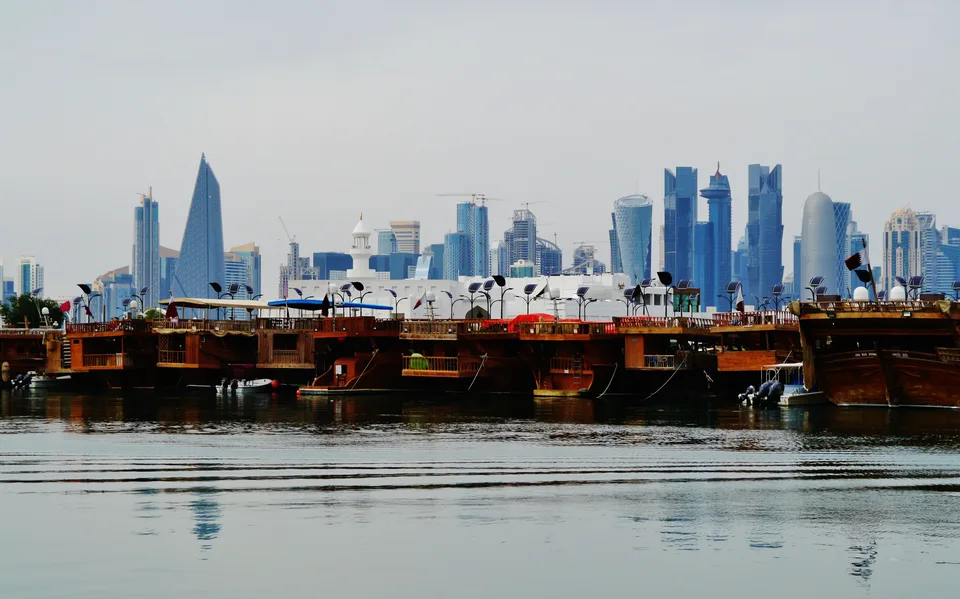
Dhows are part of the waterfront scene. Before agreeing to a boat outing, establish the duration, route, total price, capacity and safety arrangements. Ask what happens if weather or sea conditions change. A view from shore is a worthwhile option in itself. Keep an eye on event notices and temporary access arrangements, especially around major celebrations, rather than assuming the same waterfront route will always be available.
Make Katara a focused northern outing
Katara Cultural Village brings together galleries, an amphitheatre, mosques, dining and waterfront spaces between West Bay and The Pearl. Choose two or three things that interest you and leave room for a meal or a walk. It works better as a district to explore than as a promise that every venue will be open when you arrive.
Check the programme before travelling for a performance, workshop or planetarium session. For beach activities, confirm current admission, clothing requirements, equipment and age restrictions directly with the operator. Mosque access also depends on the area and timing permitted to visitors. Dress and behave respectfully around worship. If continuing to The Pearl, plan the connecting journey and return separately; neighbouring destinations on a map are not automatically connected by a convenient walking route.
Arrive through Hamad International Airport with a complete plan
Hamad International Airport serves international arrivals and transit passengers, but leaving the airport requires the relevant entry permission. Include immigration, baggage and the journey back through departures when judging whether a stopover excursion is realistic. A connection length is not the amount of sightseeing time available in the city.
The airport’s current metro information confirms a station linking the terminal with Doha’s visitor and business districts. Check operating times and the last useful train for your flight; seven-day service does not mean overnight operation. For accommodation, check the station-to-door route as well as the rail journey. A car transfer can make more sense for a family, heavy luggage or an arrival when the train will not fit the schedule.
Use the official taxi pickup and check the whole fare
The airport’s taxi-pavilion guidance directs arriving passengers to the left end of the Arrivals Hall. Mowasalat operates the airport taxis, with sedans and larger vehicles available according to the group and baggage. Coordinators can assist, and the operator lists cashless payment options. Ask about the fare arrangement for your destination rather than relying on an old fixed-price claim online.
Travellers needing a vehicle adapted for reduced mobility should arrange it with Mowasalat in advance. If booking another authorised transfer or ride-hailing service, confirm its current airport pickup instructions; do not expect every app to collect from the taxi rank. Save the vehicle and booking details, and make sure the hotel name and entrance are clear before setting off.
Let the metro organise the sightseeing day
Consult the current Qatar Rail network when choosing routes and stations. Msheireb is the interchange for the three metro lines, making it useful for a central base. Group destinations by area so that a visit does not repeatedly alternate between the southern waterfront and northern districts. Check the service notice and fare product before travelling, especially during major events.
Metrolink feeders can help with the final part of a journey, while the separate Msheireb tram serves its downtown circuit. Confirm the stop and operating arrangements for the service you need. Station accessibility does not answer every question about the pavement outside. In hot weather, a short final car journey may be a practical choice even when the overall trip uses public transport.
Eat Qatari dishes without overlooking the wider food scene
The tourism board’s cuisine introduction identifies machboos, a spiced rice dish with meat, alongside saloona stew, harees and balaleet. Luqaimat are sweet fried dumplings. These provide useful starting points for a menu conversation. Ask what is available that day, how a portion is served and whether a dish is intended to share.
Doha also has a broad international restaurant scene, so a useful food plan need not repeat the same type of meal. Compare menus near your day’s activities rather than adding a long transfer for an unverified recommendation. Check seafood pricing and any weight-based charges before ordering. Explain allergies directly, including concerns about nuts, dairy, wheat or shared preparation. A dish name alone does not establish every ingredient used by that kitchen.
Budget for choices, rather than a supposed universal daily price
Accommodation and paid activities will shape the total more than the number of landmarks on a list. Compare the final hotel rate for your dates, then price the particular museum category, transfer, beach facility or excursion you intend to use. Event periods can change availability; a low advertised starting price is not a booking quotation.
There are worthwhile free elements, including admission to Msheireb Museums and walking in public areas when conditions suit. Those savings do not make a whole day cost-free. Set aside money for meals, transport and any changes needed because of heat or tired children. Keep an emergency margin. For shopping, compare quality, provenance, warranties and the rules for taking purchases home, rather than judging value from the displayed currency alone.
Choose the season for the activities you want
Qatar’s seasonal guidance favours the cooler period from November to February for outdoor exploration and puts more emphasis on indoor activities during June to September. Plan longer walks for comfortable conditions, with water, shade and a realistic way to stop or return. A sea view does not remove the effects of heat and humidity.
Check the current forecast for heat, wind, dust and any changes affecting boat or desert outings. Cooler evenings can also call for an extra layer, particularly away from sheltered urban areas. During Ramadan and major holidays, reconfirm museum, restaurant and transport hours. Match your day to the actual conditions rather than assume that every winter afternoon will be mild or that an air-conditioned attraction solves the journey to its entrance.
A three-day itinerary with room to adjust
Day one: explore Msheireb, choose one or two museum houses, then spend the evening around Souq Waqif. If it is Sunday, move the indoor museums to another day and keep the central street exploration. This avoids beginning the trip with a rushed succession of long transfers.
Day two: make the National Museum or Museum of Islamic Art the main visit, then add a suitable waterfront section. Choose around their different Tuesday and Wednesday closures. Visit the second major museum on another morning if it matters to your interests.
Day three: explore Katara and, if you wish, continue to The Pearl with planned transport. Alternatively, reserve this day for an organised outing beyond the city. Leave a genuine departure margin instead of placing a distant excursion immediately before your international flight.
Know the practical rules before an evening out
The museums’ own guidance requests modest clothing covering shoulders and knees. The UK government’s Qatar travel advice also explains the expectations for public places and the restrictions around alcohol. Alcohol is served at licensed venues, with a legal drinking age of 21; drinking or being drunk in public is illegal. Check the venue’s original-identification requirement before going.
During Ramadan, seek current advice on eating, drinking and opening arrangements, particularly when moving between a hotel and public places. Ask before photographing people, and follow instructions at government, religious and restricted sites. Carry appropriate identification and keep important documents secure. These practical details help avoid a disrupted day without turning an ordinary visit into a succession of assumptions about what another country permits.
Moving to Doha means testing an ordinary week
Before committing to a long tenancy, stay temporarily and try the journeys that will shape your household. Measure the actual commute to the office or campus at the relevant time. For families, check the school place and transport arrangement before choosing a home around a preferred address. A pleasant evening outing does not demonstrate that a neighbourhood works for daily life.
Compare access to groceries, a clinic, laundry, recreation and the transport you will really use. Inspect the approach after dark and consider whether summer conditions would change your routine. Ask about construction noise, parking, lifts and maintenance response. Balance a larger home or extra facilities against repeated travel. A good relocation decision is based on the complete week, including errands and school runs, rather than a single test journey.
Inspect the lease and utility arrangements together
Confirm the landlord’s authority, the exact unit and a written tenancy you understand before paying. Record the inventory and existing damage, and clarify repair responsibilities, early termination, deposit refunds and renewal. Ask which charges are included: cooling, electricity, water, internet, parking and building facilities can materially affect the household total.
KAHRAMAA’s move-in service asks for identification and tenancy information, including an authenticated rental agreement for tenants. Check the requirements for the particular account and property with the landlord or provider. Photograph meter readings at handover and establish who closes or transfers accounts when you leave. Verify broadband availability for the exact building and unit. Request recent bills where possible so that your budget reflects the property’s actual arrangements rather than a broad city average.
Arrange healthcare and study requirements before settling
Residents and visitors use different healthcare arrangements. PHCC’s health-card guidance explains eligibility for citizens and residents, documentation and fees. It lists QAR100 for standard adult and child resident categories, with different fees for some other groups. The card provides access to subsidised services; consultations and non-emergency treatment may still cost extra. Confirm the health centre and insurance arrangements relevant to your household.
Visitors should check the health-insurance requirements attached to their entry category and length of stay, and choose cover that matches their needs. For study, coordinate immigration with the institution as well as securing admission. Qatar University’s prospective-student visa information illustrates a university-specific application process. Its financial and document requirements should not be assumed to apply identically to every school or university in Qatar.
Keep tourism, employment and residence permissions separate
Use Visit Qatar’s visa checker with your nationality, residence and any relevant existing visas. Different branches have different conditions, including hotel-booking requirements. Confirm your own passport-validity and onward-travel requirements before buying non-refundable arrangements. Do not take a condition displayed for another nationality as a rule for everyone, or rely on old World Cup-era entry advice.
For employment, the government’s residence-and-work overview explains the role of the employer in the usual work-residence process. Family sponsorship, study and other residence routes have separate requirements; a visitor entry is not general permission to work or settle permanently. VisaWand’s consultant directory can help you find relevant professional support. Compare scope and qualifications, then confirm official requirements before acting on advice.
Consider the wider region without shrinking the distances
Al Wakrah offers another coastal setting south of Doha; Lusail is a separate northern city. VisaWand’s Al Wakrah location page is a directory starting point, not a completed travel guide. For a longer regional itinerary, use the Qatar location directory and Qatar destination page to identify alternatives and relevant services.
Al Zubarah, desert outings and other destinations beyond the urban area deserve separate transport, weather and access planning. Do not compress them into a casual extra between two central museums. Choose Doha when its cultural venues, dining and waterfront suit your purpose; add nights elsewhere or an organised excursion when that is where you intend to spend the day. The result will be a more useful trip than an ambitious list that leaves little time at any one place.
Official planning resources
Reviewed 15 October 2026. Use the official resources linked throughout this guide for admission, transport, housing and immigration decisions. Prices, services and rules can change; confirm the details relevant to your dates. Photography illustrates the locations and is not a live view.
View all official resources
- Visit Qatar: getting around Doha and Qatar
- Museum of Islamic Art: plan your visit
- National Museum of Qatar: plan your visit
- National Museum of Qatar: visitor guidelines
- Qatar Museums: official ticket selection
- Visit Qatar: Souq Waqif
- Msheireb Museums: opening, admission and access
- KAHRAMAA: moving to new premises
- Primary Health Care Corporation: health-card eligibility and fees
- Visit Qatar: nationality and residence-based visa checker
- Qatar government portal: residence and work permits
- Hamad International Airport: metro connection
- Hamad International Airport: taxi pavilion
- Visit Qatar: climate and seasonal planning
- Msheireb Museums: Bin Jelmood House
- Visit Qatar: Qatari cuisine
- Visit Qatar: Msheireb Downtown Doha
- Visit Qatar: Katara Cultural Village
- Visit Qatar: historical context
- Hilton Doha: West Bay location and transport
- Visit Qatar: Souq Waqif Boutique Hotels by Tivoli
- Visit Qatar: Doha Corniche
- Qatar University: prospective students and student visas
- UK government: Qatar laws and practical travel advice
- Qatar Rail: current metro and tram network
Plan the next part of your journey
Explore the Qatar guide, browse other cities or compare consultants for your travel and relocation questions.