Visa
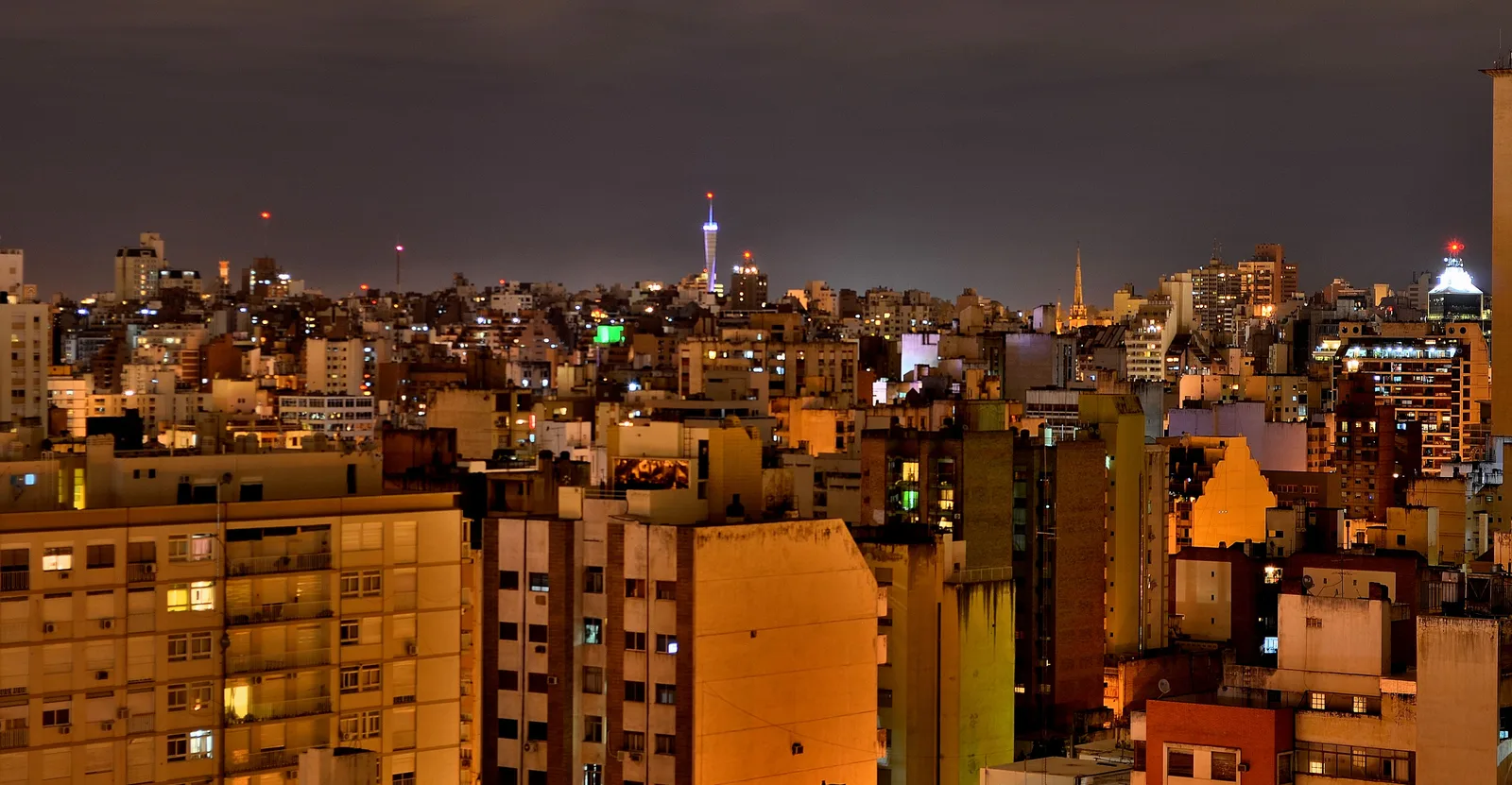
Córdoba rewards a stay beyond the usual stopover
Córdoba brings several versions of Argentina into walking distance: a colonial square, university courtyards, apartment towers, art museums and evenings organised around food and music. The provincial capital stands on the Suquía River in central Argentina. This is Córdoba, Argentina, distinct from the Spanish city with the same name. Its appeal lies in combining substantial urban culture with access to the surrounding sierras.
Give the city three nights if you want its historic centre, museums and a weekend market without rushing. Add nights for excursions rather than treating mountain towns as extra stops between lunch and an evening flight. For someone considering a move, those first days answer different questions: whether the neighbourhood suits your hours, how the commute works and what an ordinary apartment actually costs. Use the VisaWand Argentina guide alongside this city itinerary for the wider national context.
A university city with a complicated inheritance
Spanish colonial Córdoba was founded by Jerónimo Luis de Cabrera on 6 July 1573; that date marks a colonial foundation, not the beginning of human history here. The later street grid gathered civic and religious power around today's Plaza San Martín. The municipal history of Córdoba helps connect the square, Cabildo and churches rather than viewing each building in isolation.
The National University traces its origins to the Colegio Máximo in 1613. Its continuing presence explains the nickname La Docta and much of the city's intellectual identity. The University Reform of 1918 and the worker and student mobilisation remembered as the Cordobazo in 1969 belong to a history extending well beyond colonial architecture.
The Jesuit legacy also requires perspective. Its educational institutions depended on rural production, Indigenous knowledge and labour, and enslaved African labour. Attractive courtyards are an entry into that history, not an adequate account of it.
Begin at Plaza San Martín and the cathedral
Start with the central square before committing to a long list of indoor visits. The cathedral and Cabildo establish the relationship between religious and civic authority; the surrounding streets show how that historic core functions within a working city. Take time to look at building fronts, entrances and changing street activity rather than spending the entire morning moving between ticket desks.
Inside a church, sightseeing must fit around worship. Check whether visitor entry is available and whether photography is permitted; a quiet interior is not an invitation to photograph congregants. Historic buildings can involve thresholds, steps or restricted rooms, so ask about the specific route if access is important.
The centre makes a practical first morning because it provides orientation. Find your accommodation on a map, identify the route south towards the university block and allow a seated break before the next visit. Comfortable shoes matter more than an ambitious attraction count.
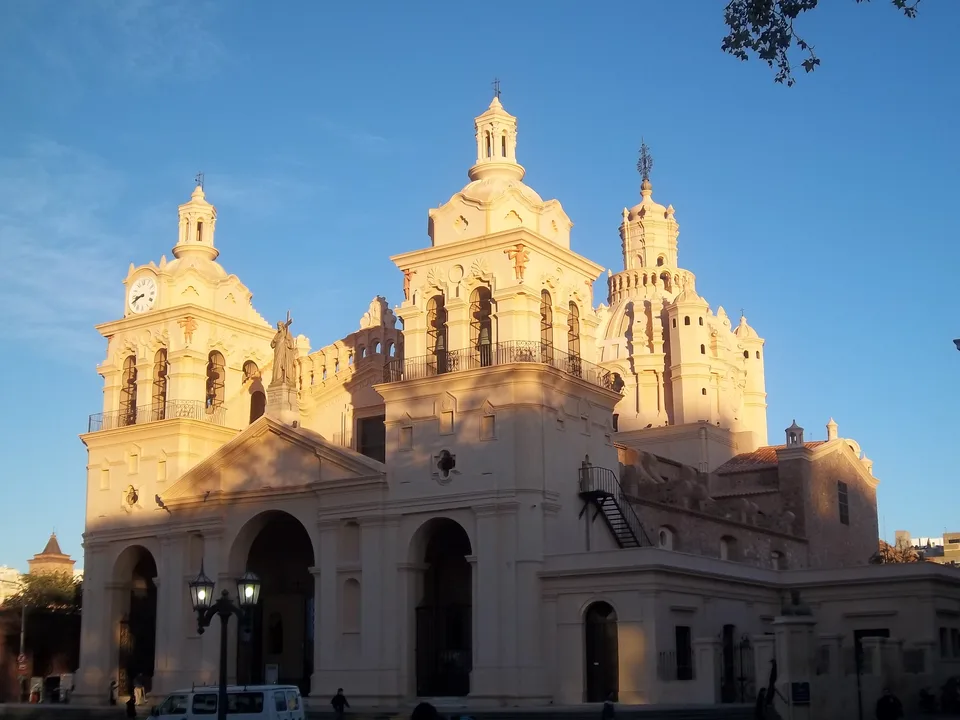
Visit the Jesuit block with enough time to understand it
The UNESCO Jesuit Block and Estancias property comprises the urban block and five separate rural estates. The designation does not cover the whole city centre. In town, the church, university buildings and Monserrat school form the concentrated heritage experience; the estancias require separate journeys.
The UNC Historical Museum offers the former rectorate, historic library collections, graduation hall and exhibits connecting books, maps and university history. Its published opening is Monday to Friday, 09:30–17:30, and Saturdays and holidays, 09:30–14:30. Aim to arrive at least half an hour before closing for an individual visit; a guided visit deserves more time.
English tours require booking at least 24 hours ahead. Spanish tours usually admit individual visitors without advance reservation at the published times. Check the museum's current programme before arranging your day around church access or a particular room, since tour routes and temporary exhibitions can vary.
Choose neighbourhoods around the experience you want
Centro puts the historic core close at hand. It is a sensible choice for a short stay focused on monuments and museums, but inspect the exact block and evening return route rather than assuming every central address offers the same experience. A business-oriented street can feel different after shops close.
Nueva Córdoba gathers major cultural stops around Plaza España, the Buen Pastor area and Parque Sarmiento. It suits travellers who prefer an apartment base with museums and park walks built into the day. Güemes offers another emphasis: craft shopping, courtyards, food and a stronger evening focus.
General Paz is worth considering for a longer stay if its dining options and actual commute suit you. Treat neighbourhood names as a starting point, then compare precise addresses. A quiet bedroom, useful grocery shop and direct journey to work may be more valuable than a fashionable district name.
Make art museums part of Nueva Córdoba
Palacio Ferreyra houses Córdoba's Evita fine arts museum in a former mansion. It is a different institution from the biographical Museo Evita in Buenos Aires. Together with the Emilio Caraffa and Palacio Dionisi museums, it gives Nueva Córdoba enough cultural substance for an unhurried afternoon rather than a quick photo stop.
The nearby Buen Pastor complex and the Capuchin church provide contrasting architecture within the same broad area. Choose two substantial visits instead of squeezing every building into a checklist. Before paying for a tower experience, ask about the stair count, physical demands and any age or weather restrictions.
Check current exhibition information and admission arrangements before departure. Municipal seasonal programmes are useful leads, but a January schedule is not proof of October opening hours. If a combined museum ticket is offered, compare the venues you genuinely plan to enter and the period in which the ticket remains valid.
Güemes is more than a market address
The municipal Güemes walking circuit links the channel of La Cañada, former housing, Casa de Pepino and the Paseo de las Artes. Walking it explains why small courtyards and reused buildings are part of the district's appeal. Leave time for browsing and a meal rather than expecting a single enclosed market hall.
There is a practical current complication. An August 2026 municipal works notice relocated craft stalls to Belgrano during renovation of Paseo de las Artes, with weekend and holiday street closures. Check the latest arrangement before visiting; the notice says traders return after completion, so it should not be read as a permanent new layout.
Ask a maker about materials and production rather than assuming every object is locally handmade. For larger purchases, establish delivery costs and export restrictions before paying. Historical courtyard photographs illustrate the area's character; they do not confirm that a particular business still operates.
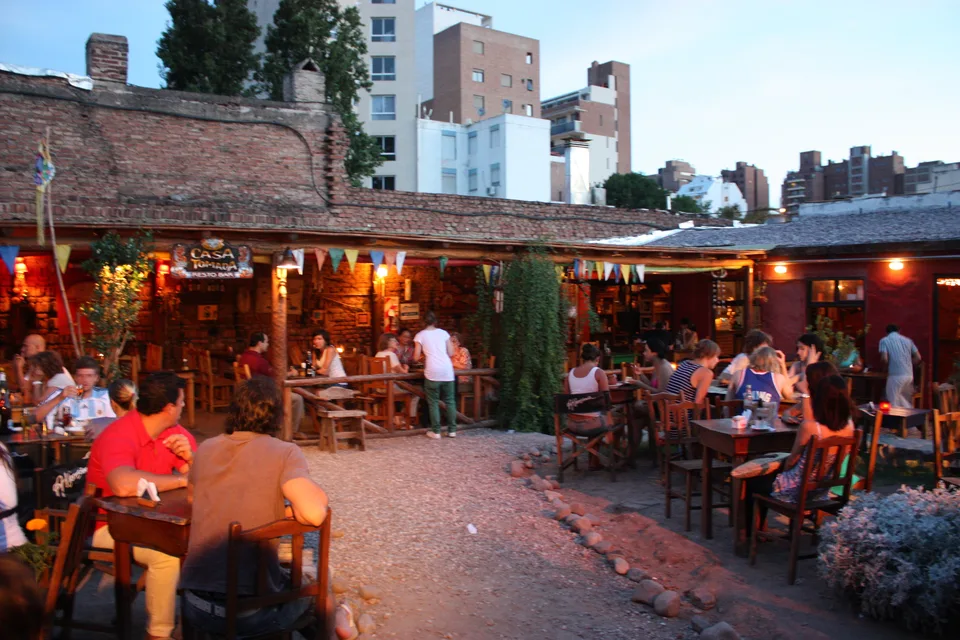
Take an easier afternoon in Parque Sarmiento
Parque Sarmiento gives the trip breathing space after the enclosed rooms of the historic centre. Paths, sculptures and the artificial lake provide a different way to understand Nueva Córdoba, while the rose garden and surrounding cultural institutions let you shorten or extend a walk according to your energy.
The provincial visitor page also identifies Avenida del Dante as an area for food, including choripán stands. That makes a park outing easier to combine with a simple meal, although opening hours and individual vendors need checking on the day. Carry drinking water and choose shaded breaks in hot weather.
Do not assume every attraction listed in an older park description operates in its former form. Confirm separate bookings for managed facilities. For children, a manageable walk with a planned toilet and food stop is usually more useful than trying to cover every corner of the park.
Choose accommodation by room and street
Hotels work well for a brief visit when reception, luggage storage and a straightforward late arrival matter. Apartments can be useful for longer stays, particularly when cooking and laundry reduce daily friction. Hostels may suit travellers prioritising shared spaces, but compare room occupancy, secure storage and quiet hours rather than relying on the category alone.
Ask whether a room faces the street or an internal courtyard. In an area chosen for nightlife, a rear bedroom can change the experience considerably. Confirm air conditioning for summer, effective heating for winter and lift access if the building description is vague. A balcony photograph does not establish reliable internet or comfortable bedding.
Before booking, obtain the total price, currency, taxes, cleaning charges and cancellation terms. For an early departure, establish how keys are returned and how transport is arranged. Compare the complete stay cost rather than the first nightly rate displayed.
Getting to Córdoba and reaching your accommodation
Flights serve Ingeniero Aeronáutico Ambrosio Taravella International Airport, identified by the code COR. Use the airport operator's Córdoba information for current services and your airline for the actual flight. When travelling through Buenos Aires, verify whether your itinerary changes between Ezeiza and Aeroparque; an airport transfer needs its own time allowance.
The AeroBus links the airport and the bus terminal area, but confirm its current departures, payment arrangements and luggage rules before relying on it. Older tourism pages still display superseded prices and Red Bus instructions. For a late arrival, compare a confirmed authorised transfer with the wait and onward journey involved in public transport.
Long-distance coaches are another option, but identify the terminal and platform on the ticket. Keep valuables with you rather than in an overhead bag you cannot watch. Avoid planning a tightly timed excursion immediately after an overnight journey or before an outbound flight.
Use current bus payment information
The municipality's SUBE guidance lists physical and digital SUBE, contactless Visa and Mastercard payments, compatible NFC devices and specified QR options. A bank card's foreign transaction charges remain a separate issue. Carry a second workable payment method rather than discovering compatibility problems while boarding.
If you load a physical SUBE electronically, the balance must be accredited. The published options include a terminal, a compatible NFC phone or asking the driver for Carga a Bordo before making the payment tap. Loading money and paying for a ride are separate actions.
The July 2026 fare announcement set the ordinary urban fare at ARS 2,150 from 18 July. At that published rate, four full-fare rides total ARS 8,600. Recheck before travel, and do not apply this urban fare to the AeroBus or interurban services. Social discounts depend on eligibility, not simply being a visitor with a registered card.
Eat through the city's everyday food culture
A lomito, empanadas or a plate of milanesa can be a more revealing lunch than an elaborate restaurant itinerary. Córdoba's municipal collection of traditional bodegones offers a useful starting point for finding dining rooms across several neighbourhoods. It includes market lunches, humita, chipá and other everyday dishes without requiring every meal to become an attraction.
Look at the current menu before sitting down and ask what a portion includes. Shared dishes only save money if the serving size suits your group; drinks, accompaniments and service arrangements can change the final bill. If dietary requirements are important, explain them clearly in Spanish and ask about ingredients and preparation rather than inferring suitability from a dish name.
For shopping, distinguish food purchases from gifts you intend to take abroad. Agricultural and animal-product restrictions depend on your next destination. Keep receipts and avoid buying an item whose material or provenance the seller cannot explain.
Leave room for music and an unhurried evening
Cuarteto is part of Córdoba's cultural identity, and an evening programme can show a different city from the one encountered in university courtyards. Use the municipal city overview as background, then check an actual venue's programme for your dates. Do not assume that a bar offering recorded music also hosts a live performance.
Before buying tickets, establish the start time, admission conditions, seating arrangements and whether food or drinks are included. For a group with mixed interests, dinner followed by an optional performance keeps the evening flexible. Families should check age restrictions directly rather than relying on photographs of the venue.
Plan the return journey before going out. Keep a charged phone and the accommodation address available offline, arrange a recognised transport option and avoid displaying valuables while waiting. In busy areas, pay particular attention to bags and phones when distracted by a menu, a street performance or directions. Choose a return route according to current local advice and conditions rather than treating an entire neighbourhood as uniformly safe.
Build a budget from identifiable costs
Argentina's changing prices make an undated daily dollar allowance a weak planning tool. Start with accommodation, then add current meals, the journeys you expect to make and the paid visits you actually want. Keep airport transport separate: it can distort a budget built around ordinary urban bus fares.
The UNC museum's October 2026 contribution schedule provides a concrete example. Individual entry is ARS 3,000 for residents in Argentina and ARS 5,000 for residents abroad; guided visits are ARS 5,000 and ARS 10,000 respectively. Two nonresident adults choosing a guided visit therefore budget ARS 20,000. Wednesday individual entry is free; that does not make every guided service free.
Record quotes in their stated currency and check your bank's conversion and withdrawal fees. Keep enough accessible funds for an unexpected transfer or an additional night. Cheap accommodation outside your preferred area may lose its advantage once daily transport is included.
Plan for seasons rather than a guaranteed forecast
The municipal climate description identifies hot, humid summers and cooler, drier winters, with summer thunderstorms and occasional hail. That supports a practical approach: schedule demanding walks earlier in hot weather, keep an indoor alternative and do not leave weather-sensitive travel decisions until departure time.
For many visitors, autumn or spring offers a useful compromise for combining streets, museums and park walks. That is a planning judgement, not a promise of mild weather every day. Winter visitors should check heating in accommodation and carry layers for changes between daytime sunshine and colder evenings.
Mountain excursions need their own forecast. Conditions in the sierras cannot be inferred from a city afternoon, and rain can affect plans even when the capital remains manageable. Check current warnings before leaving, particularly if a trip involves exposed roads, streams or an outdoor activity with limited shelter.
A realistic three-day first visit
Day one: begin around Plaza San Martín, visit the cathedral when sightseeing is appropriate, then continue to the Jesuit block. Arrange the museum tour around its published language and booking requirements. Leave the afternoon flexible for a café, another historic interior or simply recovering from travel.
Day two: focus on Nueva Córdoba. Choose a fine arts museum, explore the Buen Pastor area and take a break before Parque Sarmiento. Avoid scheduling the park's longest walk at the hottest point of the day. Return for dinner without adding a distant excursion.
Day three: visit Güemes and La Cañada, checking the craft fair's current location if your stay includes a weekend or holiday. Alternatively, reserve the whole day for one provincial excursion and move Güemes to an earlier evening. A three-day stay cannot comfortably cover the city and all five Jesuit estancias; choose the experience that matters most.
Look beyond the capital without overloading the day
Alta Gracia offers a way to connect the urban Jesuit block with an estancia setting. Jesús María provides another distinct provincial option. The municipality's regional distance list places them roughly 39 and 48 kilometres from Córdoba respectively, but those figures are orientation points, not door-to-door journey times or promises about a particular bus route.
Villa Carlos Paz is another nearby possibility, especially for visitors wanting a different setting for part of the trip. Before committing, compare a return excursion with changing accommodation: luggage handling, check-in and onward travel can consume the apparent savings in distance.
For a wider Argentine journey, compare Buenos Aires and Mendoza destination pages. Their appeal and transport requirements differ, so choose according to the trip you want rather than assuming every major city offers an interchangeable experience. Keep a buffer between provincial travel and an international departure.
Test daily life before signing a lease
If Córdoba is a possible home, begin with a temporary base and visit prospective streets at the hours you would actually use them. Test the commute, grocery shopping, school journey and evening return. An address convenient for sightseeing may be inconvenient for a job or course elsewhere in the city.
For a rental, request written terms covering currency, adjustments, deposit, guarantees, building charges and responsibility for repairs. Ask for an itemised account of the initial payment and keep receipts. Photograph the property's condition together with the inventory; verify the person receiving money is entitled to rent it.
Check water pressure, ventilation, heating, cooling and mobile reception inside the rooms. For electricity and water, establish which accounts the tenant manages and which costs remain with the owner or building administration. Request recent bills and confirm any arrears before agreeing to take responsibility.
Arrange services and support around your household
Internet availability is an address-level question. Ask providers whether they serve the exact building, what installation requires and how long activation currently takes. If work depends on connectivity, test it and plan a backup rather than relying on an apartment advertisement's description.
Families should verify school admissions, required records and any translation or recognition procedures before committing to a neighbourhood. Healthcare arrangements need the same preparation: identify a suitable provider, understand insurance coverage and retain accessible copies of prescriptions and essential documents.
The municipal Centre for Migrants and Refugees, CAPeM, provides orientation on migration procedures, qualifications, employment and local services. It can help you identify the correct office or process. Its advice is a useful starting point for settling in, while decisions on immigration status remain with the responsible national authorities.
Keep a visit separate from work, study and residence
Check the official tourist entry guidance and your Argentine consulate for rules applying to your nationality and documents. The immigration authority describes tourist admission of up to three months with a possible extension, and explicitly says tourists cannot undertake paid work. Your authorised stay is the one actually granted; an extension is not automatic.
Carry suitable health insurance and check the embassy explanation of the 2025 immigration changes. Official notices distinguish the decree's declaration requirement from how it is implemented. Confirm current instructions before departure instead of assuming an old pandemic form or a generic online declaration is the correct procedure.
For employment, study or joining family, consult the temporary residence categories and their specific requirements before making commitments. Nationality-based MERCOSUR routes differ from other categories. A university place, rental contract or overseas income does not by itself establish permission to work or permanent residence. Use VisaWand's Argentina consultant listings when comparing professional help, and retain official instructions as the basis for your application.
Official planning resources
Reviewed 28 October 2026. Use the official resources linked throughout this guide for admission, transport, housing and immigration decisions. Prices, services and rules can change; confirm the details relevant to your dates. Photography illustrates the locations and is not a live view.
View all official resources
- Cordoba municipal history
- UNESCO Jesuit Block and Estancias of Cordoba
- UNC museum visiting information
- National tourism Nueva Cordoba
- Municipal Guemes walking circuit
- Municipal Guemes works and temporary craft fair location
- Provincial Parque Sarmiento visitor information
- Aeropuertos Argentina Cordoba airport transport information
- Municipal SUBE payment guidance
- Municipal urban passenger fare July 2026
- Municipal traditional dining collection
- Cordoba municipal tourism city overview
- UNC museum October 2026 contributions
- Municipal seasonal climate
- Municipal arrival and provincial distances
- Municipal migrant and refugee support
- Migraciones tourist documents and work restriction
- Argentine embassy insurance and declaration update
- Migraciones temporary residence categories
Plan the next part of your journey
Explore the Argentina guide, browse other cities or compare consultants for your travel and relocation questions.