Visa
A city base for wine country and the Andes
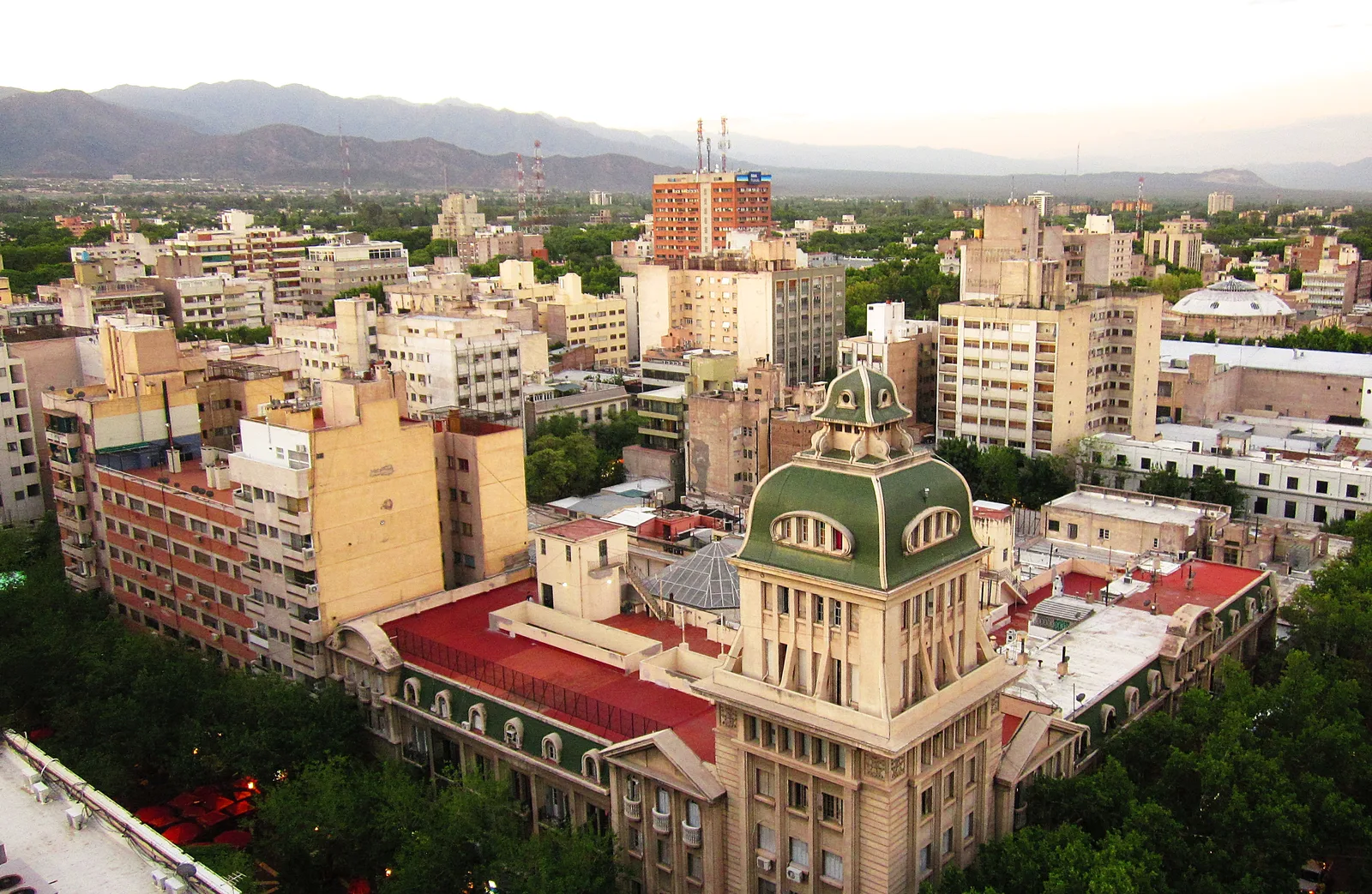
Mendoza works best when you separate the city you sleep in from the landscapes you travel to. The provincial capital offers shaded streets, public squares, restaurants and an everyday urban routine. Vineyards and mountain excursions broaden the trip, but they require their own reservations and transport. A central hotel can suit someone who wants evenings on foot; a rural lodge serves a different holiday, with fewer spontaneous journeys.
Allow three days for a first introduction, or longer if wine appointments and mountain scenery are your main interests. You can enjoy the city without drinking: its irrigation channels, archaeological museum and large park give the visit substance beyond tastings. Consult the municipal visitor website for current cultural programming, and use VisaWand's Argentina country guide for the wider journey.
Understand the oasis beneath the street grid
Mendoza's greenery is maintained within an arid environment. The open irrigation channels called acequias are part of the streetscape, rather than decorative streams. They help explain why trees and shade are so prominent in the city's identity. Watch your footing beside them, particularly when stepping off a pavement, crossing at dusk or moving luggage between a vehicle and your accommodation.
The municipal history of Mendoza places Huarpe communities and irrigation before the colonial foundation of 1561. The destructive earthquake of 1861 reshaped the city; its reconstructed layout centres on Plaza Independencia with four smaller surrounding squares. The contrast between this spacious plan and the older founding area makes a rewarding first walk. It also provides a more useful introduction than treating every plaza as an unrelated photo stop.
Choose between the centre and the wider metropolis
For a short stay, begin your accommodation search around Plaza Independencia and the surrounding central blocks. Check the actual walking route to restaurants and your pickup point, rather than relying on a listing labelled “Mendoza”. That name may describe the city, the wider urban area or the province, which can put apparently comparable properties in very different settings.
Arístides Villanueva and the Sarmiento corridor are established dining and commercial areas, documented in the city's recent public-space update. They suit visitors who value an evening out, although rooms facing active streets need a noise check. Godoy Cruz, Maipú and Luján de Cuyo have their own destination directories on VisaWand. These neighbouring municipalities are useful search areas, not interchangeable central neighbourhoods or completed travel guides.
For an apartment search, save the street address and municipality alongside each listing. Ask for a map pin before comparing transfers. Someone planning several early winery pickups may value an agreed central meeting point more than a larger room farther away. Someone planning a quiet week of reading might reach the opposite conclusion. Neither preference requires assuming that one whole district is uniformly quiet, safe or inexpensive.
Start with plazas and the founding area
Walk through the central squares with time to sit, rather than filling the morning with transfers. Plaza Independencia makes a convenient orientation point. Compare the surrounding streets, look at how shade changes along your route and identify a café or grocery shop near your accommodation. For a prospective resident, this simple circuit also reveals more about daily convenience than a drive through the centre.
Then visit the Museo del Área Fundacional at Plaza Pedro del Castillo. The municipality's 2026 museum report confirms its reopening in August 2025 after substantial renovation. Archaeological remains of the former colonial Cabildo help explain what the earthquake erased; the nearby San Francisco ruins extend that story. Check visitor admission and opening arrangements separately: free educational activities and school-group timetables do not establish the terms for every tourist visit.
Give Parque General San Martín an unhurried visit
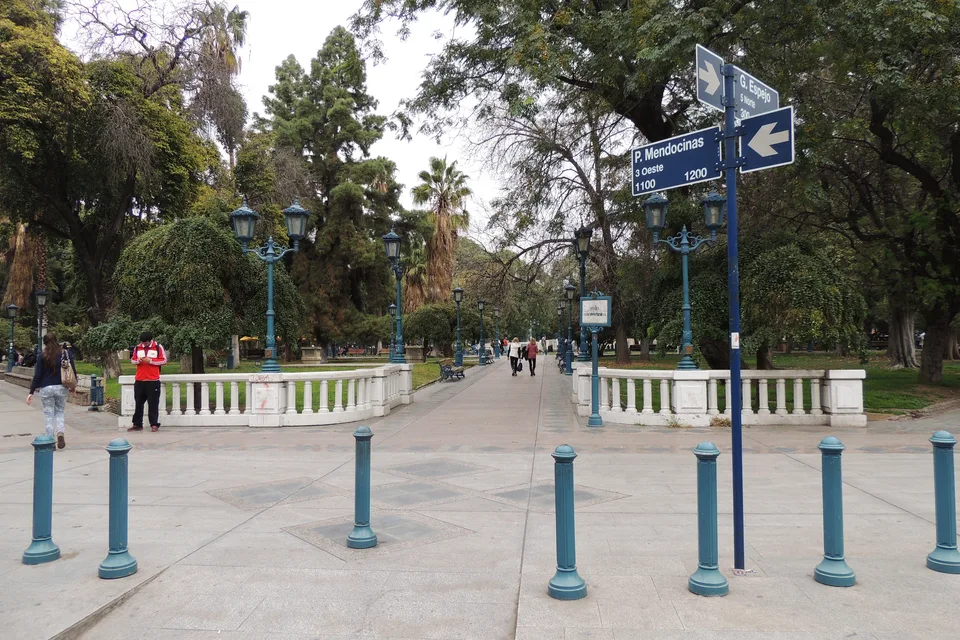
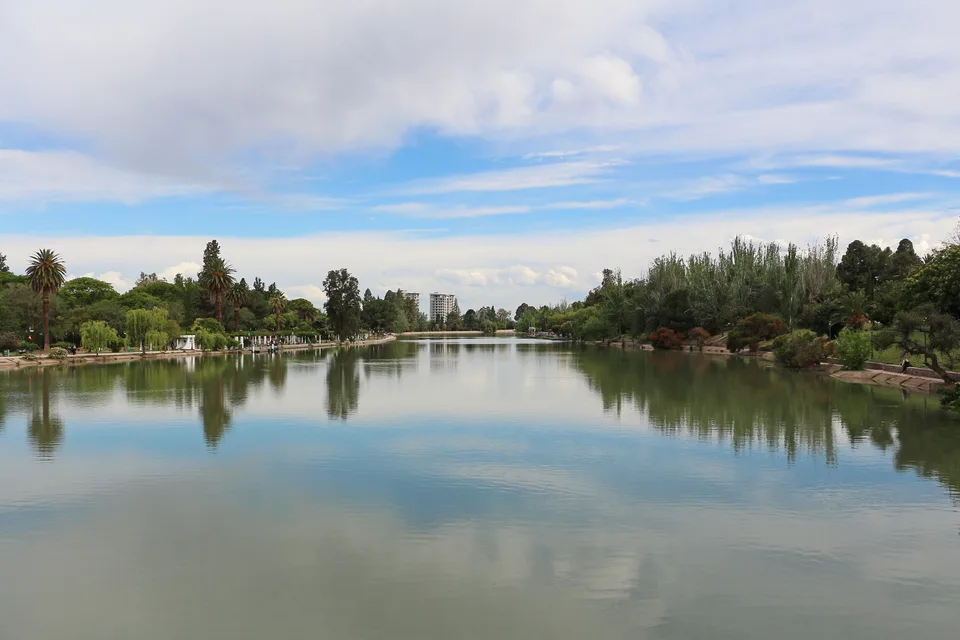
Parque General San Martín provides a change of scale from the compact central streets. Its landscaped setting and lake make it a natural place for a slower afternoon, a walk or time outdoors with children. Pick a manageable section and establish your return route; arriving at a park entrance does not mean every feature is a short walk away.
The municipality dates the park's creation to 1896 and associates its design with Charles Thays. Let that landscape history inform the visit without turning it into a checklist. Carry water, seek shade in hot weather and consider how much walking remains before dinner. A park afternoon also gives non-drinkers a satisfying alternative while companions attend a tasting outside town.
Make one winery visit count
Choose an appointment for its location, language, duration and inclusions before comparing the prestige of the label. Bodegas López offers a particularly clear transport option: the winery's own website places it in General Gutiérrez, Maipú, approximately 300 metres from Gutiérrez Metrotranvía station. Confirm the route and the final walk when booking; this does not make every Maipú estate accessible in the same way.
Its current general winery visit is described as a one-hour Spanish-language group experience with three tastings. Reserve through the operator and check the price, language and child arrangements for your chosen departure. An older description of another programme may have different inclusions. Leave room for lunch afterwards, and decide who will drive before tasting; buying bottles is easier when your return transport is already settled.
For a tasting booked in another language, request written confirmation rather than relying on a generic translated website. Ask whether lunch is included, whether non-drinkers pay differently and whether children can join the particular experience. When combining two estates, give the first operator your onward departure time. A leisurely tasting and an inflexible second reservation can otherwise create a rushed day even when the driving distance looks modest.
Treat the Uco Valley as a regional excursion
The official Uco Valley overview describes the wine-growing area south of Mendoza around Tupungato, Tunuyán and San Carlos. It is a separate regional outing, not a neighbourhood you can casually add between central museums. Check the estate's actual address, the reservation time and the journey back before paying for a tasting or a long lunch.
One well-chosen appointment can be more enjoyable than several hurried stops. Ask a driver or tour organiser for the full itinerary, including waiting time, meals and what happens if an appointment changes. Travellers who prefer rural evenings might stay in the valley for part of the trip. That choice exchanges central walkability for a landscape stay and greater dependence on prearranged transport.
Plan mountain days around current access
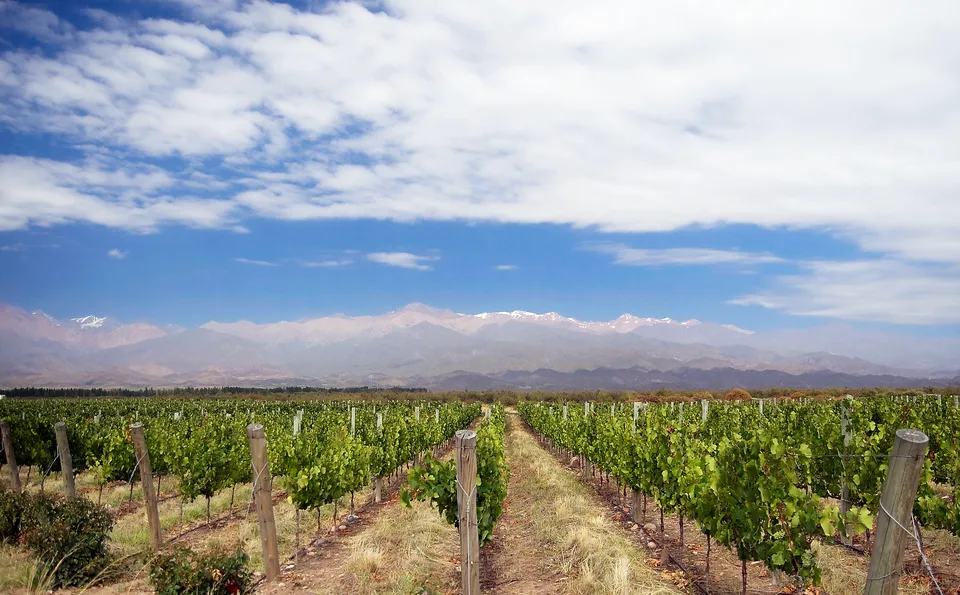
The Andes are a reason to extend a Mendoza visit, but a mountain excursion should have its own day and contingency plan. Distinguish a sightseeing drive from walking at altitude or undertaking a technical climb. An operator's transport service does not automatically include park entry, equipment, guiding or permission for every activity mentioned in an advertisement.
For Aconcagua or other high-country plans, obtain current circuit availability, entry requirements and weather advice directly before departure. Reliable current access prices were not established for this guide, so no tariff is quoted. Ask what happens after a road closure or weather cancellation. Keep a city activity in reserve, and avoid making an international departure depend on returning from the mountains at a precise hour.
Pick accommodation for the evenings you want
Compare three practical options: a central room for walking and short urban journeys; an apartment for cooking and a longer routine; or a vineyard-area property for a deliberately rural stay. A low nightly rate outside the centre can lose its advantage once you add dinner transfers and the cost of reaching each appointment. Compare the complete stay, rather than room price alone.
Check cooling for a summer visit, heating for winter, stairs or lifts, luggage storage and the cancellation deadline. For apartments, ask whether cleaning, utilities and building charges are included, and whether the photographs show your exact unit. Families should confirm sleeping arrangements and access around open channels. Anyone relying on quiet working hours should ask about street-facing bedrooms and test connectivity instead of assuming it from a listing's Wi-Fi symbol.
Arrive with the airport transfer settled
Mendoza's Francisco Gabrielli airport is the air gateway to the city. Check your ticket's airport code and arrival time when arranging transport. The airport operator's public-transport page currently identifies routes 680, 675 and 965. That route list is a starting point, not a guarantee that a particular service meets your flight or stops beside your accommodation.
Compare the current route, operating hours and luggage practicality with a booked transfer or authorised taxi. Establish the pickup location and total price before travelling, especially after a late arrival. No direct airport tram service is assumed here. If you arrive by long-distance coach, confirm the terminal and onward journey just as carefully; an intercity ticket does not include your final transfer unless the operator explicitly says so.
Use public transport for journeys it actually serves
The MendoTran transport portal provides route information for the urban network, including buses and Metrotranvía. Current operator information describes contactless bank-card and NFC payment alongside SUBE options. Carry an alternative payment method and check acceptance for your card; this should not be read as a guarantee that every foreign card will work on every journey.
The transport association's published urban fare was ARS 1,680 when checked on 21 October 2026. Treat it as a dated planning figure. Regional journeys have different fares, and transfer benefits depend on the applicable payment and journey conditions. For wine country, map each estate individually. For ordinary city days, walking plus a planned bus or tram journey can be simpler than keeping a rental car parked between short stops.
Eat well without turning every meal into an excursion
Empanadas, grilled meat and wine feature in the municipality's introduction to local food. They provide an approachable starting point, although every meal need not become a formal tasting menu. Balance a reserved winery lunch with simpler meals near your accommodation. Ask about vegetarian choices, allergies and portions before ordering, particularly when a set experience combines food and wine.
Use the central dining corridors to compare menus rather than relying on a supposedly definitive restaurant recommendation. Check opening days and whether the kitchen serves at the hour you expect. For shopping, buy what you can comfortably carry home and check baggage limits before purchasing wine. Groceries and a few apartment meals can help a longer stay, provided you have checked that the kitchen has usable equipment rather than decorative appliances.
If wine is a major purchase, ask the seller about protective packaging and inspect the airline's checked-baggage allowance before paying. Shipping is a separate service with its own destination restrictions and charges; do not assume a shop can send bottles internationally. For everyday shopping, note nearby grocery opening hours during your first walk. This is especially useful when you return late from an excursion and would prefer a simple meal at home.
Budget in pesos and compare complete prices
Build your budget from accommodation, daily meals, urban journeys and separately priced excursions. Winery transport, a guided mountain outing and airport transfers can matter more than small savings on coffee. No reliable citywide hotel or rental average is asserted here: dates, location, inclusions and currency can make advertised prices difficult to compare.
Ask whether each quote is in Argentine pesos or another currency, which taxes or service charges are included, and when payment becomes due. Compare your own bank's conversion and withdrawal costs before choosing a payment method. Keep a modest backup for payment problems, with valuables secured. For a shared driver, agree how waiting time and additional stops are charged; a cheap initial quote is less useful than a clear total for the day you actually intend to take.
Match the season to your main activity
Mendoza's municipal climate description identifies hot summers and colder, drier winters, with urban snowfall uncommon. Do not substitute mountain conditions for the city's weather. A comfortable central afternoon does not establish conditions at a high-country viewpoint, and a winter vineyard stay may require different clothing from an urban restaurant evening.
Spring and autumn are options for travellers who want to combine outdoor time with city walks; check the forecast rather than expecting a uniform seasonal experience. In summer, place longer walks earlier and allow a quieter midday interval. For harvest-related events, book against the actual published programme for your year. An old festival date or photograph is not evidence that a specific event, tasting or road arrangement will recur unchanged.
Use three days as a flexible starting point
Keep reservation confirmations accessible offline, including addresses, contact numbers and the cancellation terms for each booked experience.
On day one, settle into the centre, walk the plaza network and visit the founding area if the museum's current opening hours fit. Keep the first evening close to your accommodation. This establishes your bearings and leaves space for a delayed arrival, rather than sacrificing a prepaid excursion because a flight lands late.
Use day two for one reserved winery experience, with lunch and a confirmed return. Choose either a manageable Maipú appointment or a more substantial regional wine day; do not assume both fit comfortably. On day three, choose the park and city culture, or an independently planned mountain excursion if access and weather permit. With four or five days, add the Uco Valley without compressing every city experience into the arrival afternoon.
Test daily life before committing to a move
A pleasant holiday base is not automatically a practical home. Rent temporarily while testing the journey to your workplace, university or regular commitments at the times you will actually travel. Compare the centre with suitable addresses in neighbouring municipalities, taking account of groceries, appointments and evening transport as well as rent.
Walk the immediate surroundings in daylight and after dark before making a housing decision. Ask about building access, noise, heating, cooling, water storage and parking where relevant. For remote work, test the connection in the actual apartment and establish a backup arrangement. Give household members their own trial journeys; a location convenient for one person's daily routine may create difficult transfers for everyone else.
Make a small weekly trial budget during the temporary stay. Include the food you actually cook, the transport you actually use and any paid workspace or laundry you need. Keep one-off arrival costs separate from recurring household bills. This gives a more useful comparison between two addresses than converting a holiday spending total into a monthly estimate, especially if several expensive excursions dominated the visit.
Read the housing contract before paying
The government's rental-contract guidance says agreements must be written and may specify rent in pesos or a foreign currency. Duration, deposits and adjustment arrangements require careful attention. Do not assume an older rule about a universal lease length or deposit limit governs the agreement in front of you. Seek local advice when the terms are unclear.
Request an itemised explanation of rent, building charges, utilities, guarantees, inventory, repairs and deposit return. Record the property's condition and verify the person authorised to let it before transferring funds. Calculate the cost after any agreed adjustment, not just the opening month's figure. A foreign-currency lease can create a different household exposure from a peso income, even when the first payment looks manageable.
Set up healthcare and household essentials
Ask which utility serves the exact address and how accounts, arrears and metering are handled. Aysam's customer website provides water-service information and notices; a city address alone does not prove the billing or supply arrangements for a particular property. Check hot water, safe heating, cooking equipment, laundry access and the process for reporting faults before signing a long commitment.
Arrange health cover appropriate to your stay and identify where your insurer directs you for routine and urgent treatment. Confirm billing with the provider; tourist status should not be treated as a promise of universally free care. Families should establish school availability and required documents directly with the institution. Administrative tasks are easier when you retain copies of your tenancy, identity documents and the records supporting your residence application.
Separate a visit from permission to live and work
Entry conditions depend on nationality and purpose. For example, current UK government entry advice describes visa-free tourism for eligible British passport holders for up to 90 days; that is not a universal allowance for every reader. Check Argentine consular and immigration instructions for your passport, retain your admission details and address any permitted extension before your authorised stay expires.
Argentina's consular guidance on entry and health insurance discusses changes following the 2025 immigration decree. Implementation details matter, so carry appropriate insurance and check current official instructions rather than using an old health form found online. A tourist visit, a rental agreement and property ownership do not by themselves establish permission for employment or permanent residence.
Choose the residence route that matches your purpose
Plan applications around the documents you can realistically obtain. Check whether foreign records need translation or legalisation, whether an appointment requires originals, and which validity periods apply to your chosen procedure. Keep travel bookings flexible where an application outcome affects the journey. If you seek advice, bring your nationality, purpose, intended dates and family circumstances so the adviser can assess an actual case rather than offer a generic residence checklist.
The official temporary residence route for migrant workers sets out requirements for qualifying employment, including employer and contract documentation. The student residence procedure concerns eligible studies and institutional documentation; enrolling in an informal short course should not be assumed to qualify. Follow the application sequence and documentary requirements for your circumstances rather than treating an online account as approval.
Eligible applicants may instead use the MERCOSUR nationality residence route, which provides a temporary status subject to its conditions. Temporary residence is distinct from permanent settlement. Start with the government's foreign-resident services and seek qualified advice for complicated work, family or residence plans. VisaWand's Argentina consultant directory offers a separate starting point for finding assistance; confirm each provider's qualifications, fees and scope directly.
Compare nearby options before extending the journey
Maipú and Luján de Cuyo suit different wine-country plans, while the Uco Valley rewards a separate allocation of time. Compare these places by the appointments and overnight setting you want, not simply their association with Mendoza wine. Keep enough flexibility to change an outdoor day when conditions require it.
For a longer provincial journey, San Rafael's destination directory introduces another location to investigate; it is not a central Mendoza district or a ready-made half-day addition. The broader Argentina destination directory can help connect onward plans. Before extending, price the complete transport and accommodation sequence. A slower visit with clear reservations will usually give you more time to enjoy Mendoza than a route built around collecting distant place names.
Official planning resources
Reviewed 21 October 2026. Use the official resources linked throughout this guide for admission, transport, housing and immigration decisions. Prices, services and rules can change; confirm the details relevant to your dates. Photography illustrates the locations and is not a live view.
View all official resources
- City of Mendoza: tourism and culture
- City of Mendoza: local history
- City of Mendoza: Aristides and Sarmiento visitor corridors
- Mendoza municipality: renovated foundational museum in 2026
- Bodegas Lopez: location and access
- Bodegas Lopez: classic winery tour
- Argentina tourism: Uco Valley
- Mendoza airport: public transport
- MendoTran: routes and payment options
- AUTAM: current public transport fares
- City of Mendoza: geography and climate
- Argentina: rental contracts and tenant obligations
- Aguas Mendocinas: household water services
- FCDO: Argentina entry rules for British citizens
- Argentine consulate: entry and medical insurance clarification
- Migraciones: temporary residence for employed workers
- Migraciones: temporary residence for study
- Migraciones: nationality-based Mercosur residence
- Argentina government: services for foreign nationals
Plan the next part of your journey
Explore the Argentina guide, browse other cities or compare consultants for your travel and relocation questions.