Visa
A city best understood between appointments
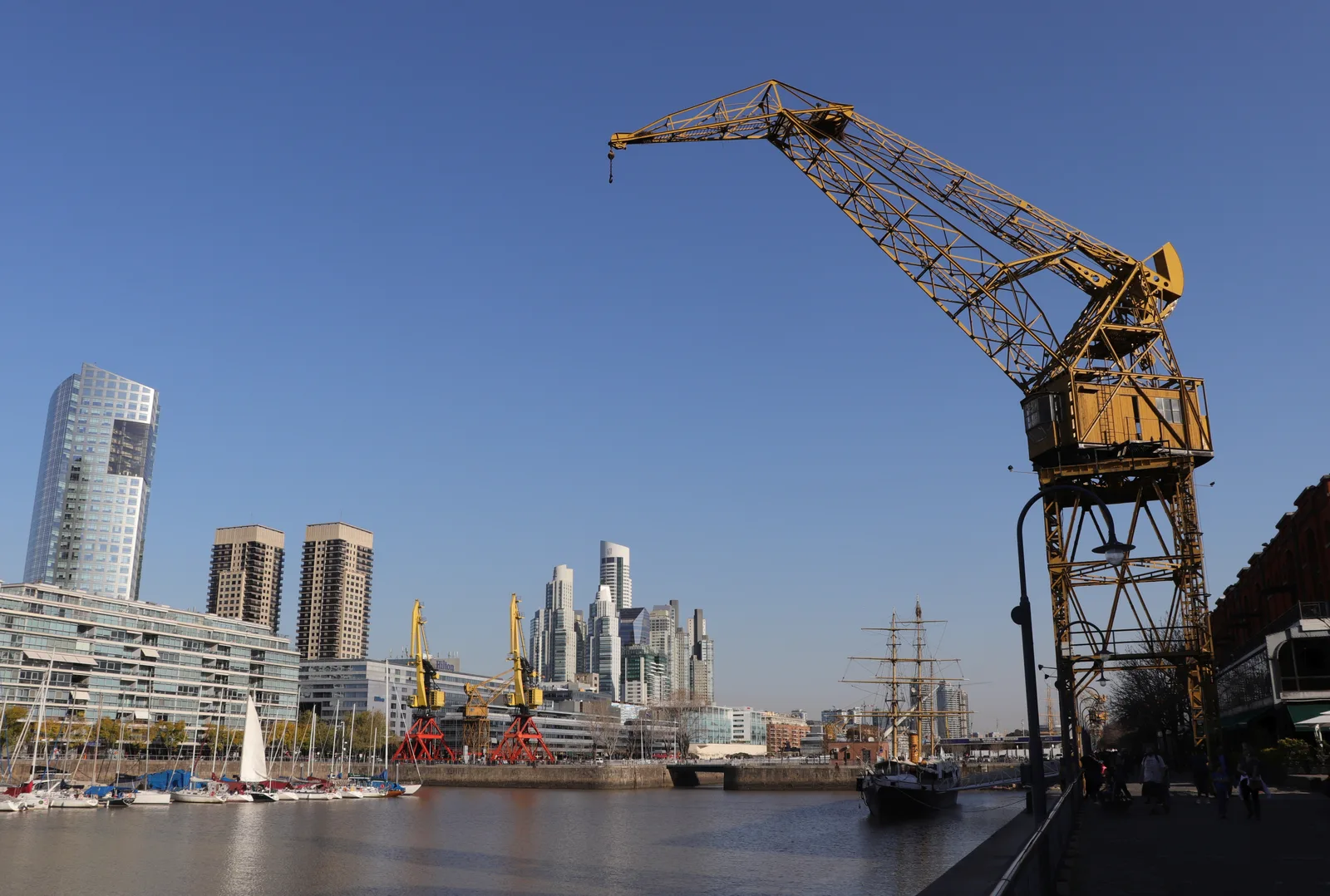
Buenos Aires gives a short visit plenty of headline attractions, but its appeal often lies between them: a café before a museum, a bookshop after lunch, a late dinner followed by tango. Port cranes stand beside modern towers in Puerto Madero, while San Telmo’s older streets and Recoleta’s monumental architecture reveal very different versions of the capital.
Allow four full days for a first visit with room to enjoy those contrasts. Three days works with firm choices; a week gives space for neighbourhood walks, performances and an excursion beyond the city. This guide concerns the Autonomous City of Buenos Aires, usually abbreviated CABA. Use VisaWand’s Argentina country guide for wider travel planning, and treat a possible move as a separate exercise in housing, commuting and immigration eligibility.
Get the geography right before booking
The capital sits on the Río de la Plata. Buenos Aires Province surrounds much of the city, but is a separate jurisdiction; a property marketed as “Buenos Aires” may be a substantial journey from your intended neighbourhood.
For most first visits, compare Recoleta, Palermo, San Telmo and central areas around the principal attractions. Puerto Madero offers a waterfront setting, though its broad spaces and particular addresses make walking distances worth examining closely. Ezeiza airport is outside CABA; Aeroparque is within the city. VisaWand’s Argentina location directory helps distinguish destinations by name. It lists places across the country, with guide availability varying by location, rather than representing one continuous urban area.
Start with the history around Plaza de Mayo
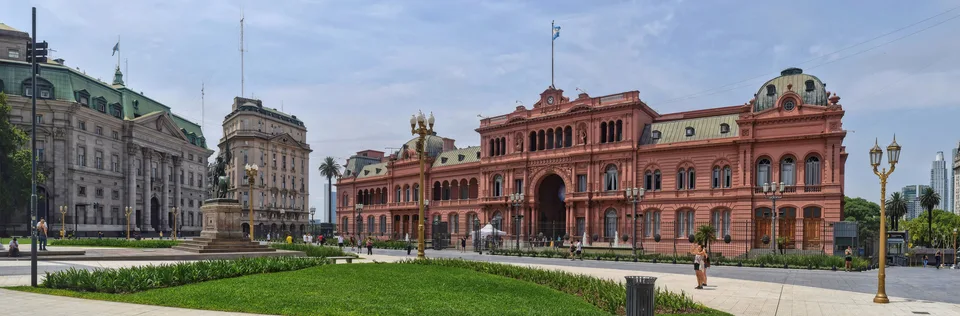
Plaza de Mayo provides an unusually concentrated introduction to national history. Juan de Garay’s second founding of Buenos Aires took place here in 1580; the square’s name commemorates the May Revolution of 1810. Those events belong to different stages of the story, and the revolution should not be confused with the declaration of independence in 1816.
Around the square, the Casa Rosada, Cabildo and Metropolitan Cathedral place government, colonial administration and religion within the same short walk. Begin outside, then choose an interior visit according to your interests and the day’s opening arrangements.
Walk the centre with time for its cafés
From Plaza de Mayo, Avenida de Mayo gives a natural direction for an architectural walk towards Congress. Elsewhere in the centre, the Obelisk and the theatre district offer a different scale of avenues, traffic and public life. Keep the day geographically coherent rather than repeatedly crossing the city for individual photographs.
A café stop is part of the experience, especially when you have been walking through the centre’s busy streets. Look at the menu before settling in and distinguish a simple coffee break from a more elaborate meal. For an evening performance, plan dinner and the return journey around the actual curtain time.
Pick the part of Palermo that suits you
Palermo is extensive. Soho and Hollywood are familiar informal labels within it, rather than separate cities or interchangeable hotel zones. The tourism board’s dining-district overview explains their concentration of restaurants, bars and design businesses. A room near the places you expect to frequent can make an evening programme pleasantly simple.
Compare that setting with accommodation closer to the parks or a convenient Subte station. Restaurants outside the door are useful, but outdoor tables, deliveries and nightlife may affect sleep. Ask which way the room faces and whether it has effective cooling for a summer stay.
Choose Recoleta for museums and architecture
Recoleta works well for visitors who want to combine art museums, established streets and its famous cemetery. It also offers a useful contrast with Palermo’s busier dining pockets and San Telmo’s older southern setting.
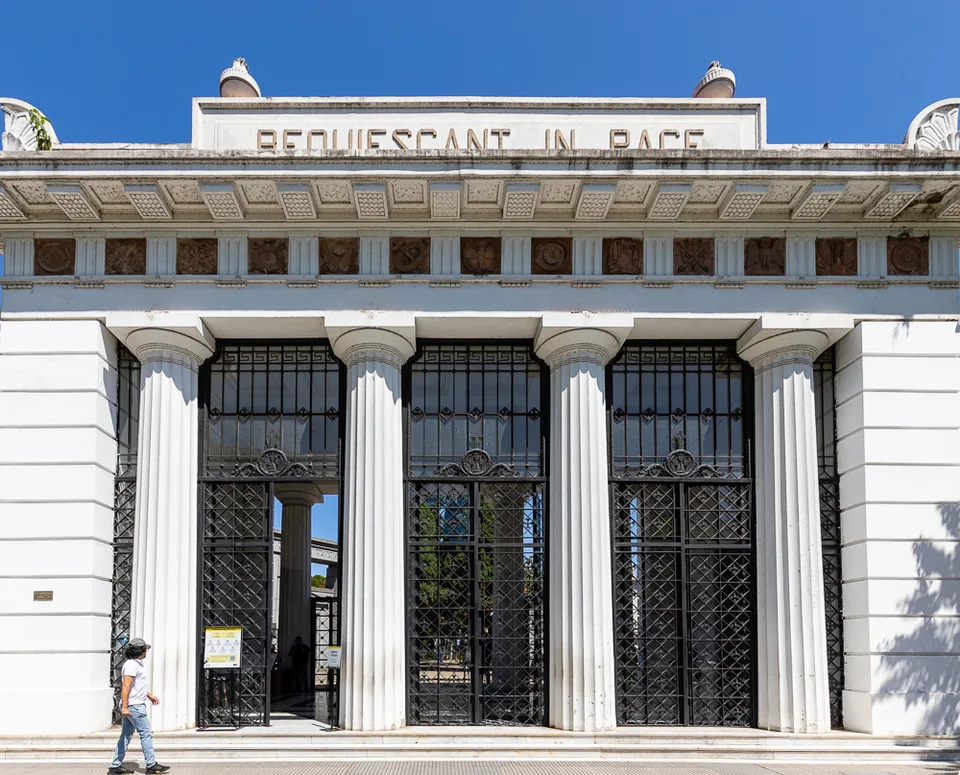
At Recoleta Cemetery, monumental vaults and sculpture turn a visit into a lesson in architecture and public memory. Eva Duarte de Perón is among those buried here. Tourist hours are normally 9am–5pm daily. The official booking page listed ARS27,570 for foreign visitors at review. Its lower “from” price refers to another visitor category. Confirm your ticket category and guided arrangements directly, and remember this remains a place of burial.
Let San Telmo slow the pace
San Telmo suits travellers drawn to older buildings, antiques, market browsing and streets that reward walking without an urgent destination. The district’s character differs from a polished waterfront development: historic fabric and busy commerce share the same spaces. Cobblestones are part of that character and can make some routes less comfortable with small wheels or limited mobility.
Build a visit around the market area and nearby streets, leaving time to compare stalls and stop for something to eat. If a particular fair or performance matters to you, confirm its current day and hours rather than assuming every visit reproduces a weekend photograph.
Spend daylight in La Boca and Caminito
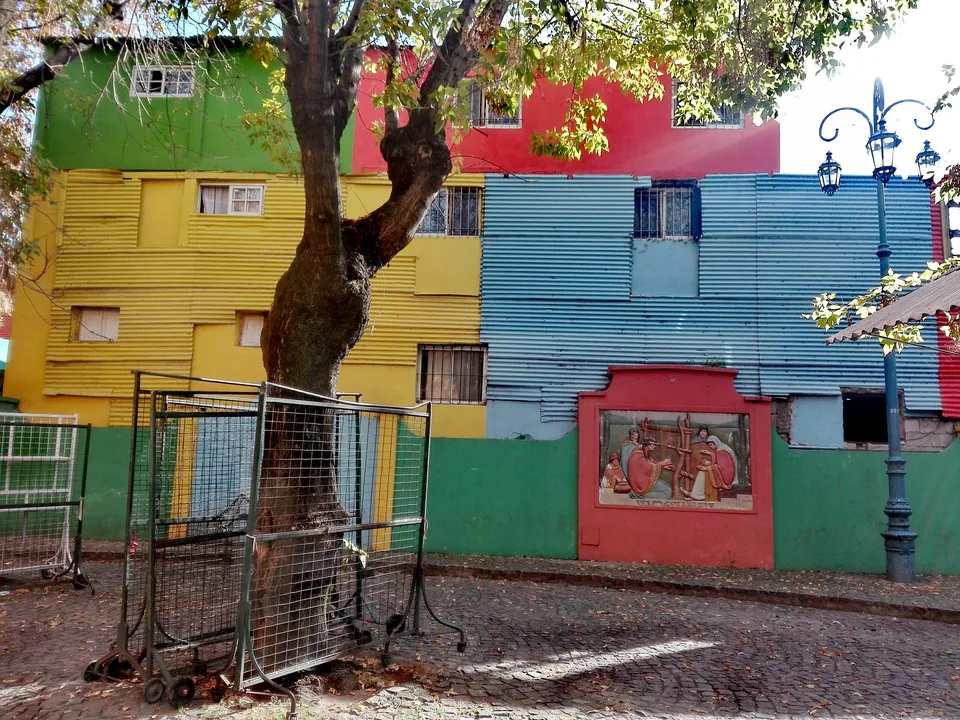
The colour around Caminito has an artistic history as well as a port-city backdrop. Neighbours and artists helped transform the disused stretch into an outdoor museum in 1959, with Benito Quinquela Martín among the driving figures. The painted corrugated facades are part of that deliberate cultural project.
Visit in daylight, concentrate on the established visitor area and arrange a sensible arrival and departure. The FCDO specifically advises vigilance in streets outside Caminito’s tourist zone. Give the area enough time for its art and history rather than treating the whole district as a colourful backdrop. Anyone adding a football-related visit should verify current museum access or match arrangements through the relevant club; a museum ticket and admission to a match are separate purchases.
See the Colón through a tour or performance
The Teatro Colón guided tour offers a manageable introduction to the building’s foyer, galleries, Golden Hall and main auditorium. Tours last about 50 minutes; the published general price is ARS34,000, compared with ARS17,000 for Argentine residents presenting DNI. English-language departures are scheduled separately from the more frequent Spanish tours.
Normal tour departures run daily between 10am and 4:45pm, with specified holiday closures. Book the language and time you need. Rehearsals, performances or other theatre activity can change the route, and the tour does not include a performance. If opera, ballet or a concert is your priority, begin with the theatre’s own programme and seating information. Its guided route is described as suitable for visitors with reduced mobility; discuss individual assistance requirements when booking.
Compare Bellas Artes with MALBA
At Museo Nacional de Bellas Artes, a broad art collection makes a rewarding anchor for a Recoleta day. Normal hours are Tuesday–Friday, 11am–7:30pm, and weekends, 10am–7:30pm; Monday is closed. The museum explains that its digital contribution system is voluntary. It also lists ramps, loan wheelchairs and accessible bathrooms, with a lift door measuring 70 centimetres wide.
MALBA gives the programme a Latin American focus. General admission is ARS14,000, or ARS7,000 on Wednesdays, including the collection and temporary exhibitions. It closes Tuesday, opens Wednesday at 11am and Thursday–Monday at noon, normally until 8pm. Combine the two only if art is a principal interest; otherwise choose one and leave room for the neighbourhood around it.
Follow the docks towards greener space
Puerto Madero’s retained warehouses and cranes explain its former working role more clearly than its towers alone. The dockside setting suits a walk, a meal or a change of pace after the historic centre.
Nearby, Costanera Sur Ecological Reserve offers a much less built-up setting for walking and observing wildlife. Its published opening is Tuesday–Sunday and holidays, 8am–7pm in summer and until 6pm in winter. Strong winds, rain and persistent drizzle can close it. Carry water, plan for daylight and check access before heading there specifically. The reserve is a managed natural area with opening rules, not an unrestricted continuation of the waterfront promenade.
Decide what kind of tango evening you want
Argentina’s official tango introduction describes both staged shows and milongas, the social settings where people dance. A seated performance offers a different evening from a lesson followed by social dancing. Decide whether you want to watch, learn or participate before comparing prices and schedules.
For a dinner show, establish whether the quoted price includes the meal, drinks, transfers and the seat category. For a lesson or milonga, ask about the starting level, partner arrangements, footwear and whether spectators are welcome. Verify the current programme directly with the venue.
Choose accommodation by the whole stay
Hotels suit travellers who value reception, luggage storage and help with transport; an apartment can provide cooking facilities and more space. Before booking either, compare the total charge, cancellation conditions, taxes and payment currency. Confirm check-in arrangements for an overnight flight and whether luggage can be stored before the room is ready.
For four sightseeing days, proximity to a useful station and your chosen evening area often matters more than an extra bedroom far away. For an extended stay, add laundry, a proper work surface, reliable internet and grocery access to the comparison. Ask about lift dimensions, entrance steps and bathroom access where relevant.
Separate Ezeiza from Aeroparque
Read the airport code on every booking: EZE is Ministro Pistarini at Ezeiza, outside the city; AEP is Jorge Newbery, commonly called Aeroparque. They are separate airports, so a connection involving both requires a road transfer as well as baggage and check-in time. Never treat the shared “Buenos Aires” destination label as evidence of a same-airport connection.
The airport operator’s Ezeiza transport page lists coach and public-bus options. Compare the service you need with your luggage, arrival time and destination. A prebooked car may be practical for a family or late arrival; a coach may suit a solo traveller staying near its city terminal. Allow for road congestion and possible disruption rather than building a flight connection around a best-case driving time.
Check the airport coach’s actual terminal
Tienda León currently advertises its city terminal at Pellegrini 971. Older references to other terminals should not determine your onward walking route. Its direct website listed promotional one-way fares of ARS16,500 between Ezeiza and Terminal Pellegrini, ARS7,500 between Aeroparque and that terminal, and ARS17,000 between the airports.
These are advertised web offers per person, reviewed in October 2026, rather than guaranteed prices through every reseller. Confirm the fare, departure and baggage conditions for your journey. Include the final leg from the terminal to your hotel when comparing the coach with a car. The operator’s indicative travel times are useful for orientation, but immigration, waiting, traffic and the next airport’s check-in deadline all require additional time in a flight-transfer plan.
Use the Subte with the right fare assumptions
The city’s October 2026 Subte fare chart lists ARS1,817 for journeys one to twenty in the month with registered SUBE or bank cards, and ARS2,541.10 with unregistered SUBE. Frequent-traveller discounts begin after the relevant monthly thresholds; they are not a reason to assume a short visitor’s first rides will receive the lowest displayed fare.
The network has marked validators for bank cards, NFC devices and QR payments. Check compatibility with your own card or wallet and retain an alternative payment method. For a bus or suburban-rail journey, verify that service’s payment and fare rules separately. Combination benefits have conditions and should not be assumed to cover every metropolitan service. Check the last service before a late outing, and use a booked vehicle when it makes the return simpler.
Eat beyond a single steak dinner
Buenos Aires rewards a varied food itinerary: a parrilla meal, pizza, empanadas, a café breakfast and something from a market or bakery. The national tourism overview of traditional Buenos Aires places food alongside cafés, bookshops, tango and neighbourhood life. Giving meals room in the day often produces a more enjoyable visit than adding another distant attraction.
At a grill, ask about the cut, portion size and whether sides are separate. Elsewhere, examine the ingredients rather than assuming a vegetable filling or familiar dish name resolves an allergy or dietary restriction. For a restaurant you consider essential, book through its own channel and review the current menu. Keep other meals flexible enough to fit the district you are already exploring, especially when an evening reservation would otherwise create another cross-city journey.
Browse shops with a purpose
Palermo’s design businesses and San Telmo’s antiques offer different approaches to shopping. Decide whether you want contemporary work, a useful everyday item or something genuinely old. Ask about the maker, materials, condition and receipt, particularly for objects advertised as handmade or collectible. Fragile purchases need a realistic packing plan.
Bookshops and museum shops can also make useful stops between larger visits, without requiring a dedicated shopping expedition. For food, plants, animal products or other restricted goods, check your destination’s import rules before buying. A future resident should devote some time to ordinary errands as well: locate the supermarket, pharmacy, laundry and hardware shop near a prospective apartment. That modest circuit says more about everyday convenience than the nearest souvenir market.
Budget in pesos and compare payment methods
Use Argentine pesos, identified here as ARS, when comparing local prices; a dollar sign on a local menu usually needs that context. Check a dated BCRA reference exchange rate, then establish your card issuer’s conversion and foreign-transaction charges. A reference rate is not a guarantee of the exact amount eventually charged to your account.
As a concrete admission example, the Colón tour, regular MALBA ticket and foreign visitor admission to Recoleta Cemetery total ARS75,570 at the prices checked for this guide. Transport, meals and accommodation are additional. Obtain room and restaurant prices for your dates, and keep a contingency for changed tariffs. Carry a modest cash reserve, use established exchange services and avoid building a budget around an old blog’s promised exchange-rate advantage.
Match the season to the way you travel
Buenos Aires has southern-hemisphere seasons. Summer, roughly late December through March, brings humid heat; winter requires warmer layers, particularly after dark. Spring and autumn are attractive for walking, though showers can interrupt outdoor plans. The city tourism climate page provides seasonal context rather than a reliable forecast for a particular day.
For a summer booking, ask about cooling and plan a museum or long lunch during the hottest part of the day. For cooler months, allow for evenings outside after dinner or a performance. Keep an indoor alternative for a reserve or park visit, since bad weather can affect opening. Check event dates with the organiser: an old tourism article’s festival calendar may describe a different year even when the page still appears in search results.
A four-day introduction with room to breathe
Day one: explore Plaza de Mayo and part of the centre, pause for lunch and take a booked Colón tour or choose an evening performance. Day two: spend the morning around Recoleta Cemetery, then visit Bellas Artes. Add MALBA only if you want a museum-heavy day; otherwise take it on Wednesday for its lower general admission.
Day three: give San Telmo a leisurely visit, then make a daylight excursion to Caminito with transport arranged. Day four: explore Palermo’s parks and dining streets, or combine Puerto Madero with the ecological reserve if the weather permits. Put a tango evening where it leaves a gentle following morning. Reorder Bellas Artes around Monday closure, MALBA around Tuesday closure, and the reserve around its own operating days.
Test daily life before choosing a long lease
A move to Buenos Aires should begin with an address you can leave easily while investigating neighbourhoods. Trial the journey to work, study or school during normal weekday travel, including the walk to the station, waiting and the final connection. For work from home, test the actual internet connection and mobile reception inside the apartment.
Inspect cooling, heating, ventilation, water pressure and noise at the hours you will use the property. Ask about laundry, building access and arrangements during a lift failure. A front-facing apartment near lively restaurants may suit one household and exhaust another. Compare nearby groceries and healthcare with the commute, then choose a longer rental once those trade-offs are clear.
Read the lease’s financial terms closely
The city housing institute’s rental guidance explains that currency, duration, deposits and adjustment terms require attention. Ask how any rent increase is calculated, how often it occurs and what happens if the named index stops being published. Include building charges, known as expensas, and utilities in the total comparison.
The institute also explains CABA’s restrictions on charging tenants estate-agent commissions for residential leases. Obtain advice about your particular contract and its intended use, especially when comparing a tourist booking with a home. Confirm the owner’s or agent’s authority before transferring money, obtain a written inventory and document the property’s condition. Establish how the deposit is returned and how keys are formally handed back when the rental ends.
Arrange services and healthcare separately
Ask who holds each utility account, which bills are included and whether any balance predates your tenancy. AySA’s customer information explains water-account and billing procedures; electricity, gas and internet need their own arrangements. Review recent bills rather than accepting an unexplained estimate of monthly household costs.
Identify a nearby clinic, pharmacy and suitable insurer before a longer stay. Current national health-facility rules for foreign patients include insurance and direct-payment procedures; healthcare should not be budgeted on an assumption of free routine treatment. Emergency care has separate protections. Confirm arrangements with the actual provider, since national facilities, city services and private clinics are different systems. Families should investigate school places, language support and the school journey before signing a long lease, rather than assuming admission follows automatically from moving into the neighbourhood.
Keep tourism, work and residence distinct
Check the Foreign Ministry’s tourist-visa information for your nationality and travel document. Tourist permission is commonly up to 90 days, but specific exemptions can have different conditions and the authorised entry record matters. Migraciones explicitly distinguishes tourism from paid work. Confirm any extension before relying on it.
Current consular entry guidance requires visitors to have health insurance covering the stay, with stated exceptions for Argentine citizens and permanent residents. Check the documents required by your consulate and carrier. Work, study and family migration follow residence categories with their own requirements. Permanent residence has separate eligibility rules; temporary permission does not automatically become permanent residence. The digital-nomad route offers eligible visa-exempt nationals up to 180 days for remote services to clients abroad, subject to application; it does not confer general local-employment rights. Use VisaWand’s consultant listings to compare relevant professional support for individual circumstances.
Travel thoughtfully and choose the next stop
The FCDO security guidance highlights distraction theft, phone snatching, transport-terminal risks and demonstrations that can disrupt roads. Keep belongings close in cafés and on public transport, decline unsolicited help with suspicious spills on clothing, and use reputable booked transport for late journeys. Police emergencies use 911; the city lists 107 for SAME medical emergencies.
For a different landscape, Tigre’s municipal visitor information introduces the delta, waterfront and museums outside CABA. A ferry excursion through Buquebus adds an international border: check Uruguay’s entry rules and your permission to return to Argentina. Longer onward trips can be compared through VisaWand’s Argentina destination page and the location listings for Córdoba and Mendoza. These require separate travel days and planning. Preserve enough time in Buenos Aires to enjoy its own neighbourhoods rather than spending every spare day in transit.
Official planning resources
Reviewed 15 October 2026. Use the official resources linked throughout this guide for admission, transport, housing and immigration decisions. Prices, services and rules can change; confirm the details relevant to your dates. Photography illustrates the locations and is not a live view.
View all official resources
- Buenos Aires tourism: official visitor information
- City government: Plaza de Mayo and the city’s history
- Buenos Aires tourism: San Telmo
- Buenos Aires tourism: dining districts and Palermo
- Buenos Aires tourism: Caminito’s art and port history
- City government: Recoleta Cemetery visiting information
- Entradas BA: Recoleta Cemetery’s visitor ticket categories
- Bellas Artes: opening hours, access and museum visits
- Bellas Artes: voluntary contributions explained
- MALBA: current admission and opening hours
- Teatro Colón: guided tours, languages and prices
- Aeropuertos Argentina: Ezeiza public transport
- Tienda León: airport coach routes and direct web offers
- City government: October Subte fare chart
- City government: contactless and QR Subte payments
- Argentina tourism: cultural sights and city experiences
- Argentina tourism: tango shows, lessons and milongas
- City government: Costanera Sur nature reserve
- Buenos Aires tourism: climate and seasons
- BCRA: dated reference exchange rates
- Foreign Ministry: tourist visa applications
- Argentine consulate: 2026 entry and health-insurance guidance
- Migraciones: temporary residence categories
- Migraciones: digital-nomad temporary permission
- City housing institute: current rental-contract guidance
- AySA: water accounts, bills and service responsibility
- Health Ministry: care and billing for foreign patients in national facilities
- FCDO: Buenos Aires security and transport risks
- Tigre municipality: delta, museums and waterfront visits
- Buquebus: ferry planning, documents and boarding
- Migraciones: tourist admission and permitted activities
Plan the next part of your journey
Explore the Argentina guide, browse other cities or compare consultants for your travel and relocation questions.