Visa
About Asian College of Technology
A Cebu institution with several academic fields
Asian College of Technology International Educational Foundation is based in Cebu City, Philippines. Its main institutional address is at the corner of Leon Kilat and P. Del Rosario streets. Its academic organisation includes arts, sciences and pedagogy; computer studies; business management; and nursing and allied programmes. Its website also presents senior-high, integrated-school and technical-vocational education.
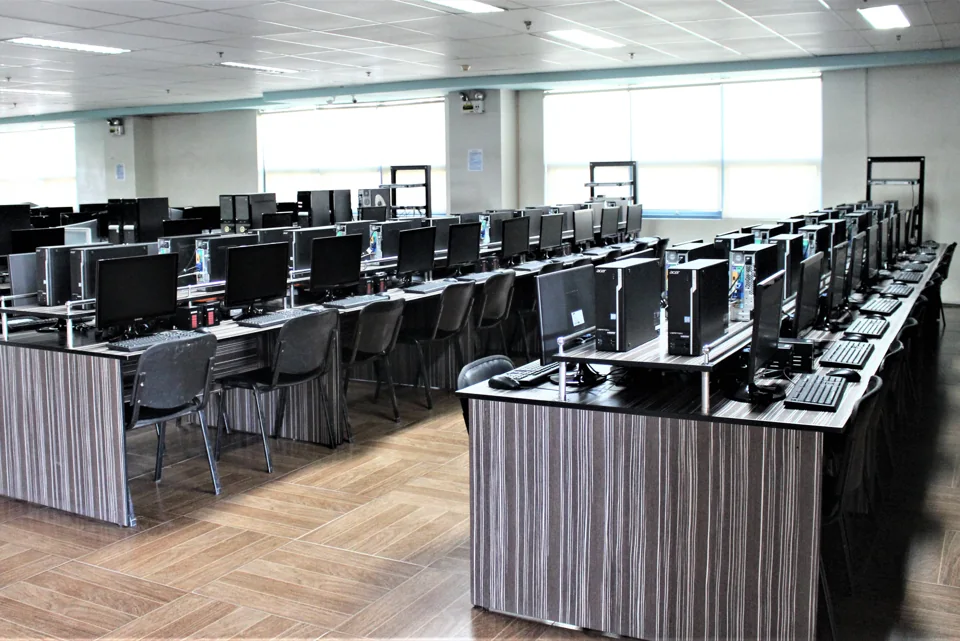
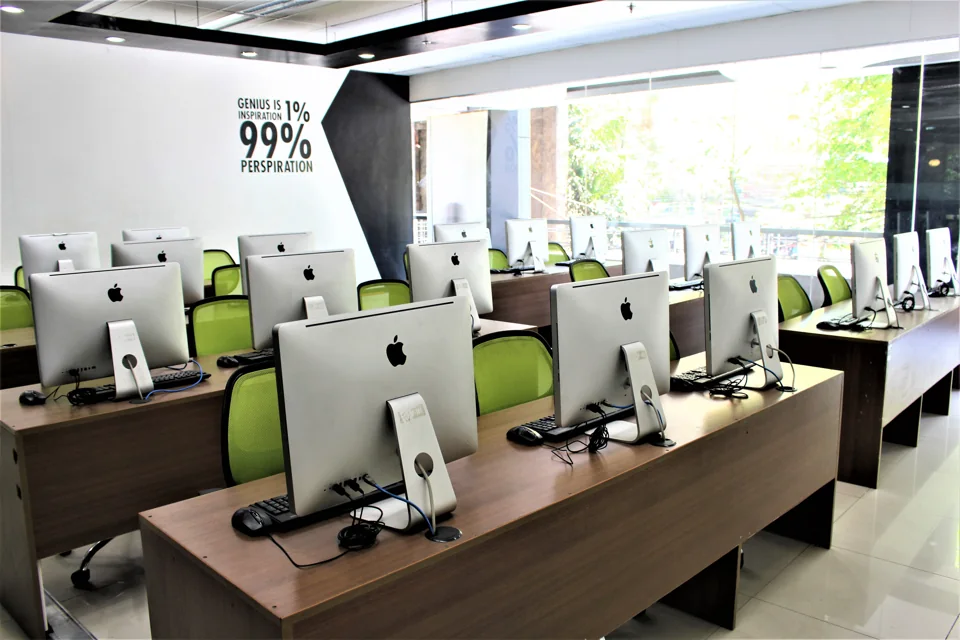
The college’s mission connects academic learning with values and responsiveness to local and wider communities. Its published goals include technology-supported instruction, faculty development, research and community service. The facilities gallery documents computing environments including a Mac laboratory and a Cisco networking laboratory, alongside other teaching spaces. These photographs illustrate the practical facilities associated with its technology-focused educational background.
Sources: Institutional programmes, mission and facilities ↗
From computer institute to a broader college
The institution’s official historical account traces its beginnings to the Asian Computer Institute, established on 19 September 1988 on Colon Street in Cebu. Rodrigo A. Abellanosa is identified as its founder. Its early work focused on computer literacy at a time when offices in Cebu and surrounding provinces were adopting computer technology. The school was incorporated as Asian College of Technology in May 1992, enabling the development of postsecondary and collegiate provision.
Expansion included the Bulacao campus in 1992 and the establishment of an integrated school in 1994. The history also records the construction of the fifteen-storey ACT Cyber Tower in 2007 as a home for the Cebu City campus. Further developments included a Cisco academy in 2009, an animation and game-development laboratory in 2010, and a fibre-optics training agreement in 2011. These dated milestones show how a computer-focused institution developed additional teaching environments and a wider subject portfolio. Its historical account connects that growth with programmes in business, hospitality, tourism, education and nursing as well as computing. The same account identifies preschool, grade-school and high-school provision within the development of its integrated school.
Sources: Institutional and library history ↗
A library system supporting academic work
The ACT Cyber Library describes itself as an academic support unit responding to the needs of the college community. Its mission includes access to information for teaching, learning, research and creative activity. Understanding how users work is part of its stated approach, alongside building collections and developing tools that help people find relevant material. The published framework addresses both local holdings and information available through external resources.
Preservation is another responsibility within this mission. The library aims to maintain collections and keep them available over time, including distinctive and archival research materials. Its objectives connect information access with the development of independent learning skills, rather than limiting support to the supply of individual books. User feedback is identified as a means of improving services, collections and programmes. Collaboration with the academic community and the development of library staff also appear within its priorities. Staff expertise and participation in wider library initiatives are further elements of the published mission. Together, these aims present information provision as a continuing educational service involving people, physical spaces, technology and the organisation of knowledge.
Digital literature and open educational resources
The library’s electronic-resource directory organises material into several groups, including children’s stories, open educational resources, research databases and free electronic books. It points users towards book and journal directories, course materials, theses and dissertations, and research repositories. Examples listed include the Directory of Open Access Books, the Directory of Open Access Journals, MIT OpenCourseWare and OpenStax. These entries provide routes for discovering material beyond the college’s physical collection.
Other listed resources include the education-focused ERIC database, the World Bank’s Open Knowledge Repository and research-discovery services. The directory also groups electronic-book links according to academic interests, including computer studies, arts and pedagogy, and business management. This subject organisation helps connect the resource list with the college’s teaching areas. Children’s reading links appear separately from the academic categories, reflecting the institution’s provision across different educational stages. The page functions as a guide to external sources, bringing different types of information together for students and teachers. It complements catalogue-based searching with starting points for exploring open texts, scholarly literature and materials related to particular courses.
Sources: Electronic resources ↗
Collections, orientation and library services
The published library manual describes the Cyber Main Library on the fifth floor, with collections intended to support educational, research, cultural and recreational interests. It distinguishes circulation and reserve services from specialist collection areas. Filipiniana material includes works by Filipino authors, works about the Philippines and material published in the country. Fiction supports leisure reading, while general reference and subject-reference holdings provide different forms of academic consultation.
The manual’s service descriptions include personal assistance with information searches and orientation for new college students, senior-high learners and newly appointed faculty. Orientation introduces the organisation of resources, library services and ways of locating information. Cataloguing and classification support discovery through the online catalogue, while acquisition and conservation help maintain the collection. Displays introduce newly obtained books, and periodical services organise journals, magazines and newspapers. These arrangements connect the management of materials with guidance for the people using them. They also show how the college’s learning infrastructure extends beyond laboratories and classrooms into resources for reading, investigation and independent study.
Sources: Library manual: collections and services ↗