Visa

About Asia-Pacific Nazarene Theological Seminary
A graduate seminary in Taytay
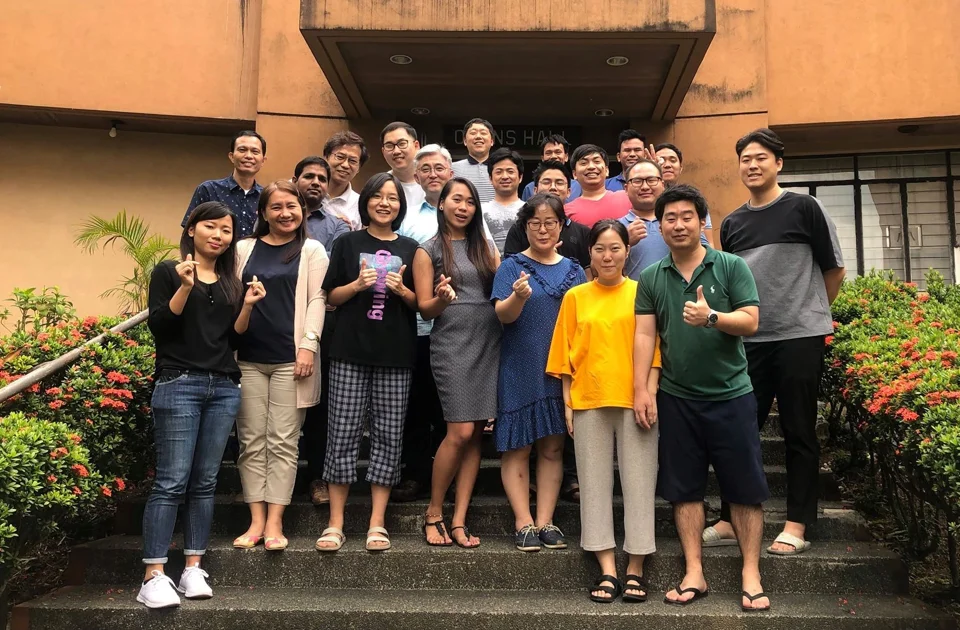
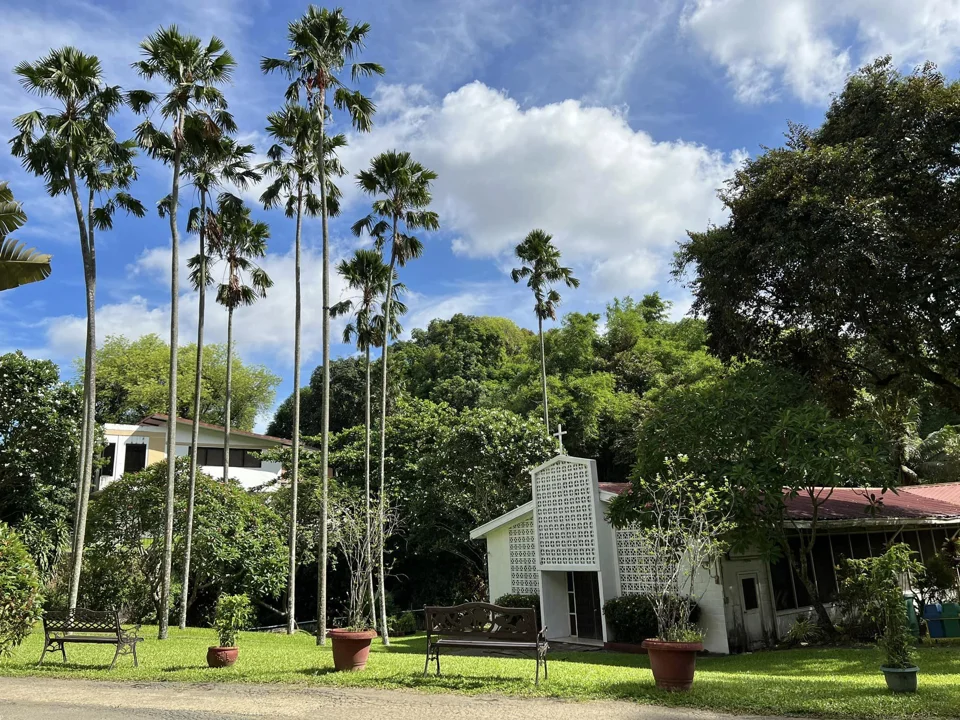
Asia-Pacific Nazarene Theological Seminary, usually abbreviated APNTS, is located on Ortigas Avenue Extension in Dolores, Taytay, Rizal, Philippines. Its official campus introduction presents a community centred on theological learning and preparation for ministry. The institution brings together masters and doctoral education, with its website directing readers to separate descriptions of these levels of study. Campus life also forms a visible part of its presentation: the official gallery includes class groups, shared activities and views of the grounds. Wooten Chapel appears among the named campus spaces. For learning resources, the website links to its OPALS library catalogue and the Wesleyan-Holiness Digital Library. These resources sit alongside online-study links and information for the seminary's students and alumni.
Sources: Campus introduction ↗
Purpose and educational outlook
APNTS identifies itself as a graduate institution within the Wesleyan tradition. Its mission connects leadership preparation with the study and practice of Christian ministry, while welcoming applicants from different denominational backgrounds. The seminary describes reflection on Christian faith, the development of practical abilities and communication across cultural boundaries as connected educational priorities. Its vision gives particular attention to Asia and the Pacific, while also looking towards wider international service. The stated objectives bring biblical, historical, theological and practical foundations together rather than presenting ministry preparation as a single technical discipline. They also place spiritual formation and ethical choices within the learning environment. Cultural diversity, gender equality in opportunities and leadership, stewardship and compassionate living are explicit elements of this institutional vision. The seminary frames the purpose of education in terms of graduates' conduct in their communities, homes, churches and vocational settings, connecting academic work with personal relationships and service.
Sources: Mission and vision ↗
From regional planning to regular classes
The seminary's history distinguishes the planning of the institution from the beginning of regular teaching. The Church of the Nazarene's General Board approved a regional graduate-seminary plan in 1977. A site in Taytay was purchased in 1979: the property had previously accommodated an orphanage and included wooden buildings that could be adapted for educational and residential use. Under founding president Donald Owens, preparation involved recruiting faculty, renovating accommodation and constructing administration and classroom space. Regular classes began on 14 November 1983, with students from the Philippines, India and Japan. The formal dedication followed on 15 January 1984. Later developments included strengthening the library, renovating teaching and worship spaces and extending the range of programmes. The institution's journal, The Mediator, began publication in 1996. Its historical account also records the establishment of the Donald Owens School of World Mission and, in 2008, the introduction of holistic child development programmes in partnership with Compassion International.
Sources: Institutional history ↗
Several approaches to masters study
The masters catalogue describes several different educational purposes. Religious Education includes a thesis and is directed towards teaching, educational leadership, administration and curriculum work in Christian settings. Intercultural Studies draws on anthropology, sociology, leadership and theology to examine communication and ministry across cultural boundaries. The Master of Science in Theology brings biblical study, Christian heritage, missions and pastoral ministry within a Wesleyan framework. The Master of Divinity offers a broader professional preparation through scripture, Christian faith and heritage, character, cultural context and practical theology. Although local congregational ministry is its primary orientation, the seminary also describes other possible settings for this education. The Master of Ministry takes a different organisational form: it is primarily non-residential, delivered through off-site centres and online learning. Its description includes both clergy and lay participants seeking to develop their work in their own local contexts. These distinctions explain how the catalogue accommodates specialist scholarship, broad ministerial preparation and decentralised study.
Sources: Masters programmes ↗
Advanced study and development
At doctoral level, the Doctor of Ministry is presented as an advanced professional programme for people already engaged in ministry. It links reading and discussion with mentors and peers to a substantial project related to the participant's work. The stated regional focus is the Asia-Pacific context, and its educational approach seeks to connect theory with practice. The catalogue also lists a doctorate in Holistic Child Development, placing it within the wider development of this field in theological institutions. Transformational Development focuses on action involving churches, non-governmental organisations and social systems, with attention to improving quality of life and addressing institutional structures. Transformational Learning is directed towards educational leaders and faculty, including people preparing to teach in colleges, seminaries and other faith-based organisations. Its description emphasises learning within a multicultural community and developing approaches to teaching, learning and leadership across different institutional and cultural settings.
Sources: Doctoral programmes ↗
Preaching within community life
A chapel report published on 22 April 2026 provides an example of how classroom subjects enter the seminary's shared life. The previous day's Tuesday service included the annual Frederick Buechner preaching awards. The report connects the award with homiletics: interpreting biblical texts, reflecting theologically and communicating through imaginative storytelling. It describes the recognition of work completed in a preaching class, bringing an academic exercise into a communal setting. The event also included a student participating online, illustrating the presence of more than one mode of participation in this particular class. The seminary's account emphasises the relationship between careful interpretation, communication and attention to people's lived experiences. Rather than presenting preaching as an isolated performance, the report places it within the wider educational aim of linking intellectual work with the responsibilities of ministry.