Visa
About Asia Pacific College
An industry-oriented college in Makati
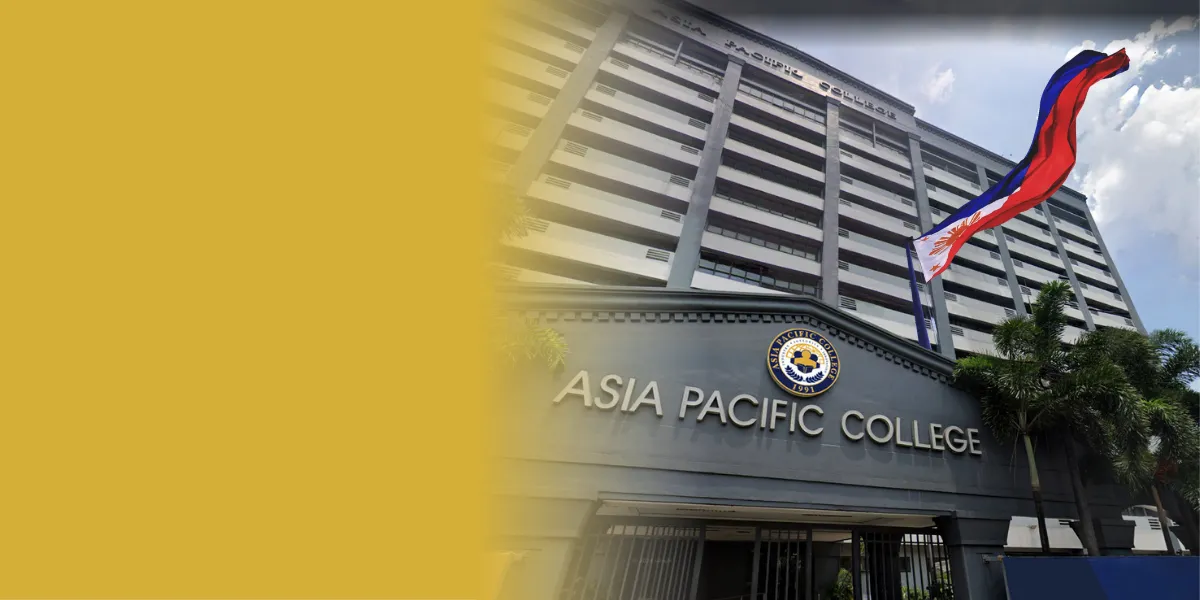
Asia Pacific College is a higher-education institution in Magallanes, Makati City, Philippines. Its institutional mission connects education with business and information and communications technology. The college describes a learning environment shaped by both education and industry professionals, with a curriculum intended to develop continuing learners grounded in integrity and professionalism.
Three values organise this approach: industry, integrity and innovation. Industry is understood as sustained work and commitment; integrity concerns honesty and ethical principles; innovation involves developing creative methods and ideas. The college’s vision centres on connecting academic study with professional practice through programmes founded on information-technology concepts and applications. This orientation informs its approach across technical, creative and business-related fields, rather than limiting technology to a single programme or department.
Sources: Vision, mission and values ↗ · Official college homepage ↗
Real projects as a learning method
APC’s educational philosophy places work with industry alongside academic learning. Its phrase “Real Projects Real Learning” describes an approach in which students engage with practical projects developed in collaboration with professional partners. The college presents these experiences as a way to connect disciplinary knowledge with the situations in which it can be applied.
The philosophy also identifies qualities it seeks to develop through education: teamwork, communication, ethical conduct, problem solving and continuing learning. Information technology is treated as an enabling skill within this wider framework. Leadership and productivity appear alongside attention to customer needs and contributions to society. These are educational aims that guide the learning experience, connecting the development of technical expertise with responsibility towards colleagues, communities and the organisations in which graduates may later participate.
Sources: Educational philosophy ↗
Computer engineering
Computer Engineering combines the design, development, implementation and integration of software and hardware. Its programme description covers computing systems and computer-controlled equipment, with areas such as embedded systems, networks, software development, the Internet of Things, machine learning and robotics. The emphasis is on understanding components and how they work together within a system.
The programme’s published learning outcomes include applying mathematics and science, designing experiments, interpreting data and developing solutions within realistic constraints. Environmental, economic, social and ethical considerations are included in the design framework. Multidisciplinary teamwork and effective communication are also identified as learning objectives. Project management, professional responsibility and the ability to continue learning connect technical work with its organisational and social setting. These aims present engineering as both a process of building systems and a practice requiring judgment about their effects.
Sources: Computer Engineering ↗
Civil engineering and infrastructure
Civil Engineering covers the planning, design, construction and management of infrastructure. The programme lists specialisation areas in construction management, geotechnical engineering, structural engineering, transportation and water resources. Students encounter these fields alongside core study and thesis development, with an intensive internship forming part of the published programme structure.
Its educational objectives include considering economic, environmental and ethical aspects of projects, adapting to technological change and continuing professional learning. Students are expected to develop experimental and analytical skills, communicate engineering work and collaborate in multidisciplinary and multicultural settings. The programme also emphasises the ability to assess solutions within practical constraints and understand their wider consequences. This framework links infrastructure design with sustainability, management and public needs, while allowing students to concentrate on a specialist area of civil-engineering study.
Sources: Civil Engineering ↗
Multimedia arts and digital design
Multimedia Arts combines information technology with audiovisual and creative practice. The programme includes computer graphics, animation, video production, digital photography, sound and game authoring. Applied projects and internships connect this study with professional production environments. Its published specialisations cover several different ways of creating and communicating through media.
Video Arts addresses storytelling, cinematography, editing and directing, while Studio Arts includes drawing, painting, sculpture and mixed media. Sound Design explores recording, mixing and the construction of audio for film, animation and interactive work. Digital Animation combines motion, character design and visual effects. UI/UX Design brings interface development together with user research, prototypes and usability testing. Game Design includes narrative, level design, mechanics and testing. These pathways connect artistic ideas with technical methods, offering different points of entry into the design of visual, audio and interactive experiences.
Sources: Multimedia Arts ↗
Career preparation and professional interaction
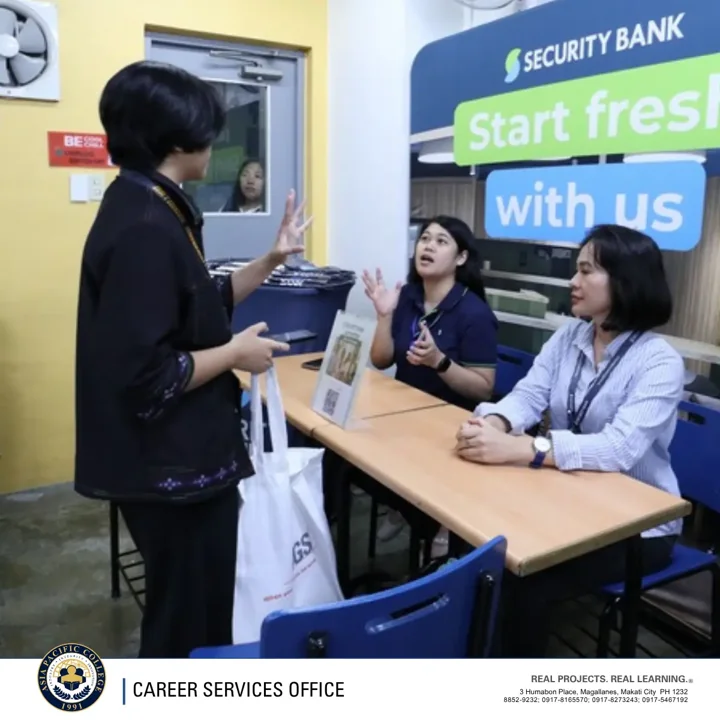
The Career Services Office supports students through activities linked with internship preparation and professional development. An official report describes mock interviews within the Professional Ethics course, giving students opportunities to practise communication and receive feedback from industry practitioners. The activities simulate recruitment situations before students begin applying for placements.
The college also organises a Career Expo where students, alumni and employers can meet and discuss different professional fields. The office helps students understand employment documentation and maintains links with alumni. These activities complement technical and academic study with experience of workplace processes and professional expectations.
Sources: Career Services in action ↗
Learning through an accountancy visit
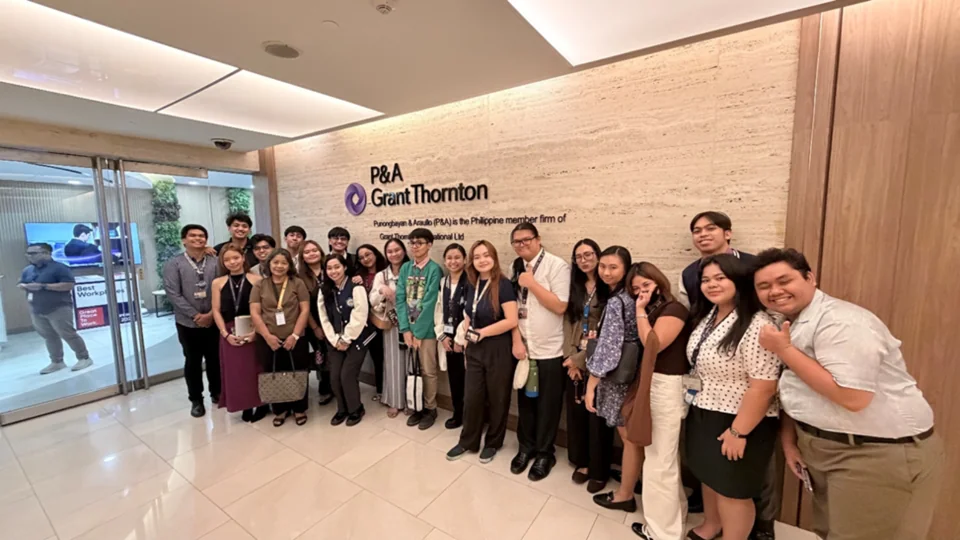
A May 2026 report records an immersion visit by Accountancy students to P&A Grant Thornton. The visit included a discussion of information-technology auditing and its relationship with more traditional audit work. Students toured the office and interacted with professionals, encountering an external workplace alongside their classroom study.
The report presents the visit as part of an ongoing relationship between the college and the firm. It illustrates how APC’s industry-linked educational approach can take the form of observation, discussion and direct contact with professional practice beyond the college campus.
Sources: Accountancy industry immersion ↗