Visa
About Arunachal Pradesh University
A state university in Pasighat
Arunachal Pradesh University is a state university in Pasighat, Arunachal Pradesh, India. Its legal foundation is the Arunachal Pradesh University Act of 2012. The university was established on 1 July 2022, following a state notification issued in May that year. Its foundation stone had been laid in January 2013, while the first academic session was inaugurated in August 2023.
The university’s setting is associated with the Siang River and the cultural heritage of Arunachal Pradesh’s indigenous communities. Its founding objectives connect research, education, training and extension with the state’s social and economic development. The early postgraduate subjects included commerce, economics, education, social work and tribal studies. The university’s account of its beginnings links these subjects with regional needs, cultural heritage and the development of scholarship within the state.
Sources: About APU and founding history ↗
Knowledge, culture and public service
The university’s motto translates as “Knowledge is Supreme Power”. Its mission places research, education, training and extension in the service of Arunachal Pradesh’s development and cultural heritage. Ethical and moral development is also part of its stated educational purpose. The institution presents the application of knowledge in service to society as a central objective, alongside its vision of work in knowledge, culture and human development.
Sources: Mission and vision ↗
Commerce and learning beyond lectures
Commerce was among the university’s pioneering departments. Established with the university in July 2022, it became functional following the first Executive Council meeting in May 2023. Formal Master of Commerce classes began in August 2023. The department describes a two-year postgraduate programme with a marketing specialisation, alongside doctoral study in its published programme information.
Its teaching methods include project work, group discussion of current issues, presentations, interactive sessions and lectures. Career guidance, expert talks, field visits, industry tours and participation in academic events provide further contact with professional and scholarly settings. The department’s mission emphasises an ethical learning environment in which students and teachers contribute to knowledge and practice. Business study is therefore connected with research, public responsibility and engagement with issues beyond individual classroom exercises.
Sources: Commerce ↗
Economics and regional development
The Department of Economics began regular classes in August 2023 following approval by the university’s first Executive Council. Its Master of Arts programme is organised over two years and four semesters. The department’s academic description explicitly includes economic-development issues relating to Northeast India and Arunachal Pradesh, connecting postgraduate study with the region surrounding the university.
Teaching is supported by a departmental library containing textbooks, reference works, journals and statistical abstracts. Its educational mission combines classroom instruction and research with an environment for study and wider personal development. The department’s published programme area also includes doctoral provision. Its accounts of early student numbers and changing curriculum arrangements describe stages in the department’s development, while its substantive academic focus remains the study of economics in regional and broader contexts.
Sources: Economics ↗
Tribal studies and community knowledge
The Department of Tribal Studies began postgraduate classes in August 2023. Its interdisciplinary approach draws on anthropology, sociology, literature, environmental studies, history, political science, cultural studies and other fields. The department studies indigenous communities’ knowledge systems, heritage, changing circumstances and relationships with the state, with particular attention to Arunachal Pradesh.
Its courses encompass indigenous languages and literature, rights, natural-resource management, traditional governance and cultural preservation. Research and teaching are linked with collaboration involving communities, scholars and organisations. Fieldwork, community-based projects and partnerships with indigenous leaders and institutions form part of the department’s stated approach. This framework places academic inquiry in dialogue with the people and knowledge traditions being studied. Preservation of indigenous wisdom, social responsibility and the preparation of researchers are recurring elements of its mission.
Sources: Tribal Studies ↗
Postgraduate sociology
Sociology’s postgraduate programme combines sociological theory, research methods and regional questions, particularly those concerning Northeast India and Arunachal Pradesh. Its curriculum brings classical foundations together with interdisciplinary and applied perspectives. The department emphasises scientific knowledge, analytical ability and research competence.
Its educational approach also includes critical thinking, equality, independent learning and personal development. Thematic, theoretical and methodological training are presented as connected parts of postgraduate study. Through this combination, the programme addresses contemporary social issues while encouraging students to develop the tools needed for their own research and analysis.
Sources: Sociology ↗
Library resources
The university library supports academic study and research through both physical and digital resources. Its published description identifies books serving the initial postgraduate departments, scholarly journals, newspapers and magazines. It also reports an agreement with the Indian School of Business for access to electronic resources.
The library’s objective is to support the university’s mission while developing its learning-resource services. Its account emphasises continuing technological improvements alongside the provision of printed materials. These resources serve students, researchers and faculty, linking day-to-day reading with the wider academic work of the institution.
Sources: University library ↗
Guidance and civic learning
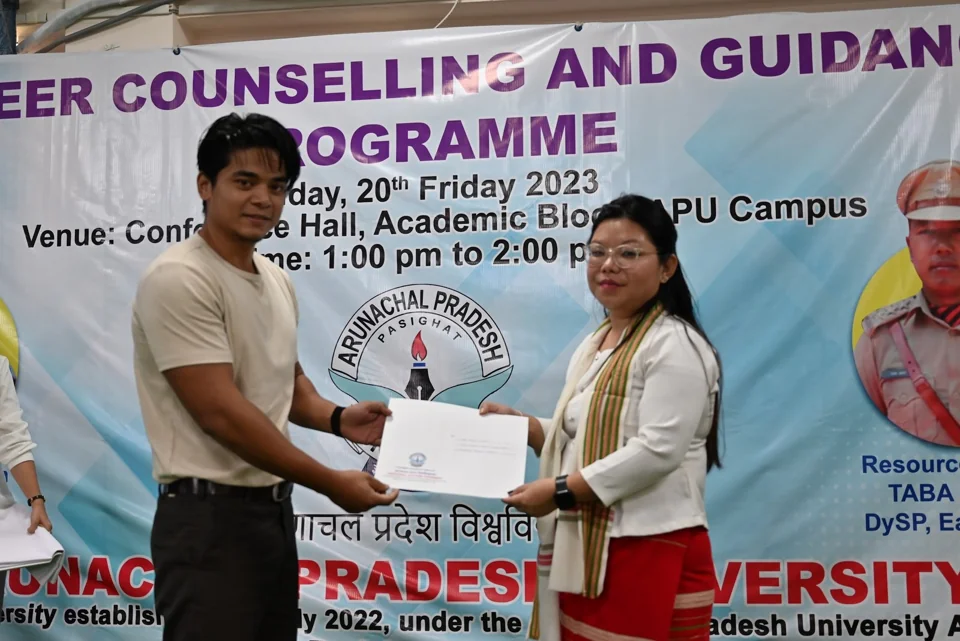
An official report published in 2023 describes a career-counselling programme with resource people from civil administration and policing. Sessions explored public-service roles and the skills associated with them. The programme included interactive workshops, discussions and individual counselling, allowing students to ask questions and hear about professional experience directly.
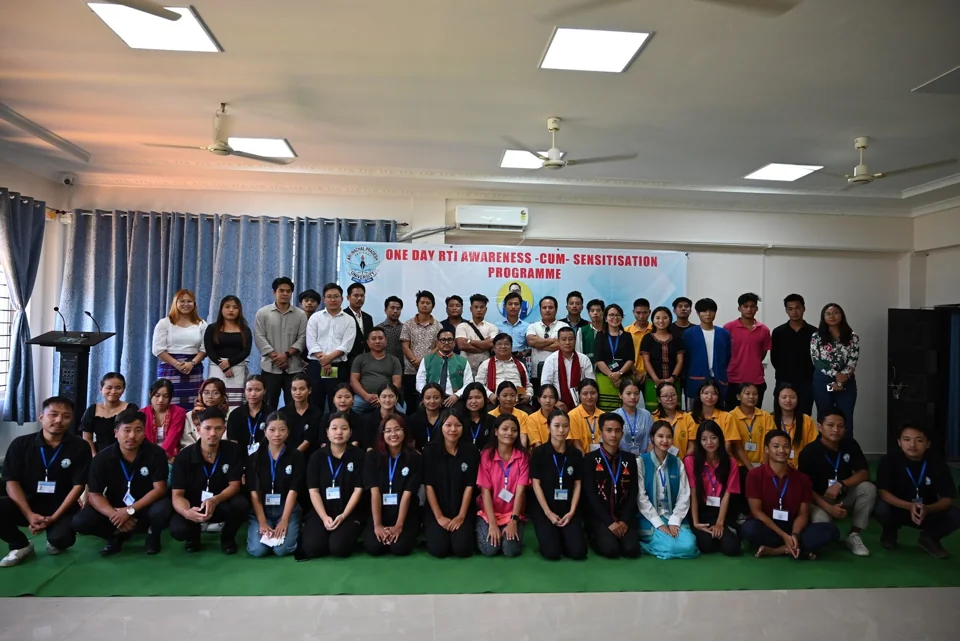
A separate report from the same year records a Right to Information awareness programme with the state’s Information Commissioner. It included discussion of the RTI Act, practical questions and interaction with the university community. Together, these events illustrate educational activities concerned with professional awareness and public institutions beyond the formal subject curriculum.
Sources: Career counselling programme ↗ · RTI awareness programme ↗