Visa
About AAA College of Engineering and Technology
Technical education in the Sivakasi region
AAA College of Engineering and Technology, commonly abbreviated AAACET, is an engineering institution in the Sivakasi region of Tamil Nadu, India. Its official About page dates its establishment to 2013 and identifies the Panjurajan–Amaravathy Trust of Thiruthangal and the Vinayaga–Sony group of industries in its development. The college presents technical education as a way for students to apply knowledge and skills in industry and society.
The institution’s stated mission combines engineering and technology education with research, professional ethics, leadership, and social responsibility. Innovation and creativity are included among its educational aims, alongside collaboration with academic organizations, research centers, and industries. Its academic navigation lists civil, mechanical, electrical and electronics, electronics and communication, and computer science engineering, together with artificial intelligence and data science, cybersecurity, information technology, and VLSI-related study. These subjects give the college a mix of established engineering disciplines and newer digital technology areas.
Sources: About AAACET ↗
Computer science and practical technical learning
The Computer Science and Engineering Department was established in 2013. Its official description emphasizes computational technologies, programming, and learning opportunities that supplement the curriculum. It identifies a Computer Society of India student chapter and a department association as settings for workshops, practical training, and lectures involving academic and industry speakers. These activities connect formal study with opportunities to exchange ideas and demonstrate technical work.
The department describes contests in programming, paper presentation, multimedia, web design, mobile application development, and project exhibitions. It also lists additional learning in areas such as cloud computing, the Internet of Things, Java programming, graphics, and multimedia. Its account identifies computing and internet-equipped laboratories and initiatives associated with cloud technology and industrial applications of connected devices. This published approach illustrates how the college seeks to combine academic foundations with practical exposure to software, computing systems, and emerging technologies.
Library collections and digital access
The Dr. Kalam Central Library supports study through technical books, reference works, reports, audiovisual material, and journal back volumes. Its official description identifies a reading hall, computer access, and wireless connectivity for laptop users. An online public access catalogue provides a route to finding material, while the library’s information systems support both access to resources and the administration of library services.
The college describes use of the ROVAN library management system for acquisition, cataloguing, serials, circulation, electronic entry registration, and administration. It also identifies DELNET membership and access to journal discovery through J-Gate. Additional pages organize journal information by academic department and provide links to national digital learning resources. Plagiarism-checking support is included among the listed services. Together, these facilities connect physical reading and reference collections with digital discovery tools, giving students and faculty several ways to locate information for coursework and research.
Sources: Dr. Kalam Central Library ↗
Connecting academic work with industry
The Institution-Industry Interaction Cell is presented as a framework for connecting academic knowledge and research with industrial applications. Its published objectives include exchanging knowledge, developing practical skills, supporting collaborative research, and strengthening the relevance of academic study. The college describes this interaction as a way for students and faculty to learn about current tools, techniques, and industrial needs while sharing academic expertise.
The cell’s account identifies workshops, seminars, guest lectures, industrial visits, internships, and joint projects among the activities it aims to facilitate. Entrepreneurship, mentoring, consultancy, and industry feedback on the curriculum also appear within its stated remit. Its website links to the institution’s innovation council, entrepreneurship development cell, and several technology-focused centers. These arrangements show the place of external engagement in the college’s educational model, with industry interaction intended to complement classroom learning and create opportunities for practical experience and collaborative problem solving.
Research and innovation across departments
The college’s Research and Innovations page describes faculty and student participation across its departments. Its stated priorities include advancing knowledge, developing solutions relevant to industry, encouraging student projects, and working with academic, industrial, and government partners. Publications, conferences, books, prototypes, and patents are identified as forms through which research and innovation activity can develop. The account presents research as part of institutional development alongside teaching.
A Department of Research and Innovation Development coordinates this work, and the college describes a project and research laboratory supporting experimentation and interdisciplinary projects. The page also lists faculty with research supervision recognition and identifies support for preparing proposals to external funding organizations. These are published elements of the college’s research framework rather than guarantees that every proposal receives funding. The overall structure places project development, scholarly communication, supervision, and collaboration within a shared organization for research activity.
Sources: Research and Innovations ↗
Academic blocks and teaching spaces
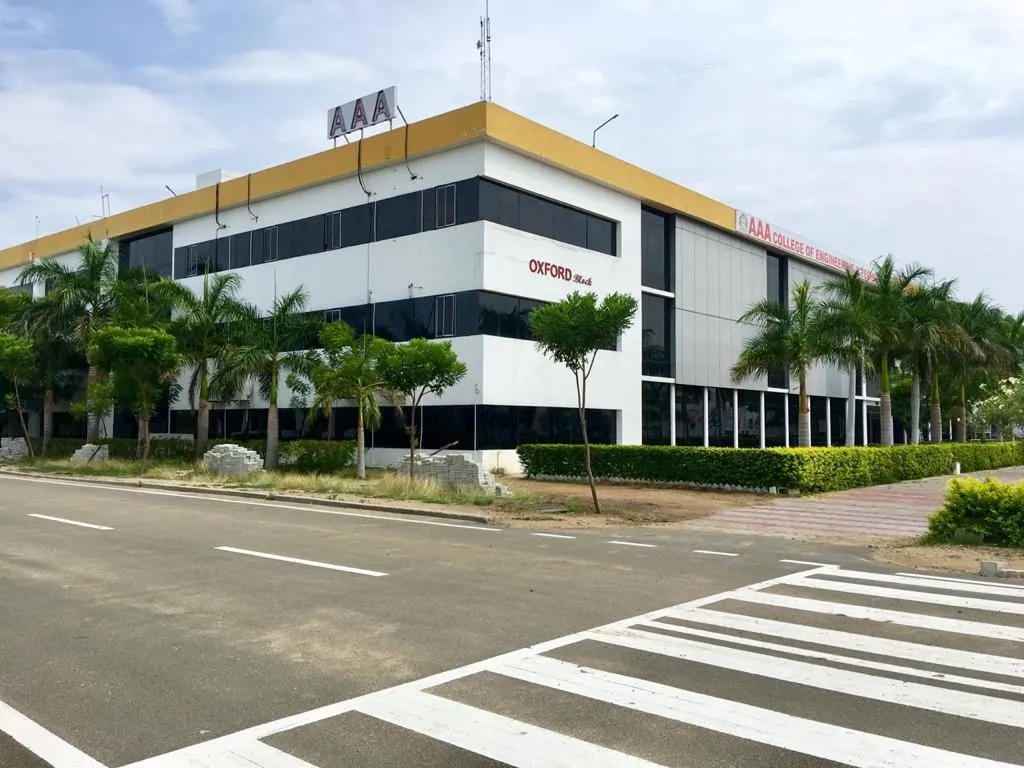
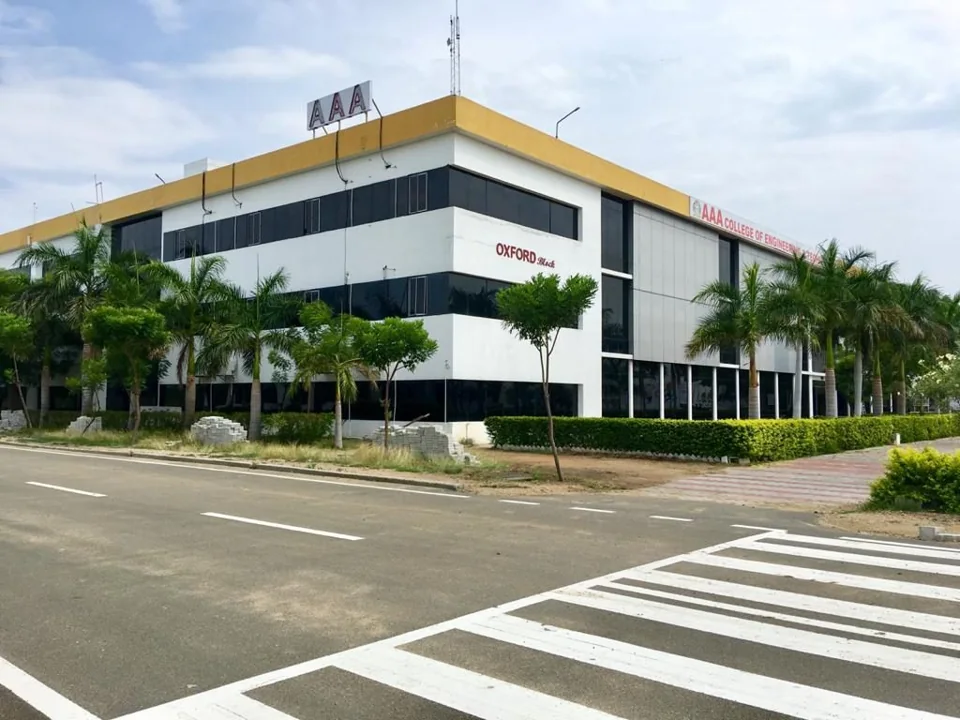
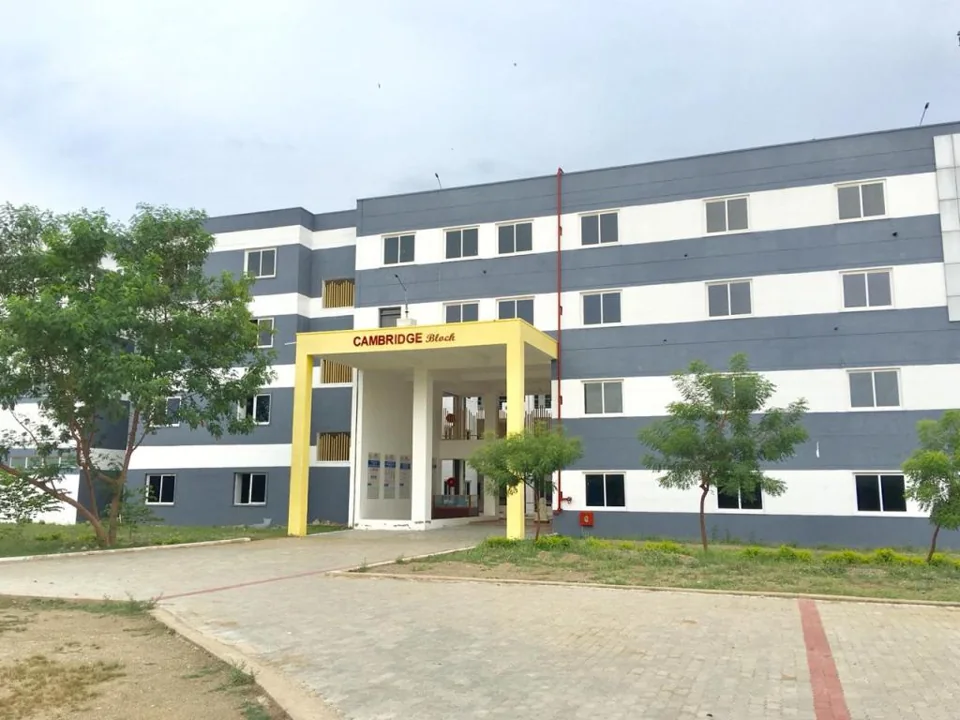
The Blocks and Classrooms directory provides a detailed picture of the campus’s teaching environment. It identifies Oxford Block and Cambridge Block and lists their rooms by floor and function. The published allocation includes classrooms, laboratories, faculty rooms, seminar facilities, a computer center, administrative offices, and student amenities. This room-level information shows how academic teaching and support functions are distributed through the main buildings.
The Oxford Block listings include a drawing hall and computer-aided design center, tutorial space, placement facilities, an auditorium, and examination administration alongside teaching rooms and laboratories. Cambridge Block also includes classroom and seminar provision. The directory records allocations for the 2026–2027 academic year, giving a dated view of campus organization. Together with the library, departmental laboratories, research arrangements, and industry interaction framework, these spaces provide the physical setting in which the college’s technical education and student activities take place.
Sources: Blocks and Classrooms ↗