Visa
About Apor Vilmos Catholic College
A Catholic college in Vác and Budapest
Apor Vilmos Catholic College is a Hungarian higher education institution maintained by the Diocese of Vác. Known in Hungarian as Apor Vilmos Katolikus Főiskola, it brings together teacher education, social pedagogy, religious education and further professional study. Its Catholic character accompanies an explicitly welcoming approach towards applicants with other religious beliefs and ways of thinking. Teaching takes place in Vác and at a Budapest campus, giving the college an educational presence in both locations.
The college traces its predecessor to Catholic teacher training established in Zsámbék in 1929 by the Sisters of Mercy of the Holy Cross. Its history includes periods of state control and later renewed Catholic management. It adopted the name of Bishop Vilmos Apor in 2000. A fire in August 2004 made continued operation in the Zsámbék building impossible, prompting the move to Vác. The Budapest campus was inaugurated in 2017, adding a location for part-time and postgraduate education.
Sources: Rector’s welcome ↗ · Past and present ↗
Education from early childhood to advanced study
The college’s published programme descriptions place different stages of childhood at the centre of several bachelor’s degrees. Infant and early childhood education addresses children from birth to three, while preschool teacher education concerns children aged three to seven. Preschool preparation also includes German and Roma ethnic minority options. Lower primary teacher education combines general classroom preparation with study in a chosen teaching field.
Social pedagogy adds a different practical perspective: students encounter institutions through visits, internships and field practice. Religious study includes catechist and pastoral assistant preparation, alongside a chorister programme concerned with church music and community religious education. At master’s level, educational science addresses research, the design and evaluation of learning programmes, and educational management. Social pedagogy develops individual and collaborative research connected with social and educational work. Mental health in relations and community development focuses on supportive relationships and networks in settings such as workplaces, civil society and church communities.
Sources: Degree programme descriptions ↗
Drama as an educational resource
Drama education is a distinctive strand of the college’s professional work. Its Centre for Drama Education connects a tradition of drama pedagogy associated with the former Zsámbék institution to contemporary teaching and professional development. The centre treats drama as an experiential educational approach, bringing together storytelling, puppetry, role-based activity and theatre in education. These methods give teachers ways to organise participation, explore situations and develop learning through shared activity.
The centre describes four connected areas of work. Research provides a basis for investigating drama pedagogy; training and workshops bring that knowledge into professional learning; methodological and curriculum innovation develops educational approaches; and projects, events and cooperation connect practitioners across institutions and countries. Its training activities include specialised postgraduate study and courses for educators. Together, these strands position drama within the college’s wider preparation of teachers and educational professionals, rather than presenting it solely as an extracurricular performance activity.
Sources: Centre for Drama Education ↗
International learning and exchange
The college’s Erasmus semester introduction invites students from partner institutions to join a spring programme taught in English. It identifies English at B2 level as the language expectation and combines compulsory study with optional modules. Intercultural competences, storytelling and drama, Hungarian culture, social integration, contemporary psychology and school practice appear among the learning areas. Optional English language and early childhood English study broaden the programme’s language-related opportunities.
The same page preserves accounts of earlier exchanges, showing how those subjects have been explored in practice. Its spring 2023 account describes participation by students from Spain and Estonia, cultural visits and work involving museums and folk art. Environmental themes and nature-based storytelling provided material for projects, while verbal and nonverbal interaction formed part of the educational experience. This dated example illustrates the connection between classroom learning, cultural encounters and practical activity that runs through the college’s international semester description.
Sources: Erasmus semester ↗
Student life and shared activities
The college’s student-life introduction describes two dormitories in Vác serving students and guests. Accommodation forms part of a wider social setting in which the student union organises activities around the academic year. Freshman camp and a freshman ball introduce new students to college life, while university day, international week and graduation ceremonies provide other occasions for gathering.
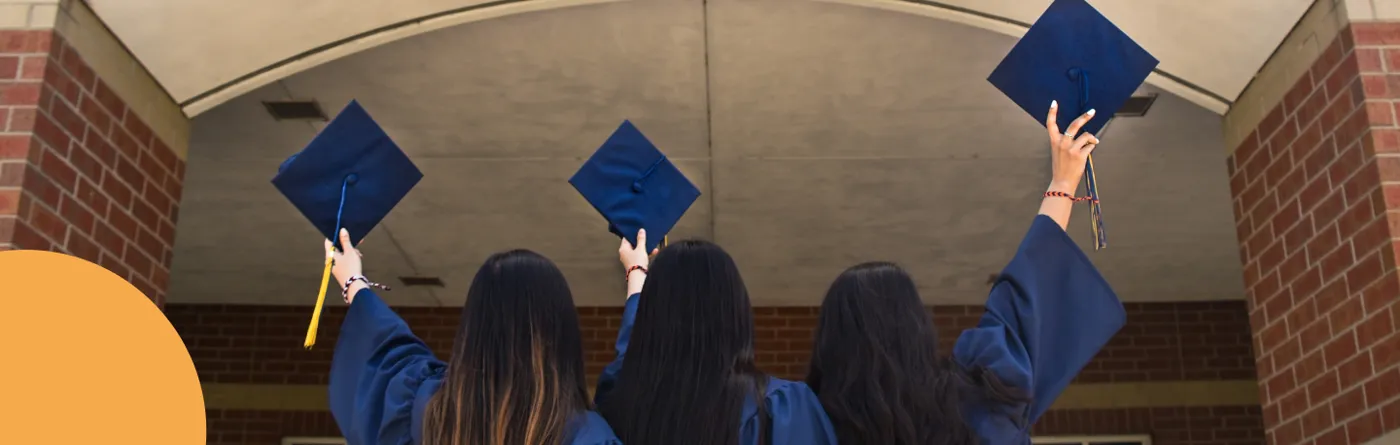
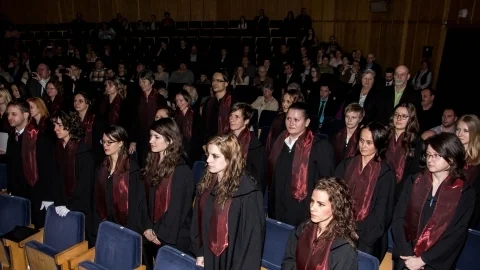
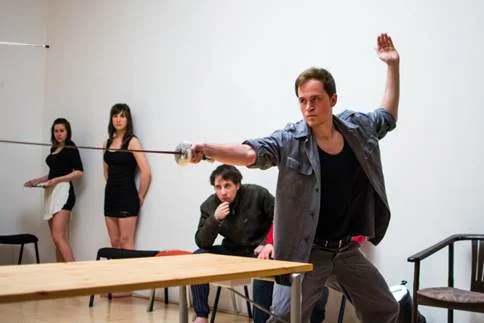
Cultural activities extend beyond formal classes. The published introduction includes a film club, concerts, theatre and slam poetry, alongside sport and seasonal outdoor activities. These offer different ways for students to meet, perform, take part in discussions and spend time together. Graduation and drama photographs accompanying the introduction show two aspects of that community: formal academic celebration and participatory creative activity.
Sources: Student life ↗
Professional discussion through conferences
The Budapest campus also provides a setting for professional exchange. In a report published on 26 October 2026, the college described its fifth Organic Pedagogy Conference, organised around the theme of trust. The report connects this educational approach with Joseph Kentenich’s teaching and the framework developed by Rita Pécsi. It presents trust as a subject for reflection across educational relationships and professional practice.
The event brought contributions from several areas, including education, folk arts, storytelling, sport psychology, history and the performing arts. Bringing these perspectives together gave the conference a broader cultural setting than a discussion limited to classroom technique. The report offers a concrete example of how the college uses its campus and professional networks to host dialogue among educators and contributors from other fields.
Sources: Fifth Organic Pedagogy Conference ↗