Visa
About Anyang Institute of Technology
An applied institution in Anyang
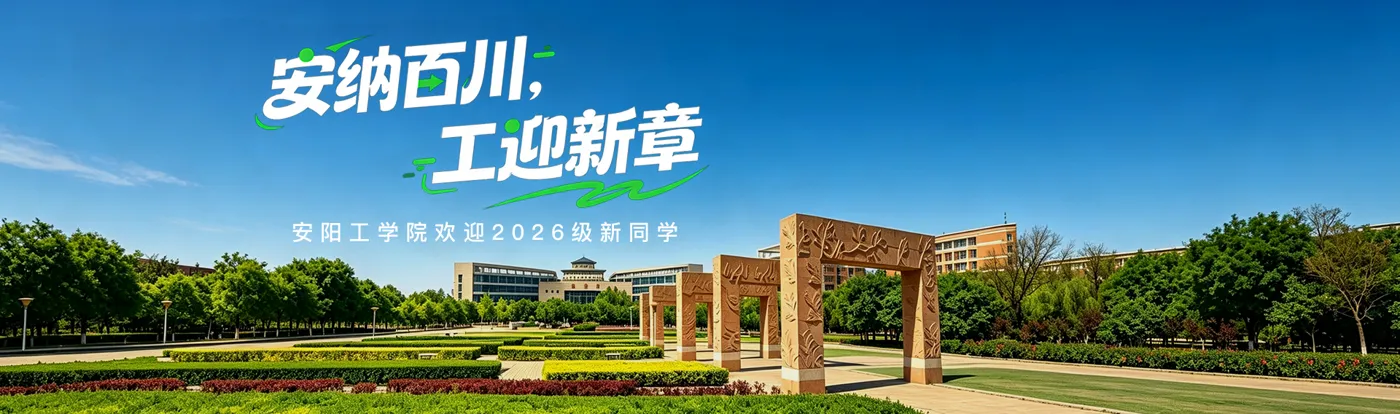
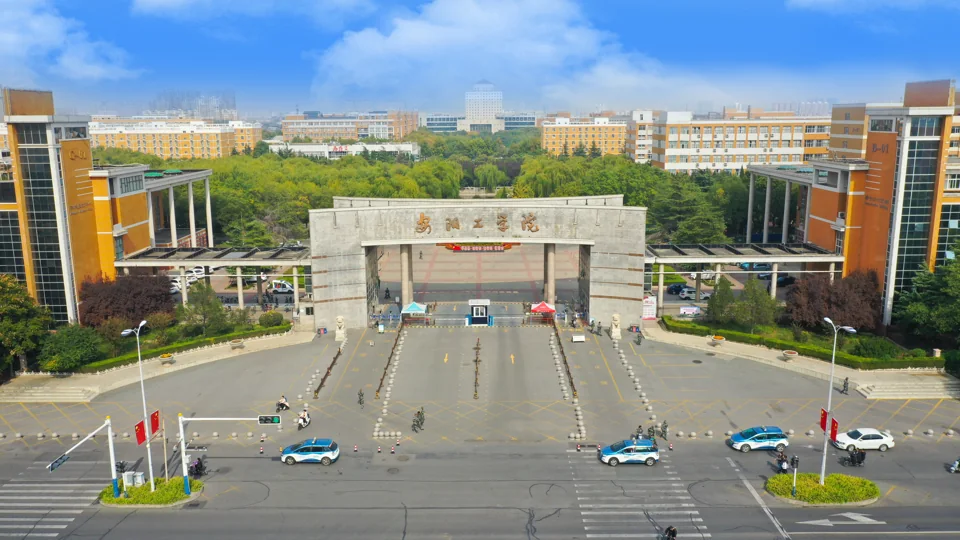
Anyang Institute of Technology, known in Chinese as 安阳工学院, is a public undergraduate institution in Anyang, Henan, China. It was established in 1983 and upgraded to undergraduate status in 2004. Its official introduction, updated in May 2026, presents an applied educational orientation with engineering at its centre and connections across science, agriculture, management, economics, humanities, law and the arts.
The institution organizes professional development around areas including aviation, advanced equipment manufacturing, civil construction, chemicals, electronics and information technology, biological and food-related subjects, and applied humanities. Aviation and the low-altitude economy are identified as distinctive priorities. Alongside undergraduate education, the introduction describes research platforms and postgraduate training undertaken jointly with other institutions. International cooperation includes the Moscow Aviation Science and Technology College, operated with Moscow State Technical University of Civil Aviation as a joint educational unit within Anyang Institute of Technology.
Sources: Institutional introduction, updated May 2026 ↗
Computing supported by laboratories and student teams
The Computer Science and Information Engineering school traces its beginnings to 1993. A computer engineering department began admitting junior-college students in 1994, while computer science and technology became one of the institution’s first undergraduate programmes in 2004. The school adopted its present name in 2010.
Its published undergraduate fields include computer science and technology, network engineering, software engineering, Internet of Things engineering, intelligent transport, data science and big-data technology, and artificial intelligence. Practical facilities cover software, embedded systems and Internet of Things applications. The school describes open laboratories, mentoring and student teams as ways to strengthen hands-on work and innovation. Partnerships include a Kunpeng industry college created with technology companies and an Anyang big-data research institute developed with the city’s governmental data-management organization. These activities connect academic computing with applied projects and regional information-technology needs.
Engineering practice across the institution
The Engineering Training Centre was established in 2006 to provide practical teaching across the institution’s academic programmes. Its remit includes engineering training within formal teaching plans, as well as support for graduation design and extracurricular scientific and technological projects. The centre describes its educational purpose in terms of engineering innovation and comprehensive practical ability.
Its training areas include benchwork, welding, machining, numerical control, casting and forging, specialist processing, electrical and electronic work, and three-dimensional printing. Equipment listed by the centre includes computer-controlled lathes and milling machines, wire-cutting and electrical-discharge machines, fibre-laser metal cutting equipment, precision laser engraving and cutting machines, and 3D printers. This combination gives students access to several ways of shaping, joining and processing materials. The centre’s teaching approach emphasizes modular activities at different levels, linking basic workshop experience with design, experimentation and innovation practice.
Sources: Engineering Training Centre ↗
Biology, food and agricultural applications
The Biology and Food Engineering school was formed in 2006 by bringing together horticulture and landscaping, agricultural engineering, animal husbandry and veterinary studies, and biotechnology provision. Its institutional history also identifies Anyang Agricultural School, founded in 1975, as a predecessor. Its published undergraduate fields encompass bioengineering, biotechnology, food science and engineering, food quality and safety, and veterinary medicine.
The school’s research environment includes work on cotton biology and germplasm, livestock pollution control and resource utilization, extraction technology, natural products and plant protection. Its equipment supports activities such as microscopy, cell analysis, microbial identification, food testing and molecular interaction studies. Practical teaching also uses external placements arranged with research and industrial organizations, including the Cotton Research Institute of the Chinese Academy of Agricultural Sciences and food companies. Joint postgraduate training with other universities adds another connection between its subject expertise, laboratory work and academic research.
Sources: Biology and Food Engineering ↗
Aviation teaching through specialist facilities
The Flight School was established in May 2012. Its introduction describes an academic structure centred on flight technology, with related study in transport operations, airport management, air traffic control and dispatch, logistics management, safety engineering, and aircraft quality and reliability. Teaching combines academic study with specialist practical training.
The school lists facilities for civil-aviation computer-based training, air-ground communication, flight simulation, Airbus A320 three-dimensional maintenance simulation, logistics simulation and intelligent airport warehousing. Training aircraft include a Boeing 737-300, Cessna 172 and Xiaoying 500. The school also describes cooperation with aviation companies and educational institutions, alongside research concerning human-machine environments and emergency management. These facilities and subject areas illustrate the institution’s aviation emphasis across operations, equipment and organizational systems. Its teaching profile brings together cockpit-related study, technical maintenance settings, communication practice and the wider infrastructure required to support air transport.
Sources: Flight School ↗
Campus spaces connecting science and local culture
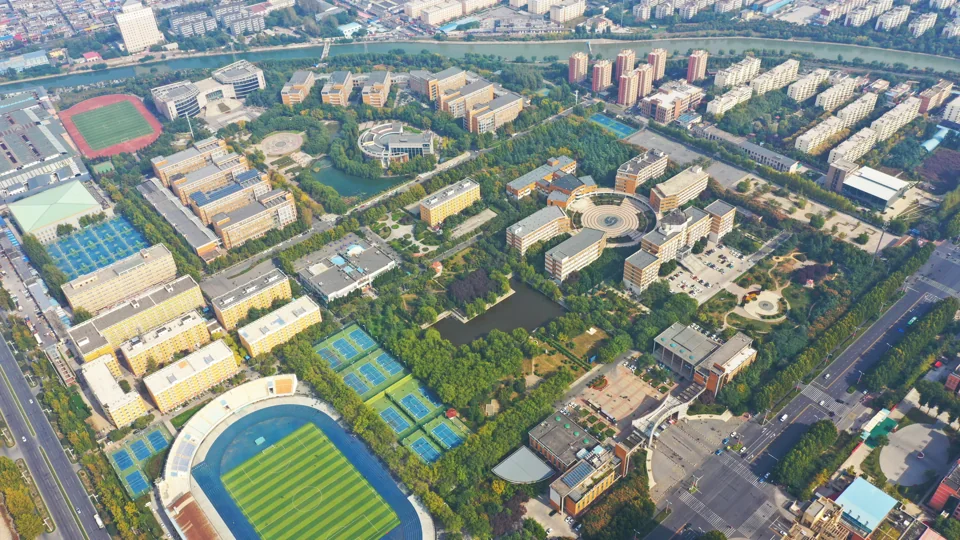
The institute’s campus includes landscapes that connect its educational setting with Chinese cultural traditions. Its cultural-landscape account describes Qiusuo Square as a former teaching centre linked by a corridor to teaching buildings, laboratories and the library. An electron-collision design in the square is presented as a meeting point between modern science and traditional philosophical imagery.
Other features include a garden incorporating the sixty-four hexagrams of the Book of Changes, Mingde Lake, Zhishan Lake and a circular sunken plaza whose terraces suggest tree rings. The Five Elements Gate uses water, metal, earth, fire and wood motifs. An oracle-bone-script wall places ancient characters beside modern Chinese forms, relating the campus to Anyang’s historical importance in the study of early writing. These spaces provide a distinctive physical setting for everyday study, movement and informal encounters across the institution.
Sources: Campus cultural landscapes ↗