Visa
About Aba Vocational College
A regional vocational college in Sichuan
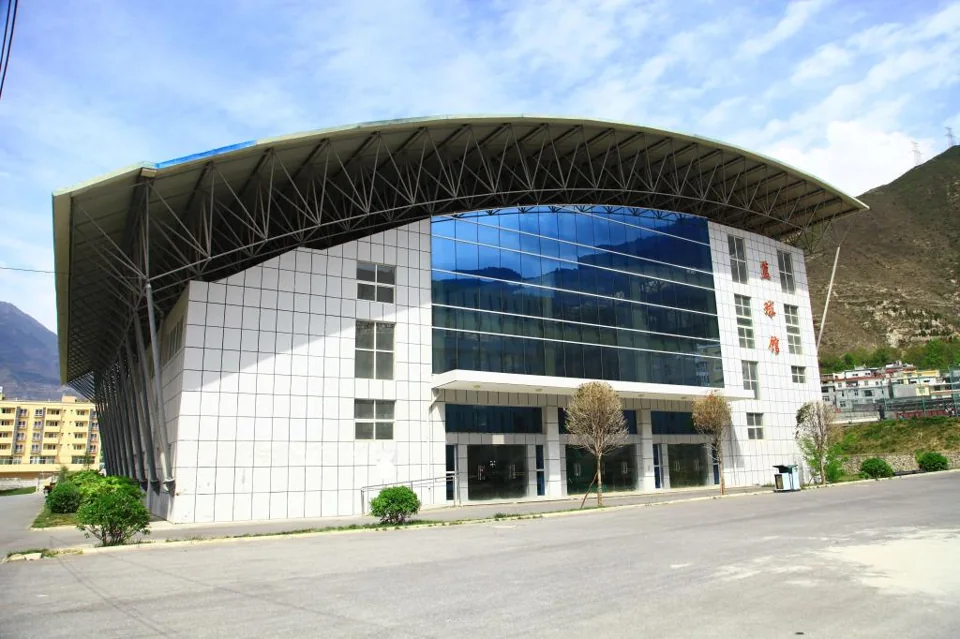
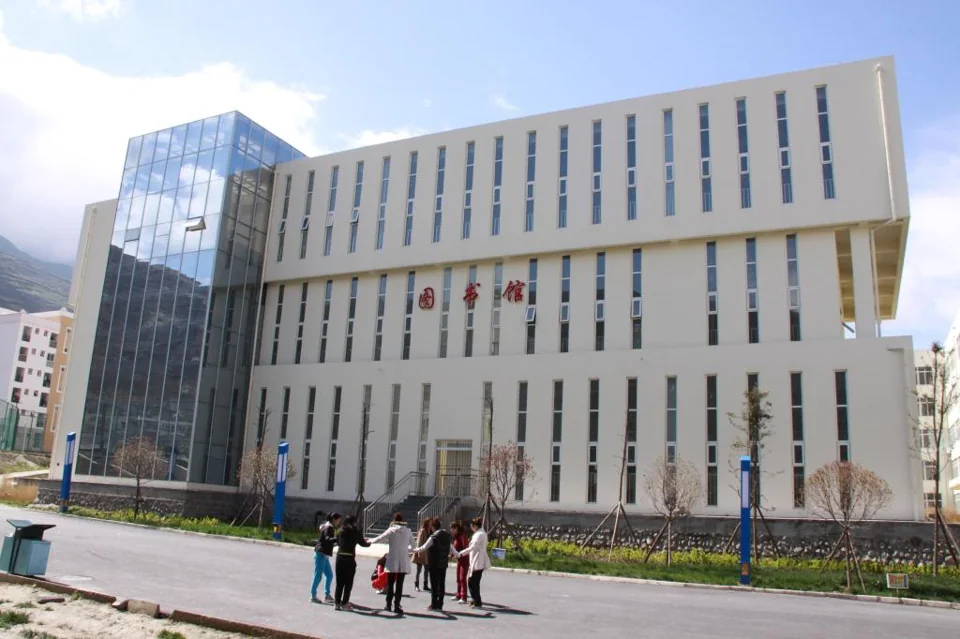
Aba Vocational College is a public, full-time higher vocational institution in Sichuan, China. Its official introduction identifies its former name as Sichuan Minzu Vocational College and records approval by the Sichuan provincial government and registration with the national Ministry of Education. The college is based in Maoxian in the Aba Tibetan and Qiang Autonomous Prefecture, an area whose communities, cultural traditions and economic activities shape its regional role. The institutional overview presents skills development and service to local social, economic and cultural needs as central purposes. Its subject range includes agriculture and animal husbandry, education, health, tourism, business, arts and technology. The campus description identifies teaching and practical-training buildings, student accommodation, sports facilities and a library. Its published photographs show a built environment set against surrounding mountain scenery. Together, these features place the college within a regional vocational education setting where professional preparation is connected with local industries and communities.
Sources: College introduction ↗
Preparing educators for primary and preschool settings
The Education Department's programme descriptions outline two distinct areas: primary education and preschool education. Primary education combines foundations in psychology and educational theory with child development, research methods, professional ethics and education policy. Subject teaching includes primary Chinese and mathematics, supported by educational technology, spoken communication and practical teacher skills. The preschool curriculum brings together educational and developmental knowledge with arts, music, dance and activity design. It also addresses children's games, health, curriculum planning, classroom environments, assessment, early education and the management of kindergarten groups. These descriptions show a course of preparation involving both understanding children and designing appropriate learning experiences. The department identifies schools, kindergartens and other educational organisations as potential professional settings. These are described career directions rather than guaranteed appointments, and any specific teaching post remains subject to the relevant qualification and recruitment requirements.
Agricultural learning in local production settings
The Agriculture and Animal Husbandry Department provides a concrete example of field-based learning in its report on ecological agriculture visits in May 2026. Students from the 2025 cohort visited a demonstration park for distinctive northwestern Sichuan plateau fruit varieties and production techniques. Teaching there addressed local fruit types, growth characteristics and field management. A second visit took students to Shuixi village in Maoxian, where staff discussed the relationship between agriculture and tourism, including development conditions, problems and possible responses. The report presents these activities as a way of connecting theoretical study with actual production and regional industry. They illustrate how the surrounding area can become part of the educational environment. Rather than treating practical learning as separate from the curriculum, the visits gave students material for understanding later professional courses through direct observation of agricultural work and local development.
Working with local early childhood educators
A dated Education Department report illustrates another form of practical academic exchange. On 24 April 2025, staff and selected preschool education students visited Fengyi Town Kindergarten in Maoxian for a teaching and research activity involving a partner kindergarten from Meishan. The workshop considered thematic classroom activities and the planning of integrated kindergarten curricula. Participants joined group discussions intended to connect educational theory with the circumstances of a real early childhood setting. The department reported that the exchange helped develop teaching resources and deepen collaboration between the college and local kindergarten educators. It also recorded an intention to continue regular teaching and research cooperation with Fengyi Town Kindergarten. This example shows how professional preparation can involve observing and discussing practice with working educators, alongside college classes. The article documents that particular activity and future cooperation intentions, rather than establishing a universal placement arrangement for every student.
Sources: Kindergarten teaching workshop, April 2025 ↗
Organising teaching and practical training
The college's Academic Affairs Office describes responsibilities covering the planning, coordination and supervision of teaching. It works with departments on programme teaching standards, course outlines, teaching plans and the organisation of semester tasks. Its remit also includes timetables, examinations, textbook provision, teaching reform and systems for evaluating educational quality. Practical education appears explicitly in these responsibilities: the office supports the construction and management of laboratories and training bases and assists departments with experimental work, internships and skills training. It also contributes proposals concerning programme adjustments, school–enterprise cooperation and teaching resources. These functions provide an organisational framework for the vocational activities described by individual departments. For students, they form part of the system behind course delivery and assessment. The published responsibilities explain how the institution coordinates its educational work across subjects, while programme-specific arrangements are handled through the relevant teaching units.
Sources: Academic affairs responsibilities ↗
Developing cooperation and future subject areas
The college continues to develop external cooperation as part of its vocational mission. An official report dated 19 October 2026 records an agreement with Chengdu's aviation vocational university. The proposed cooperation covers educational management, programme development, teaching resources and staff development. The report identifies support for developing drone application technology and drone surveying-related provision, including programme standards, practical-training systems and shared course resources. It also describes plans for joint teacher development, staff exchanges and collaboration on platforms connecting education with industry. These are important as development intentions: the agreement should not be read as confirmation that every proposed programme is already recruiting students. Instead, it provides evidence of how the college is seeking to extend its technical capacity and respond to emerging regional needs. Alongside its established education and agriculture activities, this partnership demonstrates an ongoing interest in adapting vocational training through cooperation with specialist institutions.
Sources: Interinstitutional cooperation agreement, October 2026 ↗