Visa
About 2nd Military Medical University
From Second Military Medical University to Naval Medical University
Second Military Medical University is the historic name associated with Naval Medical University in Shanghai, China. The university's official introduction traces its foundation to 1949, when it was known as the People's Medical College of the East China Military Region. It received the Second Military Medical University name in 1951. Following a reorganization in 2017, it became Naval Medical University, while retaining the ability to use the earlier name externally.
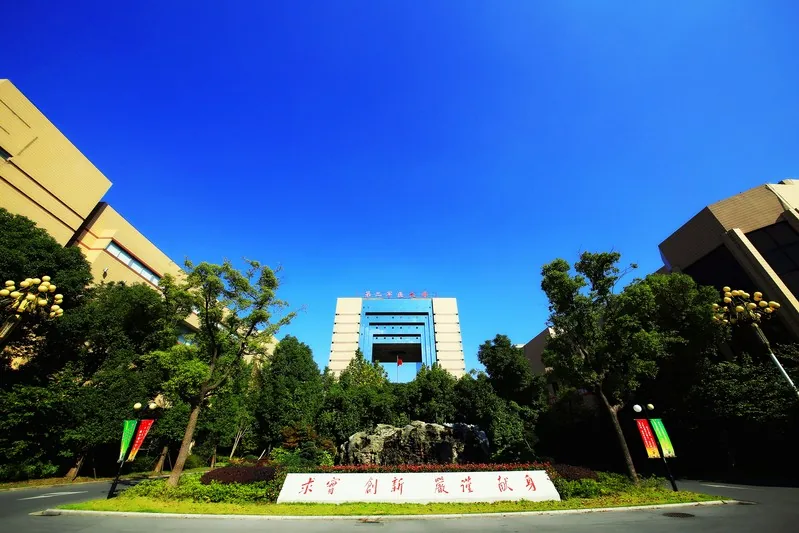
The institution describes its purpose through the preparation of specialist personnel for medical and health work. Its history connects medical education with scientific inquiry and clinical service, and its published motto emphasizes practical truth, innovation, rigor, and dedication. Understanding the relationship between the two names is essential when researching this directory record: they refer to the same institutional history, rather than to two unrelated medical universities in different cities.
Academic education and professional preparation
The university's announcement for master's entry in 2027 describes both academic and professional degree routes. Academic master's education emphasizes theoretical knowledge and experimental research capabilities, while professional degrees emphasize the development of advanced applied competence. Its listed subjects extend across biological science, biomedical engineering, foundational and clinical medicine, public health, pharmacy, nursing, and other related areas.
The same institutional overview identifies the affiliated Changhai, Changzheng, and Eastern Hepatobiliary Surgery hospitals as important parts of the university's clinical environment. It also describes research infrastructure associated with immunology and inflammation, digestive diseases, and liver cancer. These elements show an institution combining degree education with hospitals and specialized scientific platforms. The subject range is broader than one clinical discipline: it includes laboratory science, patient-oriented areas, health-related professional study, and the engineering and management knowledge that can support medical education and health services.
Sources: Master's education overview for 2027 ↗
Research interests across the medical sciences
The detailed subject directory for master's entry in 2026 provides a more specific view of the university's research interests. It lists areas within public health, nutrition, pharmaceutical science, clinical subjects, nursing, and the relationship between Chinese and Western medicine. The document associates individual subject areas with research directions and supervisors, showing how the broader university is organized into more focused fields of investigation.
Within pharmaceutical subjects, examples include medicinal chemistry, pharmaceutical preparations, medicine identification and quality evaluation, analytical methods, and pharmacology. Other listed directions connect medicine with information analysis, health policy, and the organization of pharmaceutical services. The directory connects these research subjects with the university’s broader postgraduate teaching and supervision. They illustrate the range of scientific questions represented in the institution's published postgraduate work, from the study and evaluation of medicines to the ways information and professional systems support health-related activity. The directory also makes clear that a general degree label can encompass several distinct research interests.
Doctoral study in academic and applied fields
The university's doctoral announcement for 2026 distinguishes academic doctorates from professional doctorates. It identifies professional doctoral education in clinical medicine and public health, alongside academic areas that include biology, basic medicine, clinical medicine, public health and preventive medicine, pharmacy, nursing, and public management. Its description also differentiates military and civilian recruitment arrangements, reflecting the institution's dual educational context.
The announcement presents doctoral education as full-time study and gives different standard durations for medical and other subject categories in that admission cycle. Its explanation of selection distinguishes examination-based routes from application and assessment arrangements and refers to progression from master's to doctoral work within university rules. These details show a structured postgraduate organization extending beyond the first professional qualification. They also place advanced research and specialist applied education alongside one another, with separate degree purposes and procedures rather than treating every doctoral route as an identical form of medical training.
Introducing prospective researchers to the academic community
An official summer program announcement published in June 2026 gives an example of how the university introduces prospective postgraduate students to its academic environment. The planned July event was intended to present subject platforms, teaching staff, and the postgraduate education system to students considering further study. Its subject list included psychology, biology, biomedical engineering, basic and clinical medicine, public health, pharmacy, nursing, and public management.
The published schedule combined an opening session with interaction, visits, expert teaching, and explanations of postgraduate study arrangements. This provides a concrete illustration of academic engagement beyond the formal submission of an application: students were offered an opportunity to encounter the institution's people, subjects, and research setting. As a dated announcement, it records a particular activity in 2026 rather than a permanently available program. Its content nevertheless reflects the university's attention to helping future researchers understand the educational community they may join.
A documented campus setting in Shanghai
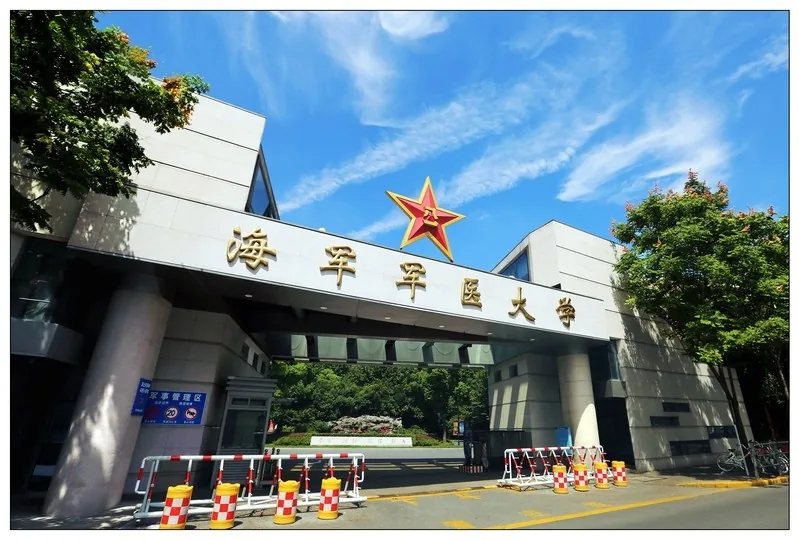
The university's official campus gallery provides a visual record of its physical setting. Entries published in March 2019 include the library building, university entrance, a teaching building, an auditorium, a science and technology building, gardens, and a lake. The library and entrance photographs reproduced here come from that institutional collection. Together, the gallery's academic buildings and landscaped spaces add a concrete sense of place to the university's account of its teaching, research, and medical work in Shanghai.
Sources: Official campus gallery ↗ · Library building photograph, 2019 ↗ · University entrance photograph, 2019 ↗