Visa

About Ankara Yıldırım Beyazıt University
A public university established in Ankara
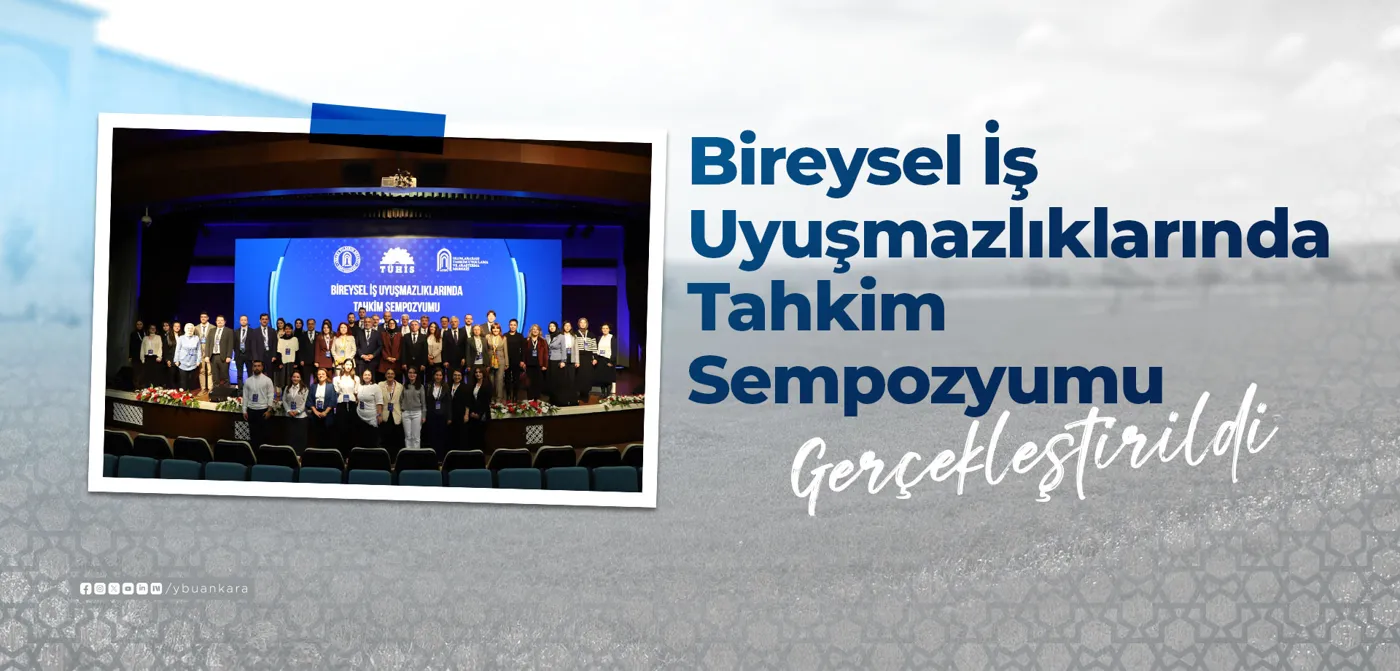
Ankara Yıldırım Beyazıt University is a public university in Türkiye’s capital region. Established in 2010 under Law No. 6005, it began teaching in the 2011–2012 academic year. Its official history identifies medicine, health sciences, law, political sciences, business, humanities and social sciences, and engineering and natural sciences among its initial faculties. A foreign-languages school and graduate institutes in health, social and natural sciences were also part of the early academic structure.
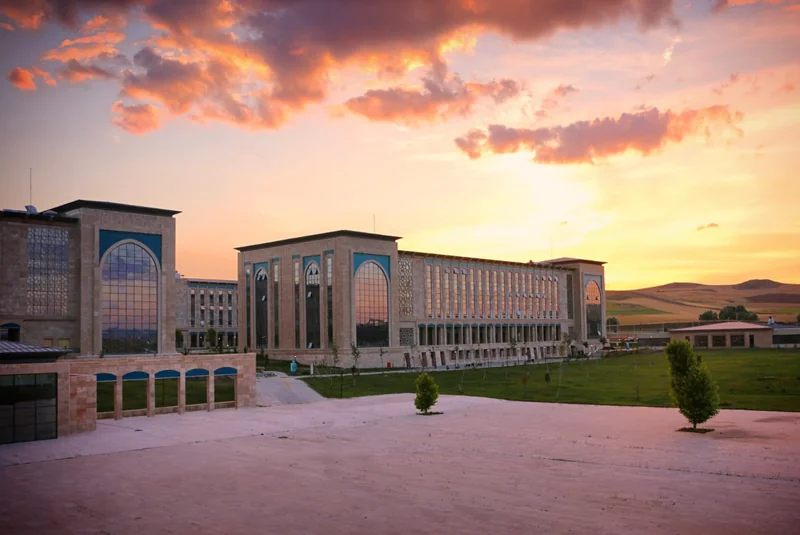
Before the Esenboğa campus was completed, teaching took place at locations including Ulus, Cinnah, Bilkent and Etlik. Esenboğa entered educational service on 2 December 2016, and the transfer of faculties and administrative units to that central campus continued through 2019. The university takes its name from the Ottoman ruler Yıldırım Bayezid. Its history connects its modern educational development with the wider historical geography around Esenboğa, Büğdüz and Akyurt, while identifying 2010 as the university’s institutional founding year.
Sources: University history ↗
Educational purpose and values
The university’s mission combines education and service to society with the production of knowledge through applied research. It also gives a place to entrepreneurship, creative teaching and internationalisation. Its vision is framed around education, research and innovative methods that respond to the needs of individuals and society.
The published values include ethics, merit, transparency, participation and academic autonomy. Social sensitivity and sustainability sit alongside an international outlook and attention to quality. These statements describe the institution’s intended direction: they link scholarly work with public responsibilities and the development of an environment in which teaching, enquiry and new ideas can interact.
Sources: Mission, vision and values ↗
A network of Ankara campuses
The university’s campus directory describes a network extending across Ankara rather than a single city-centre site. Esenboğa Külliyesi is in Dumlupınar in the Çubuk area. Milli İrade and the 15 July Martyrs campus are in the Etlik–Keçiören area, while Cinnah is in the Güvenevler neighbourhood of Çankaya. Bilkent is another listed location in Çankaya.
The directory also identifies the Keçiören Ovacık, Çubuk, Sağlık Varlık and Tuz Gölü locations. Tuz Gölü is listed in Şereflikoçhisar. The official transport page supplies separate addresses, map links and, for several campuses, virtual tours. This geographic spread forms part of the university’s everyday institutional structure, with different academic units operating at different sites.
Sources: Transport and campus directory ↗
Academic fields and their settings
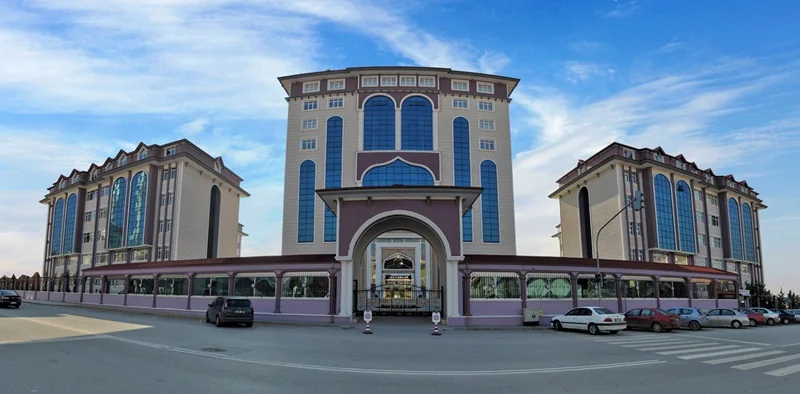
The faculty directory shows an academic range spanning professional, scientific, social and cultural fields. At Esenboğa, listed units include theology, communication, humanities and social sciences, business, architecture and fine arts, health sciences, and political sciences. Their shared campus address places several different disciplinary communities within the central complex.
Other faculties have separate settings. Engineering and Natural Sciences, Law, and Aviation and Aerospace Sciences are listed at the 15 July Martyrs building in Etlik. The Faculty of Medicine has a Bilkent address, while Dentistry is listed in Varlık. Sports Sciences is based at Milli İrade. The Şereflikoçhisar Faculty of Applied Sciences is associated with Tuz Gölü, and the Turkish Music State Conservatory is listed at Cinnah. The directory therefore gives a practical picture of how the university’s academic breadth relates to its physical locations, including medicine, engineering, law, applied sciences and music.
Sources: Faculty directory ↗
Building the library collection
The Library and Documentation Department’s collection policy covers printed and electronic materials supporting teaching, research and cultural needs. Its stated objectives include acquiring books, journals, electronic information sources and audiovisual resources for intellectual activity. It also aims to provide basic and supplementary materials for courses and reference works across subject areas.
The collection grows through purchases and donations. Donations are assessed for their relevance to university education or to researchers’ social and cultural development. Scientific currency and physical condition are among the selection considerations. A material-selection committee evaluates proposed gifts within the collection-development policy, and accepted items are processed into the library’s general holdings. The policy also allows duplicate materials to be transferred through donation or exchange to other institutional libraries. These arrangements describe a managed academic collection, in which acquisitions are considered against the university’s educational and research purposes.
Sources: Library collection development ↗
Using shared library resources
The borrowing service serves academic staff, administrative employees and students, including undergraduate and postgraduate learners. It also provides arrangements for faculty members at universities with cooperation protocols. Inter-university lending is conducted through the requesting academic’s own library, making institutional cooperation part of access to resources.
The service distinguishes circulating books from materials intended for consultation within the library. Reference works, theses, audiovisual materials, music scores, maps, atlases, manuscripts and rare works are among the categories it identifies for on-site use. Frequently requested books can be placed in a reserve collection for shorter periods of consultation. Users can manage renewals through the library website or the lending desk. The published rules also address reservations, returns, loss and damage. Together, these provisions organise the sharing and preservation of resources used by different groups within the university community.
Sources: Library borrowing service ↗
Research connections beyond the university
The Technology Transfer Office states that its mission is to support researchers’ and students’ potential and projects. It seeks to connect ideas with products and university knowledge with industry, with social benefit and support for further research among its aims. Its stated purpose therefore concerns the movement of knowledge beyond academic settings as well as the development of projects within them.
Sources: Technology Transfer Office mission ↗
Organising university–industry projects
The office publishes a defined framework for work, projects and consultancy involving university academics and companies. Its account begins with agreement on the scope and conditions of the proposed service. Applications then pass through the office and are submitted for management-board consideration.
Following approval, contracts are prepared and signed before the parties formally begin work. The subsequent stages include invoicing and the administration of payments through the Technology Transfer Office. This published framework gives academic collaboration an organisational basis, connecting project proposals, institutional approval, contractual arrangements and financial administration. It shows how external engagement is supported by university procedures alongside the institution’s teaching, library services and research mission.