Visa
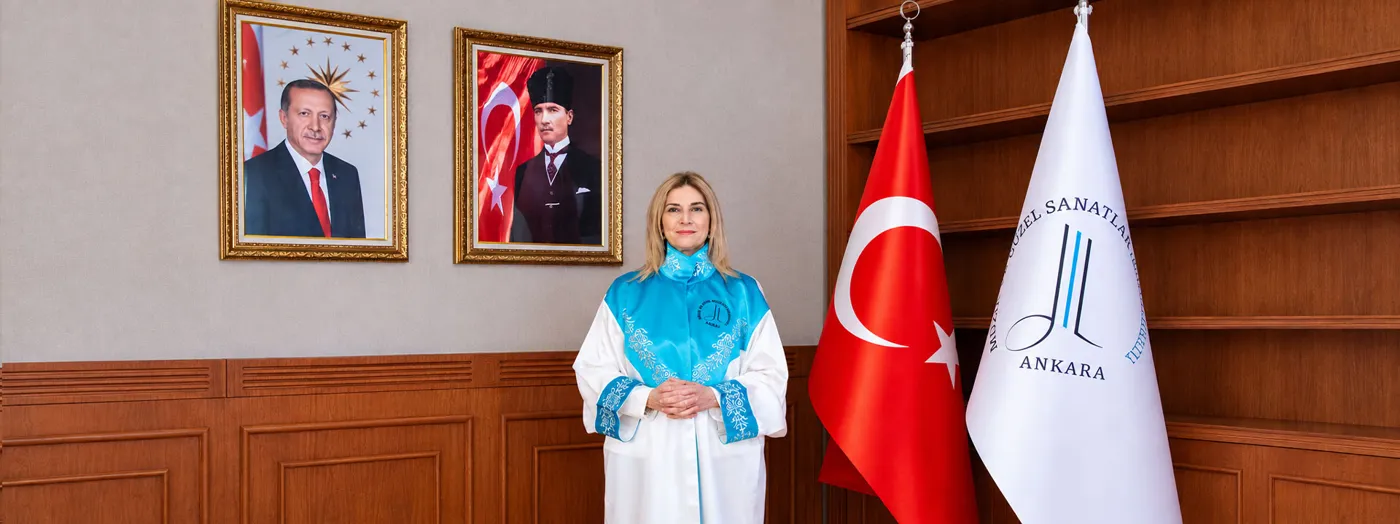

About Ankara University of Music and Fine Arts
A university devoted to music and fine arts
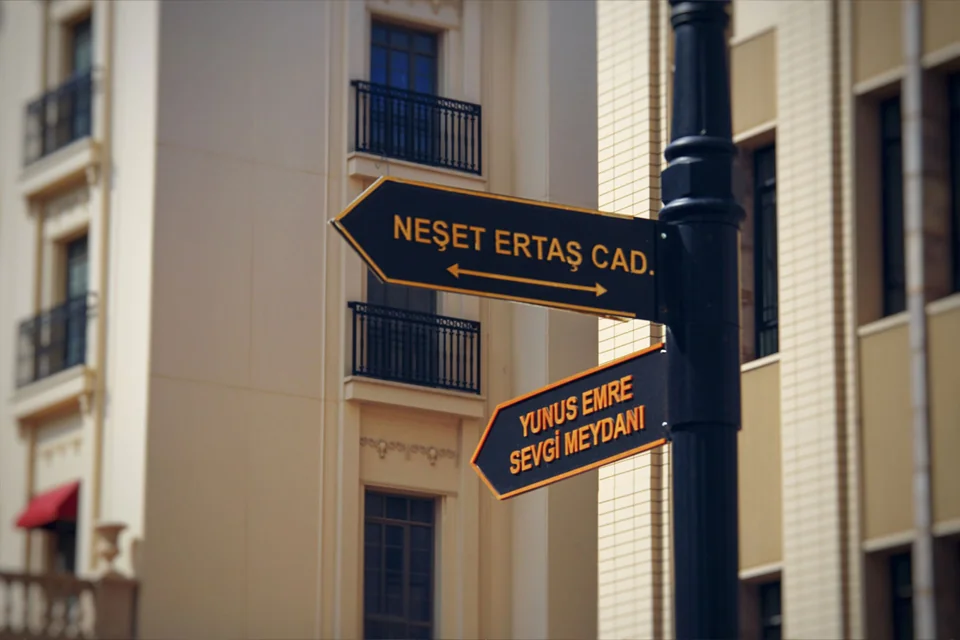
Ankara University of Music and Fine Arts is known in Turkish as Ankara Müzik ve Güzel Sanatlar Üniversitesi, abbreviated MGÜ. The university was established under Law 7033, published in the Official Gazette on 1 July 2017. Its campus is in the Oran area of Çankaya, Ankara, on Neşet Ertaş Street.
The institution's academic structure includes faculties of Music and Performing Arts, Music and Fine Arts Education, Music Sciences and Technologies, and Art and Design. An institute provides postgraduate education, and a vocational school adds another level of study. The official introduction lists specialist settings for music and media production, including sound recording, surround sound and film music studios. Other facilities include radio and television studios, an instrument-making workshop, a sound electronics laboratory, and a laboratory for software development and sound synthesis. This infrastructure reflects the relationship between artistic practice, teaching and technical work within the university.
Sources: About the university ↗
Library resources for artistic and academic work
The university library occupies a four-storey building beside the rectorate on campus. Its stated purpose is to support teaching and research and meet the information needs of students, academic staff and other employees. It also seeks to contribute to the development, use and exchange of knowledge at national and international levels.
Its collections include books, other forms of material and audiovisual resources. Electronic publications are accessible through the library website, and wireless internet is available in the building. Readers use an open-shelf arrangement, with materials placed by subject so that they can find relevant resources directly. The library uses the Library of Congress Classification System, while cataloguing follows the Resource Description and Access standard. An automated system supports book loans and returns and tracks overdue items. These arrangements combine access to physical collections with electronic resources and an organized approach to discovering and managing material.
Sources: University library ↗
Research, education and wider participation
MGÜ's institutional policies describe art-based research as an important part of its work. The university aims to encourage original production in music and art, support creative thinking and strengthen relationships between disciplines. It treats research and artistic creation as connected processes, linking the development of knowledge with cultural heritage and contemporary artistic understanding.
Its education policy emphasizes freedom of thought, responsive course planning and support for students' development. Cooperation with public bodies and industry is identified as a way to connect education with professional needs. The social contribution policy extends this outlook beyond enrolled students, describing an intention to help different parts of society encounter art, with particular attention to people with special needs. Internationalization is another stated priority, including mobility for students and staff and cooperation with overseas universities in research, culture and education. These policies express the direction of institutional work rather than guarantees of individual opportunities or outcomes.
International encounters through the arts
University students and academics took part in the Tomorrow's Art Ambassadors project organized by Yunus Emre Institute. Following a cooperation agreement between the two institutions, the project brought participants into contact with cultural and artistic environments in France, Bosnia and Herzegovina, and Azerbaijan. Students and academics from Mimar Sinan Fine Arts University also participated.
Visits in Paris included museums and art institutions, providing opportunities to observe work from different periods and disciplines. In Sarajevo, participants visited International University of Sarajevo and learned about its artistic and design education. Activities in Baku ran from 23 to 27 August 2026 and included contact with Azerbaijan National Conservatory and Azerbaijan State University of Culture and Arts. A musical event at Baku Yunus Emre Institute brought the visiting participants together with Azerbaijani artists. The university's report describes these encounters as opportunities to exchange experiences and learn within different artistic settings.
Shared repertoire and ensemble learning
The university and Yunus Emre Institute also cooperated on the Turkic World Music Academy. A report published on 29 June 2026 describes the completion of the two-week programme. Artists from Azerbaijan, Kazakhstan and Kyrgyzstan worked with university students in teaching sessions, workshops and shared repertoire activities focused on traditional music from the Turkic world.
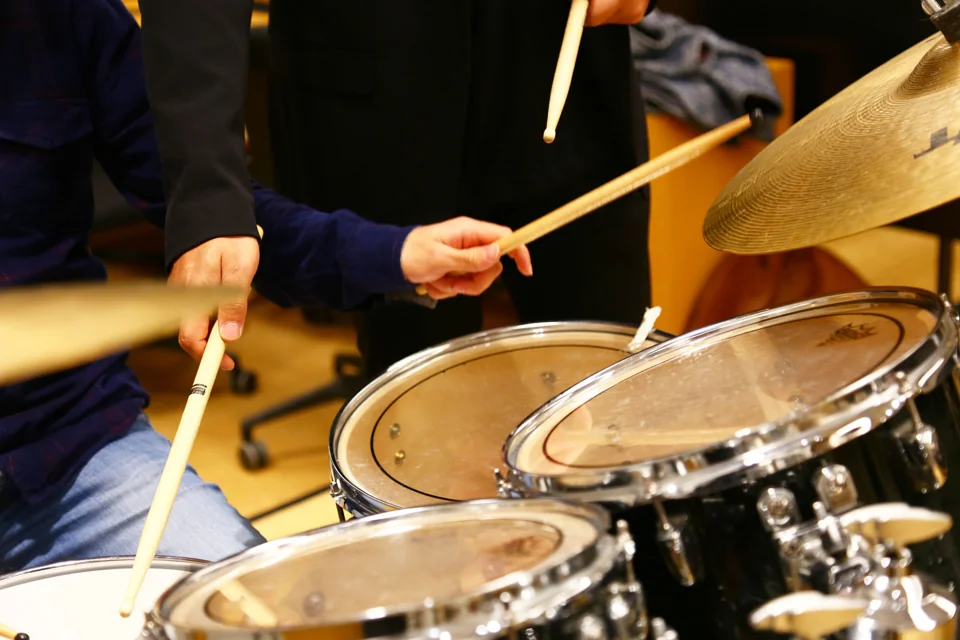
The closing programme included addresses about cultural heritage, musical relationships and continued cooperation among young artists. An academy orchestra comprising visiting artists and university students then performed under the direction of Yunus Emre, a member of the university's teaching staff. The event concluded with presentations to the instructors and artists who had contributed. This account provides a concrete example of teaching through collective musical work: participants shared their knowledge, developed repertoire together and brought the results to an audience through an ensemble performance at the close of the programme.
Sources: Turkic World Music Academy closing programme, June 2026 ↗
An academic year opened through performance
The opening ceremony for the 2026–2027 academic year took place on 8 October 2026 in Yunus Emre Sevgi Square. Students, academic and administrative staff, guests and public representatives attended. The programme combined speeches about education and culture with performances and an exhibition visit.
Following the opening addresses, pupils from Palet Turkish Music Primary School gave a musical presentation. The university's orchestra and choir then gave their first concert, bringing together academics and students. Gülçin Yahya Kaçar served as general artistic director, with Selçuk Öztürk conducting. The ensemble presented works in different musical modes and forms through varied arrangements and interpretations. After presentations and a group photograph, participants visited a Basic Design Exhibition prepared by students in the Visual Arts Education Department. The ceremony therefore brought music-making, visual art and the formal beginning of the academic year into a shared university event.