Visa
About Anhui Wenda University of Information Engineering
An information engineering institution near Hefei
Anhui Wenda University of Information Engineering is an undergraduate institution in Hefei, Anhui, China. Founded in 2001, it was upgraded to a full time undergraduate institution in 2011. Its Chinese name is Anhui Wenda Xinxi Gongcheng Xueyuan.
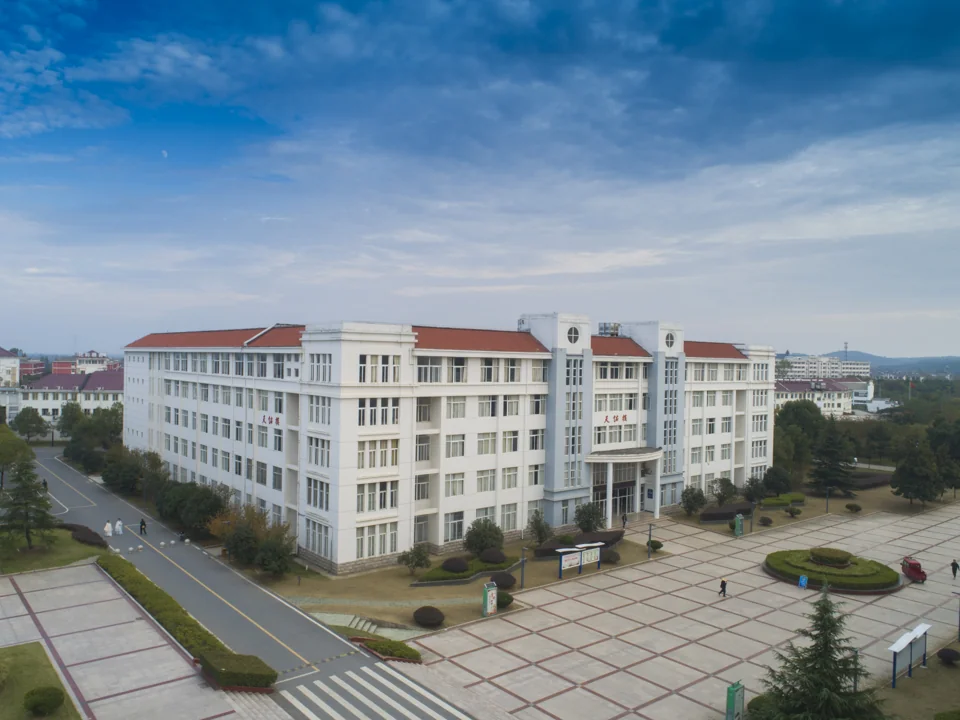
The campus stands near Zipeng Mountain and Yanwan Lake, with its address at 3 Forest Avenue in the Zipeng Mountain scenic area. Its June 2026 institutional profile describes an applied educational orientation, with information technology connecting engineering, management, economics, literature, art and education. Computing, electronic information, automation, mechanical subjects and design form prominent parts of this academic framework. The university places practical teaching and work with regional industry alongside disciplinary study, particularly in relation to Anhui and the wider Yangtze River Delta. Its subject range therefore extends beyond computing alone.
Sources: University institutional profile, June 2026 ↗
Computing and practical technology education
The School of Computer Engineering grew from the university's computer engineering department established in 2001. Its May 2026 profile lists computer science and technology, software engineering, Internet of Things engineering, network engineering, digital media technology, data science and big data technology, information security and virtual reality technology. It also describes a smaller programme in network and information security.
Practical learning is supported by an intelligent information training centre and laboratories for embedded systems, integrated software work, network cabling and digital media. The school has developed external practice education bases with technology companies, including iFlytek and Aotuo Siwei, and describes industrial colleges concerned with software and intelligent technologies. These arrangements support experiments, practical training and placements alongside classroom teaching. Its educational account emphasises learning outcomes and applied capability, connecting the design and use of digital systems with a wider framework of technical practice and collaboration.
Manufacturing and vehicle engineering
The School of Intelligent Manufacturing was formed in November 2021 by combining the former electromechanical engineering and automotive engineering schools. Its earlier electromechanical department dated from 2007, and undergraduate recruitment began in September 2011. The school profile lists subjects including mechanical design, manufacturing and automation, intelligent manufacturing engineering, new energy vehicle engineering, vehicle engineering, mechatronics, industrial design and civil engineering.
Its facilities include an integrated intelligent manufacturing training centre, a new energy vehicle engineering training centre, mechanical design and virtual manufacturing laboratories, and computer aided design, engineering and manufacturing facilities. Further spaces support mechanical innovation, engine assembly and disassembly, automotive electrical and electronic control systems, virtual vehicle simulation and innovative design. Industry specialists participate as part time teachers and placement mentors. The school's account presents enterprise participation in teaching and research as a way to connect practical undergraduate work with developments in engineering and manufacturing.
A newer focus on unmanned aviation
The School of Unmanned Aerial Vehicles was established in July 2024. Its official profile identifies Communication Engineering and Unmanned Aircraft Systems Engineering as its undergraduate subject areas. It records approval of the latter programme in April 2025 and announced its first undergraduate recruitment for September of that year.
The school describes an integrated unmanned aircraft laboratory and a flight training field, together with shared access to other university experimental platforms. A university drone technology company was established in January 2025 as another component of its industry and education work. The subject pairing links communications with aircraft systems, giving this newer school a defined technical focus within the institution's broader engineering provision. Its profile also identifies participation in subject competitions as part of its approach to practical learning.
Robotics across engineering disciplines
The School of Robotics was established in June 2026. Its profile describes a combination of mechanical, electrical, artificial intelligence and automatic control resources, with undergraduate programmes in Robotics Engineering, Intelligent Science and Technology, and Electrical Engineering and Intelligent Control. An industrial robotics microprogramme supplements this structure.
Teaching themes include mechanical structure design, robot motion control, machine vision, embedded development and intelligent algorithms. Laboratory provision covers industrial robotics, flexible intelligent manufacturing production lines, electrical intelligent control and humanoid embodied intelligent robots. Practical equipment is combined with virtual simulation platforms so that physical tasks and simulated work can support one another. The school also describes industry engineers and technical specialists serving as mentors alongside university teachers. Project and case teaching, enterprise training bases and robotics or manufacturing competitions form part of its educational approach. This school adds a distinct organisational focus for technologies that also intersect with the university's computing and manufacturing subjects.
The library and independent learning
The university library is located in the centre of the teaching area. Its October 2026 overview describes a main library, a branch library and specialist subject reading collections. It provides subject book stacks, reading and self study rooms, and electronic information resources to support the university's different programmes.
Its databases and digital services include academic literature, examination preparation, electronic books, audiovisual learning material and an artificial intelligence knowledge service platform. The library also organises instruction in literature retrieval, database use and the use of information resources within academic schools. These activities connect access to material with the skills needed to find and evaluate it. A campus reading programme is organised with student affairs, the youth league and the academic affairs office throughout the year. The library's stated service approach combines reading promotion with information literacy and support for research awareness, complementing the institution's laboratories and practical training spaces.
Sources: Library overview, updated October 2026 ↗