Visa
About Anhui Vocational College of Electronics & Information Technology
A technical college in Bengbu
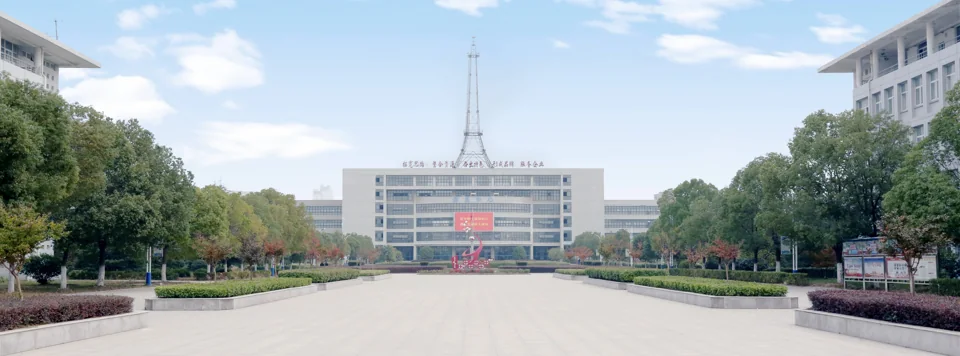
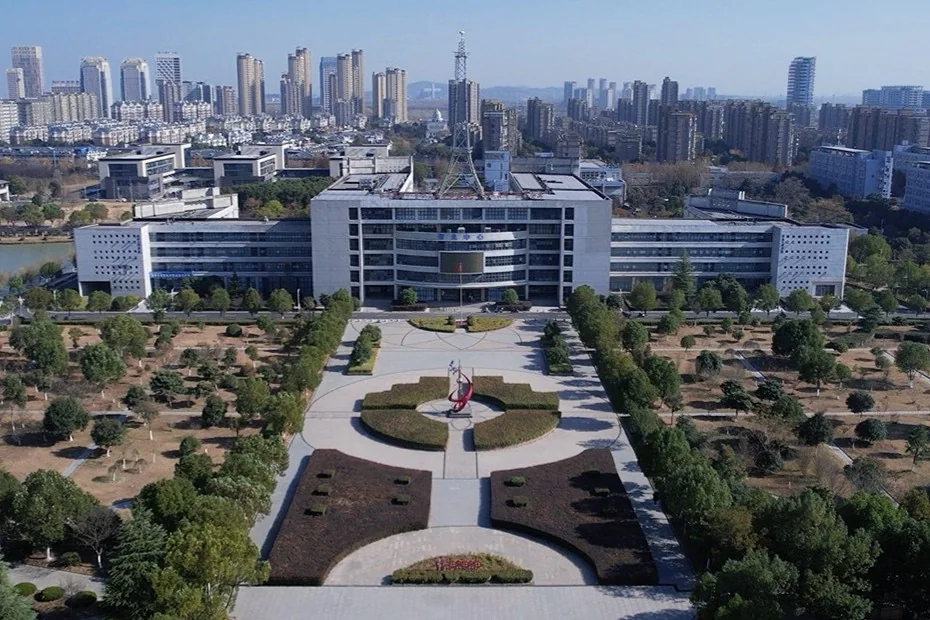
Anhui Vocational College of Electronics & Information Technology is a public higher vocational institution in Bengbu, Anhui Province. Its Chinese name is 安徽电子信息职业技术学院. Established in 2001, it brought together Anhui Electronics Industry School and Bengbu Industrial School. The college is administered by the provincial department responsible for industry and information technology. Its Bengbu address is 1000 Caoshan Road, within the university area near Longzi Lake, and its institutional overview also describes an education and industry integration base in Hefei. The college’s academic organization spans electronics, electromechanical engineering, information engineering, economic management, software engineering and Marxist studies. Applied technical education is supported by research centres concerned with electronic information applications, green energy, software and information technology, and electromechanical technology. The November 2025 overview describes a network of practical teaching facilities on campus and training bases outside it, alongside industry collaboration and modern apprenticeship arrangements.
Sources: College overview, November 2025 update ↗
Software and digital learning
The Software Engineering College brings together software technology and digital arts subject groups. Its published introduction lists software technology, computer network technology, big data technology and artificial intelligence applications alongside animation production, digital media, interior art design and virtual reality applications. It also describes software engineering provision through jointly delivered progression study. Practical facilities include a student maker centre, a big data and cloud computing training centre, an artificial intelligence training base and a network security training base. Digital arts practice and software application research have their own supporting facilities. The department’s work with companies includes collaboration with iFlytek, H3C and Huawei. Its account of teaching emphasizes practical ability and innovative thinking, while career planning and guidance activities form part of its student support. These resources connect computing disciplines with creative digital work and provide settings in which students can apply the technical subjects covered in their courses.
Company-based learning in artificial intelligence
A November 2026 report describes a study visit to Hefei by new students in the software technology programme’s iFlytek cooperation class. College teachers and enterprise mentors jointly led the group to the company’s Global 1024 technology exhibition. The cooperation class uses an arrangement described as a joint “1.5 plus 1.5” training model. The college and company develop training plans and course resources together, share responsibility for practical training, and evaluate educational quality collaboratively. At the exhibition, students explored intelligent speech, large language models, multimodal generation and intelligent devices. Demonstrations covered applications in education, industrial inspection, smart cities and vehicle interiors, among other sectors. Students asked engineers about software development skills, model development and the implementation of projects. A subsequent presentation discussed AI agents and changing occupational requirements. The visit connected their early classroom studies with examples of technologies being demonstrated by an industry partner.
Sources: Software technology class AI study visit, November 2026 ↗
Networks, practical assessment and competitions
The college’s November 2026 digital technology competition report documents the participation of a computer network technology student in the national finals of the fifteenth H3C Cup. The final took place at H3C’s Hangzhou headquarters on November 1. Assessment combined a written examination, practical work and a knowledge question-and-answer component. Together, those formats examined network theory and the ability to apply knowledge in engineering tasks. A teacher from the Software Engineering College coached the student, who received a first prize in the higher vocational network category. Beyond the competition result, the report explains how the department incorporates real enterprise project cases and industry certification standards into classroom teaching. It describes an educational sequence connecting courses, practical training and competitions. Further development of competition coaching teams and training facilities was identified as part of the department’s continuing work to connect technical learning with industry practice.
Sources: National digital technology competition report, November 2026 ↗
Staff preparation for campus emergencies
The college organized a specialist emergency response and first aid training session on October 30, 2026, in the Information Centre’s academic lecture hall. A physician from Bengbu’s emergency medical service delivered the training. The audience brought together counsellors, physical education teachers, medical staff, campus safety personnel and accommodation managers. The programme addressed incidents that could arise during campus life, including accidental injuries and sports injuries. Its format combined explanations, examples drawn from emergency work, demonstrations and supervised practice. Resuscitation and the use of automated external defibrillators were among the subjects covered, with staff invited to practise in a simulated setting. The college’s account framed the event as part of preparing staff who carry different responsibilities for student support and campus operations. It provides a concrete example of professional learning organized across departments, bringing an external specialist into the college to work with its staff.
Traditional sports and shared training
Traditional sports also feature in the college’s educational and extracurricular life. A November 2026 report describes teachers and students participating in Anhui’s youth health qigong open competition for higher education institutions. The event included both individual and team categories, with separate student and teacher groups. Its programme covered several established movement routines, including Baduanjin and Dawu. College participants entered group displays and individual events, giving students and teachers opportunities to compete within the same wider programme. The report connects that participation with regular provision through physical education classes, student societies, extracurricular group training and preparation for competitions. It describes teachers and students training together as one aspect of the institution’s sports culture. The activity therefore extended beyond a single competition, drawing on teaching and club structures through which students could encounter traditional physical practices and take part in organized sporting activity alongside their academic studies.
Sources: Traditional sports teaching and competition, November 2026 ↗