Visa
About Anhui Vocational College of Defense Technology
A public vocational college in Lu’an
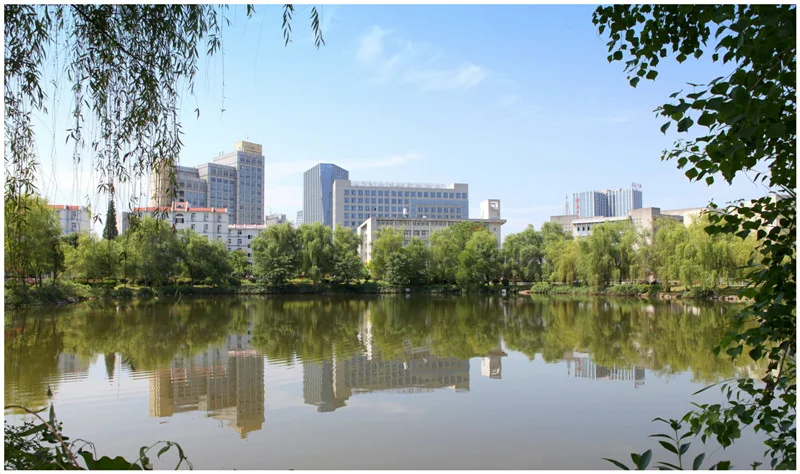
Anhui Vocational College of Defense Technology is a public higher vocational institution in Lu’an, Anhui Province, China. Its Chinese name is 安徽国防科技职业学院. Established in 1974 as Anhui Dajiang Machinery Industry School, it became Anhui National Defense Science and Technology Industry School in 1997 and an independent higher vocational college in 2003.
The college is sponsored by the provincial government. Its academic organisation combines mechanical, electrical, information and automotive technology with economic and trade management and urban construction. Its February 2026 introduction describes practical teaching and cooperation with employers as central features, alongside student clubs, arts activities and an annual athletics meeting.
Sources: College introduction, data to February 2026 ↗
Mechanical manufacturing and practical design
The mechanical manufacturing and automation programme organises learning around the capabilities required in industrial workplaces. Its March 2026 profile describes a curriculum developed through cooperation between the college and businesses. Foundation subjects include mechanical drawing and computer-aided design, engineering mechanics, electrical and electronic technology, materials processing, measurement, and hydraulic and pneumatic transmission.
Professional study extends to manufacturing technology, computer-aided design and manufacturing software, numerical-control machining, equipment maintenance and electrical control. Additional subjects include intelligent manufacturing, innovative design and three-dimensional printing, production-site management and product quality inspection. Practical components include metalworking, measuring and drawing mechanical parts, computer drawing exercises, course design and comprehensive projects. The teaching approach combines explanation with practical activity and uses both classroom and online learning. Full-time and part-time instructors participate in teaching, while extracurricular activities provide another setting for students to develop their professional interests. The programme also includes general education in mathematics, English, physical education, mental health and labour education.
Sources: Mechanical manufacturing and automation, March 2026 ↗
Mechatronics and industrial systems
Mechatronics technology began at the college in 2005. Its March 2026 introduction describes the integration of mechanical engineering, electrical and electronic technology, microelectronics, sensors, interfaces and signal conversion. Teaching concerns industrial equipment such as automated production lines, industrial robots, numerical-control machine tools and lifts.
Core courses include motors and electrical control, programmable controllers, equipment assembly and maintenance, numerical-control system diagnostics, industrial robot applications and integrated mechatronics applications. Practical learning examines how components operate together in larger systems, with assembly, commissioning and maintenance forming part of the educational content. Cooperation with enterprises including Gotion, Anhui Wanli Tire and DunAn Zhongyuan supports curriculum development. The programme describes shared foundation courses, separate specialist cores and optional extensions. Related programmes share teaching staff and practical facilities where their technical foundations overlap. The teaching team brings together college instructors and enterprise specialists, connecting the study of industrial systems with examples drawn from production and equipment operation.
Sources: Mechatronics technology, March 2026 ↗
Software study through projects
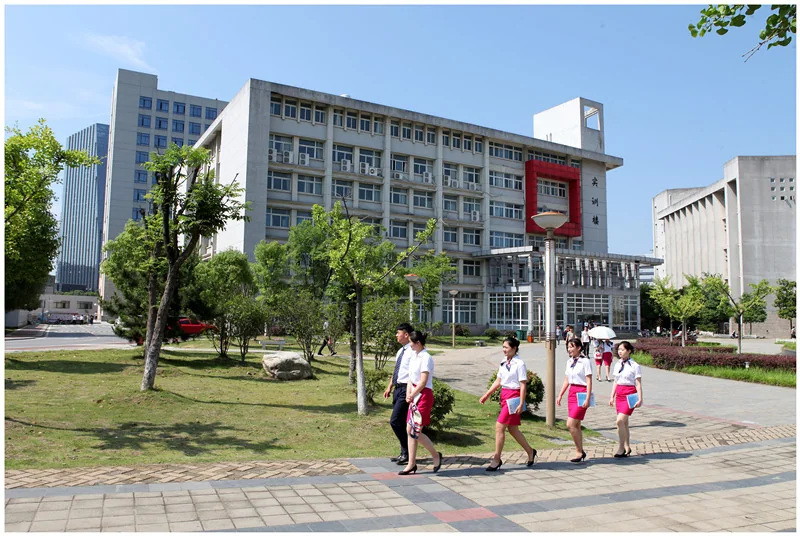
The information technology school’s software technology programme focuses on software development, testing, deployment and maintenance. Its March 2026 account identifies Java and Python among the languages used in development, with web applications, mobile applications and industrial software among the kinds of products considered.
The programme distinguishes work on requirements and functional design from coding, testing and ongoing technical support. Testing education includes the preparation of test environments and cases, checking software functions and performance, documenting results and working with developers to resolve defects. Deployment and maintenance study concerns configuring application environments, releasing versions and monitoring systems. The college describes cooperation with iFlytek in programme development and the establishment of enterprise-linked research and practical teaching spaces. Project work runs through the educational model, with engineers visiting the college, teachers from the college and industry participating in instruction, and students undertaking placements. The programme’s account also identifies external practical bases involving ZTE and Chinasoft International.
Sources: Software technology, March 2026 ↗
Commerce and digital business
Electronic commerce has been taught at the college since 2003. Its March 2026 programme introduction connects business knowledge with the operation of digital retail and services. Areas of study include retail management, supply chains, marketing, customer service, business data analysis and the legal framework for electronic commerce.
The programme’s educational objectives include gathering and interpreting operational data, managing users and online communities, presenting products, planning marketing activity and developing visual communication for online sales. It also addresses online and offline retail connections, intelligent customer service and the planning of internet products. These topics place technical tools alongside the commercial processes in which they are used. Practical teaching resources and a dedicated electronic commerce teaching team support the programme. The school describes a range of related professional activities, from website content and customer relationship management to campaign planning and digital product development, giving the course a scope that extends beyond operating an individual online shop.
Sources: Electronic commerce, March 2026 ↗
Construction measurement and cost
The engineering cost programme began admitting students in September 2007. Its March 2026 profile describes cooperation with construction, design and engineering consultation businesses. Teaching covers costs associated with building, installation and decoration projects, linking the reading of drawings with quantities, pricing and project documentation.
Core subjects include building construction, computer-aided drawing, construction cost control, measurement and valuation, reinforcement quantities, building information modelling software, tendering and contracts, and construction project management. Practical resources include a BIM and big data centre, a cost studio with specialist software, materials and equipment displays, construction simulation facilities and surveying spaces. These resources support exercises in interpreting project information and preparing cost-related work. External practice agreements connect the programme with construction and consulting organisations. The school also describes professional associations, extracurricular activities and skills competitions as parts of its approach to learning. Its curriculum account includes intelligent construction, urban renewal and prefabricated building methods alongside established measurement and cost subjects.
Sources: Engineering cost, March 2026 ↗