Visa
About Anhui Vocational College of City Management
Vocational education for urban services
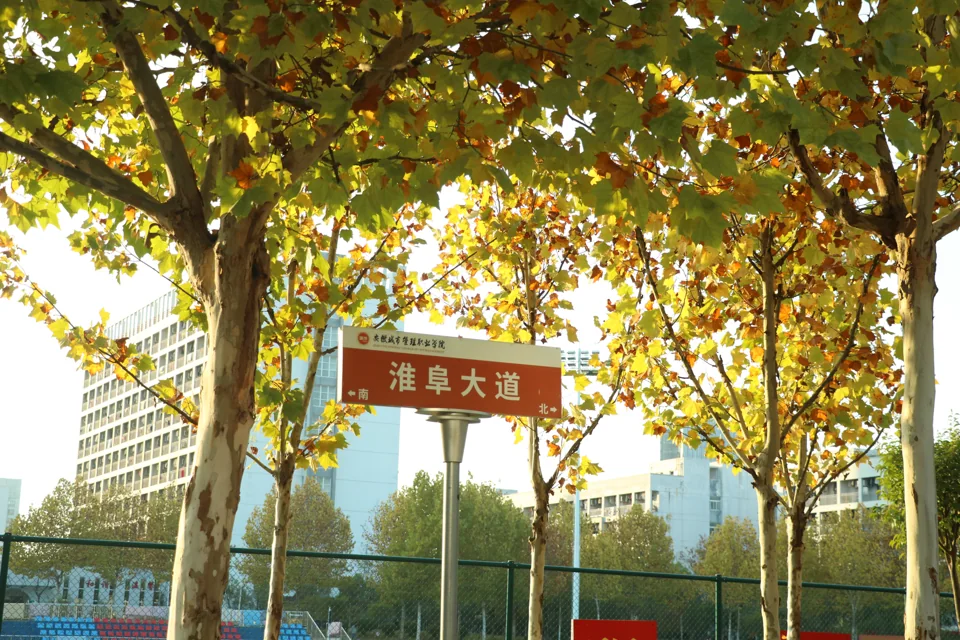
Anhui Vocational College of City Management is a public vocational higher education institution in Hefei, Anhui Province. Its Chinese name is 安徽城市管理职业学院. The institution traces its origins to an adult university established for provincial government organs in 1981, renamed Anhui Provincial Staff University in 1988. It became a full-time vocational college in 2003. Its campus network now includes Xinzhan, Jingkai and Xinqiao. The college’s educational focus connects urban construction with civil affairs and services for residents. Its academic organization includes areas such as intelligent manufacturing and transport, artificial intelligence, urban renewal, business and tourism, finance, early childhood and special education, health and eldercare, digital creativity and civil affairs management. The March 2026 institutional overview describes teaching that combines classroom study, practical instruction and skills training. Programmes include smart city management technology, new energy vehicle technology, artificial intelligence applications and services for older people.
Sources: College overview, data dated March 2026 ↗
Developing digital commerce teaching
An exchange visit on October 30, 2026, illustrates how the college’s business and tourism faculty develops its teaching. Its dean, the head of its electronic commerce teaching group and other teachers visited the digital commerce faculty at Anhui Institute of International Business. Discussions covered the host faculty’s programme structure, educational characteristics and platforms connecting education with industry. The visiting team explored how vocational skills competitions could be linked with teaching, including the development of successive groups of competitors. Another topic was project-based operation of platforms such as the Anhui electronic commerce livestreaming innovation centre. Participants considered how resources from industry could become resources for teaching. The visit also included a tour of the host institution’s livestreaming building, where the group examined scenario-based studios, training arrangements and cooperation with companies. The college reported that the visit would inform further development of its electronic commerce provision.
Sources: Digital commerce teaching exchange, November 2026 ↗
Connecting civil affairs education with communities
The Civil Affairs Management faculty met representatives of Qilitang community on October 28, 2026, to discuss cooperation in local services and education. Participants explored volunteering, social practice, placements, community governance and skills training. Community representatives also visited the faculty’s practical training rooms and its entrepreneurship base connecting education with industry. The faculty described work in social work, community management and services, and modern household services. Qilitang representatives outlined local approaches to governance and provision for older people and children. Earlier student volunteering had included public-interest market activities and fraud-prevention publicity in the community. The meeting sought to develop those separate activities into a more structured relationship. Proposed next steps included linking community settings with college training resources, developing specific service projects, and exploring training for community workers. The discussion connected the faculty’s subject areas with practical questions arising in neighbourhood administration and everyday public services.
Sources: Community cooperation discussion, October 2026 ↗
Learning in cultural settings
On October 30, 2026, the college’s ideological and political teaching department organized a study visit to Tongcheng. Teachers and students visited Liuchixiang, the historic Six-Foot Alley, and an exhibition explaining a community mediation approach associated with the site. Teaching at the location considered the alley’s cultural account of courtesy and compromise, connecting that account with discussion of contemporary local governance. The group then visited an exhibition devoted to integrity culture. Guided activities included analysis of Chinese characters, discussion of historical figures and examples related to conduct on campus. The college presented the visit as an extension of classroom instruction into cultural and exhibition settings. Teachers used the surroundings and displays to introduce topics that students had encountered through theoretical study. The department’s report also described plans to continue developing field-based learning around Anhui’s cultural resources, bringing traditional culture and discussions of ethical conduct into its teaching.
Practical competition at Xinqiao campus
The Xinqiao campus hosted the artificial intelligence trainer event of Anhui’s industrial and information technology vocational skills competition from October 31 to November 1, 2026. The college jointly organized the event with the provincial economic development promotion centre, under a competition sponsored by six provincial departments and organizations. Competitors included both employees from industry and students from educational institutions. Assessment combined a theory examination with practical tasks related to workplace requirements. The college’s account describes preparations covering competition spaces, equipment testing, technical support, volunteers and safety arrangements. This was the first major provincial vocational skills event hosted at Xinqiao. The report places the competition within the college’s effort to connect teaching, practical skills and industrial needs. It also documents the campus being used for an event that brought people from companies and colleges together around artificial intelligence training and assessment.
Sources: Artificial intelligence skills competition, November 2026 ↗
Student theatre and historical learning
The college’s Chenguang Drama Society provides a setting for students to participate in performance and production. A November 2026 report describes a staging of Rehe Xue in the lecture hall of the west auxiliary building. Students directed and performed the adaptation themselves, following earlier productions of the same work. The play was written by Hu Di, an author and revolutionary figure from Anhui. Its performance formed part of a training programme for students seeking Communist Party membership and was linked by the college to the ninetieth anniversary of the Long March. The report explains the production as an educational use of theatre, connecting a historical text with student interpretation on stage. It also describes the society’s repeated work adapting and rehearsing the play. Through that process, the activity brought together student organization, dramatic performance and the college’s programme of historical and political education outside conventional classroom lessons.
Sources: Chenguang Drama Society performance, November 2026 ↗