Visa
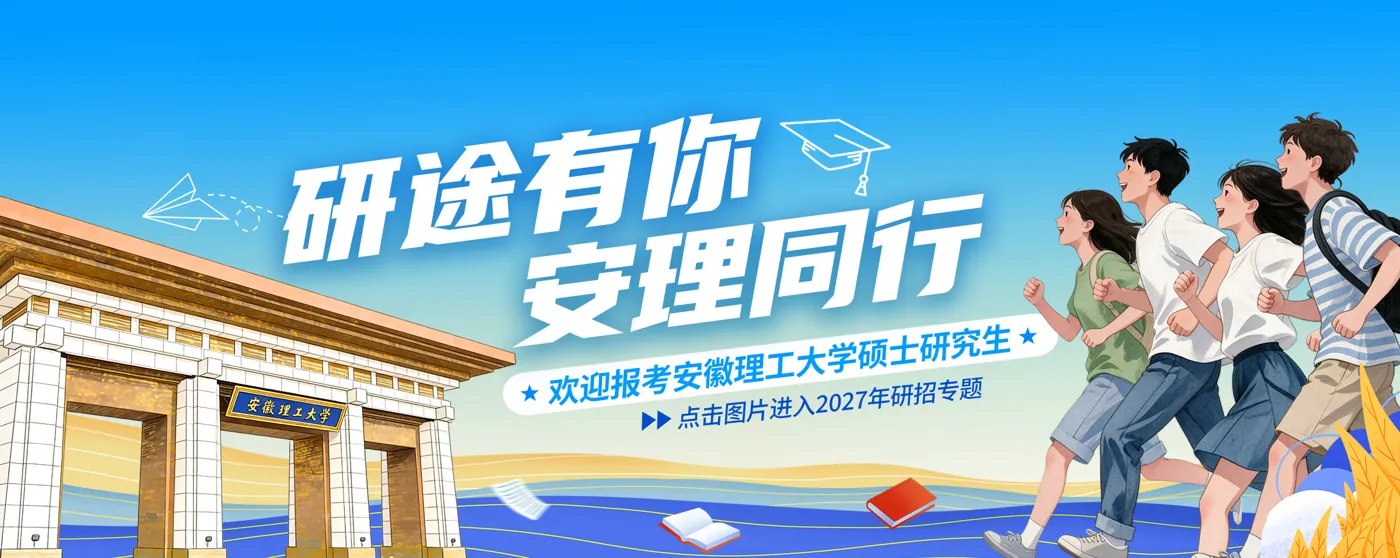

About Anhui University of Science and Technology
History, location and academic character
Anhui University of Science and Technology is a university in Anhui Province, China, with campuses in Huainan and Hefei. Its Chinese name is 安徽理工大学. The institution traces its origins to a provincial industrial vocational school established in Bengbu in 1945. Its history shares an earlier institutional lineage with Hefei University of Technology. A major change came in 1971, when mining and coalfield geology teaching moved to Huainan to form Huainan Coal Institute. Subsequent names included Huainan Mining Institute and Huainan Institute of Technology, before the current name was adopted in 2002.
Engineering is central to the university's academic character, alongside science, medicine, management, humanities, economics, law and arts. Its stated specialisms include safety, advanced manufacturing, geology and mining. It provides undergraduate and postgraduate education and describes international university and research partnerships. Hefei campus was established in 2024, extending the university's educational setting beyond Huainan.
Sources: University introduction, June 2026 ↗
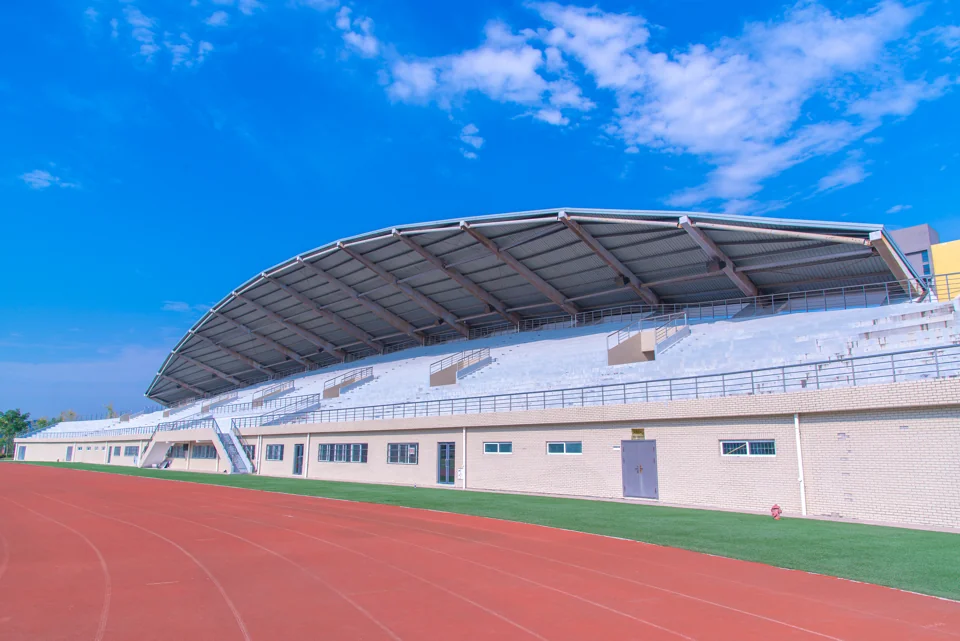
A library supporting independent study
The university library dates from 1945. Its development included the incorporation of the libraries of the former East China Coal Medical College and Huainan Chemical Engineering School in 1993 and 2000 respectively. In 2017 it moved with the university to the Shannan campus, where the new library, also called Zhishan Academy, opened fully to readers on 28 March.
The library combines book storage, borrowing and reading in an open service arrangement. Its collection development follows the needs of teaching and research while maintaining continuity in important and distinctive subject collections. Computerized systems support acquisition, cataloguing, circulation and searching, and RFID equipment enables self-service borrowing. Study rooms, reading areas, information displays and touch-screen enquiry facilities provide different ways to use the building. Alongside its physical collections and study spaces, the library makes digital resources available for learning and research.
Sources: Library introduction ↗
Continuing education and workplace learning
Adult higher education at the university began in 1983, when its predecessor, Huainan Mining Institute, established a correspondence department. An adult education department followed in 1993 and an adult education college in 1994. The present Continuing Education College name dates from 2007.
Its January 2026 introduction describes a combination of academic continuing education, routes for working learners to pursue master's-level study, professional development training and technical skills assessment. The college draws on the wider university's educational resources and has moved toward a stronger emphasis on meeting social and workplace needs. Its provision includes programmes beginning after secondary education and programmes for learners with prior higher education. An online training platform supports professional development activities. The college also describes vocational skills assessment as part of its work with graduates, bringing academic learning and occupational capabilities into a wider continuing-education framework.
Sources: Continuing Education College introduction, January 2026 ↗
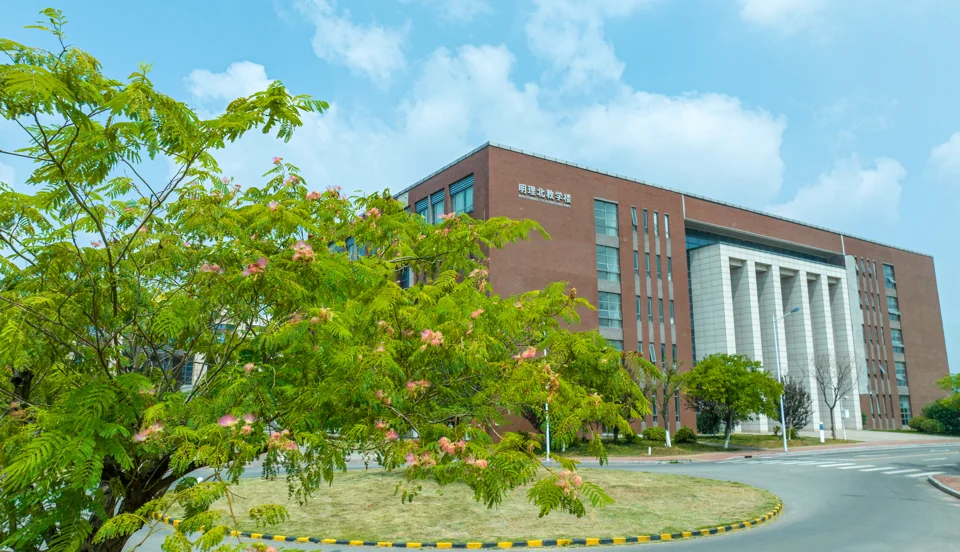
Helping researchers use academic information
On 15 October 2026, the library held a workshop on using Web of Science across the research process. A trainer from Clarivate delivered the session in the library's third-floor lecture hall, attended by university teachers and students. The event introduced the coverage and resources of the Science Citation Index Expanded collection.
Practical demonstrations showed different ways to search for material relevant to a research topic. The session also considered how citation links can help researchers understand the development of a subject, rather than treating individual articles as isolated results. Another component introduced EndNote Online for organizing references and supporting academic writing. Participants discussed the material with the trainer during the workshop. The library described the event as part of continuing work to introduce electronic resources and support teaching, research and scholarly innovation through better use of academic databases.
Student participation in the local community
Student life includes volunteering beyond the university's teaching buildings. A November 2026 report describes university volunteers supporting the Huainan marathon on 1 November. Volunteers assembled early in the morning despite cold weather and showers, then worked at service points along the course.
Their responsibilities included participant check-in, supplies, directions, maintaining orderly movement and other event support. Students worked together, guided runners and filled gaps in service as the race progressed. The university's volunteer service centre participated in the activity, connecting student organization with a large public event in the city. The report presents the experience as an example of local engagement and practical service, with students contributing time and coordination outside their academic courses. The university youth organization also described an intention to continue developing volunteer activities through cooperation with the local community.
Sources: Student volunteering at the Huainan marathon, November 2026 ↗
Connecting graduates and employers
On 2 November 2026, the university hosted an employer event linked to Hefei's autumn talent recruitment programme. A city presentation and an on-site recruitment fair took place together. The university's report describes the event as a setting for cooperation between the university, employers and local authorities around graduate development.
Following the presentation, participating Hefei enterprises met graduates in the hall of Houde building. Students and company representatives discussed job requirements, pay and benefits, and opportunities for career progression. University offices responsible for students, postgraduate education, human resources and careers participated in the arrangements. The event gave graduates an opportunity to speak directly with employers and learn about the roles being offered. As a dated example of careers activity, it shows how the university brings external organizations onto campus and creates space for conversations about the transition from study to employment.
Sources: Employer event and city presentation, November 2026 ↗