Visa
About Anhui Normal University
A university rooted in Anhui’s educational history
Anhui Normal University, known in Chinese as 安徽师范大学, is based in Wuhu, Anhui Province. Its history begins with the provincial Anhui University established in Anqing in 1928. That institution became National Anhui University in 1946 and moved to Wuhu in December 1949. Subsequent organisational stages included Anhui Normal College, Hefei Normal College, Wannan University and Anhui Workers and Peasants University. The present name, Anhui Normal University, was adopted in 1972. Wuhu Teachers College joined the university in 2005.
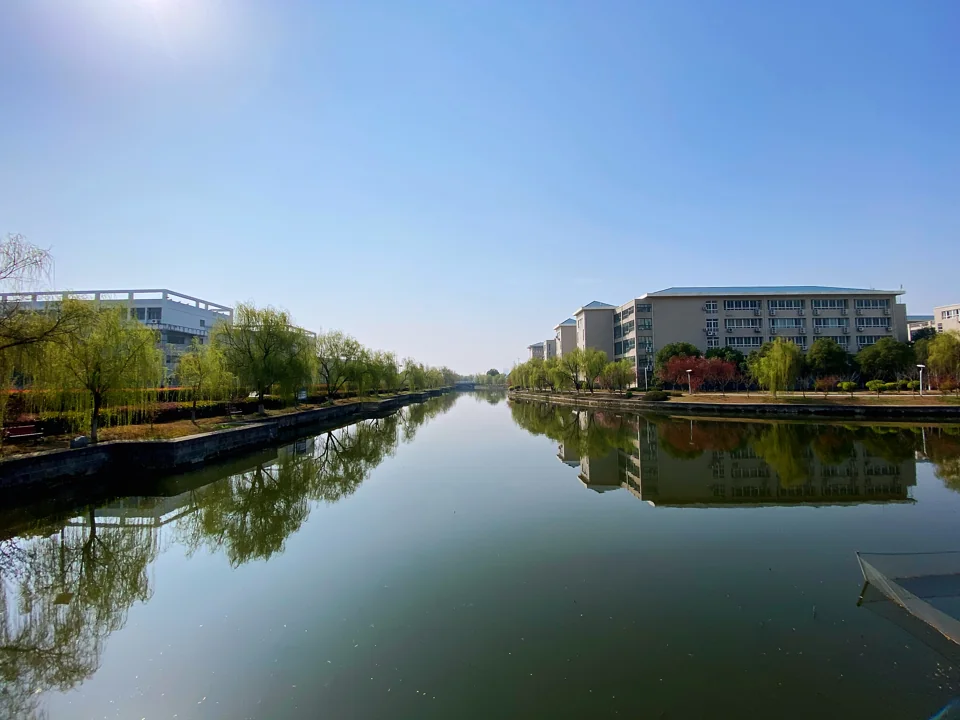
The university now combines its teacher-education tradition with a broad academic structure spanning the humanities, social sciences, natural sciences, engineering and other fields. It offers bachelor’s, master’s and doctoral education, alongside continuing and international education. Its Wuhu campuses are Zheshan at 2 Beijing Middle Road, Huajin at 189 Jiuhua South Road, and Tianmenshan at 171 Jiuhua North Road. This setting brings the university’s historical identity together with a contemporary multidisciplinary institution.
Sources: University profile ↗
Education science and the study of learning
The Education Science College was formed in March 2000 by combining the former education department, educational-technology department and higher-education research office. The education department itself reaches back to the university’s beginnings in 1928. In 2002, the college also took the Tian Jiabing name in recognition of a donation supporting its development.
Its February 2026 profile identifies undergraduate fields in education, preschool education, educational technology, psychology and primary education. Postgraduate work includes education, psychology and professional education specialisms, with doctoral study also forming part of its academic structure. Research platforms described by the college address educational reform and development, teacher education, intelligent learning technologies and systems, preschool teaching materials and educational development. The college also houses an institute concerned with educational integration in the Yangtze River Delta. These activities connect the study of learning and teaching with research on educational institutions, technologies and regional policy.
Teacher preparation and professional practice
The Teacher Education College provides another organisational focus for the university’s work with schools and teachers. Preparations for the college began in June 2004, and an institutional development plan followed in 2018. Its October 2026 profile states that it began operating as a substantive teaching unit in October 2025, sharing an organisational arrangement with the Anhui Provincial Higher-Education Teacher Training Centre.
The college brings together resources for curriculum-and-teaching research, academic master’s study and professional subject-teaching master’s programmes. Its humanities-and-arts education department covers subject teaching in Chinese, English, political education, history, music and art, together with educational technology. Its mathematics-and-science education department covers mathematics, physics, chemistry, biology and geography. The profile also describes practice mentors drawn from experienced school teachers, alongside university staff. Research centres address science education, cognitive science and basic-education quality monitoring, connecting teacher preparation with investigation and school-based professional experience.
Libraries and documentary heritage
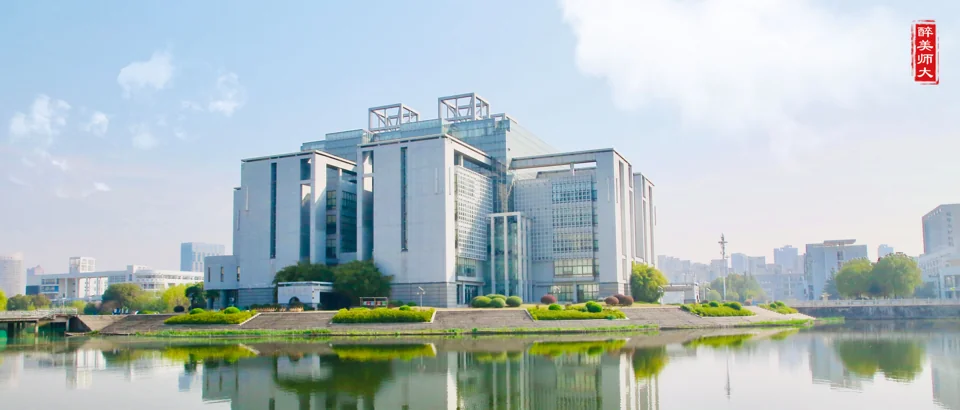
The university library traces its foundation to 1928 and has developed alongside the institution’s successive organisational changes. Its June 2025 introduction identifies Jingwen Library on the Huajin campus, the Zheshan campus library and the Tianmenshan Academy library as its principal locations. Collections support the university’s teaching and research across its academic fields.
Distinctive holdings include ancient Chinese books, Huizhou documents and publications from the Republican period. Local gazetteers and other regional materials contribute to the library’s documentary character. The introduction identifies works such as Hongwu Zhengyun, Tongzhi and historical editions of the collected writings of Li Bai and Du Fu. Alongside its collections, the library offers borrowing, reference enquiries, literature searches, document delivery and digital-resource services. It provides self-service borrowing and reservations for seats and learning spaces. Cultural programmes such as Jingwen lectures and reading activities, together with a readers’ association, extend its role within university life.
Sources: Library introduction, June 2025 ↗
International education and Chinese-language exchange
The International Education College’s institutional account records the university’s reception of self-funded international students from 1986 and Chinese-government-funded international students from 1988. An international-student department was established in September 1989. It became an international education and exchange department in 2000, before adopting the International Education College name in July 2004.
The college describes Chinese-language teaching and cultural-exchange work alongside the university’s international student education. Its recorded activities include language preparation for international students at the University of Science and Technology of China, training for overseas Chinese-language teachers and primary-school principals, and programmes for young people of Chinese heritage. Other examples include an in-country programme associated with Charles Darwin University and Huizhou-culture summer and winter activities linked with Minin University in Russia. The account also records the establishment of an internet-based HSK Chinese-language test site in 2011.
A current example of life-science research
Research extends beyond the university’s educational specialisms. A Life Sciences College report published on 30 October 2026 described work by a team at its canopy biodiversity research centre on the origin and diversification of spider-silk proteins. The report linked the study to a paper in Current Biology and explained how evolutionary analysis was used to investigate the development of different silk proteins.
The team identified previously unreported protein groups and used tissue-specific transcriptome information to investigate where they were expressed in silk glands. The work also compared protein characteristics with the mechanical properties of dragline silk and mapped changes in silk-protein genes onto the evolutionary relationships of spiders. As described in the university report, this is fundamental research connecting biodiversity, molecular evolution and the properties of biological materials. It illustrates the natural-science activity that accompanies Anhui Normal University’s longstanding work in teacher education, the humanities and social studies.
Sources: Life-science research report, 30 October 2026 ↗