Visa

About Anhui Electrical Engineering Professional Technique College
A vocational college focused on electrical technology
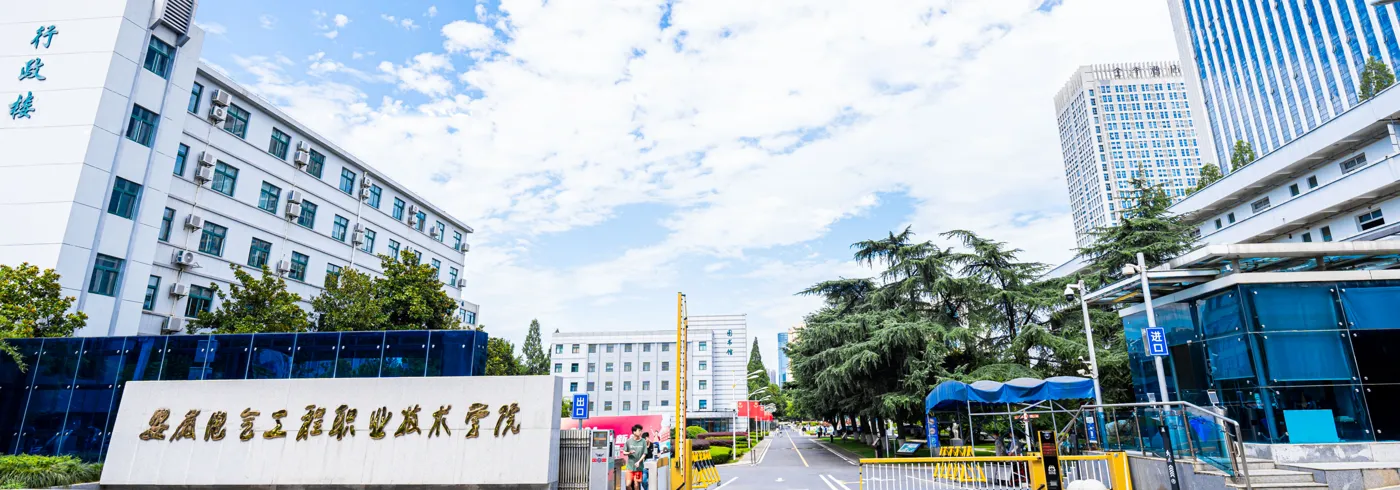
Anhui Electrical Engineering Professional Technique College is a public higher vocational institution in Hefei, Anhui Province, China. Its Chinese name is 安徽电气工程职业技术学院. The college was formed in 2003 through the merger of Anhui Electric Power Staff University and Hefei Electric Power School, bringing together two established strands of electrical-industry education.
Its institutional introduction emphasises applied technical education and close connections with industry. The main areas of professional development concern power-grid technology, power-generation technology and automation. Its educational approach combines specialist knowledge, practical skills and the use of both college and external training settings. The college describes cooperation with enterprises as a means of connecting teaching with developments in the electrical sector. Its main address is on Baohe Avenue in Hefei. Teaching, professional training and applied research all appear within its account of institutional activity.
Sources: College introduction ↗
Electrical engineering and practical learning
The Electrical Engineering Department traces its history to 1964. Its introduction, updated in August 2026, describes education connected with the electrical industry in Anhui and with the needs of the surrounding economy. Its fields include power plants and power systems, electricity supply and use, transmission-line construction and operation, and power-system protection and automation.
The department combines theoretical teaching with practical training and identifies laboratories and training rooms supporting this work. These include substation simulation, relay protection, metering, intelligent distribution networks and drone-related facilities. An electrical-safety training centre also forms part of its provision. External placements are associated with power-generation, electricity-supply, construction and maintenance enterprises. The account places these settings within the development of students' professional capabilities and the department's wider relationship with industry.
Sources: Electrical Engineering Department ↗
Power generation and the energy transition
The Power Engineering Department also dates its origins to 1964. Its current description presents two principal fields: thermal-power engineering technology and power-generation operation technology. Both are connected with changes in energy production and the transition towards lower-carbon systems.
The thermal-power field covers subjects relating to generating equipment, maintenance, installation and energy efficiency, alongside biomass and waste-to-energy applications. The generation-operation field extends to conventional power production, wind energy, energy storage and integrated energy services. These are described as areas of educational preparation, supported by teaching staff and links with industry. The department's account also identifies simulation training and professional development as parts of its work. This combination gives the department a focus on both established generating technologies and the changing technical demands of the energy sector.
Sources: Power Engineering Department ↗
Automation, information and control systems
The Automation and Information Engineering Department concentrates on electrical automation, power-system automation and distributed generation with intelligent microgrids. Its teaching approach links theoretical study with practical learning, while also recognising students' individual development and participation in college life.
Its specialist facilities include laboratories and training rooms for distributed generation, intelligent power networks, power electronics, electrical drives, programmable controllers, field-control systems, instrumentation and system simulation. The department describes these as resources for student teaching and for training employees from electrical enterprises. Courses identified in its introduction include microcontroller applications, process instrumentation and computer applications. It also reports student participation in technical, innovation and entrepreneurship competitions at provincial and national levels. Together, these activities connect the study of control and information technologies with practical projects and the development of technical skills.
Sources: Automation and Information Engineering Department ↗
Library development and information services
The college library was established in June 2003 from the libraries of its two predecessor institutions. Initially, it operated at both the Baohe Avenue and Huangshan Road campuses. The collections were brought together at Baohe Avenue in 2007, when an expanded library building also came into use.
The library supports teaching, professional training and research. Its services cover acquisitions and cataloguing, lending, periodical reading, digital resources, reference enquiries and reading promotion. An integrated library-management system supports its operations, while a networked public catalogue helps users locate material. Digital development includes remote access, mobile reading, recommendations for purchasing books and other research-support services. The library also participates in wider resource-sharing networks. Alongside its information services, it works with college departments and the student reading association to organise book exhibitions, resource-use talks and reading activities.
Sources: Library introduction, April 2025 ↗
Student reading and discussion
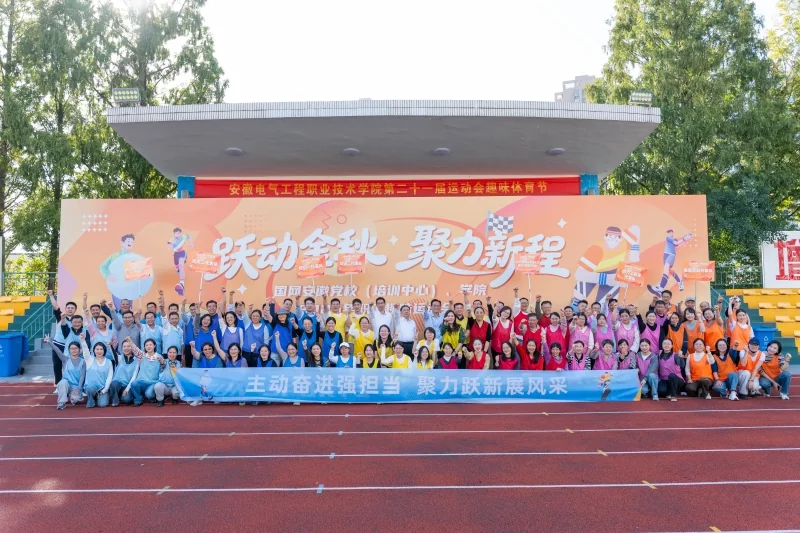
Reading promotion provides one example of extracurricular academic life. On 16 October 2026, the college's reading association held a book-recommendation activity in a lecture classroom. Its report describes an opening game in which participants identified works of literature from written clues, followed by opportunities to recommend and discuss books.
The activity drew on Chinese and international writing, encouraging students to explain why a work interested them and to exchange different interpretations. The sharing session did not use competitive rankings; it emphasised expression and discussion. Participants could add observations and ask questions after a recommendation. The event was intended to make reading part of ordinary student life and to create a more approachable connection between familiar games, conversation and sustained engagement with literature.
Sources: Student reading activity, October 2026 ↗
Staff recreation and campus community
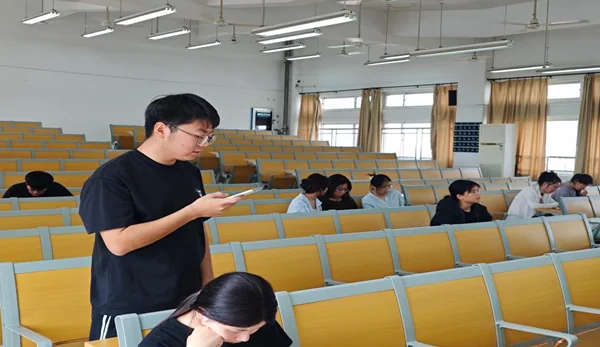
The college trade union organised an outdoor recreational sports meeting on 30 October 2026. Teams drawn from its administrative, teaching and training groups took part in activities designed around cooperation and shared participation. The institutional report describes a lively event involving staff from across the college.
The programme included group games, coordinated team challenges and an obstacle event. It brought employees together outside their usual departments and teaching responsibilities, with awards presented to participating teams. The report connects the occasion with strengthening relationships between staff at different campuses and creating opportunities for relaxation. Such events form part of the college's community life alongside its technical teaching, professional training, library services and student activities.
Sources: Staff sports event, October 2026 ↗