Visa
About Andres Soriano Colleges of Bislig
An educational institution in Bislig
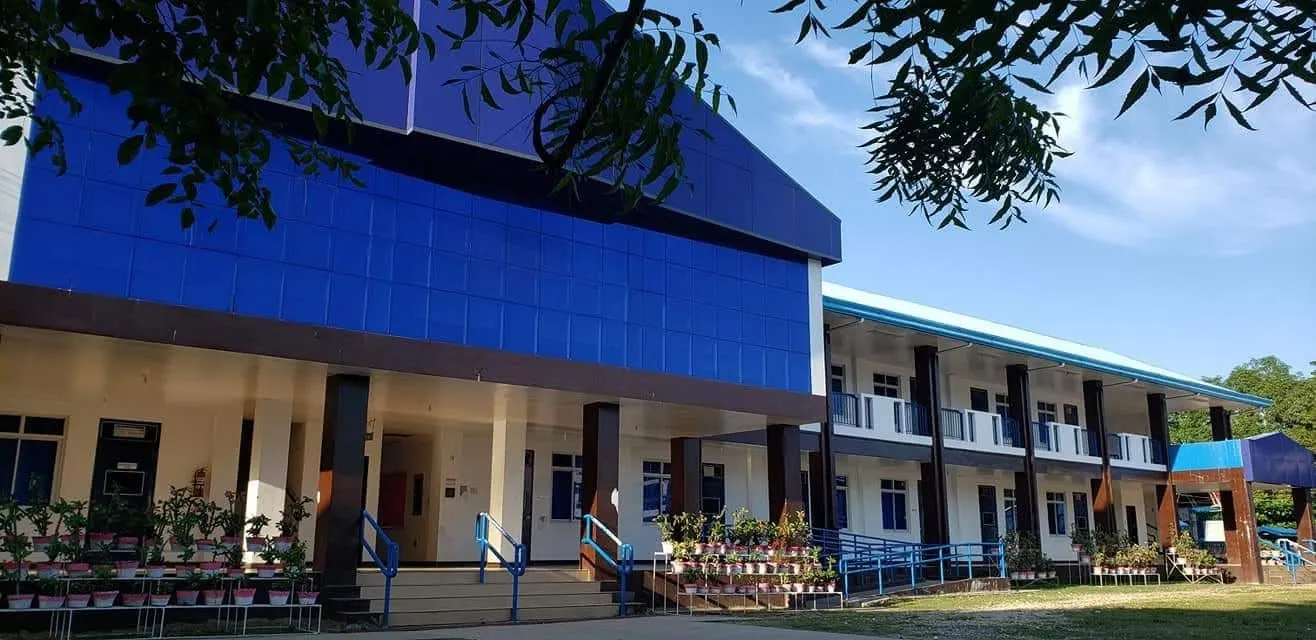
Andres Soriano Colleges of Bislig, commonly identified as ASCB, is a private educational institution in Mangagoy, Bislig City, in the Philippine province of Surigao del Sur. Its educational work spans basic education, technical and vocational provision, and higher education. The college traces its origins to the South East Pacific Institute, formed by local citizens in 1952. Its historical account records subsequent names: Andres Soriano Institute in 1954, Andres Soriano Junior College in 1967, and Andres Soriano Colleges, Incorporated in 1971.
The institution's mission connects education with continued learning, critical thinking, innovation and social responsibility. It describes cooperation with industry, government and civil society as part of its contribution to development. Accountability, stewardship, compassion and brilliance are its four named core values. These express its intended approach to relationships, resources and educational work rather than measures of graduate outcomes.
Sources: Institutional mission and history ↗
Institutional organization
The official About page presents ASCB's administration alongside its educational identity. It identifies Anrey G. Antiquina as School President and Rio S. Consigna as Vice-President for Administration and dean of teacher education. Other listed responsibilities include the registrar, finance, human resources, graduate education, computing, accountancy and technical-vocational education.
The directory also identifies a college librarian, basic-education leadership, student affairs and school maintenance. These functions show how academic leadership sits alongside administrative and student-service responsibilities. The institutional colors are blue and white, associated in its own explanation with loyalty, sincerity, and purity of purpose. Its published motto emphasizes continuing institutional development.
Sources: About ASCB and its administration ↗
Academic fields and educational stages
ASCB's academic directory includes elementary, junior high school and senior high school education. It dates its elementary department to 1968. At college level, its listings cover accountancy, business, computing, criminal justice and teacher education. Business administration includes financial management, marketing management and human resource development management. The computing fields listed are information systems, information technology and computer science.
The directory also lists criminology and elementary education. Its graduate-school entry dates the opening of postgraduate provision to 1982, connecting that development with professionals working in public and private schools. Diploma entries concern business operations, security operations, information systems and information technology. The college describes these as ladderized pathways connected with related bachelor's fields. The different entries distinguish educational stages and subject areas within one institution. Programme-specific information remains important because the directory contains separate descriptions for basic education, diploma courses, college degrees and graduate provision.
Sources: Academic programmes ↗
Organizations and student interests
Student life is described through leadership, creative activity, sport and community participation. The Supreme Student Government is identified as the central student governing organization, while college student councils operate at departmental level. These provide different settings for participation in the institution's student community.
The college also lists a chorale, a dance troupe, campus journalism and a science and technology club. The chorale and dance troupe represent musical and performance interests, while student journalism brings together writing, editing and reporting. The science and technology club provides a setting for interest in scientific and technological subjects. Cultural festivals, athletic competitions, outreach and academic organizations appear within the college's wider account of activities outside scheduled classes.
Sources: Student life ↗
Academic expectations and campus conduct
The institution's published student policies connect academic progress with integrity and regular participation. Students are expected to maintain satisfactory academic standing, resolve incomplete grades within the prescribed period, and consult a programme adviser if placed on academic probation. Cheating and plagiarism are identified as grounds for disciplinary action.
Its conduct guidance calls for respect toward members of the academic community and prohibits bullying, harassment and damage to school property. Attendance is treated as an academic responsibility, with the policy explaining consequences for excessive absence and referral after consecutive unexplained absences. The dress-code section addresses departmental uniforms and visible identification on campus. Taken together, these policies describe expectations for participation in study and shared campus life. They are institutional rules governing students' responsibilities alongside the opportunities offered through courses and organizations.
Sources: Academic and student policies ↗

Admission routes
ASCB distinguishes first-time applicants from students transferring from another institution. Its admissions page lists a school report card, a certificate of good moral character, a Philippine Statistics Authority birth certificate and identification photographs for freshmen. For transferees, the listed records include an honorable dismissal, a transcript, a good-moral-character certificate and a birth certificate. This separate presentation reflects the different educational records associated with entering college for the first time and continuing study after attendance elsewhere.
Sources: Admissions information ↗
Information about financial assistance
The college's scholarship page identifies government, local-government and corporate forms of assistance. Its examples include Commission on Higher Education support, TESDA training assistance and a Bislig local-government scholarship. The local-government entry explicitly notes requirements and availability. ASCB directs students to the registrar or student affairs office for information about currently available opportunities and their conditions. The page therefore serves as a starting point for inquiries about assistance rather than confirmation that an individual student will receive a particular award.
Sources: Scholarship information ↗
Resources for student leadership and journalism
A report published on 30 July 2026 describes the provision of laptops and cameras to the Supreme Student Government and The Valiants, identified as the official student publication. ASCB presented the equipment as support for student development and for the work of student leaders and campus journalists. This is a specific example of resources being directed toward student organizations. It connects leadership and publication activity with tools for communication and documentation, giving a concrete illustration alongside the institution's general description of extracurricular participation.
Sources: Equipment for student leaders and journalists, July2026 ↗
A remembered moment in campus history
In a separate July 2026 account, the college recalled a fire on 19 July 2014. Its retrospective described the loss and the subsequent rebuilding, emphasizing the contribution of the institutional community. The report places that experience within ASCB's longer history and presents recovery as an important part of the college's shared memory.
Sources: Remembering the2014fire, July2026 ↗