Visa

About Anand International College of Engineering
An engineering college near Kanota
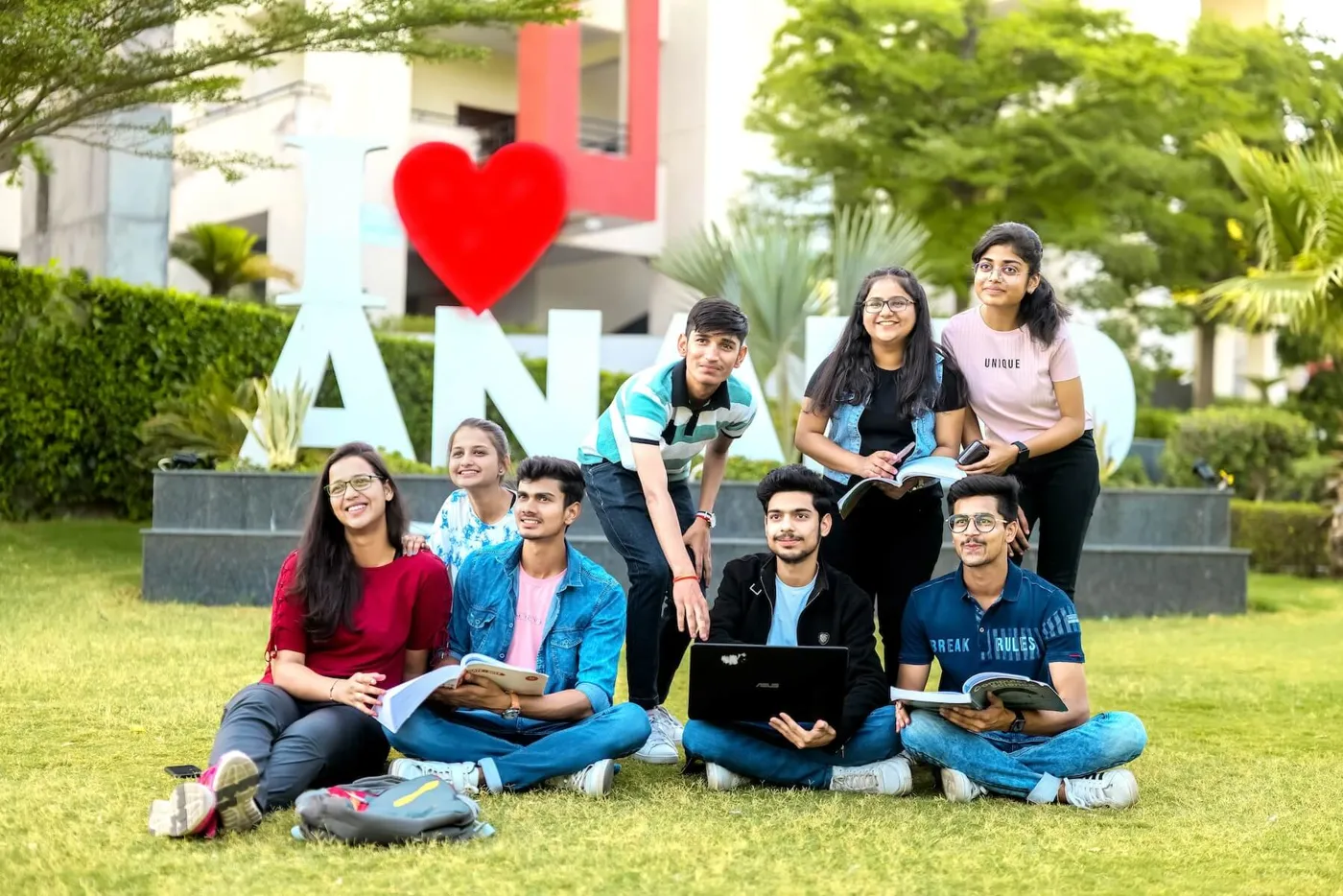
Anand International College of Engineering, commonly presented as Anand-ICE, is located near Kanota on Agra Road in Jaipur, Rajasthan. Established in 2010, the college describes its engineering programmes as affiliated with Rajasthan Technical University. Its Jaipur location and institutional name distinguish it from other colleges carrying the Anand name.
The college’s bachelor’s portfolio includes civil, electrical and mechanical engineering, together with computer science and engineering and specializations in artificial intelligence and data science. Its institutional overview places project-based learning within its educational approach, connecting engineering science with practical problems and sustainable solutions. Research and outreach are also part of that description, including work on sustainable materials. The overview presents collaboration with research, training and industrial organizations as a means of bringing practical perspectives into students’ education.
Sources: Engineering education near Jaipur ↗
Civil engineering through experiments and design
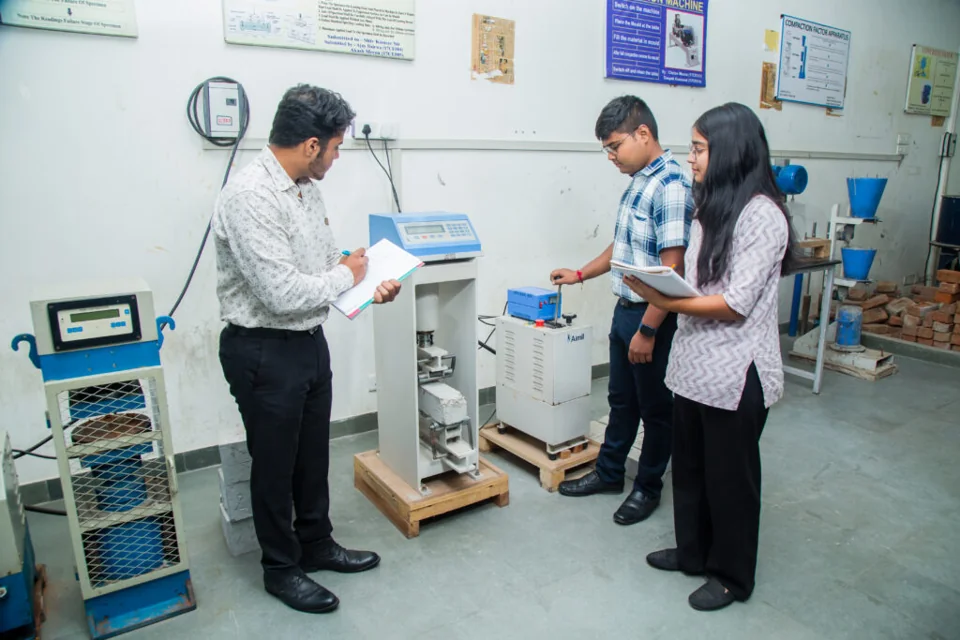
Civil engineering teaching covers structural, geotechnical, environmental and transportation engineering, along with computer-aided design. The department describes a combination of theoretical study, laboratory experiments and training activities. Its laboratory descriptions show how individual subjects are connected with the properties and behaviour of materials, soil, water and structures.
Concrete technology work examines cement, aggregates and concrete mixtures, while road-material testing addresses substances used in transport infrastructure. Geotechnical facilities support examination of soil properties, and the environmental laboratory addresses characteristics of water and wastewater. Surveying activities involve distance, angle and level measurements. Computer-aided design, material testing, estimation and foundation-engineering exercises provide further settings for applied work. The department also identifies sustainable construction as a research interest and describes student activities through an Indian Concrete Institute chapter.
Sources: Civil engineering and laboratory learning ↗
Computing systems and practical development
The computer science and engineering programme combines computing principles with the design and development of computing systems. The department’s educational aims include problem solving, ethical responsibility, teamwork and continued learning. Its laboratory portfolio spans both established computer-science foundations and newer application areas.
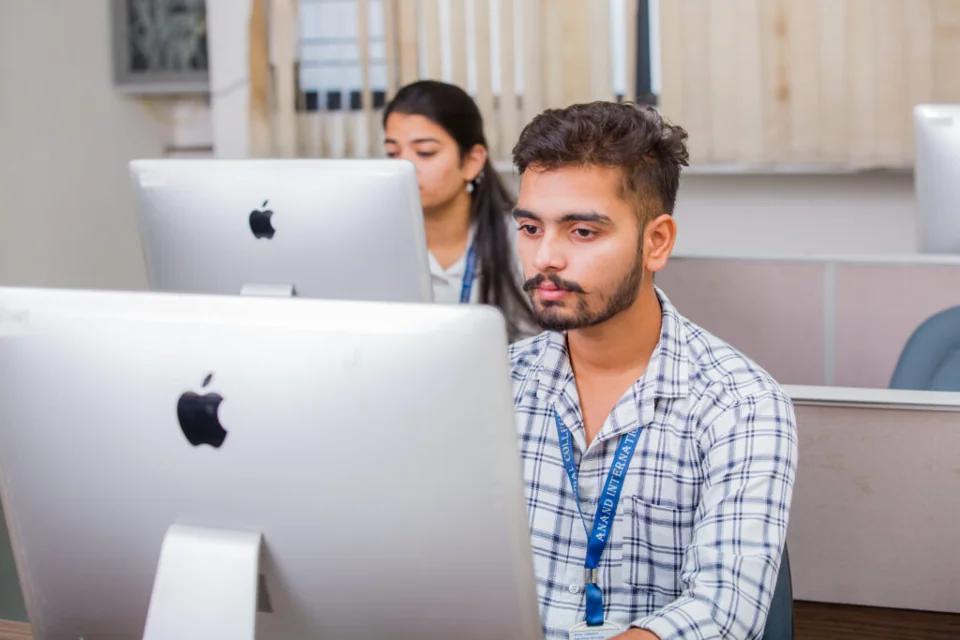
Published laboratory descriptions include Android application development, databases, computer networks, data structures and operating systems. Software engineering activities address analysis, design and modelling, while graphics and multimedia work concerns different forms of digital media. Other facilities support big data and analytics, Internet of Things prototypes, artificial intelligence and machine learning, and iOS application development. The department also describes a research and development project laboratory intended to involve students in developing products, techniques and technologies around identified needs. These different facilities connect programming and systems knowledge with practical implementation.
Sources: Computer science and engineering ↗
Library and campus facilities
The campus facilities page describes academic, administrative and laboratory buildings linked with classrooms, seminar spaces and practical-learning facilities. The library operates on an open-access basis, with text and reference books, journals, magazines and newspapers supporting engineering study. Its services include barcode-based circulation, reference assistance, photocopying and access to DELNET.
The library provision also includes group discussion spaces and a faculty reading room. Beyond the library, the campus lists a study and computer centre, a dedicated activity-centre space, a cafeteria and a departmental store. Indoor and outdoor sports facilities include courts and areas for several team and individual activities. The campus description places these educational and social facilities within a landscaped setting connected to Jaipur by the Jaipur–Agra highway, linking the college’s teaching environment with its residential and recreational spaces.
Sources: Campus facilities and library ↗
Student-led clubs and activities
The Anandites’ Activity Centre brings together a student council, student chapters and clubs. Its published description assigns these bodies a role in organizing activities, festivals and events. A dedicated weekly period is provided for club participation, creating space for interests alongside the engineering curriculum.
The club list includes literary and professional speaking, ecological and social service, music, dance, coding, art and craft, dramatics, robotics, sport and fitness, and photography and social media. The student council draws representatives from different undergraduate years, while club leadership includes student captains and other members. The activity page records examples such as drama competitions, engineering-related events, environmental activities and cultural celebrations. This structure gives students defined responsibilities in planning and conducting college activities, as well as opportunities to take part in technical and creative interests.
Sources: Anandites’ Activity Centre ↗
Residential life and shared study spaces
Anand-ICE provides separate hostels for male and female students, with different room-sharing arrangements and facilities described on its residential page. The published amenities include attached toilets, hot water, drinking water, internet connectivity, housekeeping and power backup. Dining, recreation and gym facilities are also included in the accommodation description.
A shared study centre forms part of the residential provision. The hostel rules explain how students use its books and spaces, including recording entries, keeping noise low and caring for furniture and resources. Wardens supervise hostel arrangements, with a campus manager and hostel contact provided for accommodation enquiries. The residential page also describes laundry arrangements, a store and festival celebrations for residents. These details place accommodation within the wider organization of daily student life on campus.
Learning beyond subject classes
The college’s institutional practices page describes international exposure, scholarships and a School of Life Long Learning. Its account of international engagement includes overseas training opportunities, visiting teaching faculty and short-term teaching or research exchanges. An international relations function is described as coordinating contacts with universities abroad.
The School of Life Long Learning provides a Corporate Learning Program beginning in the first year, with soft-skills development and an employability assessment at the end of semesters. Scholarship categories described on the page include entry-level merit awards, awards related to university examination results, support for qualifying overseas-training participants and a category for children of CRPF personnel. Together, these practices describe additional learning and support structures around the core engineering programmes, combining academic study with professional preparation and opportunities for broader educational experience.