Visa
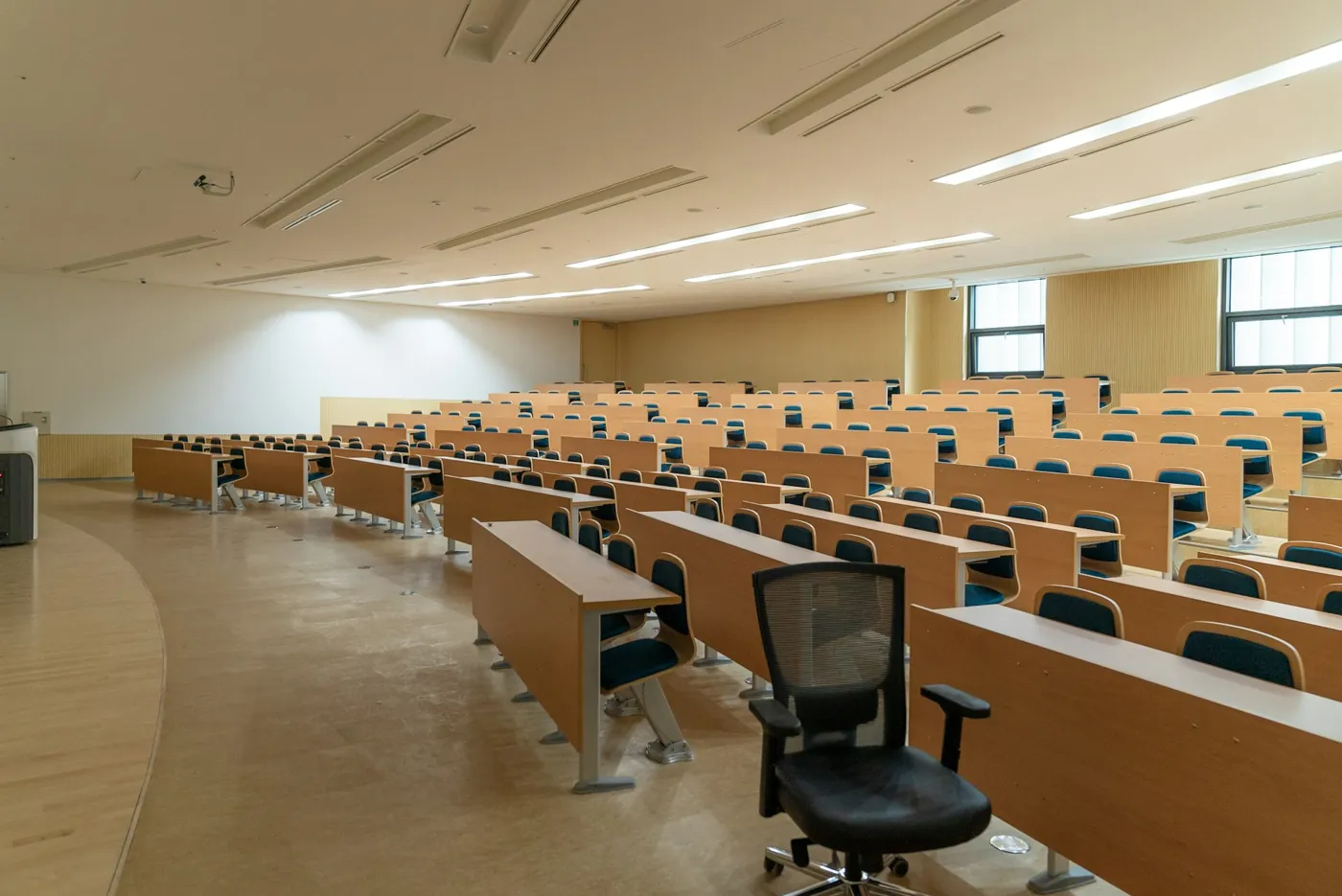

About American University of Culture and Education
Lebanese origins and educational purpose
The American University of Culture and Education, known as AUCE, is a Lebanese private university associated with Beirut and a wider network of regional campuses. Its official history dates the university's establishment to 2000. The same account traces its antecedents to a technical and hotel-management college founded in Beirut by Amjad Al-Nabulsi in 1983, followed by the formation of an academic team in 1995.
AUCE describes its mission through education, collaborative research and service to society. Cultural awareness, technical knowledge and ethical values feature in its institutional outlook. Its stated priorities include opportunities for students from different regions, connections between academic work and communities, and practical responses to Lebanese social and economic needs. Creativity, cooperation and inclusion form part of the values it presents alongside these aims.
Beirut and the regional campuses
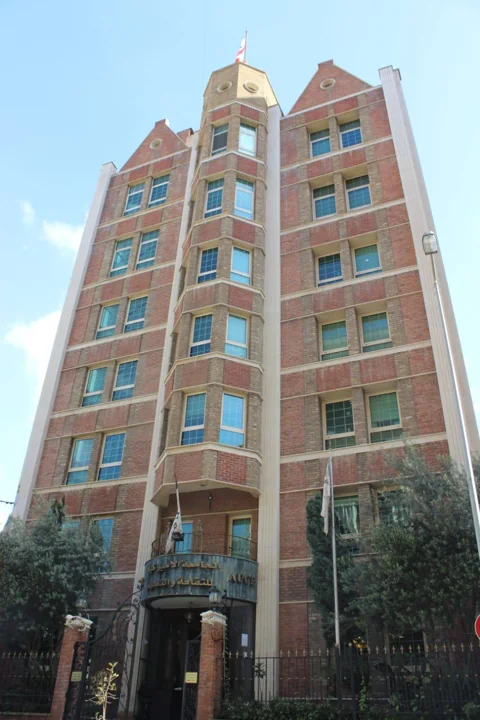
AUCE identifies five campuses: Beirut, Koura, Chhim, Tyre and Nabatiyeh. The Beirut site is described as the main campus, with administrative offices, a library and facilities for academic and research work. The Koura location serves northern Lebanon and is associated with computing laboratories, study areas and student activities.
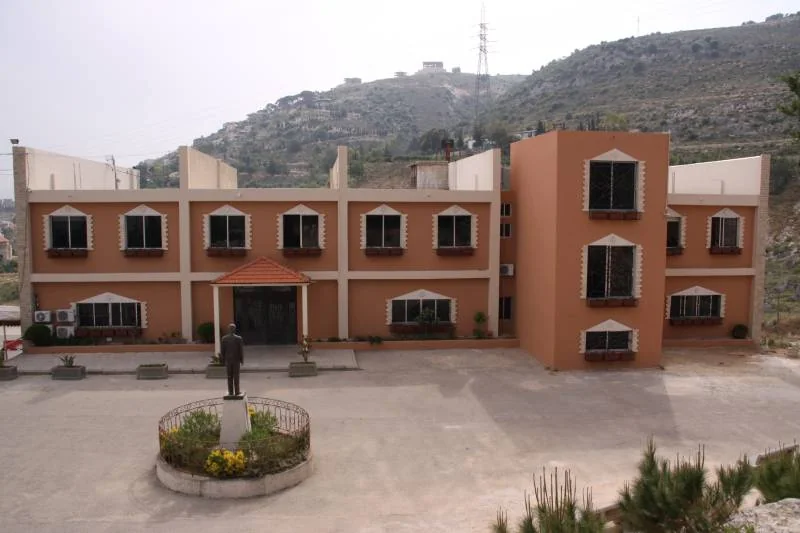
The Chhim campus is situated in the Chouf area of Mount Lebanon; its institutional description emphasizes arts, design studios and creative workshops. Tyre provides a southern coastal location, with business and humanities subjects and language-related facilities. Nabatiyeh represents a further southern campus, associated with business and arts study and community links. This regional organization is central to AUCE's account of making higher education available closer to students' home communities.
Sources: AUCE campuses across Lebanon ↗
Business administration
The Faculty of Business Administration covers a range of organizational and commercial subjects. Its undergraduate fields include accounting, business management, marketing and advertising, human resources, economics, banking and finance, management information systems, and international hospitality and tourism management. The faculty presents academic foundations and practical experience as complementary parts of business education.
Its subject descriptions give a sense of that breadth. Accounting addresses reporting, auditing and taxation; marketing considers brands, digital communication and consumer behavior. Human resources focuses on recruiting, developing and retaining staff. Management information systems connects enterprise technology with data analysis, while tourism study addresses destinations and sustainable practice. Economics examines the influence of markets and policy. Together these areas connect financial and managerial decisions with technology, services and wider economic conditions.
Sources: Faculty of Business Administration ↗
Technology, language and communication
The Faculty of Arts and Sciences brings computing and language disciplines into one academic setting. Its computer science department identifies Computer Science, Computer Communications and Information Technology as separate fields. The descriptions connect theoretical foundations and programming with areas such as algorithms, networking, communications systems, databases and the administration of organizational technology.
Alongside these technical subjects, the faculty's arts department offers translation and English-language study focused on teaching English as a foreign language. The translation description spans settings including business, literature, diplomacy and media. This combination makes the faculty a meeting point between digital systems and the ways people exchange information across languages and cultures. Its stated educational vision includes interdisciplinary inquiry, critical thinking, creativity and social responsibility, rather than treating technology as isolated from human communication.
Sources: Faculty of Arts and Sciences ↗
Design and fine arts
AUCE's Faculty of Arts and Fine Arts identifies three principal creative fields: Interior Design, Graphic Design and Fine Arts. Interior Design combines spatial concepts and technical drawing with materials, lighting, three-dimensional modeling and project presentation. Its description also includes sustainable and ergonomic approaches to the spaces people use.
Graphic Design focuses on visual communication through typography, layout, identity systems and digital and print production. Motion graphics, editing and introductory interface design extend that work into screen-based media. Fine Arts encompasses painting, sculpture, mixed media and contemporary practice, supported by art history and theory. Portfolio development, exhibition planning and the articulation of an artist's ideas are also included. Across these fields, the faculty presents creative exploration and the development of practical technical skills as connected parts of artistic education.
Sources: Faculty of Arts and Fine Arts ↗
Student affairs and participation
The Student Affairs Department describes support extending from orientation through students' university studies. Academic advising covers course selection, study planning and degree requirements. Counseling, wellness activities and disability support are also identified, while career services include résumé preparation, interview coaching and networking. These services are presented alongside facilities for study and social interaction.
Campus participation includes clubs, athletics, cultural events and volunteering. AUCE describes job fairs, guest lectures, workshops and student-led arts activities as ways of connecting university life with employers, practitioners and communities. Libraries, language centers, design studios and computing laboratories provide settings for subject-based work; lounges and cafeterias offer informal meeting places. The university's account therefore places academic support, creative activity, recreation and community service within a broader student experience across its regional sites.
Research and community priorities
AUCE presents research as a collaborative activity linking academic study with practical questions in Lebanon. Its stated focus areas include food security and agriculture, digital innovation, cultural heritage, sustainable development, youth employment and community wellbeing. The research page describes cooperation with universities, companies, public agencies and nongovernmental organizations as part of this approach.
Within those priorities, the university identifies interests in sustainable farming, artificial intelligence, cybersecurity, climate adaptation, energy efficiency and social integration. Cultural-heritage inquiry connects arts, archaeology, linguistics and social sciences with the documentation and interpretation of Lebanon's history. The page also describes research grants and international networks as mechanisms for supporting projects and scholarly exchange. These are the directions through which AUCE frames its ambition to connect education and inquiry with the needs of its surrounding communities.