Visa

About Al-Kafaàt University
University and foundation
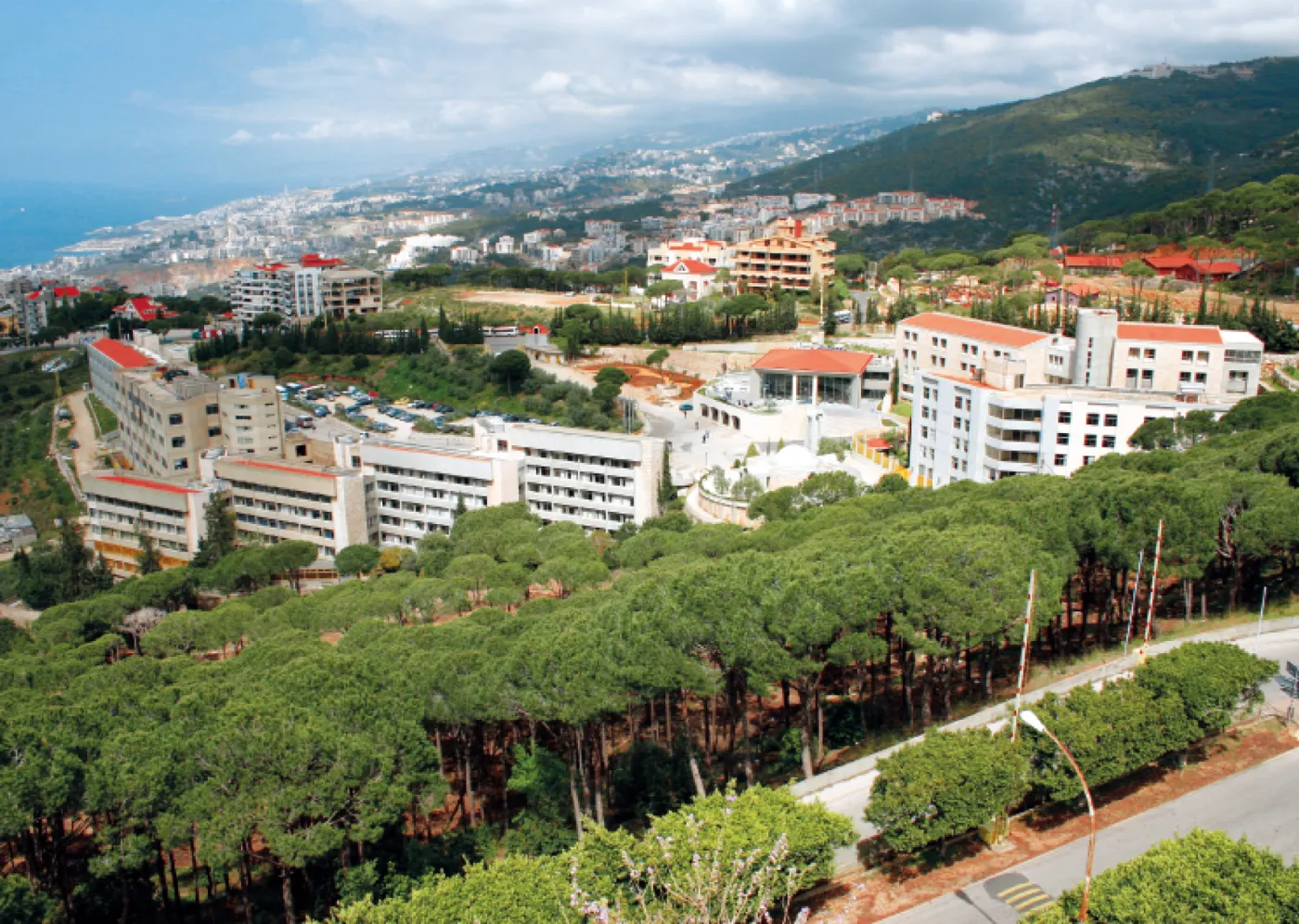
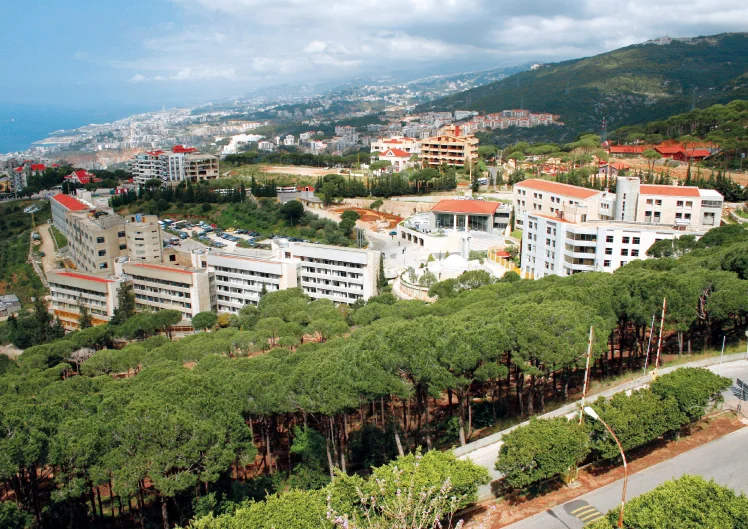
Al-Kafaàt University, commonly abbreviated as AKU, is a private university in Lebanon established by the Al-Kafaàt Foundation in 1999. Its campus is in Ain-Saadeh, on Fanar Road, overlooking Beirut. The university describes its educational purpose as providing practical higher education to young people in Lebanon without discrimination, within an accessible campus environment.
The university is part of a wider educational and social tradition. The Al-Kafaàt Foundation is a nonprofit, nondenominational and nonpartisan organisation whose rehabilitation and education work dates to 1957. Its services address special needs and social challenges. The university’s mission therefore links higher education with the foundation’s broader commitment to inclusion, while its own establishment date remains distinct from the foundation’s earlier origins.
Sources: University and foundation ↗ · University and foundation ↗
Business study and professional engagement
The Ghassan Barrage School of Business covers subjects including banking and finance, accounting, hotel management, management and marketing. Its published description emphasises a balance of academic learning and practical experience across these related fields.
Case projects and presentations form part of that practical approach, together with internships, professional visits and interaction with specialists from relevant industries. The school connects its programmes with the needs of different sectors of the economy. Its combination of business subjects includes both financial and organisational disciplines and the hospitality field, giving students several specialist routes within the same school.
Education and inclusive learning
The School of Education identifies Primary and Preschool Education and Special Education among its majors. Its educational approach is closely connected to inclusion and equal opportunities. The school describes engagement with practitioners and the educational environment as part of its work to prepare students for their future responsibilities.
The campus setting is also part of its account of education, with attention to adapted premises and a supportive learning environment. Specialised education is presented as a way to respond to different categories of learners. The school links this practical orientation with academic and teaching expertise, rather than treating inclusion as separate from the training of educators.
Sources: Education and inclusive learning ↗
Creative and technical disciplines
The School of Arts and Advertising focuses on creative work in audiovisual production, advertising and design. Its listed majors include Audiovisual, Advertising and Graphic Arts, and Interior Design. These fields sit alongside the university’s business and education provision.
The School of Technology follows a multidisciplinary approach combining theory and practice. Its departmental fields include Food Industries Technology, Computer Science, Technology in Electronics and Telecommunications, and Mechanics. The school’s stated educational focus connects technical learning with local industry and technological development. Together, the creative and technical schools bring visual communication, production, computing and applied technologies into the university’s broader academic portfolio.
Sources: Creative and technical disciplines ↗ · Creative and technical disciplines ↗
Computing resources for project work
The university’s Computer Center is described as a network of linked facilities supporting student projects. Its published facilities account identifies general computer laboratories with interactive whiteboards and projectors, as well as specialist laboratories for graphic and interior design work. An iMac studio supports advertising and audiovisual activity.
The account also describes individual student network accounts for saving work, web servers for web-development study and storage for projects. The computing environment supports office applications, programming and website development alongside specialist graphics software. Its facilities are intended for students studying on campus and those living in campus accommodation, connecting academic project work with the wider residential environment.
Theatre and campus events
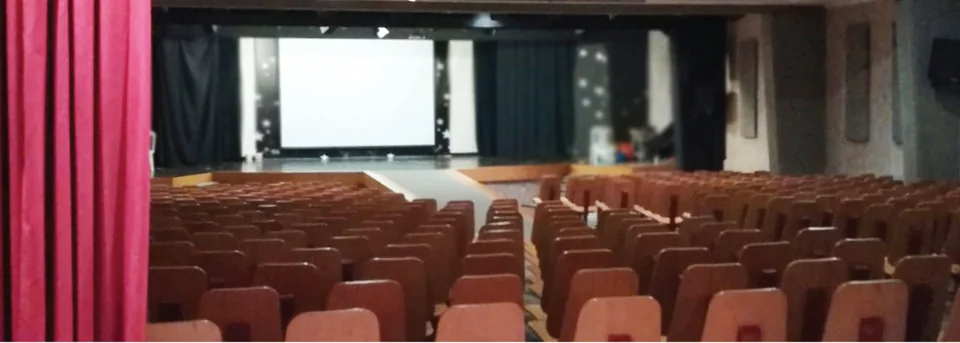
The campus theatre provides a setting for artistic and audiovisual productions, conferences and seminars. The university also identifies a smaller rehearsal theatre for more modest events. These spaces add performance, presentation and public discussion facilities to the academic teaching environment.
Sources: Theatre and campus events ↗
Residence, recreation and shared services
On-campus dormitories are part of the university’s published student-life provision. The residence page connects accommodation with access to campus facilities, including workshops, laboratories, the restaurant, sports club and copy centre. Housing therefore forms part of a shared campus environment rather than a separate residential site.
The Sports Club is located at the campus entrance and offers exercise equipment and instructor-led fitness activities. The restaurant is also near the entrance. Its description identifies meals prepared by the Al-Kafaàt Catering School’s central kitchen and a ballroom used for events and exhibitions. Additional snack and dining outlets complement these shared services.
Sources: Residence, recreation and shared services ↗ · Residence, recreation and shared services ↗ · Residence, recreation and shared services ↗
Registration and guidance
The Registrar’s Office is located at the entrance to the campus. The published enrolment process includes an application, academic records and evidence of the Lebanese Baccalaureate or its recognised equivalent. Department heads participate in discussions of subject choices, linking registration with academic planning. The university also describes an interview and an entry assessment of French or English language proficiency.
The enrolment page also sets out a transfer procedure involving a written account of previous study and certificates for completed courses. Credit recognition is described as an individual evaluation involving the department and academic administration. Its student conduct provisions address academic misconduct, including cheating and plagiarism.
The Career Center serves students and alumni with guidance and personal-development support for the transition from university study. Its stated activities include maintaining contact with graduates, sharing employment information and facilitating introductions to potential employers. This service extends the university’s student support beyond the classroom and complements the practical experiences described by its academic schools.
Sources: Registration and guidance ↗ · Registration and guidance ↗