Visa
About Amal College of Advanced Studies
A college rooted in Nilambur
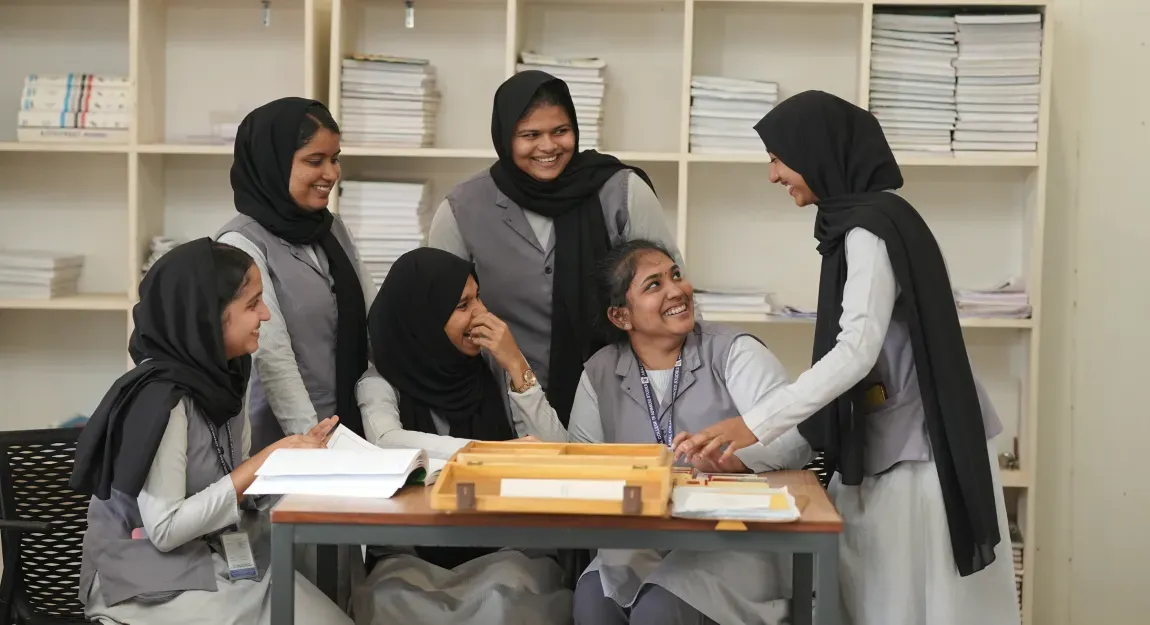
Amal College of Advanced Studies is based in Nilambur, Kerala, and presents itself on its official website as an autonomous institution. Established in 2005 by the Nilambur Muslim Orphanage Committee, it describes a campus at Santhigramam, Myladi, beside the Chaliyar River. Its history and mission connect higher education with opportunities for rural and underprivileged communities. The college identifies inclusion, academic development, ethical conduct, research and environmental responsibility among its values. Its published educational approach includes skill development, technology-supported learning and cooperation with organisations beyond the campus. Moodle supports online learning activities, assignments and assessment, while National Service Scheme activity and extension clubs connect students with social outreach. These elements place subject knowledge alongside practical learning and participation in the surrounding community.
Sources: A college rooted in Nilambur ↗
English language, literature and research
The English department began with the college in 2005 and added its master’s programme in 2013. Its current programme list includes undergraduate, master’s and doctoral study in English language and literature. The department describes an approach combining language proficiency, literary understanding and critical thought. Seminars, workshops, cultural activities and extension programmes supplement classroom learning. Its facilities include a departmental library, digital resources and a language laboratory supported by Cambridge learning software, with attention to communication and pronunciation. Certificate-course descriptions extend into academic writing, creative expression, digital content and translation. The department also publishes information about its Board of Studies and curriculum. Together, these activities connect the close study of language and texts with opportunities to practise communication, investigate literary questions and engage with broader cultural subjects.
Commerce and applied business learning
The Commerce department, also established in 2005, lists a four-year Bachelor of Commerce programme in Computer Application. Its educational aims combine conceptual study with digital proficiency, practical experience and ethical responsibility. Published facilities include a department library and book bank, a computer laboratory, a Tally assessment centre and a digital collection of study materials, presentations and question banks. The department describes connections with Tally Education and the National Institute of Securities Markets as part of its practical training activity. Internships, certificate courses and student-association work supplement the main academic programme. Its Board of Studies oversees curriculum development and review. This combination places accounting and commerce education within a learning environment that also emphasises technology, communication, leadership and awareness of the responsibilities involved in professional work.
Library services and information skills
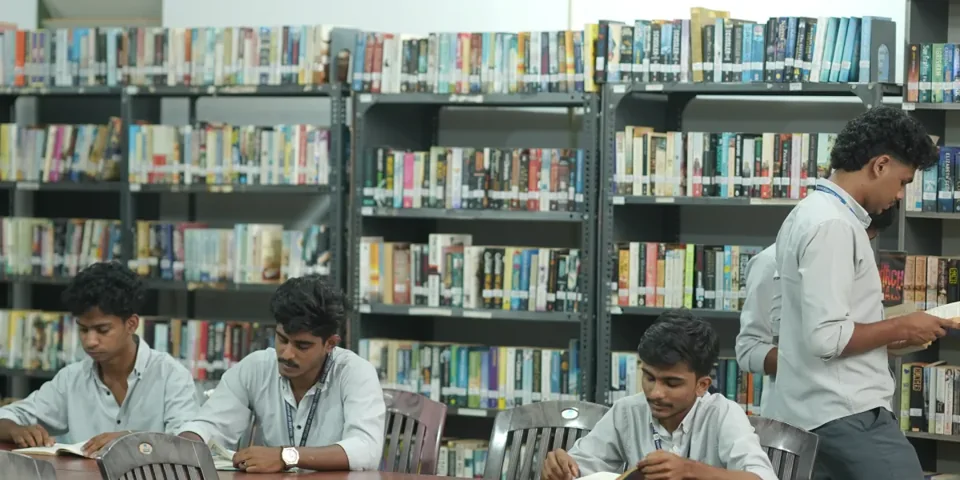
The college library supports teaching and research with books, periodicals and electronic resources. Its integrated management system provides catalogue access through both web and mobile interfaces. Reference assistance, user-orientation programmes and digital databases help students and staff locate information for their work. The library also cooperates with faculty to develop information skills and encourage reading beyond the immediate curriculum. Its Library and Information Science page identifies ethical use of information, referencing and research skills among its areas of support. It lists a multidisciplinary course in the subject and describes certificate training in library automation, digital archiving, information retrieval and related tools. The library thus combines access to collections with guidance on finding, organising and using information in academic study.
Sources: Library services and information skills ↗
Computing with practical and community activity
Computer Science was established as a department in 2013 and currently lists a four-year honours undergraduate programme. Its published approach brings analytical learning together with computing practice, projects and professional development. Additional courses cover subjects such as the Internet of Things, robotics, data science and interface design. Departmental facilities include a library and book bank, technology-enabled classrooms, computing resources and spaces for presentations and collaborative work. Mentoring and guidance accompany support for projects, internships and industry interaction. Student activities include technical festivals, coding competitions and study visits. The department also describes Digital Neighborhood as a community digital-literacy initiative. These activities extend computing education beyond individual coursework, providing settings for group work, presenting ideas and applying technical knowledge to questions outside the classroom.
Tourism and hospitality education
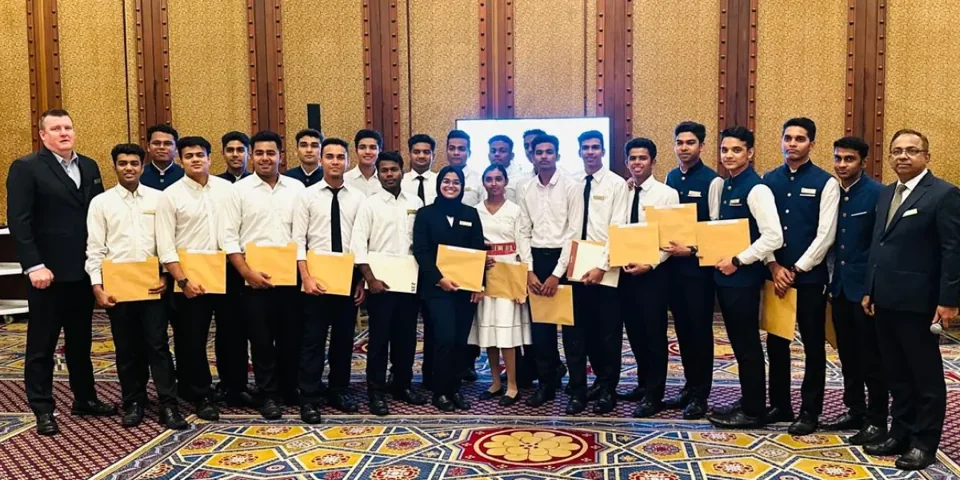
The Tourism and Hotel Management department dates its establishment to 2005. Its programme list includes the Bachelor of Tourism and Hotel Management, and its educational description combines tourism subjects with the practical work of hospitality operations. Published facilities include a simulated front office, a housekeeping laboratory, a food-production kitchen and a training restaurant for food-and-beverage service. A bakery and confectionery laboratory and departmental library provide further specialist resources. Training support connects academic study with internships and industry exposure. The department’s Board of Studies includes academic and industry participation and reviews programmes and curriculum. Its stated approach emphasises professional conduct, practical skills and the relationship between hospitality, tourism and travel. This gives students several settings in which to relate theoretical study to the organisation of guest services.
Sources: Tourism and hospitality education ↗
Cultural learning and public engagement
The Prof. K. A. Alikunhi Memorial Amal Centre for Cultural Studies operates under the Arabic department. Its work centres on comparative understanding of cultures, religions and philosophical traditions, alongside ethical awareness and appreciation of India’s cultural diversity. Published activities include a Ramadhan study-talk series, academic quizzes, Eid celebrations and artistic competitions. The centre describes these as opportunities for reflection, expression and participation, with major events also involving the public. Its emphasis on cultural dialogue links academic learning with the heritage and experiences of the surrounding community. Through talks, performances and shared celebrations, the centre provides another part of college life in which students can explore ideas, encounter different perspectives and contribute to collective activities beyond their main programme of study.