Visa

About Alxa Vocational & Technical College
A regional vocational college
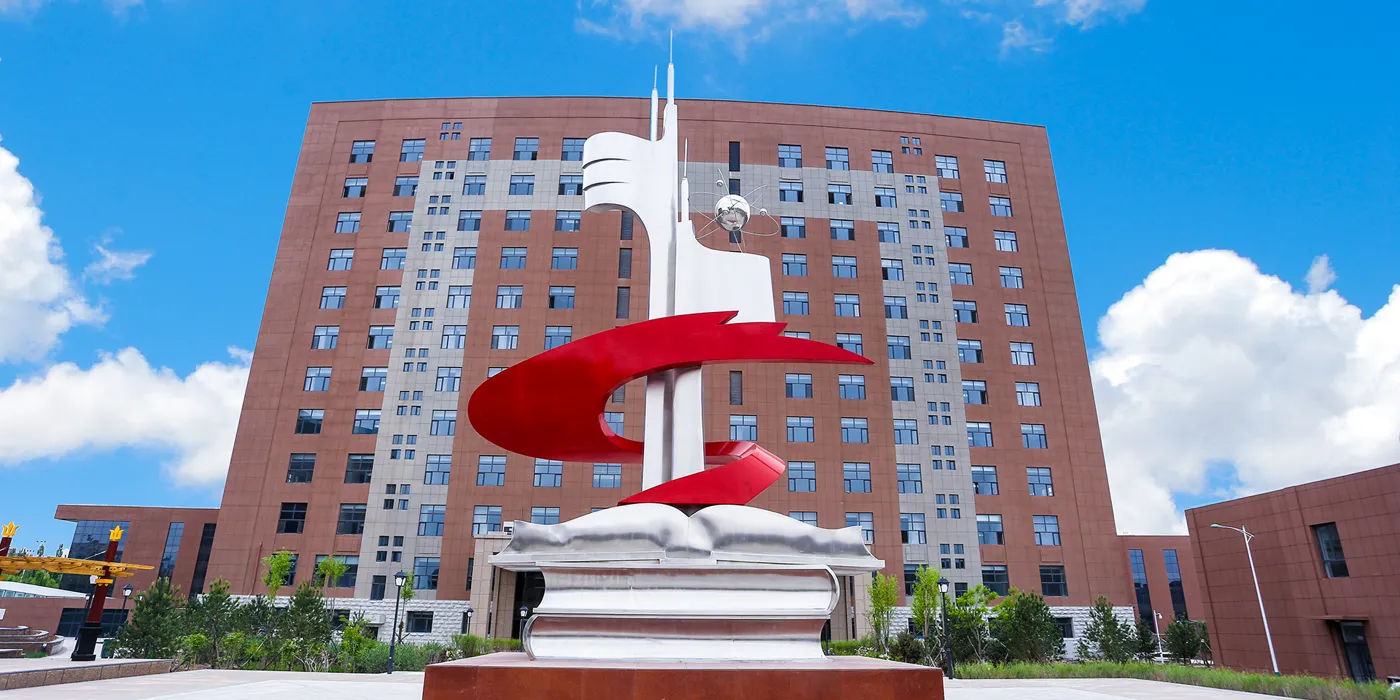
Alxa Vocational & Technical College is based in Bayanhot, in the Alxa area of Inner Mongolia, China. Its official Chinese name is 阿拉善职业技术学院. The college was approved by the regional government in January 2011 and began formal operations in March 2013. Its development brought together institutions involved in teacher education, health, technical training, sport and other vocational education. The college now works from campuses at Bayanhot and Wusitai, with additional training centres in Alxa Right Banner and Ejina Banner. Its institutional introduction describes a combination of full-time vocational education, adult continuing education and social training. This structure connects college-level technical study with other forms of learning serving the surrounding region.
Sources: Official college introduction ↗
Mechanical, electrical and vehicle technologies
The mechanical and electrical engineering department covers industrial systems, energy technologies and vehicles. Its higher-vocational subjects include mechatronics, wind-power engineering technology, power-system automation, automotive electronics, vehicle inspection and maintenance, and new-energy vehicles. Secondary-vocational routes are also described within the department. Practical teaching takes place in facilities for industrial robotics, 3D printing, mechanical assembly, wind power, electrical installation, programmable logic controllers, hydraulics and vehicle-related work. The department combines campus teaching with relationships with external enterprises. Its stated teaching approach includes school–enterprise cooperation, work-integrated learning and apprenticeship methods. These arrangements give learners opportunities to encounter equipment, processes and tasks associated with technical occupations alongside their classroom study.
Sources: Mechanical and electrical engineering introduction ↗
Chemical engineering at Wusitai
Chemical engineering is based at the Wusitai campus in the Alxa High-Tech Industrial Development Zone. Its higher-vocational provision includes applied chemical technology, analytical testing technology and chemical safety technology. It also identifies chemical processes as a secondary-vocational subject. The department describes campus training laboratories and external production-based training sites, supported by continuing relationships with chemical and pharmaceutical manufacturers. Its academic work includes research projects and staff scholarly publications. Industrial analysis and testing are prominent within its teaching profile. The department’s location and practical partnerships connect laboratory education with the industrial environment around Wusitai, while chemical safety is included as an explicit field of study.
Sources: Chemical engineering introduction ↗
Applied artificial intelligence
The applied artificial-intelligence programme sits within the information engineering department. Its October 2026 description sets out a curriculum covering data processing, model training, application development, system deployment and maintenance. Foundation subjects include computer networks, Linux, Python, databases and mathematics for AI. More specialised work includes computer vision, deep learning, natural-language processing, speech applications and integrated project development. The programme describes dedicated foundational and comprehensive AI training rooms and another innovation-oriented training space. Practical work includes data collection, model testing and system deployment through projects and cooperation with enterprises. This provides a concrete example of the college’s digital-technology teaching, with both underlying computing knowledge and application-oriented tasks included.
Sources: Applied artificial intelligence programme, October 2026 ↗
Culture, tourism and design
The culture and tourism department adopted that name in August 2025. Its introduction lists art design, preschool education, tourism management, digital-media applications and dance performance. Teaching is linked with local cultural resources and practical skill development. The department describes specialist studios and practice centres concerned with cultural products, advertising design and youth arts training. Gemstone carving and design provide another connection between the local economy and vocational learning. Its model emphasises coursework, practical teaching and skills training supported by cooperation with enterprises. This gives cultural and tourism education a place alongside the college’s industrial and technical subjects, with design, communication and performance forming important strands.
Sources: Culture and tourism department introduction ↗
Transport and aviation-related education
The transport department originated as a general-aviation department in 2019 and took its current name in 2025. Its published provision covers drone technology and operation, aviation services, airport-operation services and management, and high-speed railway passenger services across vocational levels. Drone-related practical facilities include integrated and simulation training rooms. The department also describes cooperation with enterprises and other colleges as part of its development. Its educational focus responds to transport and aviation-related activity in the region. Some additional passenger-service facilities are listed as planned developments, while the existing drone training rooms are identified as supporting practical courses. The departmental history shows how an aviation starting point developed into a broader transport remit.
Sources: Transport department introduction ↗
Nursing and health-related technical study
The medical and nursing department grew from the Alxa health school and was formally established as a department in 2011. Its subject areas include nursing, dental technology, rehabilitation technology and smart-health eldercare services and management. The department describes education across secondary-vocational, higher-vocational and linked study routes. Its teaching facilities include nursing and first-aid training rooms, simulation equipment, dental scanning and denture-production equipment, and spaces for rehabilitation and eldercare assessment. Practical partnerships extend to hospitals, dental-production enterprises and care organisations. These resources are presented as part of an educational system connecting subject teaching, simulated practice and supervised experience in relevant organisations.
Learning through local cultural resources
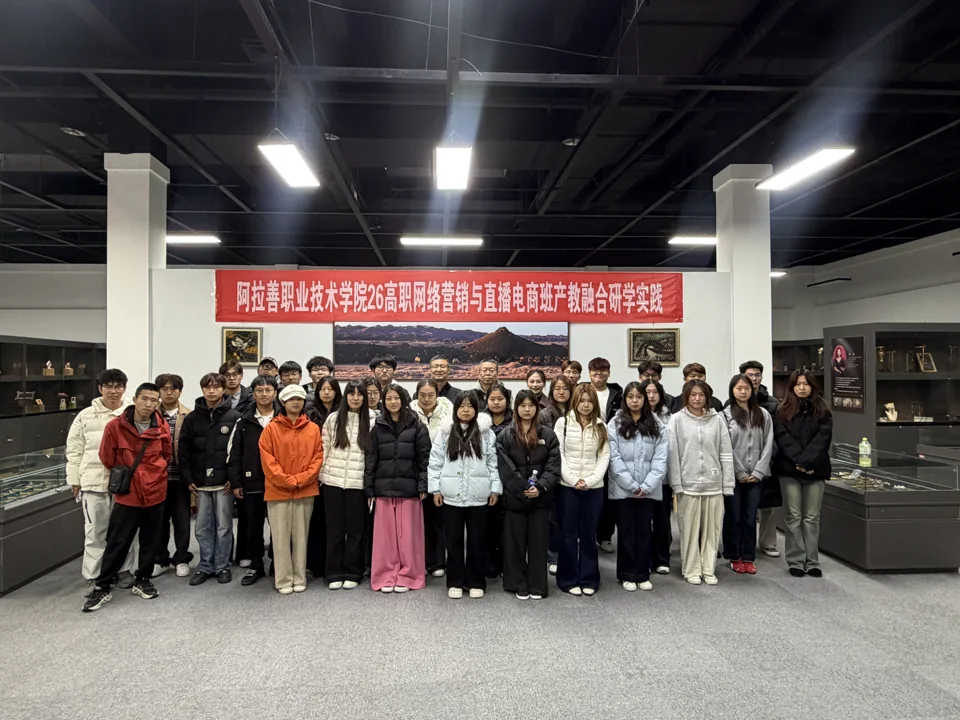
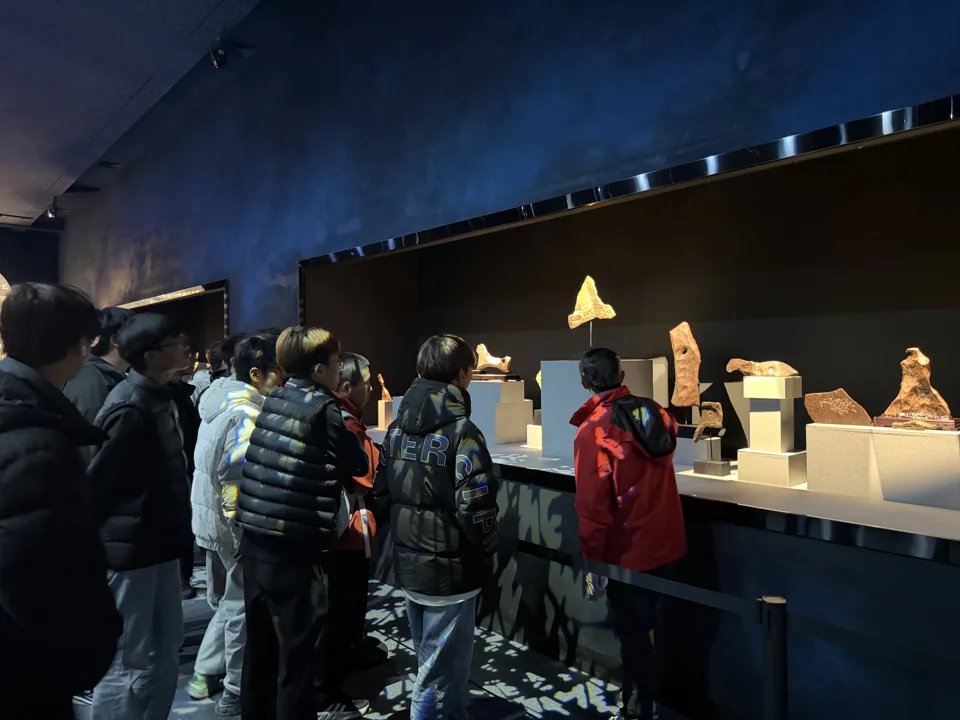
A culture-and-tourism report published on 29 October 2026 describes a field-learning activity held the previous day. Students from online marketing and livestreaming e-commerce and art-design classes visited the college’s gemstone-related industry teaching platform. An enterprise instructor discussed product selection, content planning, audience development and livestreaming presentation. The activity connected local Gobi-stone cultural resources with practical questions about design and communication. The report distinguishes the scheduled morning teaching from an optional afternoon museum visit, where students examined an exhibition of stone-based artworks. It is a specific example of how vocational learning can connect classroom concepts with local products, cultural interpretation and observation of professional practice.
Sources: Culture and tourism field-learning report, 29 October 2026 ↗