Visa
About Altai State Technical University
A technical university in Barnaul
Altai State Technical University named after I. I. Polzunov is based in Barnaul, in Russia’s Altai Krai. Its main institutional address is 46 Lenina Prospekt. The university’s academic structure includes information technology, construction, energy, automotive and mechanical engineering, alongside architecture, biotechnology, food and chemical engineering, economics and humanities. It also identifies technological and industrial branches in Biysk and Rubtsovsk. This range gives its technical identity several dimensions: computing and industrial systems sit alongside the design of buildings, the production of food and the organisation of economic activity. The official site provides separate routes to academic units, research information, student resources and its scientific and technical library.
Sources: A technical university in Barnaul ↗
Information technology and applied computing
The Faculty of Information Technology was formed in 2010 by bringing together two earlier faculties. Its published programme range includes computer science and engineering, applied informatics, software engineering, information security, instrumentation and business informatics. The faculty connects these subjects with programming, computer-system administration, graphics, databases and operating systems. Its facilities include an information-measurement systems laboratory and a robotics laboratory, alongside teaching classrooms. An authorised 1C training centre supports learning relating to business-process automation. Academic activity also includes conferences on virtual and intelligent systems and on measurement, control and informatisation. The faculty’s structure combines computing with mathematics and information systems in economics, reflecting both technical foundations and applications within organisations.
Sources: Information technology and applied computing ↗
Food, biotechnology and chemical engineering
The Institute of Biotechnology, Food and Chemical Engineering was established in 2015 from the earlier food and chemical production faculty. Its subjects connect biological processes, machinery, manufacturing and the handling of raw materials. Teaching areas include biotechnology, chemical technology, food from plant materials, catering production and resource-saving processes. The institute describes departmental work on food-production equipment, grain storage and processing, food technology, chemical production, engineering ecology and workplace safety. These activities cover different stages of production, from developing processes and products to operating equipment and assessing environmental effects. Research and industrial visits complement its academic provision, while teamwork and project management feature in its description of students’ broader development.
Architecture and design
The architecture and design institute carries the name of its founder, S. B. Pomorov, awarded in 2026. Its history includes an architecture department established in 1987, specialist training developed in the 1990s, a faculty formed in 2002 and conversion to an institute in 2005. Current study areas include architecture, architectural-environment design, design and the construction of light-industry products. The institute records the introduction of web design in 2020 and a clothing-related intake in 2025. Its structure combines architectural design with architectural history and theory and visual art. A preparatory studio supports prospective students, while a design centre involves students and postgraduate researchers in architectural and design projects.
Sources: Architecture and design ↗
Construction and the built environment
The Construction and Technology Faculty dates its establishment to 1961. Its published educational provision includes bachelor’s and master’s study in construction and a specialist programme concerning distinctive buildings and structures. A teaching, research and innovation complex supports the faculty’s work with students and practising specialists. Within it, one centre addresses construction estimating and another focuses on building information modelling. A personnel centre called Stroitel also assists with student industrial placements and connections to employment. These resources place professional practice alongside academic study. The faculty’s description therefore addresses the planning and delivery of construction projects as well as the continuing development of people already working in the property and building sectors.
Scientific and technical library
The scientific and technical library serves students, postgraduate researchers, teaching staff and other university researchers. Its responsibilities include information and bibliographic assistance and the development of collections suited to teaching and scientific work. The library also works on contemporary information and library technologies. Its electronic catalogue is identified as available through the university network, making the conditions of access different from an unrestricted public catalogue. Beyond services for individual readers, the library coordinates the methodological association of higher education libraries in Altai Krai. Participation in regional library-consortium activity and electronic document delivery extends its role beyond the university’s own shelves, connecting local collections with wider professional information services.
Sources: Scientific and technical library ↗
Research across technical fields
The university’s research directions connect information systems with machinery, materials, energy and natural resources. Its published priorities include automated systems for learning, design and management; machinery quality; technologies for processing grain; and new construction materials and structures. Other areas concern vacuum technologies, measurement of environments and materials, and the efficient use of fuels and raw materials. Research into resource-saving equipment and comprehensive natural-resource use links engineering questions with environmental considerations. The list also includes organisational and economic relationships within enterprises and the region. Educational methodology appears alongside these technical subjects, showing that the university’s research agenda includes how technical education itself is organised and improved.
Sources: Research across technical fields ↗
An industry-linked learning event
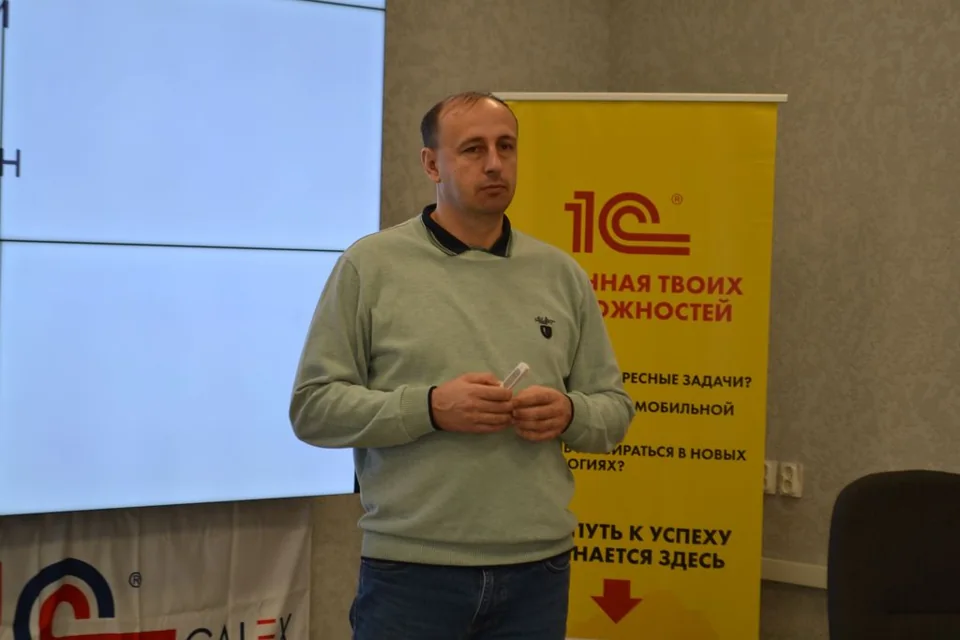
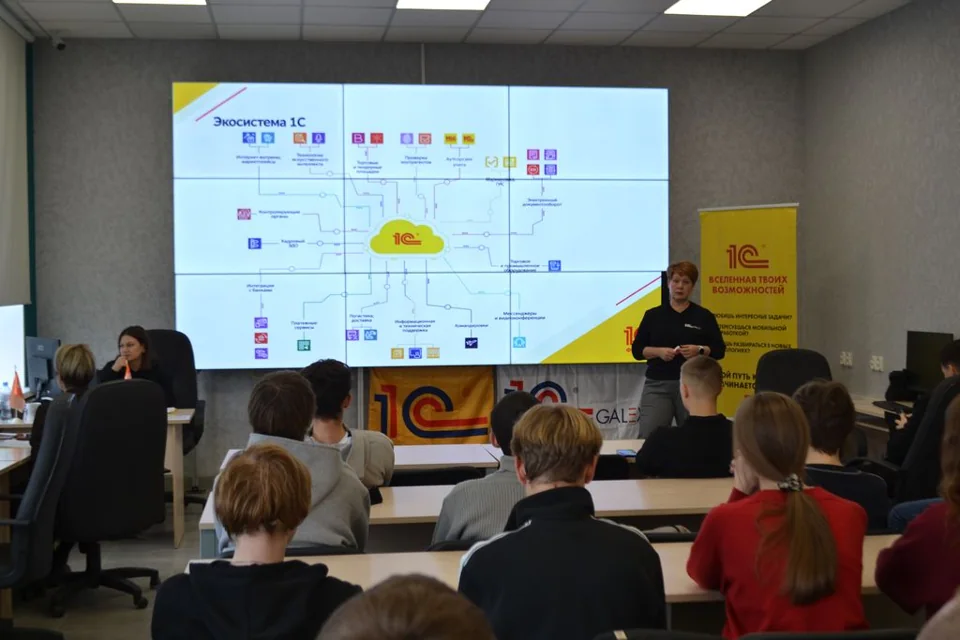
A report published on 3 November 2026 describes a 1C introductory event for first-year IT students. Representatives of partner companies explained applications ranging from accounting and document management to planning and management reporting. The discussion connected business knowledge with computing and data analysis. Speakers also introduced student competitions and described examples from company projects. The event concluded with an interactive exercise in which participants tried different roles within an IT team. This dated activity illustrates a practical connection between the university’s computing provision and organisations using business software. The report presents it as an introduction to professional tasks and teamwork, rather than a replacement for the faculty’s academic programmes.
Sources: An industry-linked learning event ↗