Visa
About Altai State Medical University
From medical institute to university
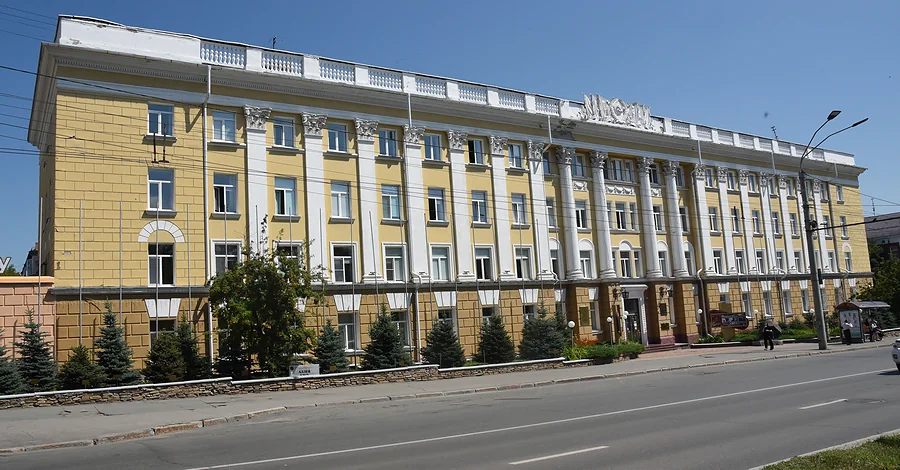
Altai State Medical University is based in Barnaul, in Russia’s Altai Krai, with its main address at 40 Lenin Avenue. Its origins lie in the expansion of healthcare provision during the development of agricultural areas in southern Siberia. A Soviet government order of 7 August 1954 established the Altai State Medical Institute, and its first 200 students began classes on 1 October 1954. Initially, it had a single general-medicine faculty. Student scientific circles appeared during its first academic year, followed by an institute-wide student conference in May 1955. Subsequent milestones included a paediatrics faculty in 1966, pharmacy in 1975 and dentistry in 1990. The institute received university status in 1994. More recent additions included a simulation centre and a faculty for international students in 2016, followed by secondary vocational education in 2022.
Sources: History of ASMU ↗
A broad medical education institution
The university describes a multilevel education system extending from pre-university preparation to specialist study, residency, postgraduate research and additional professional education. Its academic organisation includes clinical medicine, paediatrics, dentistry, pharmacy, public health and clinical psychology, alongside vocational and preparatory education. This structure brings different types and stages of professional learning into one institution. General education departments and clinical departments contribute to teaching, while medical organisations in Barnaul and the wider region provide settings associated with the university’s educational work. Pre-university preparation includes Russian language, chemistry and biology. The institution also maintains provision for international students, with its official English overview describing English-medium or bilingual study in selected programmes.
Practice in a simulated environment
The simulation centre is located in teaching building 4 at 126 Papanintsev Street. It supports practical teaching for students, residents and professionals undertaking additional education. Training uses mannequins, phantoms, virtual simulators and medical equipment in constructed teaching environments. The centre identifies practical work across subjects including obstetrics, nursing, pharmacy, dentistry, therapy and paediatrics. Its structure includes obstetric and surgical sections, an experimental operating-room facility and a disaster-medicine teaching centre. Simulation provides a setting in which learners can work with equipment and scenarios as part of organised instruction. The centre also runs introductory visits for school groups and first-aid courses for members of the public and non-medical workers. These activities connect specialist teaching infrastructure with educational outreach.
Sources: Simulation centre ↗
Student research and scientific exchange
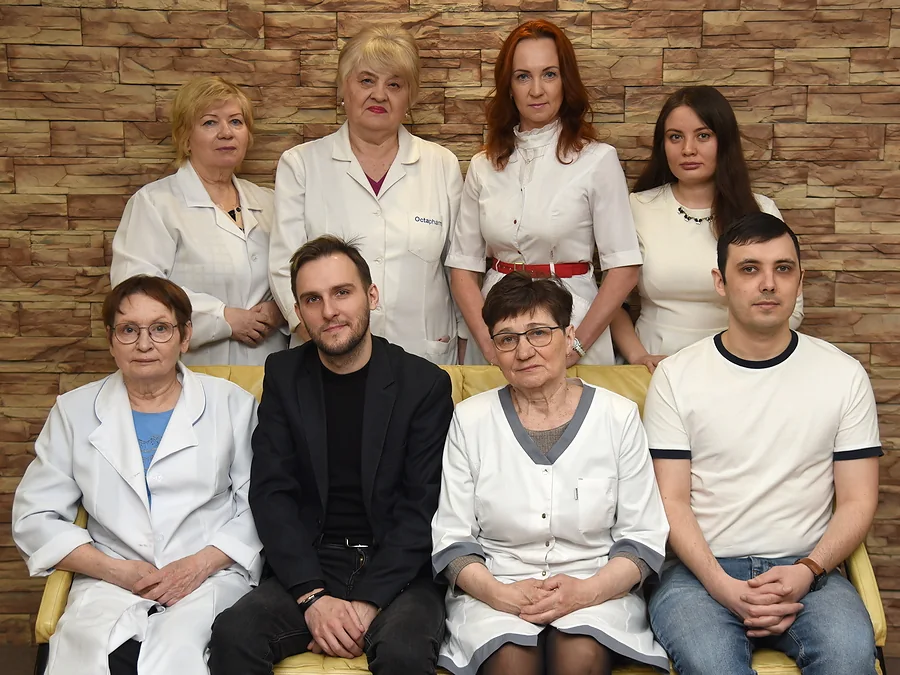
The Scientific Society of Young Scientists, Innovators and Students, known as NOMUIS, provides a form of self-government for students and researchers younger than 35 who undertake research within university departments. Its stated purposes include maintaining scientific traditions and involving students in research from early stages of their education. The society helps organise research and scientific-practical activities, supports publication and circulates information about conferences, competitions and forums. It also seeks links with youth scientific organisations at other institutions for exchanges and joint work. Presenting findings is part of its remit, alongside helping student and young-researcher work reach wider scientific meetings. The society therefore provides an organisational route from departmental research interests to publication, discussion and academic contact.
Sources: Scientific society NOMUIS ↗
Housing and student self-government
The university’s residential infrastructure includes three dormitories and a registration office. The dormitories are listed at 105 Krupskaya Street, 106 Komsomolsky Avenue and 36 Chkalov Street. The registration office is based at the main university address and handles documentation connected with student registration and related matters. Its published responsibilities also include issuing registration certificates and assisting with passport changes connected with age or a change of surname. Each dormitory forms a student council annually. These councils represent residents’ interests and participate in organising everyday life, leisure and recreation. The university describes residential self-government as a means of developing social participation, self-organisation and responsibility for shared living arrangements. Its housing information thus covers both buildings and the structures through which residents can take part in their community.
Sources: University dormitories ↗
Arts and creative participation
The student club officially began work on 4 December 1999 and is part of the university’s youth-policy and educational-work administration. It offers opportunities for creative participation through singing, choreography, acting and speech. Its published structure includes dance groups and a vocal studio. Beyond rehearsals, the club helps organise university evenings, performances and cultural events. Established activities include student initiation, humour competitions, creativity contests and a festival of national cultures. The club also describes participation in events beyond the university, including student arts festivals and city or regional programmes. Student-led projects have included developing a university youth anthem and producing a video, showing how creative activity can involve both performance and project organisation.
Sources: Student arts club ↗
Sport within university life
The university’s sports club was established in 1958 and is known as Medik. It organises physical-education and recreational activities for students, teaching staff and other employees. Its responsibilities include sports sections, competitions, celebrations and health-themed days, as well as participation by university teams in city, regional and national competitions. The club is based in teaching building 3 on Nekrasov Lane. A student sports council was created in 2008, adding a form of student representation to this area of university life. Alongside the arts club and dormitory councils, this structure gives students another organised way to contribute outside their academic departments.
Sources: Medik sports club ↗