Visa
About Almetyevsk State Oil Institute
An institute within a continuing university history
Almetyevsk State Oil Institute is the former name of the institution now called Almetyevsk State Technological University, Higher School of Oil. It is located in Almetyevsk in the Republic of Tatarstan, Russia. The university traces its origins to a teaching and consultation centre of the Moscow Petroleum Institute established in 1956. Its early preparatory courses served people already working in the oil industry. A subsequent evening faculty provided engineering education connected with the region's oil industry. The Almetyevsk Oil Institute was created from that faculty in 1992, and the State Oil Institute name followed in 2003. The official chronology records university status and the current name in 2024. It also records the first petroleum engineering graduates in 1962, expansion into automation and electrical engineering, and the later development of economics and management. The directory's institute name therefore identifies an earlier stage of the same educational lineage.
Sources: Official institutional history ↗
The current university’s mission
The Higher School of Oil describes itself as a scientific and educational centre combining university study with research. Its stated values concern technology, leadership, effectiveness, cooperation and teamwork. The mission connects technological development with environmental protection, economic efficiency and sustainable development in Tatarstan. It also emphasises partnerships with companies, research centres and educational organisations. These statements present the university's educational ambitions as extending from technical knowledge to responsibility for how that knowledge is applied. Its account of teamwork gives a place to professional development, creative inquiry and the preservation of institutional traditions. The mission thus links its oil industry heritage with a broader view of research, education and social contribution.
Sources: Current mission and values ↗
The Higher School of Oil campus
The current campus opened on 1 February 2024. Its official description presents academic and residential facilities as parts of one environment for education, research and everyday life. The complex includes teaching and laboratory space, a laboratory research building, student residences and a sports building. Housing for staff and their families is also part of the wider campus concept. The university describes accessible arrangements for people with disabilities, including adapted rooms in the residences. A student council participates in campus life and works with university departments on practical concerns and activities. The campus account therefore brings together the physical spaces used for learning with the services and shared areas that support a university community.
Sources: Current campus ↗
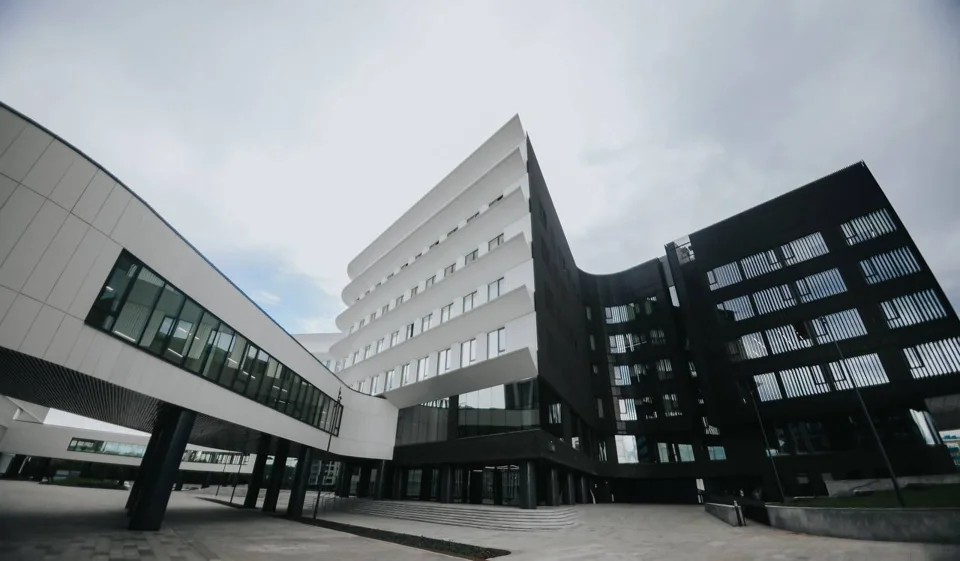
Residential accommodation
The university's residence information describes accommodation at Sovetskaya Street 212 and Telman Street 53. The newer campus residence began housing students in 2021. Its rooms are arranged in blocks, with study space, storage, kitchens and washing facilities. The older residence is also organised into residential blocks and provides shared kitchens, laundry facilities and rooms for studying. Accommodation allocation follows published arrangements that distinguish categories of students, degree levels and available places. A residence committee deals with everyday matters and helps organise leisure, sporting and educational activities. It works with the student office, social and youth policy staff, the student union and psychological services, connecting residential life with the university's wider support structure.
Sources: Student accommodation ↗
Student representation
The student trade union was founded in 1996 and joined the interregional Tatneft trade union organisation in 2001. Its published responsibilities include helping students understand their rights and resolve concerns involving scholarships, residence arrangements, education and extracurricular activity. The committee organises its work across cultural, social and economic, educational, and information functions. Participation can involve organising events, working in teams, conducting surveys, communicating information and developing public speaking skills. The union also describes opportunities to learn about legal resources and student representation. Its role combines practical advice about university life with organised activity through which students contribute to the community and develop experience of working collectively.
Sources: Student trade union ↗
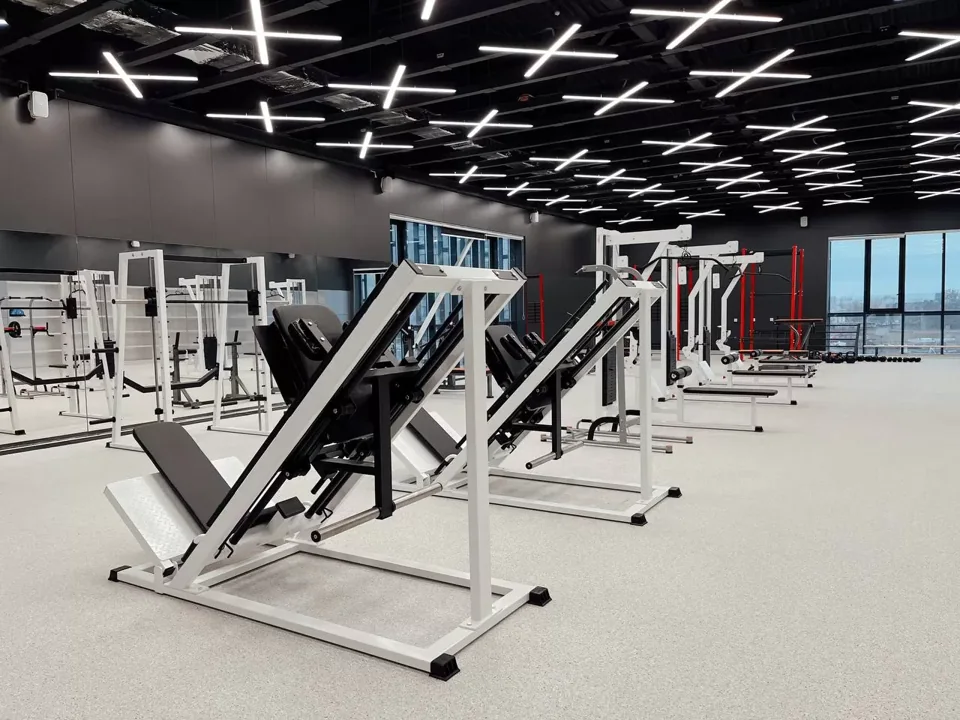
Introducing prospective students to campus
The university offers campus excursions for school pupils, prospective students and their families, current students and representatives of organisations. Its published tour programme introduces classrooms with interactive equipment, student accommodation and the multifunctional sports centre. Tours for prospective students address bachelor's admission, the educational process and student life, while visits for employees of organisations also cover continuing professional education. The university lists an approximate duration of one to one and a half hours. These visits provide a structured introduction to the facilities rather than only an overview of course information. They also create an opportunity for visitors to ask questions about study and to see how academic, residential and recreational spaces fit together.
Sources: Campus excursions ↗
The student office
The student office is a point of contact for routine academic and administrative questions. Its official information gives examples such as obtaining a certificate, replacing a student card and asking about an extension to an examination session. Staff can direct students to other departments when a question falls outside the office's responsibilities. The office also offers a route to consultations about outstanding academic work or personal concerns. Published resources include information for international students and regulations concerning their stay at the university. A staff directory identifies the office's academic and administrative personnel. This service connects everyday documentation and enquiries with the university offices responsible for more specialised assistance.
Sources: Student office ↗