Visa
About Almaty Technological University
From an industrial branch to a university
Almaty Technological University is based in Almaty, Kazakhstan, with its main address on Tole Bi Street. Its institutional history begins in 1957, when an existing branch concerned with the development of managers and engineers was reorganized as the Alma-Ata branch of the All-Union Correspondence Institute of Food Industry. In 1966, the branch became part of the Dzhambul Technological Institute of Light and Food Industry.
A further reorganization in May 1996 created Almaty Technological Institute. University status followed in August 1999, when the institution became Almaty Technological University. Its joint-stock company structure was subsequently re-registered in 2003. These stages explain the continuing prominence of food processing, textiles, and light industry within a university that now also includes biotechnology, information technology, business, and hospitality-related education.
Sources: History of University ↗ · About University ↗
Food technology and processing
The Faculty of Food Technology combines academic teaching with research through its departments and associated laboratories. Its current departmental listing includes technology of bread products and processing industries, food technology, and food safety and quality. These areas connect the study of raw materials and production processes with the characteristics of finished food products.
The faculty's educational description covers grain processing and storage, bakery and pasta production, dairy and meat products, catering, fish products, and other food-processing fields. It also identifies standardization, certification, and metrology within the study of food quality. Professional practice is presented as an important part of specialist education. Faculty activity includes research and international cooperation as well as teaching, linking classroom study to the scientific and industrial questions that arise across food production.
Sources: Faculty of Food Technology ↗
Biotechnology and chemical technologies
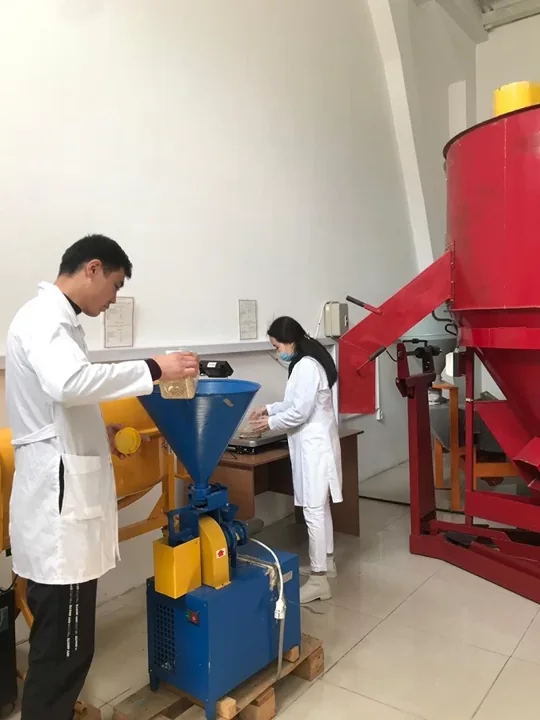
The Faculty of Biotechnology and Chemical Technologies provides a separate academic setting for biological, chemical, and environmental subjects. It offers study at bachelor's, master's, and doctoral levels and emphasizes the relationship between scientific knowledge and technological processes. Its published account connects teaching with laboratory and industrial environments as well as research.
Listed undergraduate programs include biotechnology, chemical technology of organic substances, ecology, pharmaceutical production technology, and technology of perfumery and cosmetic products. The faculty's departments cover chemistry and ecology, applied biotechnology, and chemical and pharmaceutical production technology. This organization brings several related scientific areas into one faculty while preserving their distinct educational subjects. Its teaching staff includes university academics and industry practitioners, with student support and the transfer of fundamental and applied knowledge identified as parts of their work.
Sources: Faculty of Biotechnology and Chemical Technologies ↗
Design, textiles, and clothing
The Faculty of Design, Textile and Clothing Technologies traces its formation as a light industry and design faculty to 1998. It adopted its present faculty name in 2021. Its programs concern the design and manufacture of clothing, the development of textile materials, and the equipment and processes used in light industry.
The published program listing includes technology and design of light industry products, textile materials, design, light-industry machinery, fashion design, textile nanotechnology, and fashion technology. Departments include design, textile production technology, and technology and design of products and goods. The faculty describes work involving sketches, drawings, textile and clothing materials, production processes, and assessment of product quality. Practical education and creative activity therefore sit alongside the technical study of materials and manufacturing within this part of the university.
Sources: Faculty of Design, Textile and Clothing Technologies ↗
Information technology and digital projects
The Faculty of Information Technology focuses on computing and digital systems. Its current educational program list includes information systems, computer engineering and software, software engineering, artificial intelligence technologies, and Data Science. These subjects bring software development and data-focused study into the university's wider technological profile.
The faculty describes its teaching approach in terms of practical IT tasks, team development, and digital projects. Students are encouraged to connect theoretical knowledge with the creation of working solutions, while communication, project management, and collaboration are also identified as relevant skills. Its current departmental listing includes Information Systems, Computer Engineering, and Social and Humanitarian Disciplines. The faculty's account therefore combines specialist computing education with broader study and teamwork, reflecting the range of technical and interpersonal tasks involved in developing digital systems.
Sources: Faculty of Information Technology ↗
Student communities beyond classes
The university's student life page describes a range of academic, creative, and recreational groups. The Gamedev Club brings together people interested in programming, game design, animation, and collaborative development. A Student Scientific Club focuses on research methods, papers, projects, and participation in conferences. These provide ways to explore interests alongside formal academic programs.
Creative opportunities include cinema discussions, a podcast studio, photography, vocal performance, instrumental music, and an interdisciplinary creative hub. The Eco-Fashion club connects design with environmental interests through the reuse and upcycling of clothing and materials. Other groups concern mountain tourism, dance, improvisation, and national history and culture. Their published descriptions emphasize activities and shared interests, illustrating the different kinds of student participation available across the university's technological and creative fields.
Sources: Student life ↗
Research into food materials and processes
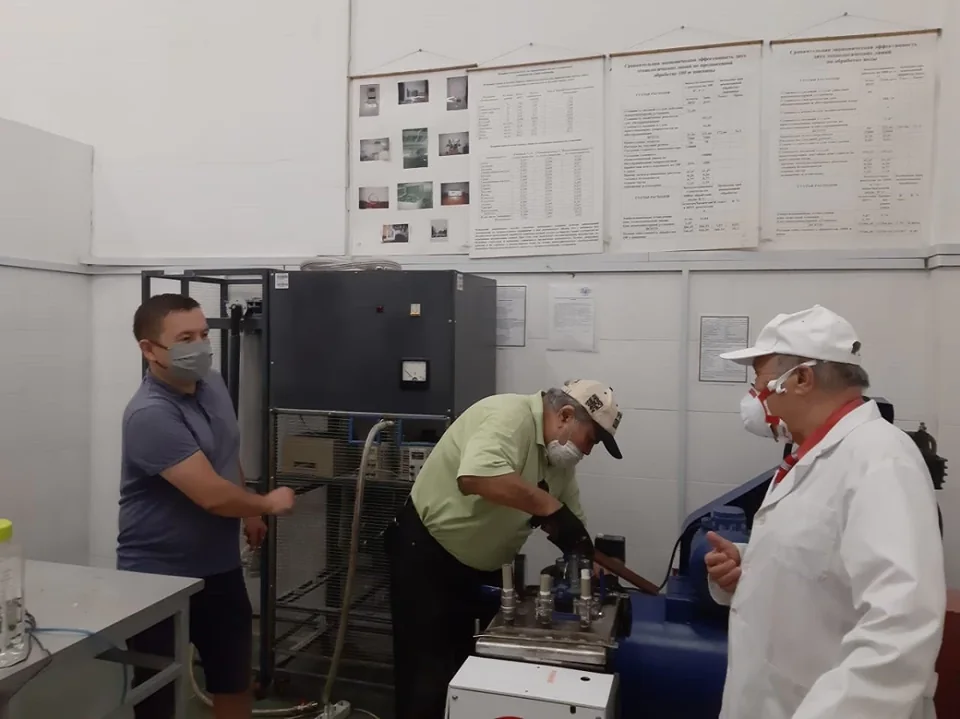
The Research Institute of Food Technologies includes work on the rheological properties of food products: how materials flow, deform, and develop texture. Its research description covers bakery products and plant-based ingredients, including the behavior of dough and flour. Laboratory studies examine consistency, elasticity, viscosity, and related material characteristics.
A further laboratory studies technologies for food and processing industries, including the processing and storage of grain and the use of secondary raw materials. The institute publishes information about its research equipment and projects, alongside a gallery of laboratory activity. This provides a specific example of the university's applied research: investigating the properties of materials and the technologies used in food production, with laboratory analysis supporting the development and assessment of processes.
Sources: Research Institute of Food Technologies ↗