Visa

About All India Jat Heroes' Memorial College
A broad-based college in Rohtak
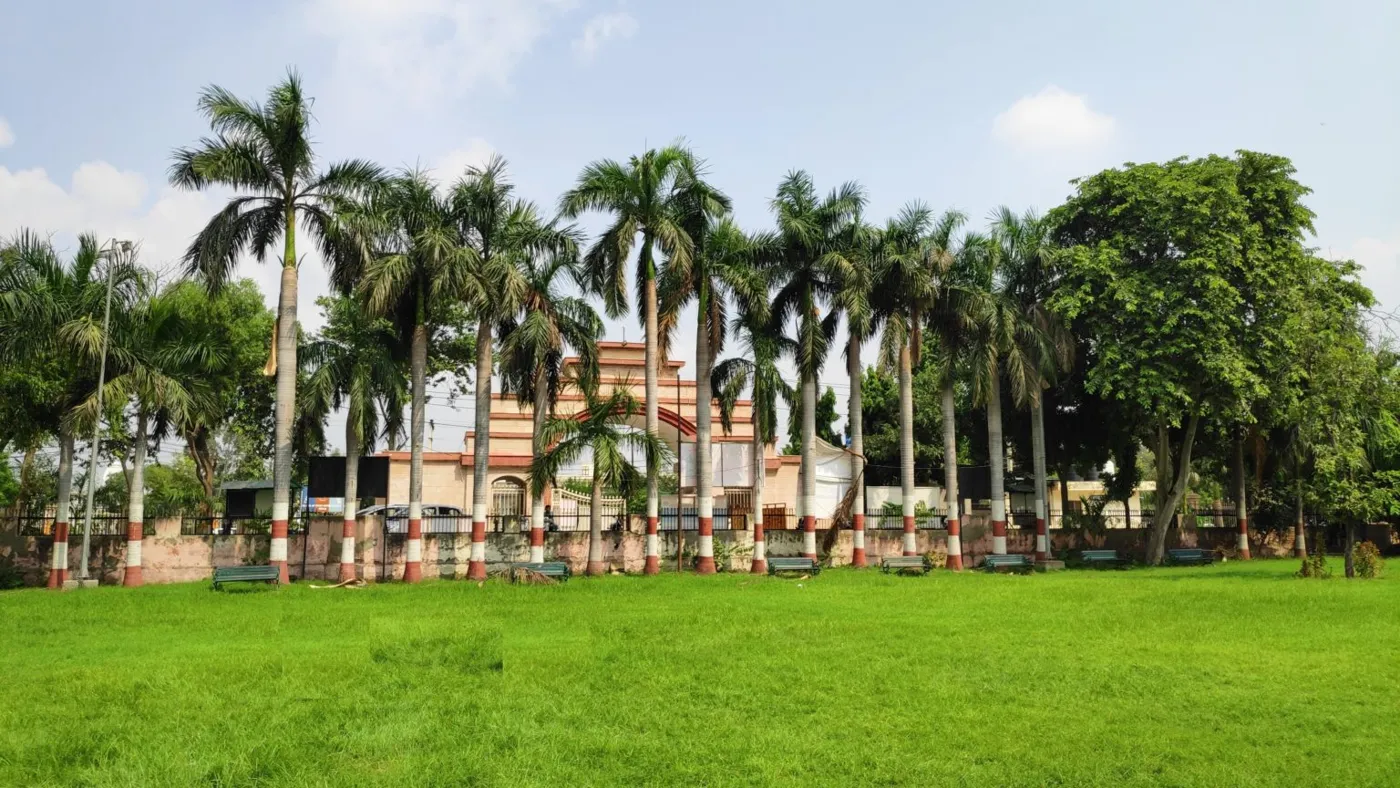
All India Jat Heroes' Memorial College, commonly known as Jat College, is a higher education institution in Rohtak, Haryana. It is affiliated with Maharshi Dayanand University and occupies a campus on the Delhi–Rohtak Road near that university. Its institutional account places educational opportunity for rural communities and students from different social backgrounds among its central commitments. Teaching spans humanities, science and commerce, alongside professional and postgraduate study. The college's published academic profile includes computer applications, business administration and subject combinations involving computing and electronics. Its approach brings classroom teaching together with laboratory work, seminars, guest lectures and field visits.
Sources: About the college ↗
Teaching spaces and campus facilities
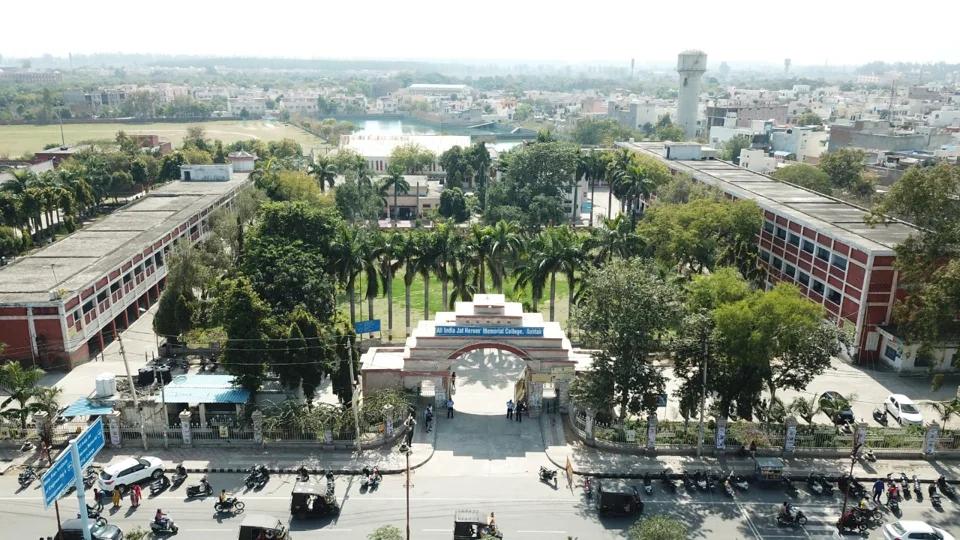
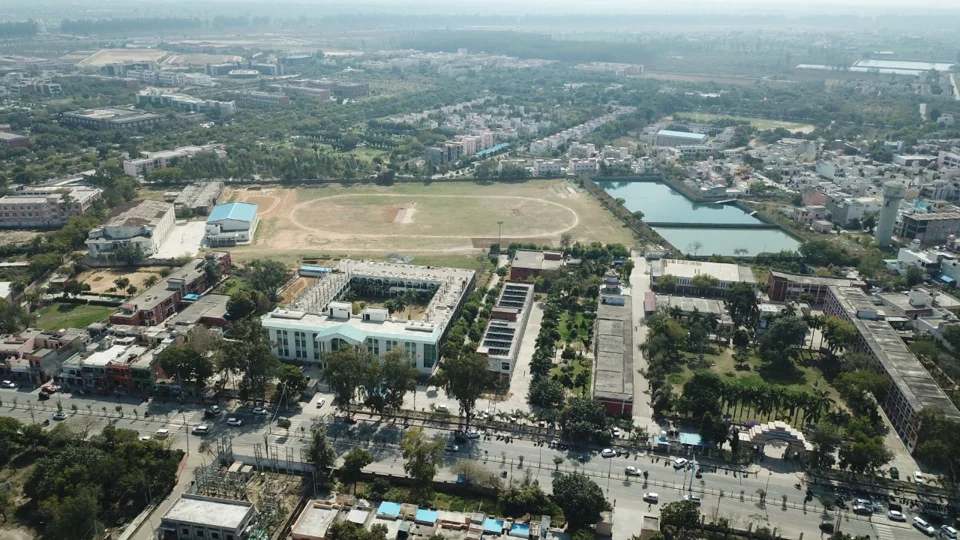
The campus infrastructure description identifies separate blocks for arts, science, commerce and computer science. Subject-specific facilities include chemistry, physics, botany, zoology, geography, commerce and mass-media laboratories. The English language laboratory supports activities such as voice recording, playback and individual interaction. A botanical garden provides material for learning about plants, while the zoology department's animal museum contains preserved specimens. Teaching spaces are complemented by a seminar hall, conference facilities and an auditorium for academic and cultural events. Sports provision includes outdoor grounds, an indoor stadium and a gymnasium. The college also describes offices for student and academic functions including NCC, NSS, the Women Cell and research promotion.
Sources: Campus infrastructure ↗
Library and information services
The Lieutenant Rakesh Sharma Memorial Library occupies a two-storey building and provides separate reading areas for faculty, postgraduate students and undergraduates. Its services extend from issuing books to reference assistance, a book bank, interlibrary loans and documentation support. The library describes an automated catalogue through which readers can locate material. Electronic-resource provision includes journal access, searching across databases and links with information-sharing networks such as INFLIBNET and DELNET. Newspaper clippings, current-awareness services and printing facilities support other forms of academic enquiry. Published borrowing rules distinguish undergraduate and postgraduate entitlements and reserve reference works for use within the library. Readers use their identity cards and library tickets when borrowing books.
Botany and the study of plants
Botany is part of the college's science teaching at undergraduate and postgraduate levels. The department records the introduction of its master's programme in 2017. Its teaching areas include plant biotechnology, taxonomy, ecology, physiology, biochemistry and genetics. These subjects bring together classification and the study of plant processes with relationships between plants and their environments. The department's stated aims emphasise exploration, conservation and sustainable use of the plant world. It also connects its academic interests with microbial sciences and biotechnology. Its departmental account places practical knowledge of flora alongside formal study, giving the subject a role within the college's wider laboratory-based science provision.
Sources: Department of Botany ↗
Computing, programming and projects
The Computer Science Department began in 1998 with BCA and BIT courses; its history notes that BIT was discontinued after one session. Postgraduate computer-science and diploma courses were introduced in 2001. The departmental account describes teaching in computer architecture, algorithms, programming, computer graphics, networking, databases, software engineering and testing. Practical assignments and projects in computer laboratories accompany theoretical study. The department's aims include problem solving, teamwork, ethical responsibility and exposure to changing technologies. Its published course description encompasses undergraduate computer applications and computing-related science study alongside postgraduate work. Research-oriented projects and interaction with industry are presented as parts of its educational approach, with entrepreneurship among the skills it seeks to encourage.
Sources: Department of Computer Science ↗
Journalism and media education
Established in 2009, the Journalism and Mass Communication Department describes teaching at bachelor's and master's levels. Its fields include print journalism, television and radio production, advertising, public relations, film studies, digital media and photography. The departmental mission connects teaching with research, creative work and service through communication and mass media. It also identifies student mentoring, contact with professionals and participation in conferences and competitions among its priorities. The emphasis on communication and critical thinking is accompanied by an expressed concern for values and social responsibility. The department presents its relationship with the surrounding region as extending beyond students to professional organisations and the wider community.
Sources: Journalism and Mass Communication ↗
Youth Red Cross participation
The college's Youth Red Cross unit dates its beginning to 2014. Its published account describes recruiting and training student volunteers for service activities. Awareness rallies, workshops, camps, seminars and lectures form part of its work. Topics include road safety, cleanliness, disaster management and rescue, as well as campaigns concerning substance abuse, dowry and other social issues. The account also records blood-donation and health-awareness activities on campus and in rural communities. Recognition described on the page includes awards for particular sessions between 2015 and 2019. These activities give a concrete form to the college's stated interest in community-minded education through organised participation outside the classroom.
Sources: Youth Red Cross ↗
Residential arrangements
The Seth Chajju Ram Boys Hostel publishes a framework for residential life covering admission, room allocation and mess arrangements. Admission is organised for an academic session, with a fresh application required for a subsequent session. The rules require residents to maintain their rooms and prohibit transferring them to others. A distinctive environmental requirement asks each resident to plant a tree on the hostel campus and look after it. The published arrangements also provide for written complaints through mess representatives and require residents to notify the hostel before absences so that food is not wasted.
Sources: Seth Chajju Ram Boys Hostel ↗