Visa


About Aljafara University
A public university in the Jafara region
Aljafara University is a government, nonprofit university based at Al Zahra in Libya's Jafara region. Its institutional history dates its establishment to Decision 120 of 2015, which gave the university a separate legal identity and financial responsibility. A further decision approved its organisational structure in 2016, followed by decisions in 2017 concerning its establishment and constituent faculties. The university's history describes a geographically dispersed institution serving several communities across the Jafara plain. Its stated mission combines teaching, scientific research and the preparation of specialists with service to society and the environment. Cooperation with other universities and research organisations, support for innovation, and the preservation of Libya's cultural heritage appear among its institutional objectives. These are presented as aims guiding its educational work.
Sources: University history and mission ↗
Science and natural resources
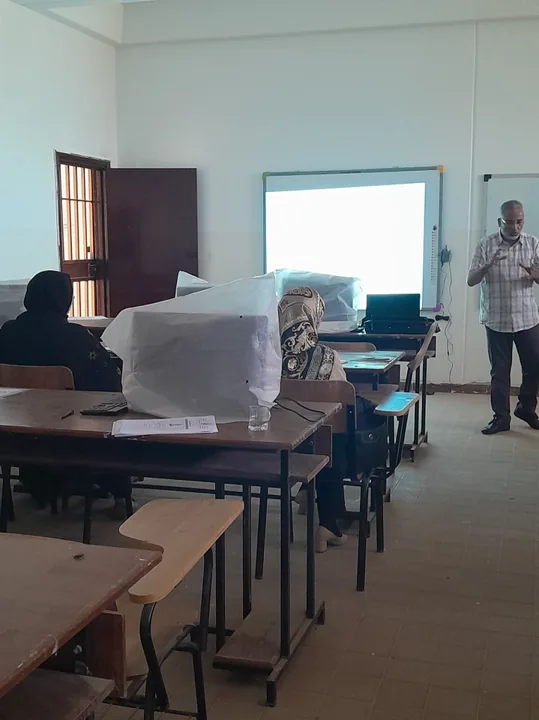
The Faculty of Science and Natural Resources is located at Al Mamoura. Its profile connects its establishment with Decision 43 of 2017 and distinguishes the seven departments envisaged in that decision from the three departments described as operating on the faculty page: computer science, mathematics and zoology. Its mission concerns the dissemination of knowledge and the development of scientific and technical research. Faculty reports also document work on curriculum descriptions, academic quality and institutional planning. A lecture held on 23 April 2024 considered a proposed digital repository for the university, including the movement from paper records to digital information and a timetable for implementation. The report describes a proposal presented for discussion. Other workshops addressed the preparation of course specifications and the responsibilities of quality coordinators.
Sources: Faculty of Science and Natural Resources ↗
Computer science and curriculum organisation
The Computer Science Department describes a bachelor's programme built from several types of study. Its published outline separates compulsory subject courses, electives, supporting courses and general courses, rather than treating the qualification as a single block of computing instruction. The page links a scientific programme and course descriptions associated with the 2021–2022 academic year. Those documents provide a dated account of the department's curriculum. Its stated educational approach emphasises modern teaching methods and active learning in computing. The department sits within the Faculty of Science and Natural Resources, connecting the specialist programme with the faculty's wider scientific teaching.
Sources: Computer Science Department ↗
Zoology teaching
The Zoology Department records that its programme began operating in the 2017–2018 academic year. Its published study structure comprises four academic years divided into eight semesters, leading to a bachelor's degree after the required courses have been completed. Compulsory zoology courses are accompanied by electives, supporting subjects and general courses. The page also supplies programme information and course descriptions labelled for the 2022–2023 academic year. This account documents both the programme's starting point and the organisation of its teaching, while placing animal science among the university's established natural-science subjects.
Sources: Zoology Department ↗
Mathematics within the science faculty
Mathematics teaching is traced to the 2015–2016 academic year in the department's own account. The programme uses autumn and spring semesters and leads to a bachelor's degree in mathematics after completion of its prescribed curriculum. Its published outline identifies compulsory mathematics courses alongside a smaller selection of electives, supporting subjects and general study. A programme description dated 2022 and course specifications for 2022–2023 accompany the departmental explanation. The department states that it seeks to develop its teaching through academic exchange and reference to wider educational standards. These published materials describe the organisation and educational intentions of mathematics study within the faculty.
Sources: Mathematics Department ↗
Development of health-sciences education
The Faculty of Health Sciences at Al Zahra developed from the Faculty of Medical Technology, which opened medical laboratory and anaesthesia and intensive-care departments in 2017. Its account records a 2025 ministerial decision combining medical technology and biotechnology under the health-sciences name. It identifies medical imaging, medical biotechnology and therapeutic nutrition among the programmes subsequently activated, while separating proposed future departments from those already described. The faculty outlines four years of study: an initial preparatory year followed by three years of specialist education. Teaching combines theoretical subjects with practical work. Its laboratory programme addresses microbiology and medical analysis, while nutrition teaching includes food science, food-service management and research methods. The faculty also identifies continuing education, scientific meetings and community health education among its objectives.
Sources: Faculty of Health Sciences ↗
Teacher education and student research
The Faculty of Education at Al Zahra presents teacher preparation as its central role. Its objectives address secondary education, kindergarten teaching and education involving learners with additional needs. Developing school curricula, encouraging educational research and maintaining connections with civil society form further parts of its mission. The dean's introduction describes student projects and staff research alongside seminars, workshops and other academic activities. Published reports from the 2022–2023 academic year document the discussion of graduation projects in Arabic language, psychology and sociology. These examples show student research being examined through departmental discussion and assessment. They also connect the faculty's broader educational aims with specific work undertaken during an identified academic year.
Sources: Faculty of Education at Al Zahra ↗
Agriculture, research and community training
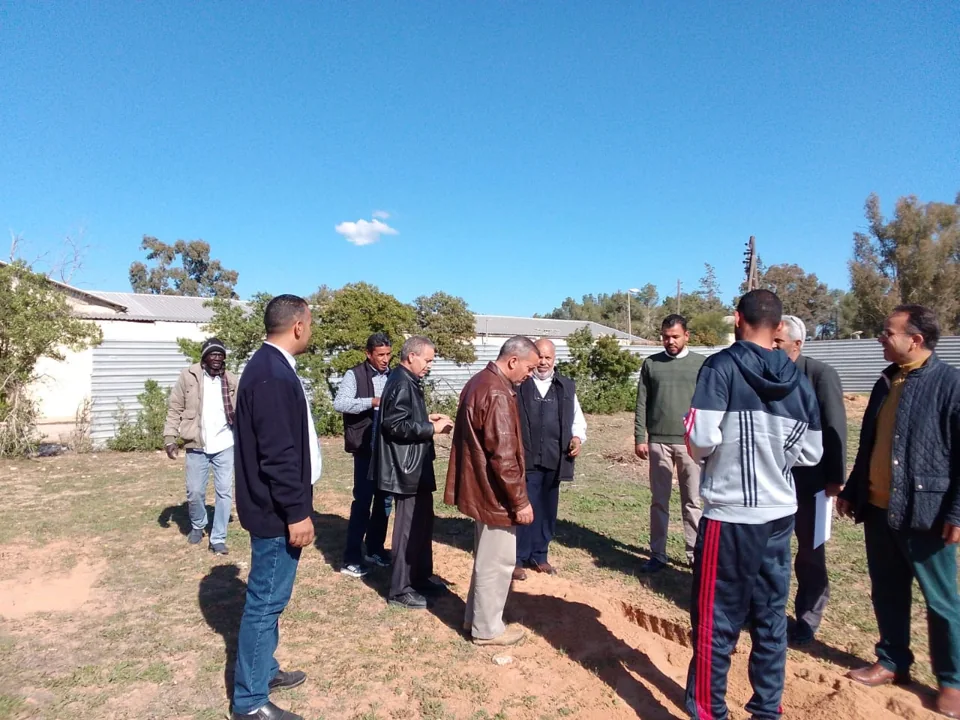
The Faculty of Agriculture and Veterinary Medicine links its educational mission with agricultural production, scientific research and environmental service. Its agricultural economics description includes production costs, marketing, finance, rural development and agricultural cooperatives. Soil and water study addresses soil formation, fertility, plant nutrition, crop requirements and the environmental effects of fertilisers. Reports document the opening of a faculty research station during a scientific open day on 24 January 2023, followed by olive planting at the station. Training reported in February 2023 combined theoretical sessions and field activity in pruning, fertiliser and pesticide use, and introductory beekeeping. A later workshop addressed writing a research proposal. Together, these dated activities illustrate connections between agricultural teaching, a practical research setting and training involving the surrounding community.
Sources: Faculty of Agriculture and Veterinary Medicine ↗