Visa
About Alasmarya Islamic University
A university in Zliten
Alasmarya Islamic University is based in Zliten, Libya, with its general administration on Environment Street. Its Arabic name is Al-Jami‘a al-Asmariya al-Islamiya. The university’s establishment account connects its identity with the teaching tradition of Sheikh Abdussalam al-Asmar’s zawiya in the city. The modern university was created through Decree 257 as an institution concerned with Islamic learning and the preservation of Islamic heritage within higher education. A subsequent decision, numbered 444 and dated 7 August 2013, changed its name from Alasmarya University for Islamic Sciences to Alasmarya Islamic University. That decision also transferred Zliten’s scientific faculties from Elmergib University and allowed further faculties to be established according to need.
Sources: University establishment ↗
An attributed educational heritage
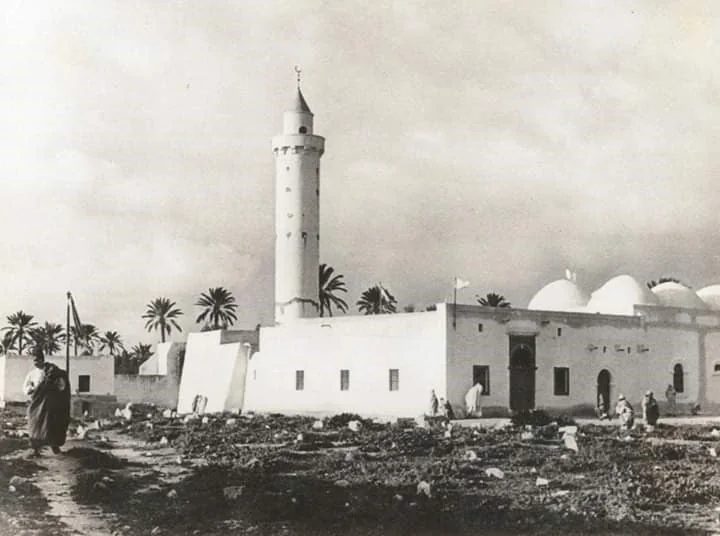
The university’s historical account traces the Asmariya zawiya to 1506 and describes its early work in Qur’anic memorisation, Islamic disciplines and Arabic language teaching. It explains that charitable endowments supported the institution and its facilities. During the twentieth century, teaching developed from study circles and individually certified learning into a more structured religious institute with successive educational stages. The account also describes links with scholars educated at Al-Azhar and Al-Zaytuna. This is the heritage claimed by the university, rather than a founding date for the modern legal institution. Its historical photographs and documents preserve evidence of the earlier zawiya, teaching arrangements and certificates.
Sources: Historical development ↗
A broader academic mission
The university’s vision brings Islamic, humanistic and applied sciences together within higher education and research. It identifies social peace and sustainable national development as purposes of that work. Its mission similarly combines preparing graduates for contemporary needs with service to society through teaching and scientific enquiry. The institution presents continuity with its heritage and engagement with modern knowledge as complementary elements of its identity. These stated aims explain the relationship between its religious origins and its wider academic remit. They are institutional objectives, describing the direction of the university’s educational work rather than a measured claim about every student’s eventual career.
Sources: Vision and mission ↗
Research and scholarly publication
The Research and Scientific Studies Centre was established by a university presidential decision in 2012. Its introductory description gives it a remit across humanistic and applied disciplines, including research, studies and scientific consultation, under the university president’s direct supervision. Scholarly publishing provides another route for communicating academic work. The university’s journal directory covers Islamic law, fundamental religious studies, Arabic expression, basic and applied sciences, education, humanities, economics and politics, and marine sciences and environmental technologies. The variety of subjects reflects a university whose publishing activity extends beyond a single religious field. The directory also includes a medical journal, placing health-related scholarship within the broader publication portfolio.
Sources: Research and scientific studies centre ↗ · Scientific journals ↗
Student participation outside lectures
The Student Activities administration describes extracurricular participation as a companion to formal education. Its remit includes cultural, intellectual, social and sporting activity, with an emphasis on developing students’ abilities and strengthening relationships between students and teachers. Listed responsibilities include planning activities, helping organise art exhibitions, arranging literary and cultural competitions, supporting gatherings and forming sports teams. The stated aims include leadership, public service, moral development and national awareness. Its responsibilities also include publishing and distributing distinguished student work and supporting artistic performances during university events. Such activities offer different settings for students to work together and contribute to university life. The department’s account treats participation as part of students’ intellectual, social and spiritual development, rather than simply entertainment separate from education.
Sources: Student activities ↗
Literature as a practical learning activity
A university report from December 2025 describes an English short-story exhibition organised by fifth-semester students in the Faculty of Humanities. It accompanied a short-story course and focused on applying literary theory through analysis of narrative construction, characters and language. Students presented stories studied in their coursework, discussed their literary and human values, and introduced relevant writers and works. The account identifies lecturer Mona Mohamed Salem as the course and activity supervisor. The exhibition is a concrete example of course subject matter being communicated through a public academic activity, combining reading and criticism with presentation, communication and collaborative work.
Maritime education partnerships
The university also reports participation through its Marine Resources Faculty in TWINMED, an Erasmus+ capacity-building project concerned with digital and green transitions in maritime education and training. Its published account describes work on joining the consortium beginning in 2024, followed by a proposal and funding announcement in 2025. The partnership includes institutions in Europe and the southern Mediterranean. Planned activity includes identifying educational and professional needs, updating maritime curricula, developing teaching capacity and supporting specialised training using virtual and augmented reality. The report documents a project launch meeting at the faculty. Its descriptions of future laboratories and teaching development are project objectives, distinct from evidence that every proposed facility has already been completed.
Sources: TWINMED maritime education project ↗

An example of faculty community life
A December 2025 report from the Faculty of Economics and Commerce describes an open day combining academic introductions with theatre, interactive games and cultural competitions. Presentations introduced academic departments and their aims, while students, teachers and visitors met in the faculty courtyard. The event illustrates the faculty’s use of community-facing activity to bring academic information and student participation into the same setting.