Visa

About Alanya Alaaddin Keykubat University
A public university in Alanya
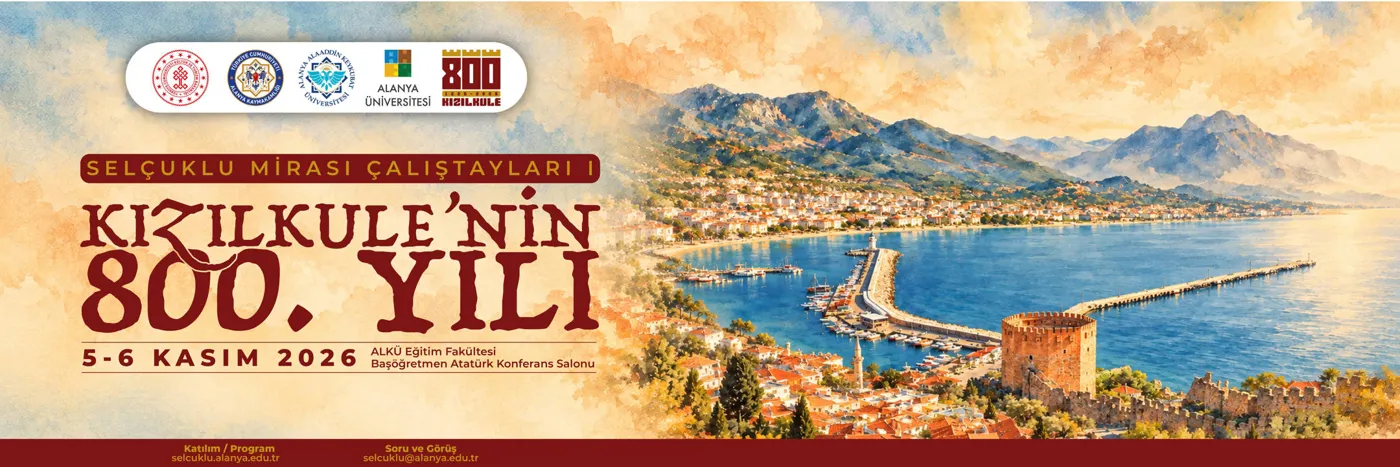
Alanya Alaaddin Keykubat University, commonly abbreviated ALKÜ, is a public university in Alanya, in Türkiye’s Antalya province. Its institutional address is in Kestel, linking its identity to the Mediterranean coastal district rather than to Antalya city centre. Its academic organisation brings together faculties, vocational schools, a foreign languages school and a graduate education institute. The university’s published introduction describes teaching supported by classrooms, laboratories, workshops and practical learning spaces. Its subject range extends across education, engineering, medicine, dentistry, health sciences, sport, tourism, social sciences, art, design and architecture, and aviation and space sciences. This breadth places professional and applied disciplines alongside scientific and social study within the same university.
Sources: University introduction ↗
Establishment and inherited academic units
The university’s legal foundation dates to 23 April 2015, when Law 6640 was published in the Official Gazette. Parliament had adopted the legislation on 31 March that year. The establishment provision added Article 161 to the legislation governing higher education institutions. ALKÜ’s initial organisation incorporated academic units previously attached to Akdeniz University, including education, business, engineering and medicine faculties. The transferred vocational schools included Akseki, the Alanya Chamber of Commerce and Industry school, and Gazipaşa Mustafa Rahmi Büyükballı Vocational School. Newly established institutes in social, health and natural sciences completed the original structure. This history explains why several constituent units have educational roots older than ALKÜ itself.
Sources: University establishment ↗
Regional purpose and engineering
ALKÜ’s mission connects education, research, publication and cultural activity with the needs of its city, region and country. Its vision identifies tourism, health, agriculture and services as areas where knowledge and new products can contribute to socioeconomic development. These are stated institutional priorities rather than measures of an individual graduate’s results. Engineering provides a concrete example of its inherited academic infrastructure. Rafet Kayış Faculty of Engineering was established under Akdeniz University on 1 July 2010, before becoming part of ALKÜ through the 2015 legislation. Its history locates the faculty at Kestel and describes a building containing classrooms, lecture theatres and laboratories. The faculty therefore predates the university while forming part of its present academic organisation.
Sources: Mission and vision ↗ · Engineering faculty history ↗
A reorganised graduate structure
Graduate education has also changed since the founding legislation. A presidential decision published on 25 December 2019 closed the university’s separate social sciences, health sciences and natural sciences institutes and established the Graduate Education Institute in their place. This consolidation brought the former institute structure into a single graduate body. The institute’s official site provides separate guidance for thesis master’s study, non-thesis master’s study and doctoral processes, together with research ethics procedures and thesis submission information. Its administrative contact is in the rectorate building at Kestel. The distinction between the original three institutes and the later consolidated institute is important when reading older university records.
Sources: Graduate institute history ↗
Library spaces and scholarly resources
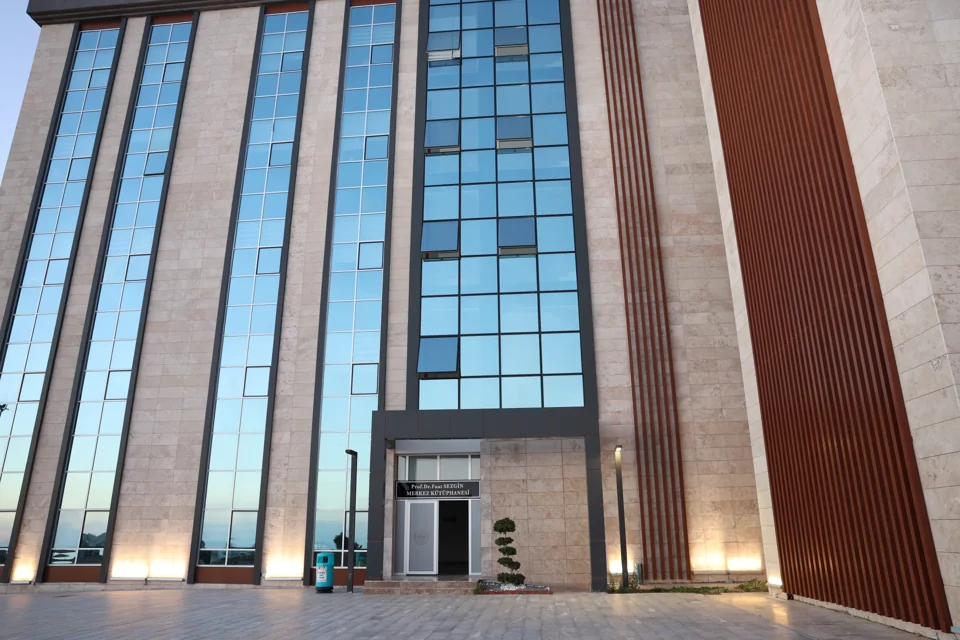
The Prof. Dr. Fuat Sezgin Central Library traces its origins to a unit library established in the 2005–2006 academic year in Akdeniz University’s Kestel business faculty building. It subsequently operated in the engineering faculty before moving to its new rectorate-building space on 5 February 2024. Library provision also reaches the Gazipaşa and Akseki vocational schools. The central service combines printed collections with electronic journals, books and databases, an online catalogue and authenticated access from outside campus. It also maintains the university’s institutional archive, preserving scholarly articles, theses, reports and other academic outputs. Its described spaces include a main reading area, a reference and thesis room, a computer laboratory and an accessible library unit. Self-service borrowing and return equipment complements staffed lending and enquiry desks.
Sources: Central library ↗
Gastronomy as applied study
The Tourism Faculty’s Gastronomy and Culinary Arts department presents food and beverage education as a combination of practical work and broader professional knowledge. Its courses are described as substantially practice oriented, while its educational aims also include creativity, communication, design, entrepreneurship and leadership. Language study combines English with German or Russian. The department describes seminars and meetings that bring students into contact with industry specialists, as well as relationships with hospitality organisations. These activities place culinary preparation within a wider context of service, business and cultural exchange. The programme is consequently described through both kitchen-related abilities and the communication and organisational skills relevant to hospitality.
Sources: Gastronomy and culinary arts ↗
Learning beyond the classroom
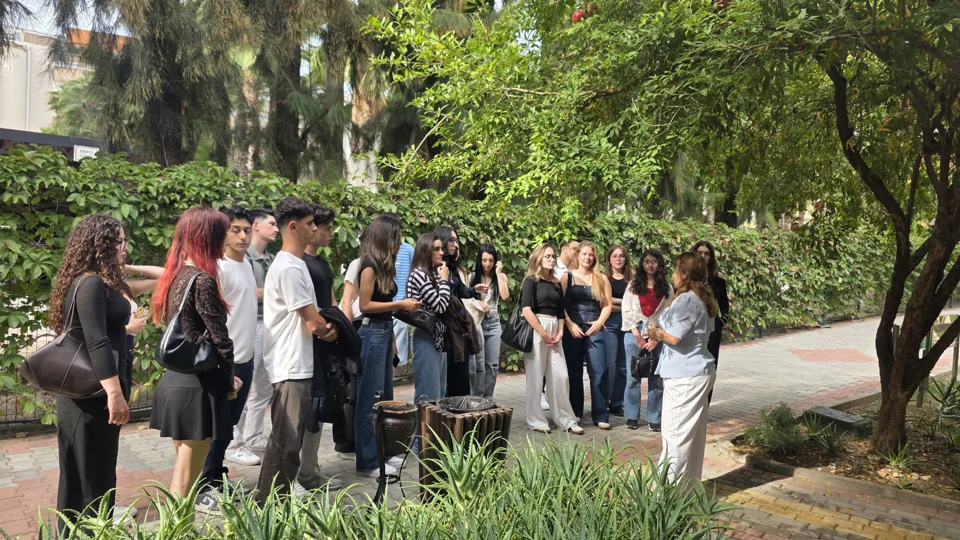
A documented example of field-based learning took place on 26 October 2026, when Tourism Management and Gastronomy and Culinary Arts students visited Quattro Family Dem Hotel in Alanya. The faculty’s account describes introductions to hotel departments, management processes, food and beverage services, kitchen organisation and guest satisfaction. Students asked questions and met sector representatives during the visit. The event illustrates how the faculty supplements theoretical teaching with observation of a working hospitality organisation, at an external venue rather than on the university campus.
Sources: Tourism technical visit, October 2026 ↗
Cultural participation
The university’s Health, Culture and Sports Department also coordinates cultural opportunities outside formal courses. Its cultural services remit includes helping students explore interests, participate in arts-related activity and make use of leisure time. The published activity categories include spring festivals, graduation ceremonies, career and employment days, excursions, fairs, artistic events, courses and talks. These organised activities add a communal dimension to academic life and provide settings for participation across subjects.
Sources: Cultural services ↗