Visa
About Akdeniz University
Akdeniz University in Antalya
Akdeniz University is a higher-education institution based in Antalya, Türkiye. It was established in 1982, bringing together higher-education institutions in the western Mediterranean region. Its earlier academic roots include Antalya’s medical faculty, established under Ankara University in 1973.
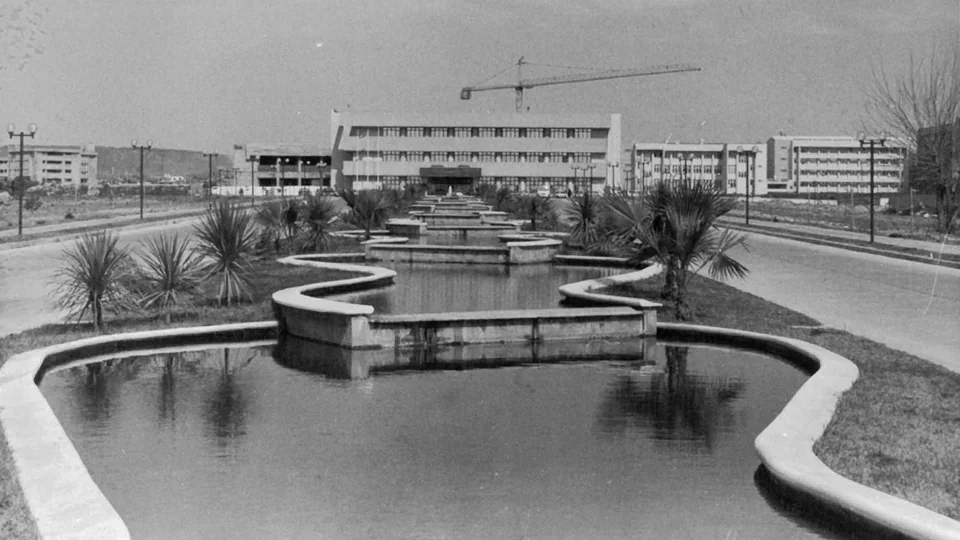
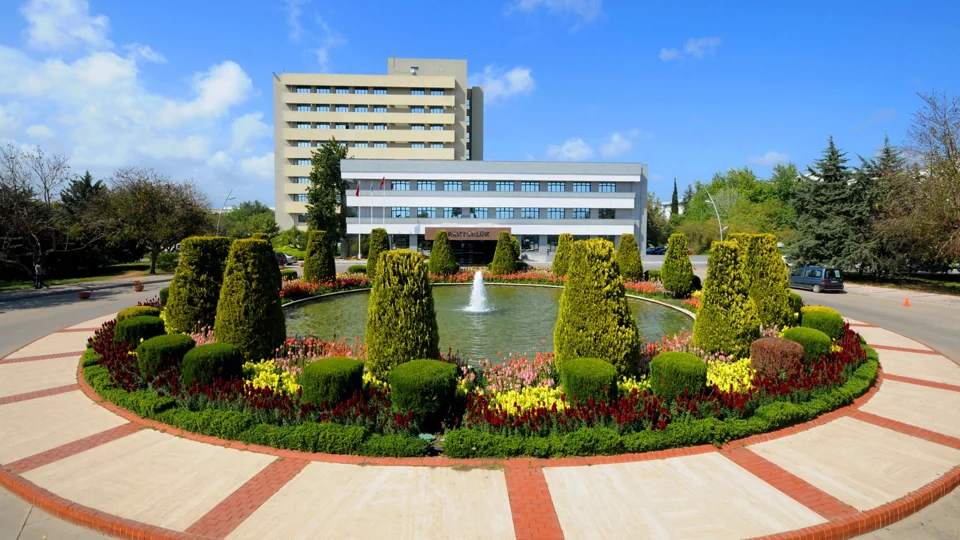
The university’s development also helped shape other institutions in the region. Its Isparta units transferred to Süleyman Demirel University in 1992, Burdur units to Mehmet Akif Ersoy University in 2006, and Alanya units to Alanya Alaaddin Keykubat University in 2015. These transfers explain why the university’s historical geographical reach differs from its present organisation. The official history illustrates its development through archival campus images and later views of its landscaped rectorate. Its main Antalya campus is identified with the area between Dumlupınar Boulevard and Uncalı, linking the university closely with the city’s development as an educational centre.
Sources: University history ↗
Research, education and public contribution
Akdeniz’s mission brings research, entrepreneurship, education and social contribution into a common institutional framework. It calls for research with international visibility, collaboration with industry and education that encourages students to become inquisitive, innovative and creative individuals.
The mission also places sustainable projects and service to society alongside academic work. International collaborative projects, publications and bilateral agreements are identified as ways of developing academic connections. Its vision describes a research-oriented institution that contributes to science and technology while educating people who are creative, attentive to ethical principles and committed to lifelong learning. These are the university’s stated ambitions, providing context for its academic and community activities and for its emphasis on connecting knowledge with wider social needs.
Sources: Institutional mission and vision ↗
Everyday campus life
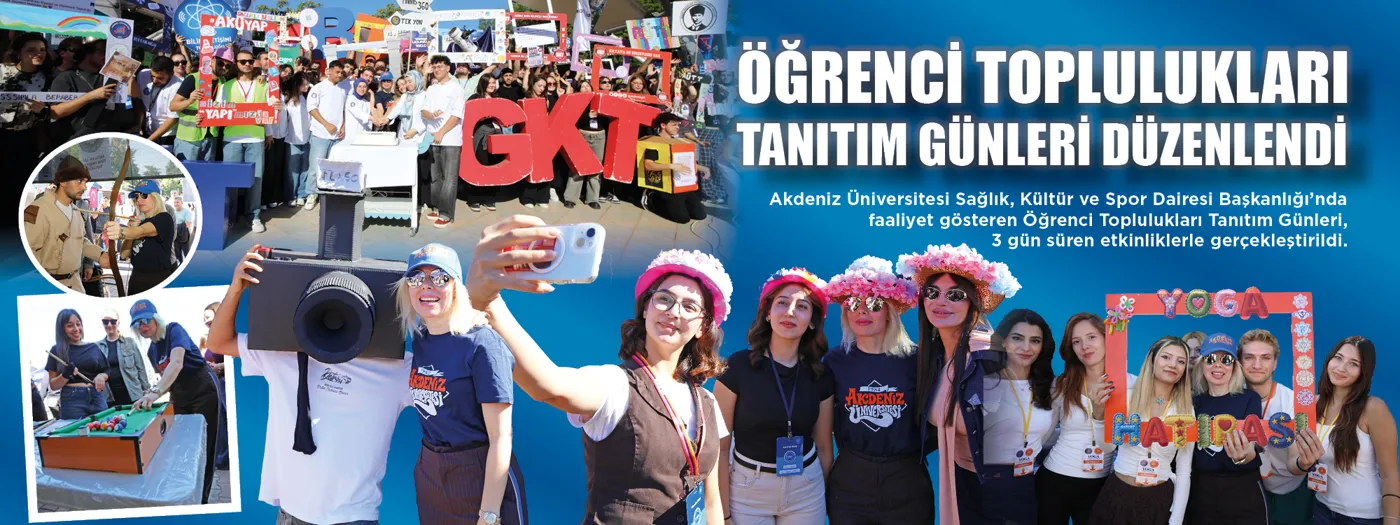
The main campus includes several social and cultural centres. Yakut brings dining and everyday services together, while Olbia Cultural Centre combines shops and cafés with an amphitheatre, cultural halls, an art gallery and workshops. Ceypark provides another concentration of restaurants, cafés and practical services.
Student activities extend beyond these shared spaces. The university’s cultural-services unit coordinates social and cultural events, while student communities offer ways to develop interests, exchange ideas and work with others. Sporting provision includes university teams, student sport communities and a stadium built in 2012. The campus-life description also identifies counselling delivered in person and online, food services and support for students with disabilities. Accommodation includes residences operated by Türkiye’s public student-residence system, while campus transport connects different parts of the site. Together, these facilities support the routines and extracurricular interests of a varied university community.
Sources: Campus life and student services ↗
Mediterranean civilisations as a research field
The Mediterranean Civilisations Research Institute was established by a decree dated 16 December 2011. It combines postgraduate education with research into the Mediterranean basin’s social, cultural and historical development, considered particularly through Türkiye’s historical geography.
Its academic fields include ancient, medieval, early modern and modern Mediterranean studies, underwater cultural heritage, migration and the geography of the Mediterranean basin. Architecture, history, archaeology, epigraphy, geography, sociology and literature are among the disciplines connected by this regional focus.
The institute describes theoretical work, archaeological excavation, survey and other field research as complementary approaches. Its mission includes international scientific projects, researcher exchanges, cultural-heritage projects, publications and academic events. Master’s and doctoral researchers are therefore placed within an environment that connects interpretation of historical material with field experience and cooperation across institutions. The institute’s work reflects the university’s location in a region with a long and diverse Mediterranean history.
Sources: Mediterranean Civilisations Research Institute overview ↗
Applied education at Göynük
Akdeniz’s vocational education includes Göynük Culinary Arts Vocational School in Göynük, part of Antalya’s Kemer district. The school’s overview records its establishment following a Higher Education General Council decision of 20 February 2014. It identifies programmes in cookery, catering services, and pastry and bakery within the hotel, restaurant and catering-services field.
Its facilities were planned for culinary education. The published description lists classrooms, language laboratories, a conference hall, a library and dining facilities, alongside gastronomy practice workshops, a molecular kitchen, service and barista workshops, pastry workshops and cold-storage rooms. Teaching combines theory and practice within the school building. The overview also describes opportunities for practical work in accommodation businesses in the surrounding tourism region. This specialist school illustrates how the university’s educational activity extends beyond the central Antalya campus into professionally focused provision elsewhere in the province.
Library cooperation and document access
The university library’s interlibrary-loan and document-supply service helps academic staff and postgraduate students obtain materials absent from Akdeniz’s own resources. The service covers books, articles, book chapters and theses, subject to the lending institution’s conditions and restrictions on particular materials.
Requests are made through dedicated forms after identifying the required source in library catalogues or Türkiye’s national union catalogue. The library notifies users when a requested publication arrives. Renewals depend on the rules of the institution supplying the item, and borrowers remain responsible for timely return and care of materials.
Separate request forms distinguish books, chapters and articles. This service extends research access beyond the university’s local holdings and provides a practical mechanism for postgraduate researchers and academic staff to locate and use relevant scholarly literature through cooperation with other libraries.