Visa
About Ahfad University for Women
Women’s education and a history of social purpose
Ahfad University for Women is a Sudanese university whose educational identity centres on women’s learning, leadership and service to communities. Its history traces an educational tradition to Sheikh Babiker Badri’s girls’ school in Rufa’a in 1907. That earlier initiative developed through intermediate and secondary schooling before the establishment of Ahfad University College for Women in 1966. The college gained authority to award degrees in 1984 and became Ahfad University for Women in 1995.
The university’s philosophy presents women as active participants in family, community and national life. Academic education is connected with practical training, research and extension activities. Its stated mission includes preparing women to contribute responsibly to development, while its published values encompass gender equity, integrity, collaboration, innovation and service. This combination of formal education and social engagement helps explain why community-oriented study appears across different parts of Ahfad’s academic work.
Sources: History, philosophy and mission ↗
Health sciences and community priorities
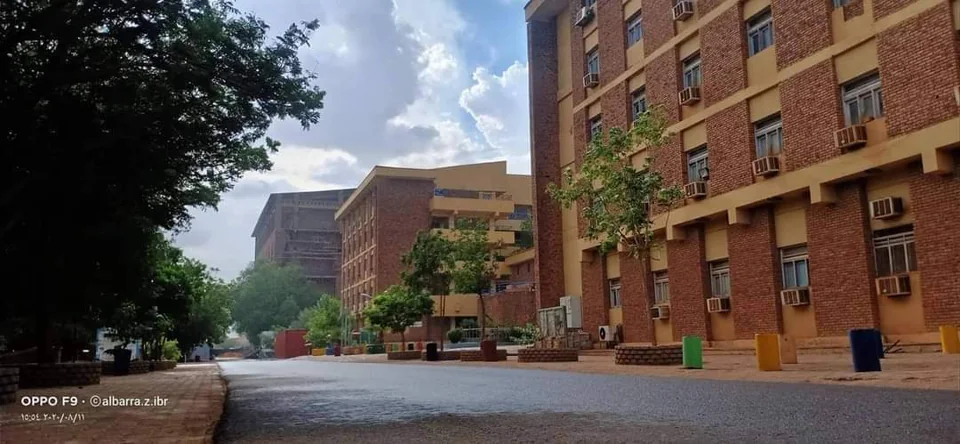
The School of Health Sciences evolved from the School of Family Sciences, founded in 1966, and took its present form in 2006. Its published fields include nutrition and dietetics, public health and physiotherapy. Teaching, research and community service are identified as central to its mission, with professionalism, collaboration, community involvement and accountability among its stated priorities.
The Public Health programme description places attention on health education and promotion and environmental health. It covers programme planning, implementation and evaluation, together with community mobilisation, advocacy, communication and research. These subjects connect scientific and organisational knowledge with the ways people understand health and participate in decisions affecting their surroundings. The school’s programme listings also include postgraduate study in public health and nutrition and dietetics, alongside diploma subjects relating to family sciences and diabetes education.
Sources: School of Health Sciences ↗ · Public Health programme ↗
Management and language education
The School of Management began in 1977 under the name Organizational Management and subsequently developed from diploma provision towards bachelor-level education. Its teaching areas include business administration, accounting and finance, and management information systems. Its stated direction connects contemporary management knowledge and innovation with responsible leadership, research and community development. Published postgraduate subjects include business administration and microfinance and development.
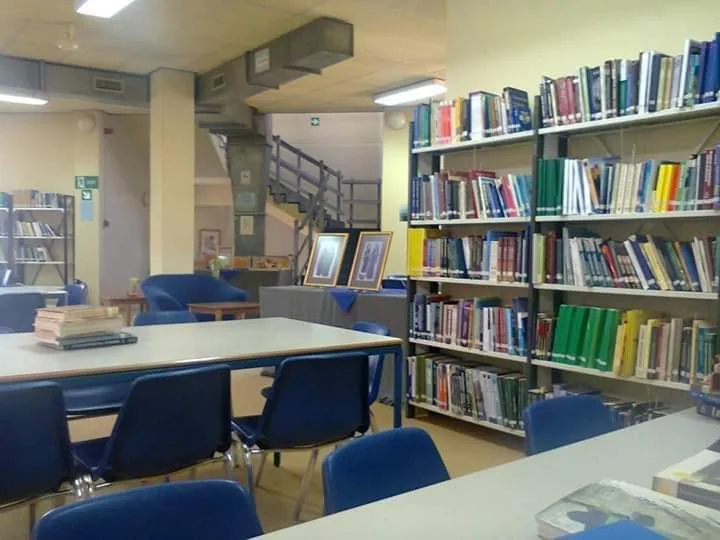
The School of Languages develops communication and linguistic competence through English language teaching and literature. Its description emphasises reflective classroom practice and different approaches to learning. Teaching rooms, language resources, library materials and audiovisual resources support this work. Its programme list extends from undergraduate English language teaching and literature to postgraduate English language teaching and a diploma in English proficiency and communication. These subjects add organisational and communication skills to the university’s wider educational offering. The language school’s stated emphasis is on preparing confident educators and communicators who can reflect on their classroom practice.
Sources: School of Management Studies ↗ · School of Languages ↗
Rural extension as an educational method
The School of Rural Extension, Education and Development, known as REED, has developed since 1987 around community-based learning. Its educational approach connects classroom study with field placements, research, teamwork and communication. It prepares women to engage with rural communities and development organisations through training and practical involvement. Published postgraduate areas include sustainable rural development and humanitarian assistance and post-disaster development.
The university’s Rural Extension Program began in 1973 and became a university requirement in 1978. Its description explains how students and instructors undertake village visits and extension activities in cooperation with government and non-governmental organisations. Themes are selected with partner agencies, linking learning with the priorities of the places visited. The programme gives students opportunities to practise mobilisation, community service and collaboration and to relate their disciplines to experience outside the classroom.
Sources: School of Rural Extension, Education and Development ↗ · Programmes and community activities ↗
Child development, gender and peace studies
Early Childhood Education combines academic study with fieldwork and practicum. Its published learning focus includes child-development theories, educational philosophies, curriculum design, individual education plans and learning environments. It also considers typical and atypical development, educational materials, media, inclusive practice and ethical responsibilities. These areas bring the study of children’s development together with the organisation of teaching and learning.
The postgraduate Gender, Development and Peace Studies programme connects women’s empowerment and rights with development policy, peace processes and conflict resolution. Its subjects include feminist and gender theories, identity, multiculturalism, peace and conflict studies and gender-sensitive planning. Research methodology and an applied internship form part of the published programme structure. The programme is associated with the Regional Institute of Gender, Diversity, Peace and Rights, linking a specialist research community with postgraduate learning.
Sources: Early Childhood Education programme ↗ · Gender, Development and Peace Studies programme ↗
Community activities and institutional support
Ahfad’s published activities include Women’s Week, World Food Day and International Day. Women’s Week brings workshops, discussions and cultural activities together around women’s participation and achievements. World Food Day addresses hunger, food security, nutrition and sustainability through educational and outreach activities. International Day provides a setting for sharing cultural traditions through performances, exhibitions and other contributions from the university community.
The university’s support-unit directory identifies responsibilities for faculty development, research and grants, registration and academic records, student affairs and the physical environment. It also identifies a unit concerned with quality assurance. These functions support the people, records and organisational processes associated with teaching and research. Alongside the academic schools and community programmes, they form part of the institutional framework through which Ahfad organises its educational work.
Sources: Programmes and community activities ↗ · University support units ↗